
The iconic song “Hotel California” is famously sung by the American rock band, the Eagles. Released in 1976 as the title track from their fifth studio album, the song quickly ascended to legendary status, becoming one of the most recognizable and critically acclaimed rock anthems of all time. With its intricate guitar solos, haunting lyrics, and evocative storytelling, “Hotel California” transcends a simple musical composition; it’s a cultural phenomenon that has captivated listeners for decades.
Beyond its musical brilliance, the song has sparked endless debate and interpretation, particularly concerning its cryptic narrative and the identity of the mysterious “Hotel California” itself. For travelers and enthusiasts of unique destinations, the song conjures images of luxurious yet unsettling places, embodying a quintessential element of travel: the search for extraordinary experiences, often intertwined with a touch of the unknown. As we delve into the world of the Eagles and their magnum opus, we’ll explore not only the song’s origins and meaning but also its profound connection to the allure of California as a travel destination, its iconic hotels, and the lifestyle it represents.

The Eagles and the Genesis of a Legend
The Eagles, formed in Los Angeles, California, in 1971, emerged as one of the most successful musical acts of the 1970s. Comprising founding members Glenn Frey, Don Henley, Bernie Leadon, and Randy Meisner (later joined by Joe Walsh and Timothy B. Schmit), the band’s blend of country rock, folk, and hard rock resonated deeply with audiences. Their music often explored themes of the American experience, love, loss, and the changing social landscape. “Hotel California” stands as a towering achievement in their discography, showcasing the band’s sophisticated songwriting, intricate arrangements, and profound lyrical depth.
The creative force behind “Hotel California” was primarily Don Henley (lyrics), Glenn Frey (lyrics/music), and Don Felder (music). Felder composed the initial musical track, which Henley and Frey then crafted into the lyrical masterpiece we know today. Released at the height of their success, the album Hotel California marked a significant shift in the band’s sound, moving towards a more rock-oriented, introspective, and at times, darker tone. The title track, in particular, captured a zeitgeist, reflecting the hedonism, materialism, and disillusionment that many felt characterized the California lifestyle of the era. The song’s success was monumental, earning the Eagles a Grammy Award for Record of the Year in 1978 and cementing its place in music history. It remains a staple on classic rock radio, a testament to its enduring appeal and timeless quality.
Unpacking the Lyrics: A Traveler’s Enigma
The lyrics of “Hotel California” are a rich tapestry of metaphor and symbolism, inviting listeners to interpret its meaning in countless ways. At its surface, it tells the story of a weary traveler driving through a desert, encountering a mysterious, luxurious hotel where guests “can check out any time you like, but you can never leave.” This chilling line has fueled much of the song’s mystique, leading many to believe it’s a commentary on addiction, the music industry, or even a literal haunted hotel.
However, a more widely accepted interpretation, supported by band members themselves, suggests the song is an allegory for the dark underbelly of the American Dream, particularly as it manifested in California. It speaks to the seductive yet ultimately destructive nature of excess, fame, and materialism. The “Hotel California” becomes a metaphor for a gilded cage, a place of superficial glamour where illusions are shattered, and true escape is impossible. For travelers, this resonates deeply with the idea of a destination that promises paradise but delivers something more complex, a journey that might lead to self-discovery or, conversely, a profound sense of entrapment. It speaks to the seductive power of certain places, like Hollywood or exclusive resorts, which draw people in with promises of grandeur and luxury, but sometimes leave them yearning for something more authentic or a way out. The song subtly reminds us that while exploring new destinations, it’s essential to look beyond the glittering facade and appreciate the genuine culture and experiences that define a place.
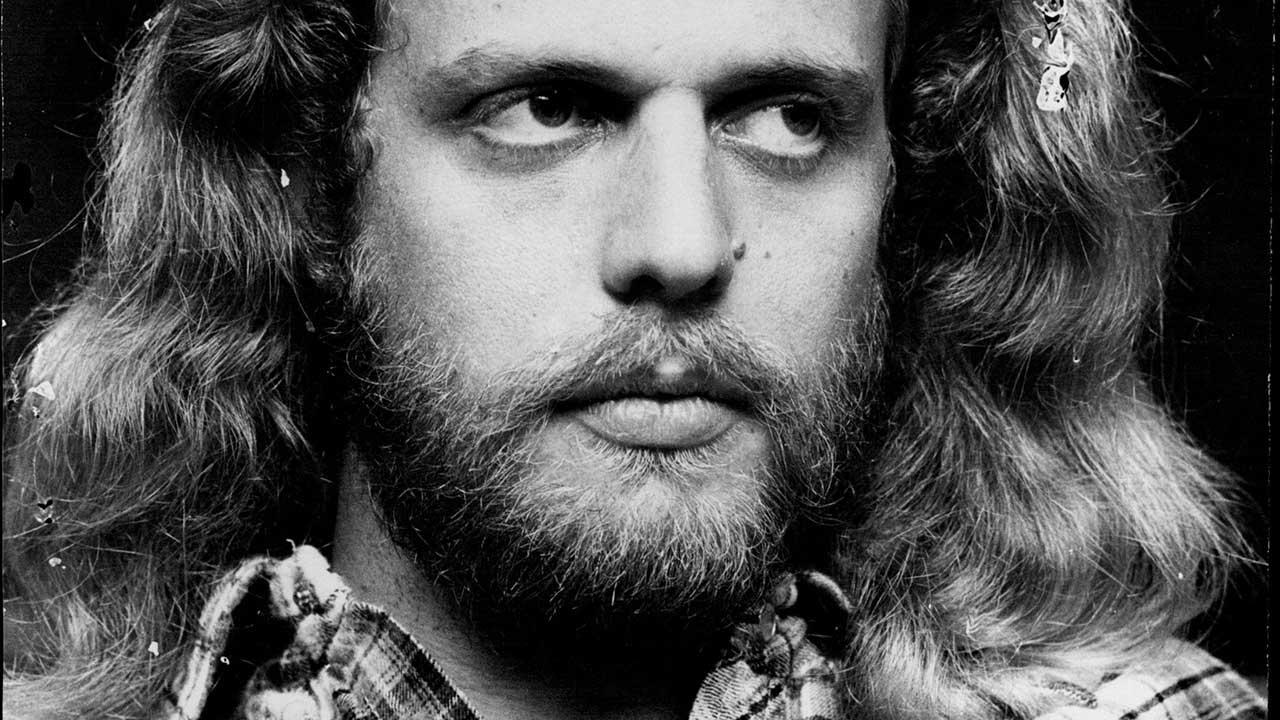
The Allure of the Hotel California: A Figurative and Literal Exploration
The imagery of the “Hotel California” is so vivid and compelling that it has transcended the song itself, becoming a cultural touchstone. For many, it evokes a grand, perhaps slightly decaying, luxury hotel – a place dripping with history, mystery, and a touch of melancholy. This concept aligns perfectly with the fascination many travelers have with iconic hotels, those establishments that are not just places to sleep but destinations in themselves, offering a unique blend of architecture, history, and an unforgettable experience. The search for the “real” Hotel California has become a quest for many fans, highlighting our collective desire to connect with the places that inspire art and culture.
The Real Hotel California? Myth, Legend, and Inspiration
While the Eagles have repeatedly stated that the “Hotel California” is a metaphorical construct, inspired by the broader California lifestyle and the dark side of the music industry, several real-world locations have been suggested as its potential inspiration. These theories only add to the song’s allure, intertwining its narrative with actual travel destinations and historical landmarks.
One of the most frequently cited inspirations is the grand Beverly Hills Hotel in Beverly Hills, California. Known as the “Pink Palace,” this opulent hotel has been a playground for celebrities and the wealthy for over a century. Its luxurious suites, lush gardens, and iconic polo lounge certainly embody the kind of excess and exclusive lifestyle hinted at in the song. The hotel’s long history and legendary guest list provide a tangible link to the glamour and potential pitfalls of the Hollywood scene that the Eagles observed firsthand.
Another contender is the former Argyle Hotel (now the Sunset Tower Hotel) on the Sunset Strip in West Hollywood. This Art Deco landmark, with its rich history of housing screen stars and musicians, also fits the bill for a grand, slightly mysterious establishment that has witnessed decades of Hollywood drama. Its prime location amidst the vibrant (and sometimes chaotic) Sunset Strip further aligns with the song’s themes of allure and decadence.
Further south, the majestic Hotel Del Coronado near San Diego has also been mentioned. A Victorian masterpiece standing proudly on the Pacific coast, “The Del” has its own legends, including rumored hauntings and a long list of famous guests, including Marilyn Monroe who filmed “Some Like It Hot” there. Its distinctive architecture and oceanfront grandeur certainly inspire a sense of awe and timelessness.

Perhaps the most famous literal connection, though purely coincidental, is the Hotel California in Todos Santos, a charming pueblo mágico on the Baja California Peninsula in Mexico. While the hotel predates the song and has no actual connection to the Eagles, its name has led countless tourists to visit, hoping to experience a slice of the song’s mystique. This particular hotel is a beautiful example of how a cultural reference can inadvertently boost tourism to a destination, drawing visitors eager to immerse themselves in a real-world interpretation of a fictional place. Its unique story highlights how cultural narratives can shape our travel choices and expectations, making a place more than just a building, but a vessel for imagination and storytelling.
Experiencing the Californian Dream (and its Shadows) Today
For travelers seeking to capture the spirit of “Hotel California” today, without necessarily looking for its exact real-world counterpart, California offers an abundance of luxury hotels and resorts that evoke a similar sense of grandeur, history, and unique atmosphere. These establishments, whether nestled in vibrant city centers or secluded coastal retreats, offer a modern interpretation of the lavish experiences hinted at in the song.
In Los Angeles, beyond the Beverly Hills Hotel and Sunset Tower Hotel, iconic properties like The Biltmore Hotel offer a glimpse into old Hollywood glamour with their historic ballrooms and elegant architecture. Boutique hotels in areas like West Hollywood or Santa Monica provide a blend of contemporary luxury and distinctive personality, often with rooftop pools, exclusive lounges, and breathtaking views, allowing guests to indulge in the upscale California lifestyle.
Moving north, San Francisco boasts historic hotels such as the Fairmont San Francisco or the Palace Hotel, both architectural marvels that have hosted dignitaries and celebrities for generations. Their grand lobbies, exquisite dining, and impeccable service create an ambiance that echoes the timeless elegance one might associate with the legendary “Hotel California.”
Even in more relaxed settings like Palm Springs, luxury resorts like The Parker Palm Springs or Korakia Pensione offer a distinct blend of retro-chic design, desert serenity, and exclusive amenities. These places, while perhaps less overtly mysterious, still offer an escape into a curated world of indulgence and unique style, much like the compelling imagery the song creates.
These hotels, while not the direct subject of the Eagles’ song, collectively embody the allure of California as a destination that blends luxury with a sense of history and an indefinable mystique. They invite travelers to experience grandeur, explore opulent spaces, and perhaps ponder the very nature of paradise – a theme central to the enduring appeal of “Hotel California.”
California as a Travel Destination: Echoes of the Song
Beyond its hotels, the state of California itself is a character in the song, representing a dreamland of opportunity and excess, but also a place where dreams can turn into nightmares. For travelers, California remains one of the most diverse and captivating destinations in the world, offering everything from sun-drenched beaches and vibrant cities to majestic mountains and serene deserts. The song’s themes of seeking, discovery, and sometimes disillusionment, resonate with the journey many undertake when exploring this vast and varied state.
The mystique surrounding “Hotel California” perfectly encapsulates the duality of the Golden State. On one hand, there’s the undeniable glamour of Hollywood, the laid-back luxury of Malibu, and the picturesque vineyards of Napa Valley. On the other, there’s a deeper, more complex reality – a place of intense competition, environmental challenges, and a constant search for identity. This complexity makes California an endlessly fascinating destination for tourists looking for more than just a superficial getaway. It’s a place where history, culture, and nature intertwine, offering experiences that range from exhilarating to profoundly reflective.
Iconic Landmarks and Attractions Reflecting the Song’s Vibe
Many of California’s most famous landmarks and attractions can be seen through the lens of the “Hotel California” narrative, evoking elements of grandeur, spectacle, and even a touch of the surreal.
The iconic Hollywood Sign overlooking Los Angeles is a symbol of the dreams and aspirations that draw countless individuals to the state, much like the traveler drawn to the mysterious hotel. The glitz and glamour of Hollywood Boulevard’s Walk of Fame and the historic Grauman’s Chinese Theatre (now TCL Chinese Theatre) reflect the superficial allure and star-studded facade that the song critiques.
Along the coast, the dramatic cliffs and scenic vistas of Big Sur offer a different kind of awe, embodying the vast, untamed beauty of California’s natural landscape – a perfect counterpoint to the enclosed world of the hotel. Further inland, the otherworldly landscapes of Joshua Tree National Park or Death Valley National Park evoke the desert imagery from the song’s opening lines, creating a sense of isolation and stark beauty that can be both captivating and daunting. These natural wonders underscore the immense diversity of the state, reminding visitors that California is not just about urban glamour but also about profound natural majesty.
Even theme parks like Disneyland in Anaheim or Universal Studios Hollywood can be seen as modern “hotels” – meticulously constructed dream worlds where visitors can immerse themselves in fantasy, though always with an awareness of the reality just beyond the gates. These cultural landmarks, whether natural or man-made, contribute to the tapestry of experiences that make California a destination unlike any other, echoing the complexity and allure found within the Eagles’ iconic song.
Planning Your California Stay: Accommodation for Every Traveler
Whether you’re drawn to California by the glamor of Hollywood, the serene beauty of its national parks, or a desire to experience a hint of the “Hotel California” mystique, the state offers an unparalleled range of accommodation options. From lavish five-star resorts that rival the most opulent hotels imagined in the song, to charming boutique inns, vibrant city apartments, and cozy beach houses, there’s a perfect stay for every type of traveler and budget.
Luxury seekers might opt for a historic resort in Santa Barbara or a high-rise suite in downtown San Francisco, complete with unparalleled amenities and concierge services that cater to every whim. For those on a budget or looking for a more authentic local experience, numerous guesthouses, vacation rentals, and well-appointed motels offer comfortable and convenient bases from which to explore. Long-term stays are also popular, with many choosing to rent villas or apartments, especially in popular areas like San Diego or along the Central Coast, allowing for deeper immersion into the local culture and lifestyle.
When planning your California trip, consider not just the destination but also the experience you wish to create. Do you want to relive the golden age of Hollywood in a classic hotel, find a tranquil retreat in the desert, or explore vibrant urban centers from a modern high-rise? Researching reviews, comparing amenities, and booking in advance, especially for popular attractions and peak seasons, will ensure your California adventure is as seamless and memorable as the evocative imagery of “Hotel California” itself. Every stay in California offers a chance to write your own chapter, to experience the state’s captivating allure, and to discover what lies beyond the gilded gates.
The Enduring Legacy of an American Classic
“Who Sings Hotel California?” is a question easily answered: the Eagles. But the song’s influence stretches far beyond its musical creators. It has become a metaphor for profound themes that resonate with the human experience: the seductive nature of dreams, the fine line between paradise and illusion, and the search for belonging amidst a world of excess. For lifeoutofthebox.com, this song is a powerful reminder that travel is more than just visiting places; it’s about embarking on journeys that challenge, inspire, and sometimes even mystify us.
The enduring popularity of “Hotel California” is a testament to its universal appeal, its ability to evoke strong emotions, and its connection to the complex narrative of the American Dream. It encourages us to look deeper, not just into the lyrics of a song, but into the destinations we visit, the cultures we encounter, and the experiences that shape our own personal narratives. As you plan your next adventure, whether it’s to the sun-kissed shores of California or another corner of the globe, remember the powerful imagery of the Eagles’ masterpiece. It serves as a captivating soundtrack to the endless quest for discovery, reminding us that every destination, much like every story, holds layers of meaning waiting to be uncovered.
LifeOutOfTheBox is a participant in the Amazon Services LLC Associates Program, an affiliate advertising program designed to provide a means for sites to earn advertising fees by advertising and linking to Amazon.com. Amazon, the Amazon logo, AmazonSupply, and the AmazonSupply logo are trademarks of Amazon.com, Inc. or its affiliates. As an Amazon Associate we earn affiliate commissions from qualifying purchases.