
The question “Who started the California fire?” is one that echoes across the Golden State with increasing frequency, particularly as fire seasons grow longer and more intense. While a seemingly simple query, the answer is rarely singular, unraveling into a complex web of natural phenomena, human actions, and environmental vulnerabilities. For travelers and those considering a visit, understanding the multifaceted nature of California’s wildfires is crucial, impacting everything from choosing destinations and securing accommodations to appreciating the fragile beauty of its iconic landmarks. This article delves into the origins of these devastating fires, explores their profound impact on California’s vibrant tourism and lifestyle, and offers guidance for navigating the challenges they present.
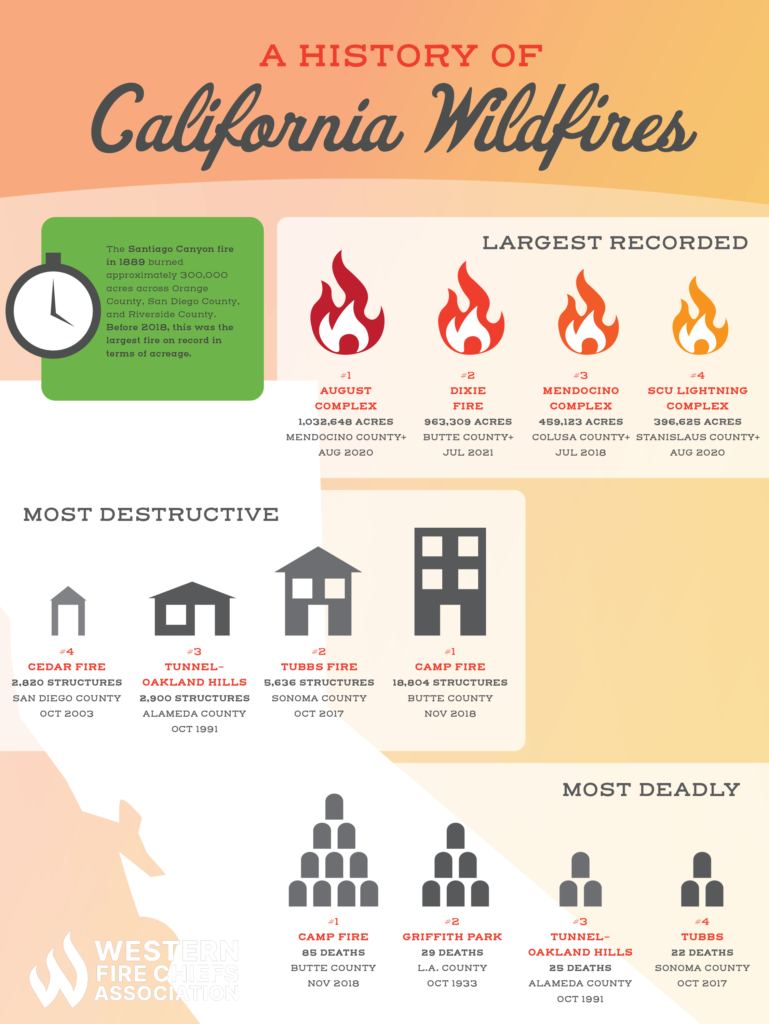
Unraveling the Causes: A Complex Tapestry of Factors
California, a land of unparalleled natural beauty from its sun-drenched beaches along the Pacific Ocean to the towering peaks of the Sierra Nevada, is inherently prone to wildfires. Its Mediterranean climate, characterized by hot, dry summers and a long dry season, creates the perfect conditions for vegetation to become tinder. Add to this the state’s diverse topography and dense wildland-urban interface, and you have a landscape ripe for ignition. The causes, however, are never just “the climate”; they are a confluence of factors that intertwine in destructive ways.
Natural Ignition: The Role of Lightning and Climate Change
Historically, lightning strikes have been a primary natural cause of wildfires in California, especially in remote wilderness areas such as Yosemite National Park or the vast forests of the Sierra Nevada. These fires, often ignited in high-elevation areas, can smolder for days before spreading, sometimes aided by wind and dry conditions. While lightning has always been a factor, the frequency and intensity of these natural ignitions are increasingly amplified by climate change.
Global warming has led to higher average temperatures, prolonged droughts, and earlier snowmelt across California. This results in parched landscapes, turning vast expanses of chaparral, brush, and forest into highly combustible fuel. The infamous “fire weather”—strong, dry winds like the Santa Anas in Southern California and the Diablos in the north—then act as powerful accelerators, fanning small ignitions into infernos that can consume thousands of acres in a matter of hours. For travelers, this means a heightened awareness of fire risk, particularly during late summer and autumn, which often coincide with peak tourist seasons for many outdoor destinations like Lake Tahoe or Big Sur. The changing climate not only influences where fires start but also how rapidly and widely they spread, posing significant challenges to both residents and the tourism industry.
Human Element: Accidental and Deliberate Acts
Despite the natural predispositions, the overwhelming majority of California’s most destructive wildfires are human-caused. This isn’t always malicious; often, it’s a tragic accident stemming from everyday activities. Equipment failure, particularly involving aging electrical infrastructure, has been a major culprit. Downed power lines, or equipment sparking during high winds, can easily ignite dry vegetation. Utility companies have faced immense scrutiny and billions in liabilities for their role in initiating some of the state’s largest and deadliest fires.
Other common accidental ignitions include:
- Campfires left unattended or not properly extinguished, a serious concern in popular camping destinations within national forests and parks.
- Vehicle malfunctions, such as sparks from catalytic converters or dragging chains, igniting roadside brush.
- Construction activities, like grinding or welding, producing sparks that land on dry grass.
- Discarded cigarettes, a preventable yet persistent cause.
- Fireworks and pyrotechnics, especially illegal ones, are particularly dangerous during dry conditions.
Then there are the deliberate acts: arson. While less frequent than accidental ignitions, arsonists can cause immense devastation, often targeting vulnerable areas. Understanding these human factors underscores the importance of public awareness and responsible behavior, especially for visitors enjoying California’s natural attractions. From a tourism perspective, these human-caused fires highlight the need for strict regulations in popular outdoor recreation areas and the potential for temporary closures of trails, campgrounds, and even entire sections of national parks to prevent further ignitions.
Landscape Management: Fuel for the Fire
The way California’s landscapes have been managed, or perhaps mismanaged, over the past century also plays a critical role in the severity of fires. Decades of aggressive fire suppression policies have led to an unnatural accumulation of “fuel”—dense undergrowth, dead trees, and excessive vegetation that would historically have been cleared by natural, low-intensity fires. When an ignition occurs in such an environment, these fuels create an explosive potential, turning what might have been a manageable blaze into an uncontrollable inferno.
Forest health is also a significant concern. Bark beetle infestations, exacerbated by drought and warmer temperatures, have killed millions of trees, particularly in the Sierra Nevada range, providing even more fuel. Efforts are now underway to implement prescribed burns and fuel reduction projects, aiming to mimic natural fire cycles and create defensible spaces. However, these efforts are slow, costly, and often complicated by urban encroachment into wildland areas, known as the Wildland-Urban Interface (WUI). This intersection is where the greatest risk to homes, businesses, and tourist infrastructure, including hotels, resorts, and charming small-town accommodations, exists. For instance, areas like Napa Valley and Sonoma Valley, renowned for their vineyards and luxury lifestyle, have felt the direct impact of fires where the WUI allowed flames to spread rapidly from natural areas into communities. The challenge for authorities and local communities alike is how to manage these fuel loads effectively while ensuring the safety of residents and visitors, and preserving the very natural beauty that attracts millions to the state.
The Far-Reaching Impact on California’s Tourism and Lifestyle
California’s allure lies in its diverse landscapes, vibrant cities, and outdoor lifestyle. Wildfires, regardless of their origin, cast a long shadow over this appeal, directly affecting tourist destinations, disrupting travel plans, and creating significant economic ripple effects across the state. The question of “who started the fire” quickly becomes secondary to the widespread devastation and its broader implications for local economies dependent on tourism.
Destructive Wake: When Destinations are Threatened
When wildfires ignite, they pose an immediate and existential threat to the very landmarks and natural attractions that draw visitors from around the globe. Iconic national parks such as Yosemite National Park, Sequoia National Park, and Redwood National Park have all faced closures or severe impacts due to encroaching fires. The sheer emotional toll of seeing ancient sequoias or vast redwood groves under threat is profound, impacting the collective psyche of the state and global admirers. Beyond the immediate destruction of natural habitats, fires can devastate entire communities, as seen in the tragic impacts on towns like Paradise.
Even if a fire doesn’t directly consume a landmark, the indirect effects can be just as disruptive to the travel experience. Poor air quality from smoke plumes can travel hundreds of miles, blanketing major urban centers like San Francisco or Los Angeles and making outdoor activities unbearable or even dangerous. This can lead to cancellations of planned excursions, impacting everything from wine tours in Napa Valley to beach outings in Santa Barbara or hiking trails in the Sierra Nevada. Resorts and boutique hotels in fire-affected or smoke-affected regions often see a sharp decline in bookings, hurting local businesses and the overall tourism ecosystem. The beauty that tourists come to experience is quite literally obscured or, worse, charred, necessitating a re-evaluation of travel plans during peak fire seasons.
Accommodation and Travel Disruptions
The dynamic and unpredictable nature of wildfires makes travel planning to California a challenge, especially during the summer and fall. Road closures are common, often cutting off access to popular destinations and forcing travelers to reroute or cancel trips entirely. A scenic drive along the Pacific Coast Highway could become impassable, or a planned trip to a secluded mountain resort could be abruptly interrupted by evacuation orders.
For accommodation providers, wildfires represent a significant threat. Hotels, resorts, apartments, and villas in the path of a fire must evacuate guests and often face direct damage or destruction. Even those outside the immediate fire zone can suffer from widespread cancellations and decreased demand. Travelers with existing bookings need to be vigilant about monitoring local conditions and have flexible cancellation policies or travel insurance. Many visitors might opt to change their destination from a natural park to a more urban setting like San Diego or Orange County to avoid potential disruptions. This shift in traveler behavior impacts the distribution of tourism revenue across the state and emphasizes the need for robust contingency planning for both tourists and the hospitality sector. The uncertainty surrounding fire activity requires tour operators, booking platforms, and individual accommodations to remain agile and transparent with their guests, often offering refunds or rescheduling options during emergency situations.
Economic Ripple Effects
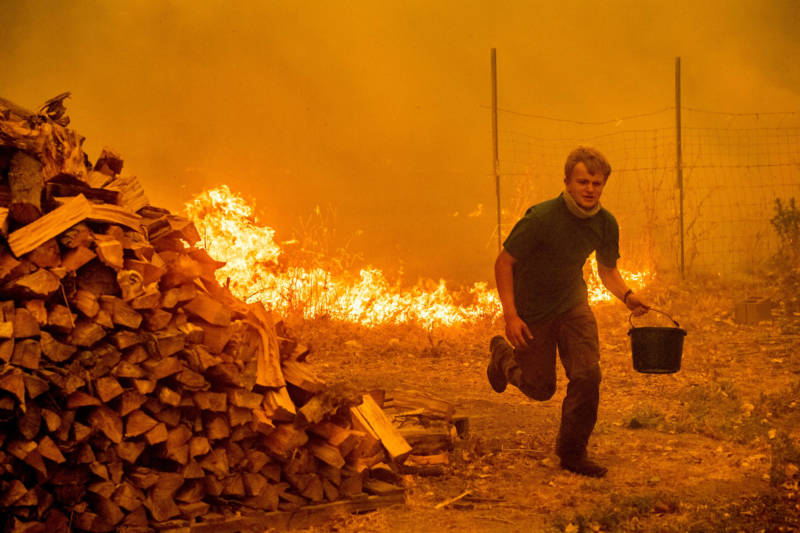
The economic repercussions of California’s wildfires extend far beyond the immediate damage. Tourism is a multi-billion-dollar industry in the state, supporting countless jobs in hotels, restaurants, attractions, and local businesses. When fires disrupt travel, there’s a direct and substantial loss of revenue. This impacts not only the major tourist hubs but also the smaller, charming towns that rely heavily on visitor spending. For instance, a fire impacting wine country could devastate not just wineries, but also related luxury accommodations, gourmet restaurants, and local artisan shops.
Local communities often struggle to rebuild both physically and economically. The loss of jobs in the hospitality and outdoor recreation sectors can be severe and prolonged. While emergency relief funds provide some assistance, the long-term recovery of a tourism economy requires sustained effort and marketing to reassure travelers that a destination is safe and ready to welcome them again. This often involves highlighting resilient areas, promoting alternative attractions, and communicating clear messages about recovery efforts. The ongoing threat of wildfires pushes California’s tourism stakeholders to continually innovate in disaster preparedness, response, and recovery strategies, fostering a more resilient travel infrastructure. From a lifestyle perspective, these economic impacts resonate deeply, affecting the livelihoods and well-being of countless individuals who contribute to California’s unique charm and visitor experience.
Navigating California’s Fire Season: Tips for Travelers
For those dreaming of a California adventure, understanding and preparing for fire season is an essential part of responsible travel. While the threat is real, it doesn’t mean you should cancel your plans entirely. Instead, it calls for informed decision-making and a mindful approach to exploring the Golden State’s wonders. Adopting a proactive stance allows travelers to minimize risks, ensure safety, and still enjoy the myriad attractions California has to offer.
Stay Informed and Prepared
The most crucial advice for any traveler to California is to stay informed. Before and during your trip, make it a habit to check official sources for fire updates and air quality reports.
- Cal Fire (the California Department of Forestry and Fire Protection) provides real-time incident maps and information on active fires.
- The National Weather Service offers crucial weather forecasts, including warnings for high winds or red flag conditions.
- Local county and city websites will have specific advisories, evacuation orders, and road closures.
- Apps and websites like AirNow.gov can provide up-to-date air quality index (AQI) readings, vital for planning outdoor activities.
Travelers should also consider travel insurance that covers wildfire-related cancellations or disruptions. When booking accommodation, inquire about the cancellation policy and if any areas around hotels or resorts have been affected. Having a flexible itinerary can be a significant advantage, allowing you to adapt to changing conditions. Keep a close eye on news from specific destinations, whether it’s Palm Springs‘ desert resorts or the coastal towns of Mendocino. Preparedness isn’t about fear; it’s about empowerment, ensuring you have the information needed to make safe and enjoyable travel decisions.
Responsible Travel Choices
Every visitor to California has a role to play in fire prevention. Adhering to local regulations and practicing responsible tourism can significantly reduce human-caused ignitions.
- Respect fire bans and restrictions: If campfires are prohibited in a particular area, do not light one. Always use designated fire rings, and ensure fires are completely extinguished and cold to the touch before leaving.
- Be cautious with equipment: If you’re using a barbecue or any outdoor cooking equipment, keep it away from dry vegetation.
- Vehicle maintenance: Ensure your vehicle is properly maintained, as sparks from mufflers or chains can ignite roadside fires. Avoid parking on dry grass.
- Discard waste properly: Never toss cigarette butts out of a window. Dispose of all trash in designated receptacles.
- Stay on marked trails: Going off-trail can disturb delicate ecosystems and potentially expose you to fire risks.
Supporting businesses in areas recovering from fires, once it’s safe to visit, is also a powerful way to contribute to local resilience. Opt for eco-friendly tours and accommodations that prioritize sustainable practices, helping to protect the natural beauty of California for future generations. Your choices as a traveler directly influence the health and safety of the communities and natural landscapes you visit.
Alternative Destinations and Experiences
During peak fire season (typically late summer through fall), consider focusing your travel on destinations that are historically less prone to severe wildfires or offer abundant indoor attractions.
- Urban exploration: Cities like San Francisco, Los Angeles, and San Diego offer world-class museums, culinary scenes, entertainment, and shopping that can be enjoyed regardless of air quality or fire activity in wildland areas. Explore the diverse neighborhoods, iconic landmarks like the Golden Gate Bridge, or the vibrant arts scenes.
- Coastal getaways: While some coastal areas can be affected, many offer cooler temperatures and are less prone to large-scale fires. Consider destinations along the central coast like Monterey and Carmel-by-the-Sea for their charm, aquariums, and scenic drives (always checking local conditions).
- Winter travel: If your heart is set on California’s stunning national parks or mountain retreats, consider visiting during the late spring or winter months when fire risk is significantly lower and you can experience a different kind of natural beauty. Lake Tahoe in winter offers world-class skiing, while spring brings wildflowers to many parts of the state.
By diversifying your travel plans and being open to different experiences, you can still enjoy the magic of California while respecting the challenges it faces. This flexible approach allows for a truly immersive and safe journey, whether you’re seeking luxury travel in Beverly Hills, family fun at Disneyland, or a serene escape in a less fire-prone natural setting.
Building Resilience: A Future for California’s Landscapes and Lifestyles
The perennial question of “who started the California fire” underscores a critical need for collective action and resilience. While individual ignitions grab headlines, the focus is shifting towards comprehensive strategies that address the systemic issues contributing to extreme fire behavior. For the millions who cherish California’s landscapes and the thriving tourism economy that supports them, building a more resilient future is paramount. This involves not just better emergency response but also fundamental changes in how we live with and manage the natural environment.
Innovations in Prevention and Response
California is at the forefront of developing and implementing innovative strategies to prevent and respond to wildfires. This includes significant investments in upgrading aging electrical infrastructure to prevent utility-caused fires, such as burying power lines or using fire-resistant materials. Advanced early warning systems utilizing satellite imagery, AI-powered sensor networks, and sophisticated weather modeling are improving detection times, allowing firefighters to reach new ignitions faster. Drones equipped with infrared cameras can quickly pinpoint hot spots, while an expanded fleet of firefighting aircraft, including supertankers, provides crucial aerial support.
Beyond technology, there’s a renewed emphasis on community engagement and preparedness. Programs like “Firewise USA” encourage homeowners to create defensible space around their properties, reducing the likelihood of homes igniting during a wildland fire. Public education campaigns are crucial for informing residents and visitors about safe practices, from proper campfire etiquette to understanding evacuation routes. These collective efforts, spanning governmental agencies like Cal Fire, private industries, and local communities, are vital in mitigating the severity of fires and protecting both lives and the cherished landmarks that define California’s allure.
The Role of Sustainable Tourism
As California adapts to a future with more frequent and intense wildfires, sustainable tourism plays an increasingly important role. Responsible travel isn’t just about preventing fires; it’s also about supporting the long-term health and resilience of the destinations we visit. This means choosing accommodations and tour operators that demonstrate a commitment to environmental stewardship, such as those with energy-efficient practices, water conservation efforts, and support for local conservation initiatives.
Travelers can actively contribute by seeking out experiences that educate them about California’s unique ecosystems and the challenges they face. Visiting national parks and other natural areas during off-peak seasons can reduce crowding and environmental impact. Supporting local businesses in fire-affected regions during their recovery phase, once it’s safe to do so, helps inject much-needed funds back into the community. Furthermore, advocating for policies that promote responsible land management, forest health, and climate action contributes to a more sustainable future for both California’s landscapes and its thriving tourism industry. By embracing these principles, visitors become partners in preserving the natural beauty and vibrant lifestyle that make the Golden State an unforgettable travel destination.
Conclusion
The question, “Who started the California fire?”, leads us down a path of complex answers, revealing a landscape shaped by both natural forces and human actions. From lightning strikes exacerbated by climate change to accidental ignitions from human activity and the challenges of landscape management, the origins are multifaceted. These fires cast a long shadow over California’s allure, threatening its cherished landmarks, disrupting travel plans, and creating significant economic ripple effects across the tourism and accommodation sectors.
Yet, California remains an irresistible destination, a testament to its enduring beauty and the resilience of its communities. For travelers, navigating this landscape requires awareness, preparedness, and a commitment to responsible choices. By staying informed, adhering to local guidelines, and considering alternative travel experiences, visitors can minimize risks and contribute positively to the state’s efforts to adapt and recover. As California continues to invest in innovative prevention and response strategies and embraces sustainable tourism practices, it moves towards a future where its iconic landscapes and vibrant lifestyle can be enjoyed safely and sustainably for generations to come. Your journey through the Golden State can be a part of this enduring story, fostering both memorable experiences and a deeper appreciation for this magnificent, yet often challenging, corner of the United States.