
The question “Who started the California fires?” often ignites a sense of urgency, fear, and a quest for answers, particularly given the devastating impact these blazes can have on communities, ecosystems, and the very fabric of life in the Golden State. For those of us passionate about travel, hotels, tourism, and lifestyle, the implications extend far beyond immediate danger; they touch upon the accessibility of cherished destinations, the safety of iconic landmarks, and the viability of countless tourism-dependent businesses. California, a state renowned for its diverse landscapes, from sun-kissed beaches and vibrant cities to towering redwood forests and majestic mountains, paradoxically also faces an annual challenge from wildfires. Understanding the origins of these fires is crucial, not just for prevention, but also for comprehending their intricate relationship with the state’s thriving tourism industry and how travelers can navigate this reality responsibly.
Far from being a simple blame game, the answer to who or what starts California’s fires is complex, encompassing a mosaic of natural phenomena, human actions – both accidental and intentional – and underlying environmental vulnerabilities exacerbated by climate change. As we delve into the multifaceted causes, it becomes clear that these factors collectively shape the travel experience in the region, influencing everything from peak season planning to the availability of accommodations and the preservation of natural wonders. For prospective visitors, understanding this landscape is key to an informed and impactful journey through one of the world’s most captivating destinations, allowing them to enjoy its beauty while respecting its challenges.
Unraveling the Causes: A Complex Tapestry of Factors
The narrative around California wildfires is rarely monolithic. While a single spark might initiate a blaze, a confluence of environmental conditions and human activity often creates the tinderbox awaiting ignition. For travelers and those in the tourism sector, comprehending these origins is vital for assessing risks, planning itineraries, and appreciating the resilience required to maintain California’s allure.
Natural Catalysts and Environmental Vulnerabilities
Nature itself plays a significant, albeit often secondary, role in sparking fires, particularly when conditions are ripe. These natural ignitions, coupled with the state’s unique geography and climate, form a formidable backdrop for wildfire activity.
Climate Change and Drought Conditions: Perhaps the most pervasive and concerning factor is the escalating impact of climate change. Prolonged periods of drought have rendered vast swaths of California’s wildlands incredibly dry, transforming vegetation into highly flammable fuel. Higher average temperatures and reduced snowpacks contribute to an extended fire season, often stretching from late spring through late fall. For travelers, this means increased vigilance during these months, especially when planning visits to wilderness areas like Yosemite National Park or Sequoia National Park, where fire-related closures or hazardous air quality can impact experiences. The vibrant fall foliage or summer hiking expeditions might need more careful planning and real-time monitoring of conditions.
Santa Ana Winds: Unique to Southern California, the infamous Santa Ana Winds are hot, dry, and powerful gusts that sweep from the desert plateaus towards the coast. These winds act as a terrifying accelerator, fanning small embers into raging infernos and pushing fires across vast distances at incredible speeds. Their presence can transform a contained fire into an uncontrollable disaster overnight, threatening homes, businesses, and critically, tourist infrastructure in popular coastal communities such as Malibu or urban fringes. During periods of high Santa Ana Winds, travel advisories, road closures, and even evacuation orders can be common, directly impacting hotel bookings and planned activities.
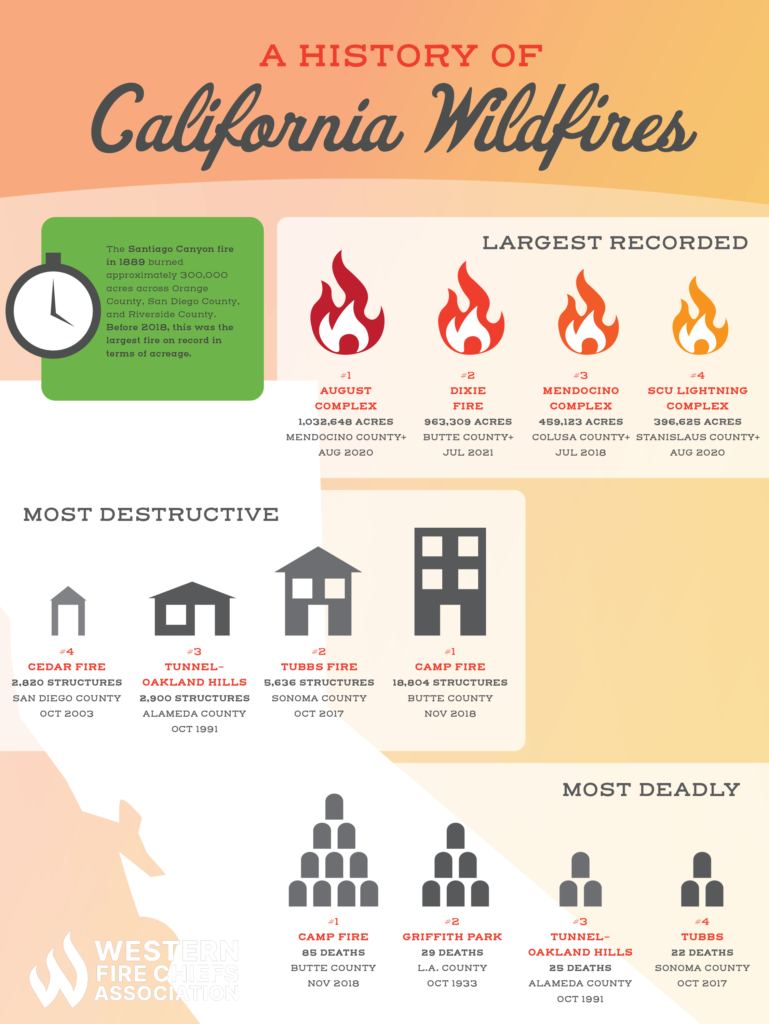
Lightning Strikes: While less frequent than human-caused fires, lightning remains a natural initiator, particularly in remote, difficult-to-access wilderness areas like the Sierra Nevada mountain range. These “dry lightning” storms can ignite multiple fires simultaneously, overwhelming firefighting resources and potentially leading to closures of national parks and forests. Hikers, campers, and nature enthusiasts planning expeditions into these pristine environments must always be aware of weather forecasts and park regulations, as these areas are often the first to implement fire restrictions.
Human-Related Ignition: Unintentional and Intentional
The vast majority of California wildfires are attributed to human activity. While some are acts of malice, most are unintentional, underscoring the critical need for public awareness and responsible behavior, especially among visitors exploring the state’s natural beauty.
Infrastructure Failures: Utility infrastructure, primarily power lines, has been a significant culprit in starting some of California’s most destructive fires. Strong winds can cause lines to fall or sag, leading to sparks that ignite dry vegetation. Companies like Pacific Gas and Electric Company (PG&E), serving much of Northern California, have faced severe scrutiny and legal consequences for their role in past blazes. For tourists, this can mean Public Safety Power Shutoffs (PSPS) during high fire danger, impacting hotels, restaurants, and other amenities, particularly in more rural or remote destinations within the service area.
Campfires and Outdoor Activities: Unextinguished campfires, carelessly discarded cigarettes, sparks from off-road vehicles, and even fireworks are common sources of human-caused ignitions. With millions of visitors flocking to California’s national forests, state parks, and campgrounds, the risk associated with outdoor recreation is substantial. Destinations like Lake Tahoe or the Los Padres National Forest frequently implement strict fire bans, especially during dry periods. Responsible tourism dictates adherence to these rules, understanding that even a small oversight can have catastrophic consequences for natural ecosystems and surrounding communities.

Arson: While constituting a smaller percentage of ignitions, acts of arson are deliberate and devastating. These intentional fires pose a unique challenge, often occurring in unpredictable locations and times, and can be particularly destructive. While rare, their potential impact on local tourism economies and the sense of safety in a destination is profound. Law enforcement works diligently to apprehend those responsible, but the damage to natural beauty and infrastructure can be long-lasting.
Agricultural Practices and Equipment: Sparks from farming equipment, machinery operation, or controlled burns gone awry can also be sources of ignition, particularly in the Central Valley or rural wine regions like Napa Valley and Sonoma Valley. While often contained quickly, these incidents highlight the need for vigilance across all sectors of the economy, including those supporting agri-tourism.
The Devastating Impact on California’s Travel & Tourism Landscape
Beyond the immediate danger to life and property, wildfires cast a long shadow over California’s vibrant travel and tourism sector. From iconic landmarks to bustling hotels, the industry faces significant challenges and requires ongoing resilience and adaptation.
Destinations and Attractions Under Threat
California boasts a treasure trove of destinations, many of which lie in areas prone to wildfires. The threat isn’t just about direct destruction but also about accessibility, air quality, and the psychological impact on potential visitors.
Iconic Landmarks and Natural Wonders: Fires have repeatedly threatened some of California’s most recognizable symbols. The Hollywood Sign, perched in the hills above Los Angeles, has come close to fire danger. Coastal towns like Malibu, with its stunning beaches and celebrity homes, have seen extensive damage, impacting luxury accommodations and local businesses crucial to its tourist appeal. The picturesque Napa Valley and Sonoma Valley wine regions have suffered substantial losses to vineyards, wineries, and boutique hotels, affecting a global destination for culinary and wine tourism. Even historical sites like Hearst Castle along the Central Coast can face closure or evacuation due to nearby blazes.
National and State Parks Ecosystems: California’s unparalleled park system, including wonders like Big Sur, Joshua Tree National Park, and Redwood National Park, represents the state’s natural crown jewels. Wildfires can devastate ancient forests, alter delicate desert ecosystems, and destroy vital wildlife habitats. This often leads to extensive park closures, restricting access to hiking trails, scenic drives, and campgrounds, thereby disrupting the plans of thousands of nature-loving travelers. Even after fires are extinguished, the recovery process can take years, affecting the visual appeal and ecological balance that draw visitors. The closures of attractions like Disneyland Resort due to nearby fires, though rare, underscore the ripple effect of fire threats even in urban settings.
Hotels, Accommodation, and the Traveler Experience
The immediate and secondary effects of wildfires directly hit the hospitality sector, from cancellations to long-term recovery efforts.
Disruptions and Cancellations: When fires rage, travel plans unravel. Flights into major hubs like Los Angeles International Airport (LAX) or San Francisco International Airport (SFO) can be delayed or rerouted due to smoke, and road closures can make reaching destinations impossible. Hotels and resorts in affected areas face mass cancellations, leading to significant financial losses. Even properties not directly threatened by flames can experience a downturn in bookings as tourists avoid the general region due to perceived risk or poor air quality. Imagine a planned luxury stay at The Ritz-Carlton, Laguna Niguel or Four Seasons Resort The Biltmore Santa Barbara being disrupted by smoke or evacuation orders.
Air Quality and Health Concerns: Smoke from wildfires can travel hundreds of miles, creating hazardous air quality far from the actual blaze. This can turn a planned outdoor adventure in San Diego or a stroll across the Golden Gate Bridge in San Francisco into an unpleasant, even unhealthy, experience. Travelers, particularly those with respiratory conditions, may reconsider trips, impacting tourism in otherwise unaffected areas like Sacramento, San Jose, or Fresno. The desire for fresh air is a fundamental component of many travel experiences, especially for those seeking relaxation or outdoor pursuits.
Evacuations and Safety Protocols: Hotels and accommodation providers in fire-prone regions have sophisticated emergency plans, but these situations are always stressful. Guests may be required to evacuate, sometimes at short notice, leading to inconvenience and anxiety. Resorts in popular areas like Palm Springs or Santa Barbara must prioritize guest safety, which can mean disruptions to services and temporary closures, affecting both their reputation and financial stability.
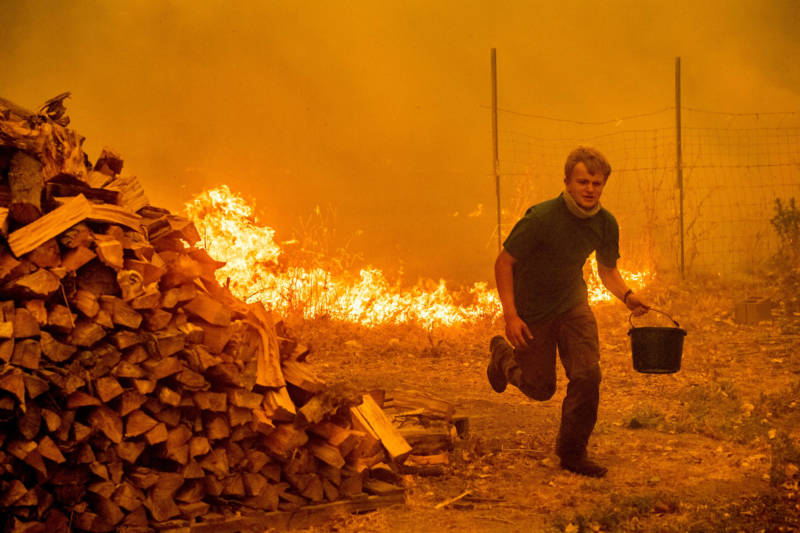
Post-Fire Tourism and Recovery: In the aftermath, tourism plays a crucial role in economic recovery. Visiting communities impacted by fires, staying in local hotels, dining at local restaurants, and purchasing goods from local businesses helps inject much-needed revenue into rebuilding efforts. This “rebuilding tourism” allows travelers to contribute directly to the resilience of California’s affected areas, experiencing their renewed spirit and supporting their journey back to prosperity.
Navigating California Safely: A Traveler’s Guide to Fire Season
While the threat of wildfires is a serious consideration, it should not deter travelers from experiencing the unparalleled beauty and diverse offerings of California. Instead, it calls for informed planning, responsible behavior, and a commitment to safety.
Preparing for a California Adventure
A well-prepared traveler is a safe traveler, especially when visiting areas susceptible to natural events.
Monitoring Conditions Actively: Before and during your trip, make it a habit to check official sources for fire updates. Websites like CAL FIRE (California Department of Forestry and Fire Protection) provide real-time information on active fires, containment levels, and evacuation orders. Local county emergency services and National Weather Service forecasts are also invaluable for understanding air quality alerts and wind conditions. Many parks and forests, including Death Valley National Park or Pinnacles National Park, will have specific alerts on their websites. This proactive approach allows for adjustments to itineraries and ensures safety.
Comprehensive Travel Insurance: Investing in comprehensive travel insurance that covers natural disasters, including wildfires, is highly advisable. This can protect against financial losses from canceled flights, non-refundable hotel bookings, or the need for emergency accommodation due to evacuations. Always read the policy details carefully to understand what is covered.
Flexible Bookings and Refundable Options: Whenever possible, opt for hotels, flights, and tour operators that offer flexible cancellation or rebooking policies. This provides peace of mind and financial protection if unforeseen fire activity requires changes to your travel plans. Many airlines and accommodation providers become more flexible during declared emergencies, but having refundable options upfront is always a smart choice.
Packing Essentials for Contingencies: While hopefully unnecessary, packing an N95 mask can be prudent, especially if planning outdoor activities during fire season, to mitigate the effects of smoke on air quality. Also, keep important documents, medications, and a small emergency kit easily accessible in case of a sudden need to evacuate from an accommodation.
Responsible Tourism and Community Support
Being a responsible tourist in California extends beyond personal safety; it involves contributing positively to the communities and environments you visit.
Respecting Fire Bans and Regulations: Adhere strictly to all fire bans, no matter how minor they may seem. This includes restrictions on campfires, barbecues, and smoking in designated areas. Understanding and respecting the specific rules of national parks, state forests, and local jurisdictions is paramount to preventing human-caused ignitions. Even seemingly harmless actions, like parking a hot vehicle on dry grass, can spark a wildfire.
Supporting Local Businesses: In the wake of fires, local economies can suffer immensely. Choosing to stay in locally-owned hotels, dine at independent restaurants, and shop at small businesses in recovering areas directly aids their long-term viability. Your tourist dollars become a powerful tool for community rebuilding and resilience.
Understanding Wildlife and Nature: Be mindful of the delicate balance of California’s ecosystems, particularly those recovering from fires. Stick to marked trails, avoid disturbing wildlife, and leave no trace. Understanding that some areas may be closed for ecological recovery helps preserve them for future generations.
Volunteering or Donating (When Appropriate): For those deeply moved by the impact of wildfires, consider opportunities to volunteer with reputable organizations involved in reforestation or community rebuilding, or donate to local relief funds. This offers a direct way to contribute to the healing process of affected regions.
Ultimately, the question “Who started the California fires?” reveals a complex interplay of natural forces and human actions. While the challenges posed by wildfires are significant, they do not diminish California’s allure as a world-class travel destination. By understanding the causes, acknowledging the impacts on tourism, and adopting a mindset of informed and responsible travel, visitors can continue to explore, enjoy, and contribute to the enduring beauty and vibrant spirit of the Golden State. California remains a resilient land of unparalleled adventures, welcoming those who approach it with respect and awareness.
LifeOutOfTheBox is a participant in the Amazon Services LLC Associates Program, an affiliate advertising program designed to provide a means for sites to earn advertising fees by advertising and linking to Amazon.com. Amazon, the Amazon logo, AmazonSupply, and the AmazonSupply logo are trademarks of Amazon.com, Inc. or its affiliates. As an Amazon Associate we earn affiliate commissions from qualifying purchases.