
California, often celebrated as the Golden State for its sun-drenched beaches, towering redwoods, vibrant cities, and diverse landscapes, is also a land intimately familiar with the destructive power of wildfires. From the majestic peaks of the Sierra Nevada Mountains to the sprawling urban fringes of Los Angeles and San Francisco, the seasonal threat of wildfires casts a long shadow, transforming picturesque vistas into scenes of devastation. These blazes not only ravage natural ecosystems and homes but also profoundly impact California’s robust travel and tourism industry, a cornerstone of its economy and identity. The question “Who started the fire in California?” isn’t merely a matter of criminal investigation or natural phenomena; it’s a complex inquiry into a multifaceted problem with deep roots in climate, human activity, and the very infrastructure that supports modern life. Understanding the origins of these fires is crucial, not just for accountability, but for shaping future prevention strategies, ensuring traveler safety, and safeguarding the breathtaking destinations that draw millions to this remarkable state each year. This article delves into the various causes of California’s wildfires, exploring their far-reaching consequences for tourism, accommodation, and the overall lifestyle associated with visiting or residing in this dynamic region.
Unraveling the Causes: A Multifaceted Problem
The genesis of a wildfire is rarely simple, often involving a confluence of environmental conditions and a specific ignition source. In California, the Mediterranean climate—characterized by hot, dry summers and mild, wet winters—creates perfect conditions for fire. Years of drought, coupled with an accumulation of dry vegetation and strong winds like the Santa Ana and Diablo winds, amplify the risk. Against this backdrop, numerous ignition sources can spark a conflagration, ranging from the purely natural to the unmistakably human.
Natural Ignitions: Lightning’s Destructive Power
While often overshadowed by human-caused incidents, lightning strikes are a significant natural cause of wildfires, particularly in Northern California and the mountainous regions of the Sierra Nevada. Dry lightning storms, where thunder and lightning occur without accompanying rain, are particularly dangerous. A single bolt can ignite dry fuels in remote wilderness areas, often unnoticed for hours or even days, allowing the fire to grow substantially before detection. These remote ignitions frequently occur in areas rich in majestic National Parks and National Forests, such as Yosemite National Park, Sequoia National Park, and Kings Canyon National Park. While natural fires are part of ecosystem cycles, the increasing intensity and frequency due to climate change pose unprecedented challenges for land management and fire suppression efforts. For tourists planning wilderness adventures, understanding the risk of lightning-caused fires and heeding park warnings becomes paramount for a safe experience.
Human Element: Accidental and Arson-Related Fires
Over 90% of wildfires in California are attributed to human activity, a stark reminder of our collective responsibility. These ignitions can be broadly categorized into accidental and intentional acts. Accidental fires stem from a variety of sources, often linked to everyday activities or negligence. Discarded cigarettes, unattended campfires, sparks from vehicle exhaust systems, grinding or welding operations, agricultural burns gone awry, and even children playing with matches can all unleash devastating blazes. For instance, a careless flick of a cigarette butt along the scenic Pacific Coast Highway could jeopardize the breathtaking beauty of Big Sur or coastal towns like Laguna Beach. Travelers enjoying the renowned wineries of Napa Valley or Sonoma County must exercise extreme caution, especially when visiting during dry seasons.
Beyond accidents, arson remains a tragic and deliberate cause. While less frequent than accidental ignitions, intentional fires are often the most difficult to predict and combat, adding an insidious layer of risk to fire management. The motivations behind arson vary, but the consequences are uniformly catastrophic, resulting in immense environmental damage, loss of life, and property destruction. Addressing the human element requires a multi-pronged approach: public education campaigns emphasizing fire safety, strict enforcement of fire prevention regulations, and robust law enforcement efforts to deter and apprehend arsonists.
Utility Infrastructure: Sparks from Power Lines
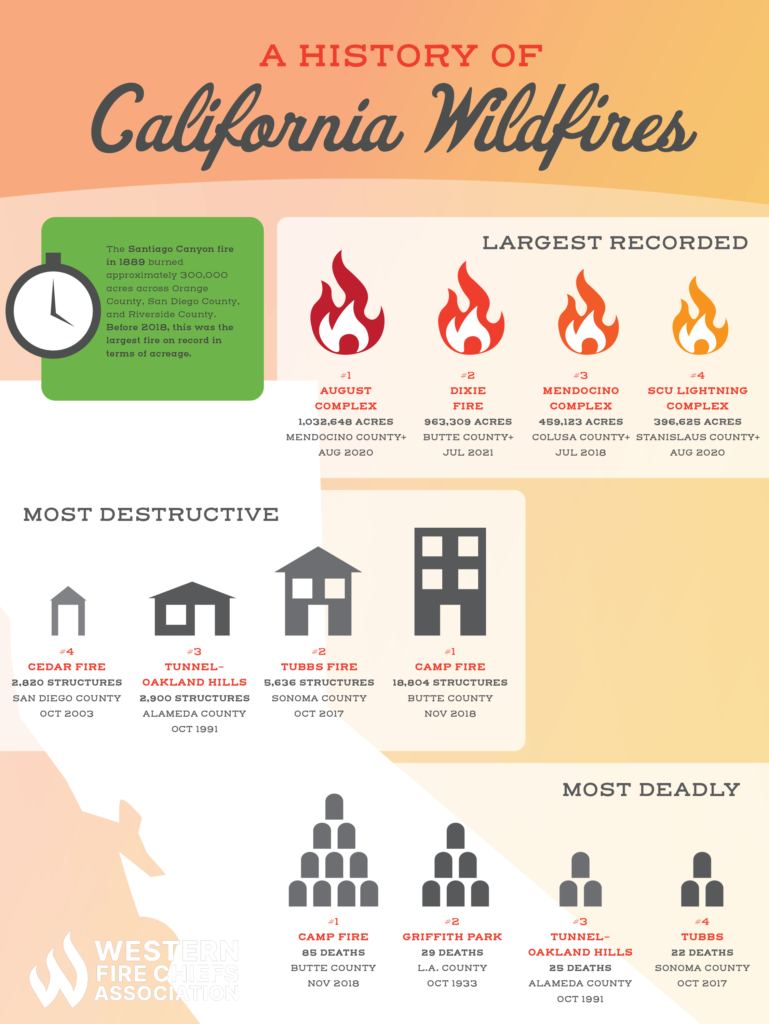
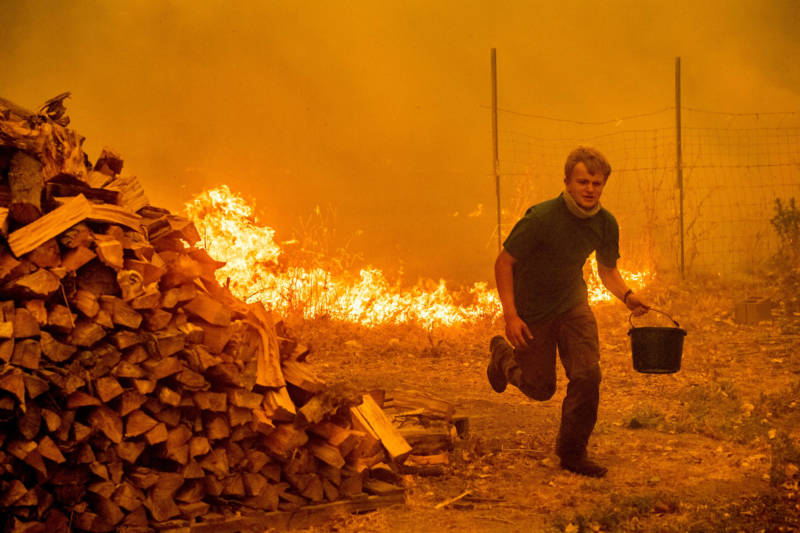
In recent years, aging and poorly maintained electrical utility infrastructure has emerged as a significant and highly controversial cause of some of California’s most destructive wildfires. High winds can cause power lines to arc, fall, or come into contact with vegetation, sending sparks into dry brush. Faulty transformers or other equipment failures can also be ignition sources. Major utility companies like Pacific Gas and Electric (PG&E) and Southern California Edison have faced immense scrutiny, liability, and even criminal charges related to their equipment sparking catastrophic fires, such as the 2018 Camp Fire which decimated the town of Paradise, or the 2021 Dixie Fire, the second-largest in state history.
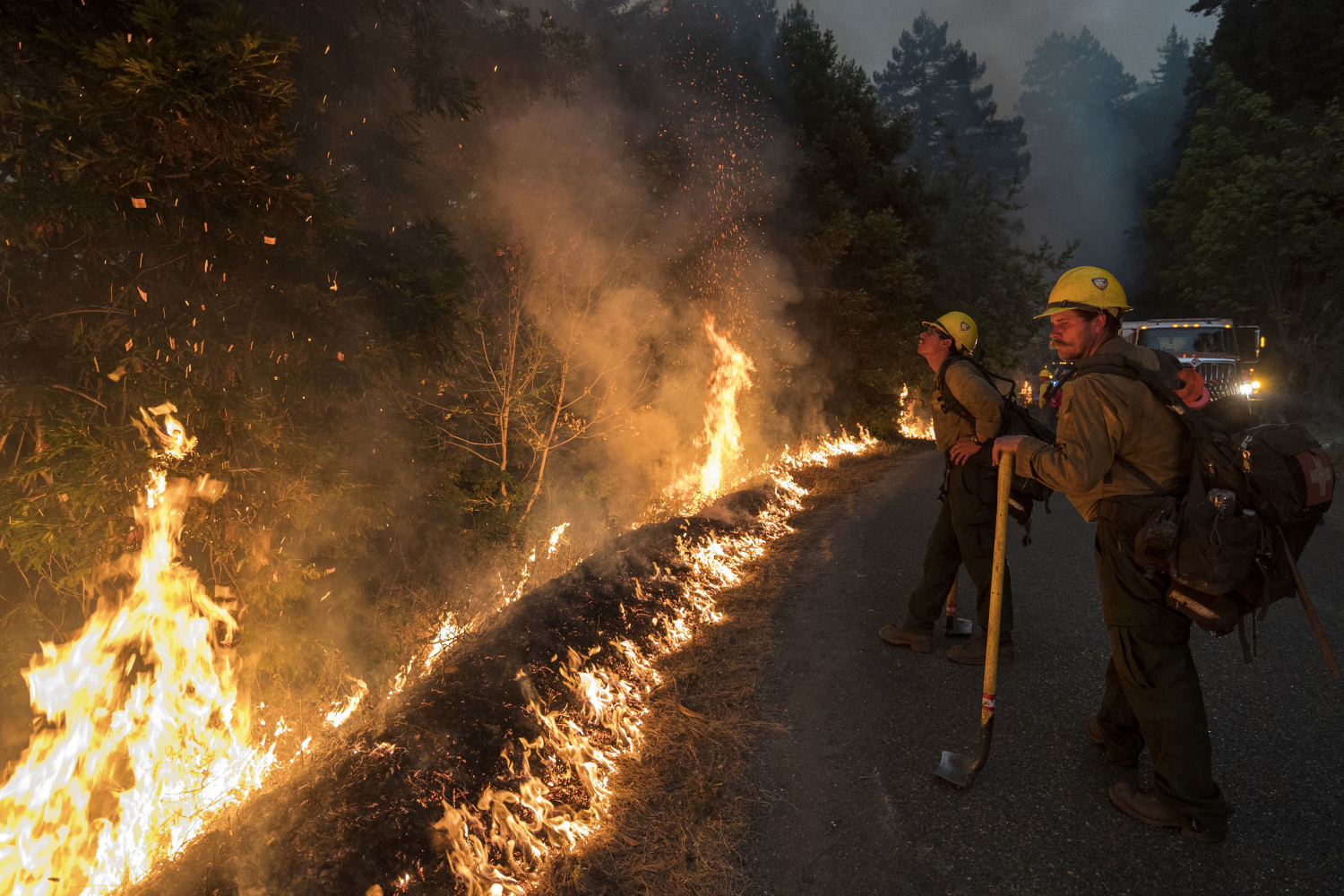
In response, utilities have implemented widespread Public Safety Power Shutoffs (PSPS) during high wind events, preemptively cutting power to millions of residents and businesses to reduce fire risk. While necessary for safety, these shutoffs can disrupt daily life, impact travel plans, and affect accommodations, especially for those reliant on electricity for cooling, heating, or medical devices. The challenge lies in modernizing infrastructure, hardening grids against extreme weather, and undergrounding power lines where feasible – massive undertakings with significant financial implications, ultimately impacting residents and the operating costs of businesses, including hotels and resorts, throughout the state.
The Devastating Impact on California’s Travel and Tourism
The relentless cycle of wildfires in California has profound and far-reaching implications for the state’s vibrant travel and tourism sector. This industry, which encompasses everything from world-class hotels and resorts to family-run B&Bs, popular attractions, and guided tours, relies heavily on California’s pristine natural beauty and its reputation as a safe, desirable destination. When fires rage, this intricate ecosystem of experiences and services is severely tested.
Disrupted Destinations and Landmark Closures
Wildfires frequently force the closure of iconic landmarks, National Parks, and beloved tourist destinations, disrupting travel itineraries and impacting visitor experiences. Areas like Yosemite National Park, Big Sur, and sections of the Lake Tahoe basin have all experienced temporary closures or reduced access due to active fires, smoke, or damage. When these natural wonders are inaccessible, travelers often cancel or reroute their trips, leading to significant revenue losses for the surrounding communities that depend on tourism. The fires don’t just affect the immediate area; dense smoke plumes can travel hundreds of miles, impacting air quality in major cities like San Francisco or Los Angeles, deterring visitors even from distant attractions like Disneyland Resort or Hollywood due to health concerns or simply a diminished sense of enjoyment. These closures are not just about safety; they reflect an acute loss of the very experiences California is famous for, from hiking among giant sequoias in Sequoia National Park to wine tasting in Napa Valley.
Accommodation and Travel Logistics in Crisis
The impact on accommodation and travel logistics is immediate and severe. Hotels, resorts, apartments, and villas in affected areas face mass cancellations and empty rooms. Even properties outside the direct fire zones can suffer from proximity-related concerns or general public apprehension. For destinations like Palm Springs or San Diego, which might be far from active fires, the perception of a “state on fire” can still deter visitors. Beyond cancellations, accommodation providers in safer zones may suddenly find themselves overwhelmed, providing shelter for evacuees, firefighters, and emergency personnel, shifting their usual operations from leisure-focused tourism to humanitarian support. This can also lead to price surges or shortages for regular travelers seeking alternatives.
Furthermore, transportation networks are often compromised. Road closures are common, redirecting traffic, extending travel times, and making it challenging for tourists to reach their destinations. Airlines might face delays or cancellations due to smoke-filled skies, impacting both domestic and international visitors. These logistical nightmares transform planned vacations into stressful ordeals, damaging California’s reputation as a seamless travel destination. The financial toll on businesses, from small family-owned inns to large international hotel chains, can be catastrophic, leading to layoffs and long-term economic instability.
Economic Repercussions and Community Resilience
The economic ripple effect of wildfires extends far beyond the immediate losses in tourism revenue. Local businesses, from restaurants and gift shops to tour operators and cultural attractions, see a drastic reduction in patronage. This directly impacts the livelihoods of countless individuals and entire communities, particularly those in rural areas heavily reliant on seasonal tourism. Post-fire, the challenge of rebuilding is immense, not just physically, but economically. Infrastructure needs to be repaired, natural landscapes restored, and visitor confidence rebuilt. Many communities, however, demonstrate remarkable resilience. Efforts to promote “re-discovery” tourism after fires, highlighting areas that are safe and open for business, become vital. Local tourism boards work tirelessly to communicate accurate information, dispel myths, and encourage visitors to return, emphasizing the importance of their support in the recovery process. This collective spirit of rebuilding and adapting is a testament to the enduring appeal of California and its people.
Navigating California Safely: Tips for Travelers
For those planning to visit California, understanding the risks associated with wildfires and adopting responsible travel practices is key to ensuring a safe and enjoyable experience. While the threat is real, it doesn’t mean forsaking the beauty of the Golden State; rather, it calls for informed decision-making and preparedness.
Staying Informed and Prepared
The first and most critical step for any traveler to California is to stay informed. Before and during your trip, regularly check official sources for wildfire updates. Websites for the California Department of Forestry and Fire Protection (CAL FIRE), the National Park Service, and local county emergency services provide real-time information on active fires, evacuation orders, road closures, and air quality advisories. Apps like AirNow.gov can provide crucial air quality data, which is essential for travelers with respiratory conditions.
If traveling to an area prone to wildfires, research potential evacuation routes and familiarize yourself with local emergency protocols. Keep your phone charged, and consider carrying a portable power bank. Pack an emergency kit in your vehicle, including water, snacks, a first-aid kit, and any necessary medications. When booking accommodations, inquire about their fire safety plans and consider travel insurance that covers natural disaster-related cancellations or disruptions. Being prepared reduces anxiety and enables swift, safe action if an emergency arises.
Responsible Tourism in Fire-Prone Areas
Responsible tourism goes hand-in-hand with safety. When exploring California’s natural wonders, especially during dry seasons, travelers must adhere strictly to fire prevention guidelines. This includes:
- Campfire Safety: Only build campfires in designated areas, ensure they are fully extinguished before leaving, and always check current fire restrictions or bans. Many National Forests and State Parks implement strict “no campfire” rules during high fire danger periods.
- Vehicle Awareness: Avoid parking hot vehicles on dry grass. Sparks from catalytic converters can easily ignite vegetation. Ensure your vehicle is well-maintained to prevent mechanical failures that could cause sparks.
- Equipment Use: Be cautious with any equipment that could generate sparks, such as portable stoves or generators. Follow all manufacturer guidelines and local regulations.
- Smoking: Never discard cigarettes or smoking materials outdoors. Use designated receptacles or pack them out safely.
- Leave No Trace Principles: Beyond fire safety, practice general Leave No Trace principles to minimize your environmental impact and preserve California’s natural beauty for future generations.
By embracing these responsible practices, visitors not only protect themselves but also contribute to the broader efforts to mitigate wildfire risks, ensuring that California remains a welcoming and beautiful destination for years to come.
Looking Ahead: Prevention, Adaptation, and Sustainable Tourism
The recurring nature of California’s wildfires demands a proactive and multi-faceted approach, not just in terms of suppression but fundamentally in prevention, adaptation, and the re-evaluation of sustainable tourism practices. The question of “who started the fire” broadens to “how do we prevent the next one?” and “how do we live and thrive amidst this new reality?”
Innovative Solutions and Policy Changes
Addressing the wildfire crisis requires significant investment in innovative solutions and robust policy changes. This includes advanced fire detection technologies, such as satellite monitoring and AI-powered sensor networks, which can identify new ignitions faster, allowing for quicker response times. Improved forest management practices, including prescribed burns, strategic thinning of overgrown forests, and the creation of defensible spaces around communities, are crucial to reducing fuel loads. Communities are also investing in fire-resistant building materials and zoning regulations that limit development in high-risk areas.
Utility companies are under immense pressure to modernize their infrastructure, including undergrounding power lines in vulnerable areas, upgrading equipment, and enhancing vegetation management around their grids. While expensive and time-consuming, these efforts are vital to eliminate a significant source of accidental ignitions. Policy initiatives at the state and federal levels are supporting these changes, often through increased funding for fire preparedness, research, and community resilience programs. These efforts aim to make both residents and visitors safer and to protect California’s invaluable natural and cultural landmarks.
The Role of Climate Change
Undeniably, the underlying context for California’s escalating wildfire problem is climate change. Rising global temperatures lead to prolonged droughts, earlier snowmelt, and hotter, drier conditions that transform vast expanses of vegetation into highly flammable fuel. The frequency and intensity of extreme weather events, including high winds, are also influenced by a changing climate, further exacerbating fire spread. While pinpointing the exact cause of any single fire remains important, recognizing the macro-level contribution of climate change is essential for long-term solutions. This understanding necessitates broader strategies beyond fire suppression, focusing on reducing greenhouse gas emissions, investing in renewable energy, and supporting global efforts to mitigate climate impacts. For the tourism sector, this means embracing sustainable practices that reduce carbon footprints, promoting eco-friendly travel options, and educating visitors about environmental stewardship.
Rebuilding and Re-envisioning California Tourism
In the wake of devastating fires, communities face the daunting task of rebuilding, a process that extends beyond physical structures to the very fabric of their tourism economies. Re-envisioning California tourism involves promoting areas that are safe and open, highlighting the resilience of local businesses, and supporting recovery efforts. This might include targeted marketing campaigns to encourage visitors back to regions like Sonoma County or Redding after they’ve been impacted, or promoting unique cultural experiences that are less susceptible to fire threats.
Furthermore, the focus is shifting towards developing more resilient and sustainable tourism models. This could mean diversifying attractions beyond natural landscapes that are vulnerable to fire, investing in indoor cultural experiences, or promoting off-season travel when fire risks are lower. Accommodation providers are also adapting, implementing stricter fire safety protocols, investing in fire-resistant landscaping, and communicating more transparently with guests about potential risks and evacuation procedures. The goal is to ensure that California remains a premier destination, one that learns from its challenges and continues to offer unforgettable experiences while prioritizing the safety and well-being of its visitors and communities.
The question “Who started the fire in California?” reveals a complex tapestry of natural forces, human actions, and systemic vulnerabilities. While specific ignitions can be attributed to lightning, negligence, arson, or utility equipment, the broader narrative is one of a state grappling with heightened fire risk in an era of climate change. For travelers, understanding these origins is not just academic; it’s fundamental to safe and responsible exploration of the Golden State’s unparalleled beauty. By staying informed, practicing vigilance, and supporting communities in their recovery and prevention efforts, visitors can play a vital role in ensuring that California’s allure endures, safeguarding its landmarks, accommodations, and unique lifestyle experiences for generations to come. The journey towards a fire-resilient California is ongoing, a testament to collective responsibility and an unwavering commitment to protect this extraordinary place.
LifeOutOfTheBox is a participant in the Amazon Services LLC Associates Program, an affiliate advertising program designed to provide a means for sites to earn advertising fees by advertising and linking to Amazon.com. Amazon, the Amazon logo, AmazonSupply, and the AmazonSupply logo are trademarks of Amazon.com, Inc. or its affiliates. As an Amazon Associate we earn affiliate commissions from qualifying purchases.