
The rhythmic chug of a train, the melancholic beauty of a journey through the heartland, and the vibrant destination at the end of the line — these images are indelibly etched into the collective consciousness by the iconic song, “City of New Orleans”. More than just a tune, it’s a narrative, a historical snapshot, and a wistful ode to a vanishing way of life. For countless travelers, the song serves as a perfect soundtrack to road trips and rail adventures, evoking a sense of wanderlust and nostalgia. Given its widespread popularity and numerous renditions by legendary artists, a common question arises: who exactly penned this enduring classic? The answer takes us on a journey through American folk music, heartfelt inspiration, and the remarkable careers of the artists who brought it to life.
This ballad isn’t just about a train; it’s about the soul of travel, the connections made along the way, and the allure of unique destinations. It speaks to the core themes of exploration and discovery that define the travel experience, perfectly aligning with the spirit of exploring new locales, understanding local culture, and appreciating the history embedded in every landmark.
The Lyrical Journey: Exploring the “City of New Orleans”
The song’s power lies in its vivid storytelling, painting a picture of an overnight train trip from Chicago to New Orleans. It captures the essence of rail travel, focusing on the diverse passengers, the landscapes flashing by, and the poignant sense of the train’s journey as a metaphor for life itself. It laments the decline of passenger rail, a sentiment that resonated deeply during a time when air travel was rapidly overshadowing train journeys. This emotional depth is what elevates “City of New Orleans” beyond a simple travelogue, turning it into a timeless piece of Americana.
A Ballad of the Rails: The Inspiration Behind the Song
The inspiration for this timeless track came directly from a personal experience. Its true author, Steve Goodman, embarked on a journey aboard the Illinois Central Railroad‘s train, also named “City of New Orleans.” This train service was renowned for connecting the Midwest to the vibrant Gulf Coast, a lifeline for many and a symbol of passage. Goodman, a Chicago-born folk singer, took this trip in the early 1970s. He noticed the stark reality of the train, which despite its storied past and romantic appeal, was struggling financially and facing potential discontinuation.
The observation of a diverse passenger mix — from “mothers with their babes asleep” to “gamblers and good-time girls” — and the fading glory of the journey deeply moved him. He saw it as a microcosm of America, a blend of different lives converging, however briefly, on a shared path. The train became more than just transportation; it was a character in itself, carrying the hopes and dreams, the weariness and excitement, of its passengers. This personal encounter with a slice of American history fueled his creative fire, leading him to craft the lyrics that would immortalize this particular rail journey.
The Train That Sparked a Classic
The “City of New Orleans” train itself holds a significant place in American transportation history. It was one of the premier services operated by the Illinois Central Railroad, running a daily overnight service between Chicago and New Orleans, covering approximately 926 miles. It was a counterpart to the Panama Limited, another famous Illinois Central train. The song pays homage to this mode of travel, touching on its rhythm and the unique community it fostered.
Today, while the original Illinois Central Railroad no longer exists, the route is still served by Amtrak, also under the name “City of New Orleans.” This enduring service allows modern travelers to experience a similar journey, retracing the path immortalized in the song. For those interested in sustainable travel and authentic experiences, a train trip on this route offers a tangible connection to the past, embodying the very spirit Goodman captured. It’s a chance to witness the changing landscapes, from the farmlands of Illinois to the bayous of Louisiana, just as generations of travelers have done before.
Steve Goodman: The Original Visionary
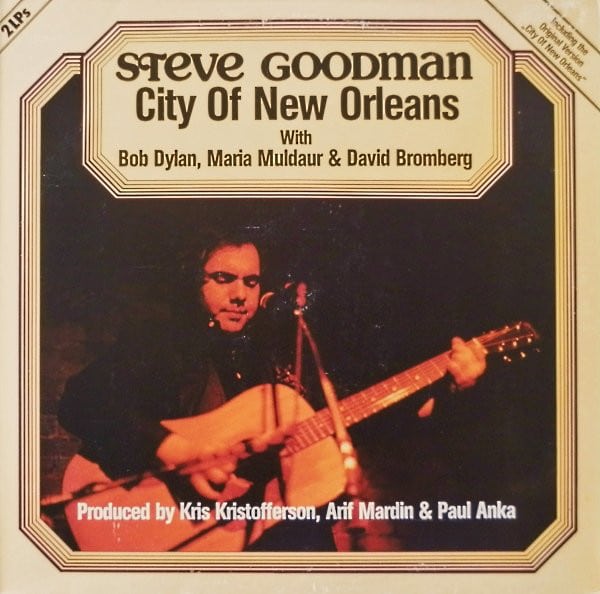
The creative force behind “City of New Orleans” was a singer-songwriter named Steve Goodman. Born in Chicago in 1948, Goodman was a prolific and highly respected musician within the folk community, known for his witty lyrics, engaging stage presence, and keen observational skills. His career, though tragically cut short, left an indelible mark on American music.
A Chicago Story: Goodman’s Early Career and Influences
Steve Goodman’s musical journey began in the vibrant folk scene of Chicago. He honed his craft in local clubs, developing a reputation as a masterful songwriter and performer. His influences ranged from traditional folk music to country and blues, all of which infused his unique style. Goodman had a knack for weaving compelling narratives into his songs, often combining humor with poignant social commentary. His talents quickly garnered the attention of established artists, laying the groundwork for his eventual breakthrough. He often performed alongside fellow Chicago folk legends, contributing to the city’s rich musical tapestry that attracted aspiring artists and avid listeners alike. Goodman attended the University of Illinois, where his early musical talents blossomed, setting the stage for his eventual impact on the national folk scene.
Crafting the Masterpiece: Goodman’s Creative Process
Upon returning from his transformative train journey, Steve Goodman quickly set about turning his observations into song. He meticulously crafted the lyrics, paying close attention to detail, from the “rattle and the roll” of the train to the iconic line “Good morning, America, how are ya?” His songwriting process was known for its authenticity and ability to capture the human experience. Despite its eventual global fame, Goodman’s version of “City of New Orleans” wasn’t an immediate smash hit for him. He first released it on his self-titled debut album in 1971. However, the song’s intrinsic quality and profound message soon caught the ear of a fellow folk musician who would catapult it into widespread recognition.
Arlo Guthrie and the Song’s Ascent to Stardom
While Steve Goodman was the song’s brilliant architect, it was another folk icon, Arlo Guthrie, who introduced “City of New Orleans” to a much broader audience, transforming it into the beloved anthem it is today. Their collaboration is a testament to the collaborative spirit often found within the folk music community.
From Friend to Folk Icon: Guthrie’s Role in Popularity
The story of how Arlo Guthrie came to record “City of New Orleans” is a legendary tale in folk circles. Steve Goodman, eager for his song to gain wider exposure, famously approached Guthrie at a Chicago club. He insisted on playing the song for Guthrie, who was initially reluctant but eventually captivated by its beauty and narrative power. Guthrie was so impressed that he decided to record it for his 1972 album, Hobo’s Lullaby.
Guthrie’s rendition brought a new level of warmth and accessibility to the song. His distinctive vocal style, coupled with the song’s universal themes of travel, nostalgia, and the passage of time, resonated deeply with listeners. Coming from a lineage of folk legends, as the son of Woody Guthrie, Arlo Guthrie had a natural platform and credibility that helped propel the song into the mainstream. His version became a Top 20 hit on the Billboard Hot 100, marking the song’s breakthrough into popular culture.

The Wider Impact: Chart Success and Cultural Significance
Arlo Guthrie’s recording transformed “City of New Orleans” into an instant classic. Its commercial success solidified its place in American folk music and broadened its appeal far beyond the genre’s traditional boundaries. The song struck a chord with a nation that was grappling with environmental concerns, the decline of traditional industries, and a longing for simpler times. It became an unofficial anthem for rail enthusiasts and a poignant reminder of the romanticism of train travel.
The song’s popularity was further amplified by its airplay on radio stations across the country and its frequent inclusion in folk music festivals. It not only highlighted the genius of Steve Goodman as a songwriter but also underscored the enduring power of storytelling through music. Its themes of transience, human connection, and the beauty of the American landscape made it a beloved piece that transcended generations, influencing subsequent artists and solidifying its spot in the cultural lexicon. The song’s cultural footprint was immense, extending into various media, further enhancing its status as an iconic piece of American heritage.
A Legacy Across Genres and Generations
The journey of “City of New Orleans” didn’t stop with Arlo Guthrie’s success. The song’s compelling narrative and beautiful melody made it ripe for interpretation across various genres, ensuring its longevity and expanding its reach to an even wider global audience.
John Denver’s Iconic Rendition and Beyond
Perhaps the most famous and commercially successful rendition of “City of New Orleans” came from the beloved singer-songwriter John Denver. In 1984, John Denver released his version, which became a number one hit on the country charts and earned him a Grammy Award for Best Country Vocal Performance, Male, in 1985. Denver’s clear vocals and wholesome image perfectly complemented the song’s nostalgic and heartfelt tone, introducing it to a new generation of listeners and solidifying its status as a crossover hit.
Beyond John Denver, the song has been covered by an astonishing array of artists across different genres, including country legends like Willie Nelson and Johnny Cash, as well as Jerry Garcia of The Grateful Dead, Chet Atkins, and many others. Each artist brought their unique interpretation, further cementing the song’s versatility and timeless appeal. The constant reinvention of the song speaks volumes about its foundational strength as a piece of musical artistry.
Enduring Appeal: Why the Song Resonates Today
The enduring appeal of “City of New Orleans” lies in its universal themes and its ability to evoke a powerful sense of place and emotion. It’s a tribute to the romance of train travel, a mode of transportation that, while perhaps less common than flying, still holds a special charm for travelers seeking a slower, more immersive journey.
For those planning a trip to New Orleans, the song serves as an evocative prelude. It paints a picture of the city’s unique charm, a destination renowned for its rich local culture, vibrant music scene, and unparalleled culinary delights. The city itself is a landmark, a living museum of history, architecture, and spirit. From the historic ironwork balconies of the French Quarter and the lively jazz clubs of Frenchmen Street to the serene beauty of the Garden District, New Orleans is a city that captures the imagination.
Visitors can immerse themselves in the sounds of jazz at Preservation Hall, savor a café au lait and beignets at Cafe Du Monde overlooking Jackson Square and St. Louis Cathedral, or explore the spirited energy of Bourbon Street. Beyond the famous Mardi Gras and Jazz Fest, the city offers year-round attractions like the National WWII Museum, family-friendly fun at the Louisiana Children’s Museum, and the expansive green spaces of Audubon Park and City Park.
For accommodation, New Orleans boasts an array of options, from luxury resorts to charming boutique hotels, catering to every lifestyle. Esteemed establishments like The Roosevelt New Orleans, Hotel Monteleone, Omni Royal Orleans Hotel, Ritz-Carlton, New Orleans, and Windsor Court Hotel offer exquisite stays, blending historic elegance with modern amenities. For those seeking a unique experience, properties like The Old No. 77 Hotel & Chandlery and International House Hotel provide distinctive boutique charm, while Harrah’s New Orleans combines entertainment with luxury lodging.
The song’s connection to travel and tourism is profound. It encourages listeners to look beyond the destination and appreciate the journey itself, a philosophy central to enriching travel experiences. It reminds us that every trip, whether by train, plane, or car, is an opportunity for observation, reflection, and connection – not just with new places, but with the fellow travelers we encounter along the way. The legacy of Steve Goodman’s masterpiece continues to inspire wanderlust and a deep appreciation for the beauty of American landscapes and the vibrant cultures found within its cities. His poignant lyrics, originally brought to wider acclaim by Arlo Guthrie and later by John Denver, ensure that the spirit of the “City of New Orleans” train and the city it reaches will continue to captivate hearts for generations to come. The song even received a Grammy Award and was added to the National Recording Registry, cementing its place in America’s cultural heritage.
In conclusion, while many famous artists have sung “City of New Orleans”, the credit for its heartfelt creation belongs solely to Steve Goodman. His talent for weaving a narrative that captured the essence of American travel and the human spirit ensures his legacy as a songwriting genius, whose work continues to resonate with travelers and music lovers around the world.