
The iconic song “New York, New York,” forever etched into the sonic tapestry of the Big Apple, is more than just a catchy tune; it’s a powerful anthem that evokes the spirit, ambition, and allure of the city itself. Its stirring melody and evocative lyrics have resonated with millions, becoming synonymous with dreams of success and the magnetic pull of urban life. But behind the enduring popularity of this classic lies a fascinating story of creative collaboration, artistic evolution, and the very essence of what makes New York City so unforgettable. Understanding who penned this beloved song offers a richer appreciation for its cultural significance and its place in the pantheon of American music.

The song’s journey from concept to iconic status is a testament to the power of talent and perseverance. While it’s often associated with the legendary Frank Sinatra, his role was primarily as the definitive interpreter, bringing the song to unparalleled heights of fame. The true architects of “New York, New York” are the master lyricist and composer who breathed life into its unforgettable melody and poignant words.
The Masterminds Behind the Melody: Kander and Ebb
The creative force behind “New York, New York” is the formidable songwriting duo of John Kander and Fred Ebb. Their prolific partnership, spanning decades, produced a string of Broadway hits and enduring popular songs that have shaped the landscape of American musical theater and popular music.
John Kander: The Musical Architect
John Kander, born in Kansas City, Missouri, is the composer responsible for the indelible musical score of “New York, New York.” His ability to craft melodies that are both sophisticated and instantly memorable is a hallmark of his work. Kander’s compositions are characterized by their emotional depth, their dramatic flair, and their inherent theatricality, making them perfectly suited for the stage and beyond. He studied music at the Oberlin Conservatory of Music and later at Columbia University, honing his skills under renowned composers. His musical language in “New York, New York” is characterized by its sweeping grandeur, its moments of introspective melancholy, and its triumphant crescendos, all designed to capture the vastness and dynamism of the city it celebrates. The song’s chord progressions and harmonic structure are sophisticated, yet accessible, allowing the emotional weight of the lyrics to shine through.
Fred Ebb: The Wordsmith of Urban Dreams
Fred Ebb, born in New York City, was the lyricist who penned the evocative words that paint a vivid picture of the city’s allure and its challenges. Ebb was a master of witty, insightful, and often deeply poignant lyrics. His words in “New York, New York” capture the essence of the city’s promise – the idea that if one can make it there, they can make it anywhere. He possessed a unique talent for distilling complex emotions and universal aspirations into concise, powerful phrases. Ebb, who attended New York University and Columbia University, often drew inspiration from the urban environment and the human condition, infusing his lyrics with a blend of optimism and gritty realism. His exploration of ambition, struggle, and the unyielding spirit of the city is what gives the song its enduring resonance.
Together, Kander and Ebb formed one of the most successful and celebrated songwriting partnerships in American history, creating a catalog of work that includes classics like “Cabaret,” “Chicago,” and “Kiss of the Spider Woman.” Their collaboration on “New York, New York” proved to be one of their most impactful creations.
The Birth of an Anthem: From Stage to Screen
“New York, New York” was not initially conceived as a standalone hit but rather as a pivotal number for a Broadway musical. Its journey to becoming a global phenomenon is a story of strategic placement and iconic performance.
The Act and the Original Vision
The song was first introduced in the 1977 film The Act, a biographical musical drama that followed the life of a vaudeville entertainer. While the film itself received mixed reviews, Kander and Ebb’s score, and particularly the song “New York, New York,” stood out. In the film, the song is performed by Liza Minnelli, who played the lead role. The original context of the song within the narrative was less about a personal declaration of ambition in the grandest sense and more about the protagonist’s connection to the city that shaped her. The lyrics, even in their initial form, hinted at the universal appeal of New York City as a place of both opportunity and heartbreak. The orchestral arrangement in the film version was more subtle, reflecting the stage presentation.
The Sinatra Effect: Elevating to Iconography
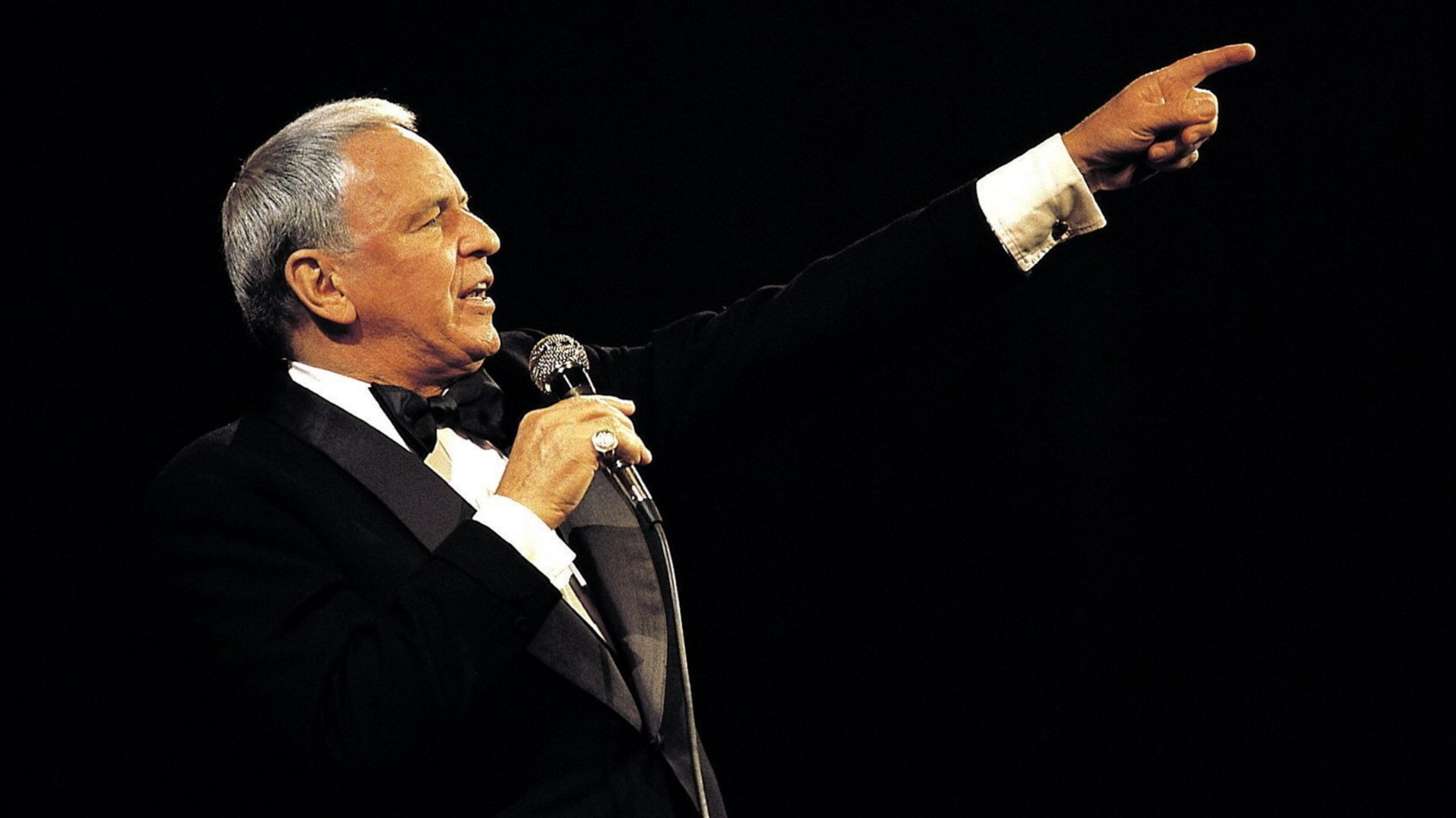
While Liza Minnelli’s performance was powerful, it was Frank Sinatra’s rendition, released in 1979, that truly cemented “New York, New York” as an enduring anthem. Sinatra, a titan of 20th-century music and a proud New Yorker himself, brought his signature vocal power, emotional depth, and dramatic interpretation to the song. His recording, featuring a more bombastic arrangement by Don Costa, transformed the song from a musical highlight into a cultural touchstone. Sinatra’s performance captured the song’s inherent drama and aspirational spirit, making it a rallying cry for anyone who ever dreamt of conquering the city. His version became the definitive one, played at sporting events, political rallies, and celebrations across the globe, solidifying its status as a modern-day standard. The soaring brass, the emphatic drumbeats, and Sinatra’s gravelly, yet impassioned, delivery created a sound that is unmistakably tied to the grandiosity of the city itself.
The Enduring Legacy of “New York, New York”
The impact of “New York, New York” extends far beyond its musical merit. It has become an integral part of the city’s identity and a symbol of aspiration for people worldwide.
A Symphony of Urban Ambition
The lyrics of “New York, New York” eloquently capture the duality of urban life: the relentless pursuit of dreams and the inherent struggles that come with it. Lines like “Start spreading the news, I’m leaving today” and “I want to wake up in a city that doesn’t sleep” speak to the magnetic pull of New York City as a place where anything is possible. The song’s narrative arc, from the initial declaration of intent to the unwavering conviction of success, mirrors the journey of countless individuals who have flocked to the city seeking fame, fortune, or simply a place to belong. The phrase “If I can make it there, I’ll make it anywhere” has become a mantra for ambition, resonating with people far beyond the five boroughs. This sentiment of universal applicability is a key reason for the song’s global reach, making it more than just a song about New York but a song about the human desire to achieve the extraordinary.

A Cultural Touchstone for New York City
“New York, New York” is inextricably linked to the image and spirit of New York City. It has been adopted as an unofficial anthem, often played at significant events and celebrations, from ticker-tape parades to New Year’s Eve in Times Square. The song’s association with landmarks like the Empire State Building and the vibrant energy of neighborhoods like Harlem further solidifies its place in the city’s cultural landscape. It has become a soundtrack for the quintessential New York experience, evoking a sense of nostalgia, pride, and excitement. Its presence at events like the closing ceremonies of the Special Olympics underscores its unifying power and its ability to inspire collective emotion. The song’s ability to evoke such strong feelings about the city has made it a constant presence in media, from films and television shows to advertisements, ensuring its continued relevance for generations to come. The music and lyrics together create a powerful sensory experience that transports listeners directly to the heart of the city, regardless of their physical location.
LifeOutOfTheBox is a participant in the Amazon Services LLC Associates Program, an affiliate advertising program designed to provide a means for sites to earn advertising fees by advertising and linking to Amazon.com. Amazon, the Amazon logo, AmazonSupply, and the AmazonSupply logo are trademarks of Amazon.com, Inc. or its affiliates. As an Amazon Associate we earn affiliate commissions from qualifying purchases.