
The role of the California Governor is a pivotal one, not just for the state’s residents but also for its significant influence on national policy and its status as a global hub for innovation and culture. Understanding who holds this office is crucial for anyone interested in California’s trajectory, its economic drivers, and its impact on various sectors, including tourism, technology, and entertainment. The Governor of California serves as the chief executive of the state, wielding considerable power over legislation, state budgets, and the appointment of key officials. This position is often seen as a stepping stone to higher national office, making its occupant a subject of keen interest for political observers and those who engage with the state’s diverse offerings, from the sun-drenched beaches of Southern California to the redwood forests of the north.
The Current Occupant and Their Mandate
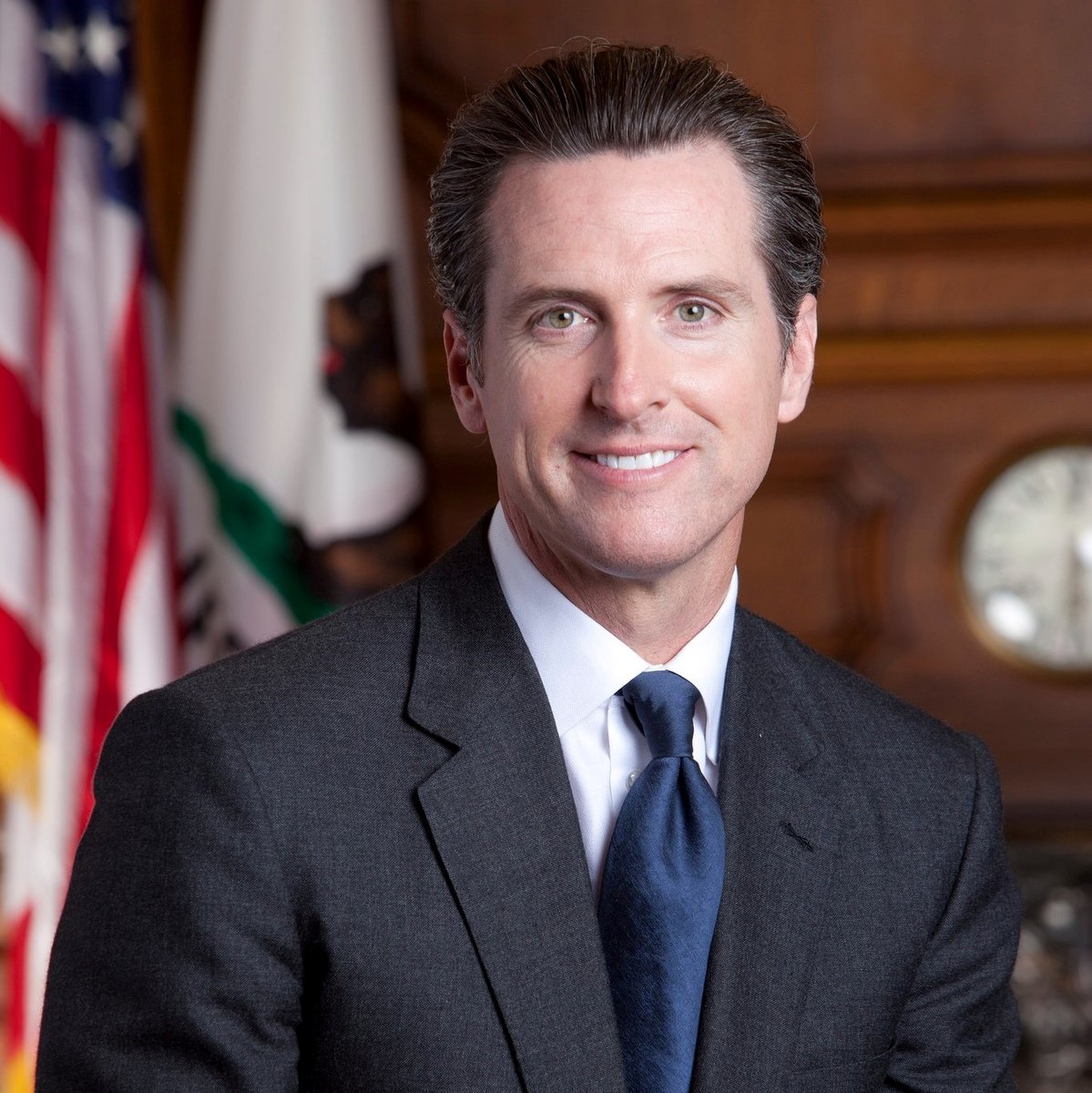
The current Governor of California is Gavin Newsom. He assumed office in January 2019, following a distinguished career in public service. Prior to becoming Governor, Newsom served as the Lieutenant Governor of California from 2011 to 2019. His prior experience also includes serving as the Mayor of San Francisco from 2004 to 2011, a period marked by significant policy initiatives and a growing national profile. His mandate as Governor encompasses a wide range of responsibilities, from addressing California’s pressing economic and social issues to championing initiatives related to climate change, healthcare, and education. His administration’s policies have a direct impact on the state’s business climate, its environmental regulations, and its appeal as a destination for travelers, businesses, and residents alike.
Policy Priorities and Their Impact on Tourism
Gavin Newsom’s policy priorities are far-reaching and often have a ripple effect on the state’s vibrant tourism industry. For instance, his administration’s focus on environmental protection and conservation efforts directly influences the preservation of California’s iconic natural landmarks, such as Yosemite National Park and Joshua Tree National Park. These protected areas are vital draws for both domestic and international tourists, contributing significantly to local economies. Furthermore, his initiatives in areas like public transportation and infrastructure development can improve accessibility to various tourist destinations across the state, from the bustling streets of Los Angeles to the wine regions of Napa Valley. The Governor’s stance on issues such as affordable housing and the hospitality sector can also indirectly affect the availability and pricing of accommodation options, from luxury resorts in Palm Springs to boutique hotels in San Diego.
Economic Development and Business Environment
The economic policies enacted under the Governor’s leadership are critical for California’s status as an economic powerhouse. Newsom’s administration has focused on fostering innovation, supporting small businesses, and attracting investment in key sectors like technology, clean energy, and entertainment. These efforts translate into a dynamic business environment that often sees new ventures opening in cities like San Francisco and San Jose, creating jobs and boosting economic activity. For travelers, this translates into a more robust and diverse range of experiences, from world-class dining in Napa Valley to cutting-edge entertainment productions in Hollywood. The Governor’s approach to taxation, regulation, and workforce development directly shapes the state’s appeal for businesses, which in turn influences the overall economic vitality that makes California such an attractive place to visit and explore.
The Historical Context of the California Governorship
The office of the Governor of California boasts a rich history, with a succession of leaders who have shaped the state’s destiny. From the early days of statehood to the present, governors have navigated periods of immense growth, significant challenges, and transformative change. Understanding the historical context of the governorship provides valuable insight into the evolution of California as a political, economic, and cultural entity. Each governor has left their mark, influencing everything from the development of its infrastructure to its progressive social policies. The office has been held by individuals from diverse backgrounds, reflecting the state’s multicultural fabric and its dynamic political landscape.

Notable Former Governors and Their Legacies
California has been led by numerous influential figures throughout its history, each contributing to the state’s unique identity. Among the most prominent former governors are Ronald Reagan, whose tenure saw significant economic reforms, and Arnold Schwarzenegger, who focused on environmental issues and economic development. Jerry Brown, who served four terms as governor across different eras, is recognized for his pragmatic approach to governance and his long-standing commitment to environmental sustainability. These leaders, among others, have left indelible legacies that continue to shape California’s policy and its perception on the national and international stage. Their decisions have impacted everything from the state’s infrastructure, including iconic projects like the Golden Gate Bridge, to its cultural institutions and its role in technological advancement.
The Governorship as a National Platform
The Governor of California commands a national platform due to the state’s immense population, economic clout, and cultural influence. California is the most populous state in the United States, and its economy rivals that of many countries. Consequently, the Governor’s pronouncements on national issues, such as immigration, climate policy, and technology regulation, carry significant weight. This prominent position allows governors to advocate for California’s interests on a national level and to shape the broader political discourse. This, in turn, can influence tourism trends, as national policy decisions can impact travel patterns and the perception of California as a desirable destination. The state’s diverse landscapes, from the beaches of Santa Monica to the mountains of Lake Tahoe, are often showcased on a national level, further solidifying its appeal.
The Governor’s Role in Shaping Tourist Experiences
The Governor’s office plays an indirect yet significant role in shaping the experiences of tourists visiting California. While direct management of individual attractions like Disneyland or Universal Studios Hollywood falls to private entities, the Governor’s administration influences the environment in which these attractions operate and thrive. This includes policies related to public safety, infrastructure maintenance, and marketing efforts that promote the state as a whole. The Governor’s support for arts and culture can lead to increased funding and promotion for museums, theaters, and cultural festivals across California, enriching the visitor experience.
Investment in Infrastructure and Accessibility
Effective infrastructure is the backbone of a thriving tourism industry, and the Governor’s administration is instrumental in allocating resources for its development and maintenance. This includes the upkeep and expansion of major transportation networks, such as airports in San Francisco and Los Angeles, highways, and public transit systems. Improved accessibility makes it easier for tourists to travel between cities and reach attractions, whether they are heading to the vineyards of Sonoma County or the coastal charm of Big Sur. Investments in visitor centers, signage, and digital information platforms also contribute to a smoother and more enjoyable travel experience, underscoring the Governor’s role in facilitating seamless exploration of the Golden State.
Promoting California as a Premier Destination
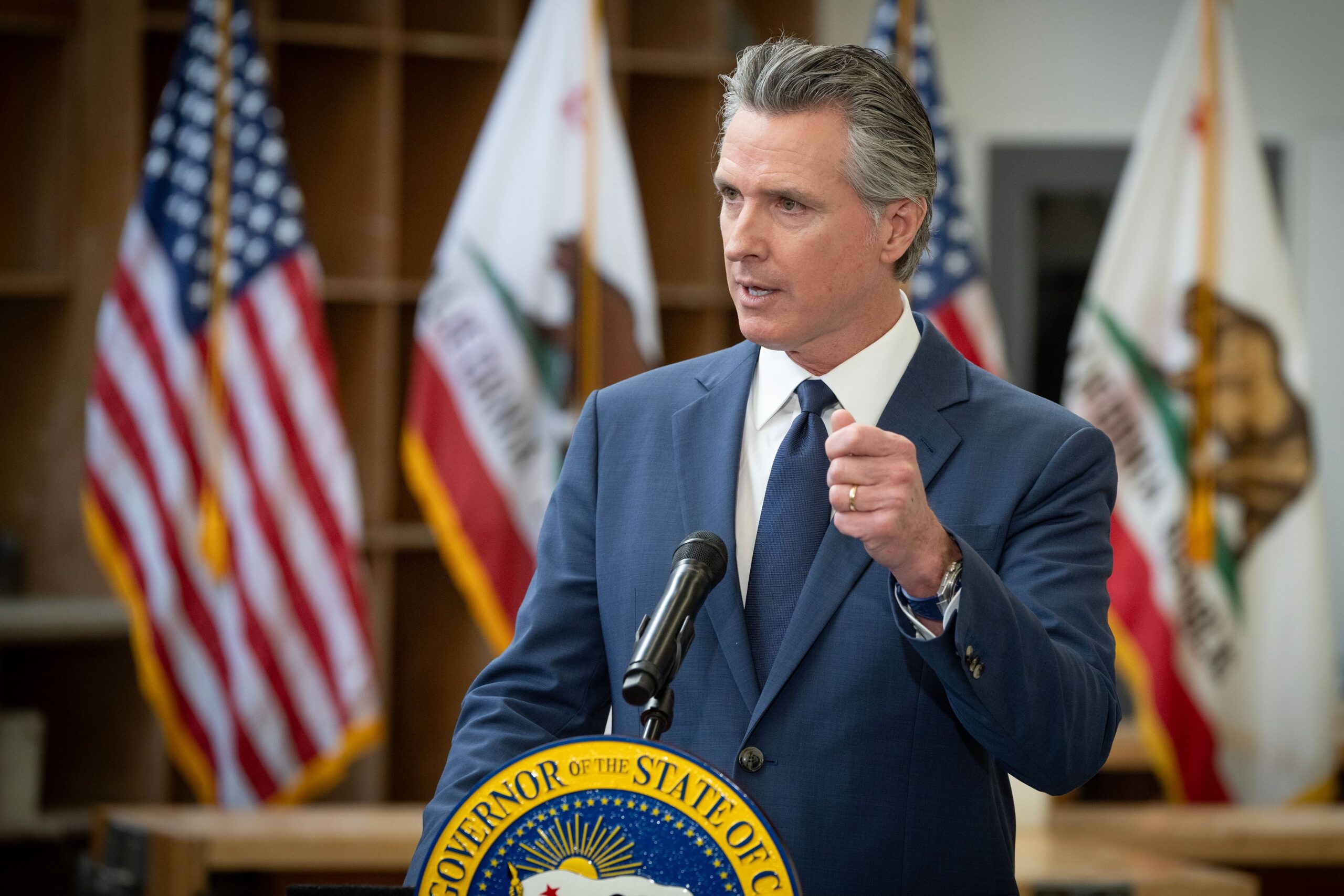
The Governor’s office, often in collaboration with tourism boards and economic development agencies, plays a crucial role in marketing California on a global scale. This involves supporting initiatives that highlight the state’s diverse attractions, from its world-renowned theme parks and beaches to its national parks and vibrant urban centers like San Diego. The Governor’s endorsement can lend significant weight to promotional campaigns, attracting international visitors and encouraging domestic travel. By fostering a positive image of California as a safe, welcoming, and exciting destination, the Governor’s administration helps to drive economic growth within the tourism sector, benefiting hotels, restaurants, and countless other businesses that cater to visitors from around the world. The appeal extends to culinary tourism, with the Governor’s focus on supporting local agriculture and diverse food scenes in cities like San Francisco enhancing the gastronomic journey for visitors.