
The roar of the crowd, the distinctive crimson jerseys, the unyielding spirit – few names in American sports evoke such a powerful image as the Alabama Crimson Tide. More than just a university sports team, it’s a cultural phenomenon, a symbol of state pride, and a testament to an enduring legacy of excellence. For anyone traveling through the heart of the Deep South, particularly to the vibrant city of Tuscaloosa, the phrase “Roll Tide!” is an inescapable greeting, a rallying cry, and a profound statement of allegiance. But where did this iconic moniker originate? The story of the Crimson Tide is a fascinating journey through early 20th-century college football, a tale spun from mud, determination, and the keen eye of a sportswriter.

Understanding the Crimson Tide is to understand a significant piece of Alabama history and identity. It transcends the athletic field, weaving itself into the fabric of local culture, influencing tourism, and shaping the lifestyle of countless residents. Whether you’re a seasoned traveler exploring America’s diverse landscapes or a sports enthusiast planning a pilgrimage to a legendary stadium, delving into the origins of this famous name offers a unique insight into a truly remarkable destination.
The Genesis of an Icon: A Muddy Battlefield and Poetic Journalism
The year was 1907. College football was a raw, visceral spectacle, a far cry from the polished, media-driven enterprise it is today. In the Deep South, rivalries burned with an intensity that bordered on legendary, none more so than between the University of Alabama and their bitter rivals from Auburn University. It was during one particularly memorable, and decidedly messy, game against Auburn that the “Crimson Tide” moniker was born.
The Muddy Battlefield of 1907
Picture the scene: a frigid November day, relentless rain transforming the playing field into a veritable swamp of red mud. The University of Alabama team, clad in their distinctive crimson jerseys, faced off against the “Tigers” of Auburn. The conditions were appalling, reducing the game to a gritty, defensive struggle. Each tackle sent sprays of crimson-stained mud into the air, and every player emerged from the pile-ups looking as if they had been dipped in a vat of clay and blood.
The game itself was a hard-fought contest, ending in a 6-6 tie, a respectable outcome for Alabama against a favored Auburn squad. However, it wasn’t the final score that would etch itself into history, but rather the vivid description penned by a local sportswriter who was there to witness the spectacle unfold.
Edwin ‘Doc’ Stare and the Birmingham Age-Herald
The man credited with coining the immortal phrase was Hugh Roberts, sports editor for the Birmingham Age-Herald. Often erroneously attributed to a writer named “Doc” Stare, it was Roberts who, in his post-game report, described Alabama’s tenacious performance against the heavily favored Auburn team. He noted how the Alabama players, in their crimson jerseys, fought with such ferocity, pushing back against their opponents in waves, appearing like a “crimson tide” as they surged forward through the rain-soaked, muddy field.
The image was immediate and powerful. “Crimson,” of course, referred to the vibrant color of their jerseys. “Tide” perfectly captured the relentless, surging, and overwhelming nature of their play, like an unstoppable force of nature. It wasn’t just a description of the game; it was a poetic encapsulation of the team’s spirit, their determination, and their ability to overcome adversity. The name resonated deeply with fans, sportswriters, and the players themselves. It was unique, evocative, and perfectly suited to the burgeoning football powerhouse. From that day forward, the “Crimson Tide” began its ascent from a mere newspaper headline to one of the most recognizable and revered nicknames in all of sports.
Beyond the Nickname: A Symbol of Excellence and Community
What began as a colorful description of a single muddy football game quickly evolved into something far grander. The “Crimson Tide” is no longer just a name; it is a brand, a tradition, and a symbol of unparalleled achievement and fervent community spirit. Its resonance extends far beyond the boundaries of Tuscaloosa and the state of Alabama, drawing visitors and fans from across the nation and even the globe.
A Legacy of Gridiron Glory
The nickname stuck because it accurately reflected the identity of the University of Alabama’s football program: a relentless, powerful force destined for greatness. Over the decades, the Crimson Tide has amassed an astonishing record of success, solidifying its place among college football’s elite. Legendary coaches have helmed the program, transforming it into a perennial contender for national championships.
Perhaps the most iconic figure in Alabama football history is Paul “Bear” Bryant, whose tenure from 1958 to 1982 saw the Crimson Tide win six national championships and thirteen SEC titles. Bryant’s stoic demeanor, houndstooth hat, and unwavering commitment to excellence became synonymous with the program. His legacy is enshrined in the very fabric of Tuscaloosa, from the stadium that bears his name to the museum dedicated to his achievements.

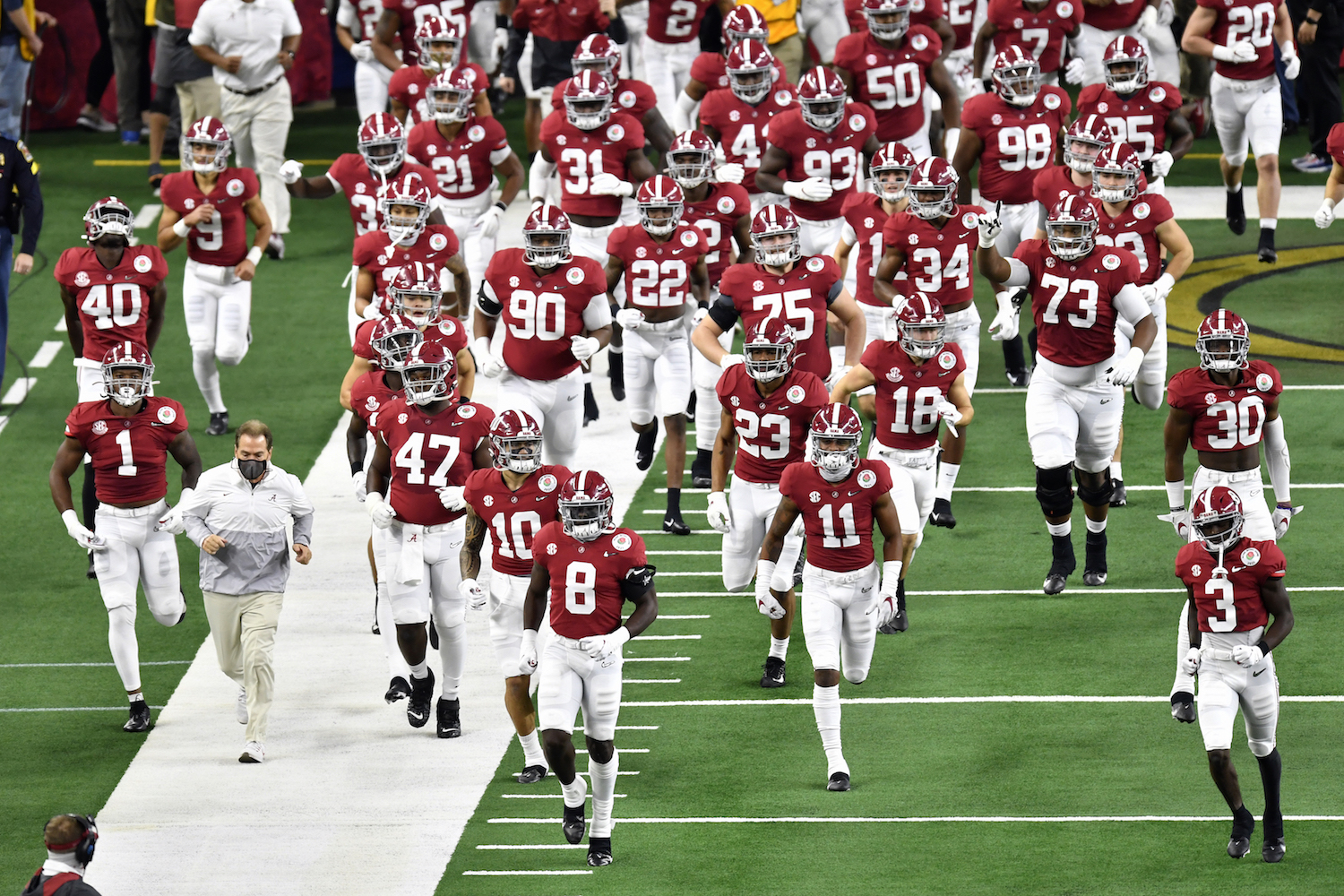
In more recent times, Nick Saban continued and even amplified this tradition of dominance. During his time from 2007 to 2023, Saban transformed Alabama into arguably the most dominant dynasty in modern college football, securing multiple national championships and etching his name alongside Bryant in the annals of coaching legends. The “tide” of success under Saban brought an unprecedented era of national attention, drawing media, fans, and prospective students to Tuscaloosa in droves. This sustained excellence reinforces the power of the “Crimson Tide” name, making it not just a reference to a team, but to a continuous wave of victories and national recognition.
The Unifying Force of Tuscaloosa
The Crimson Tide isn’t just a sports team for Tuscaloosa; it’s the heartbeat of the city and a major driver of its local culture and tourism. On game days, the city transforms into a vibrant sea of crimson and white. The economic impact is immense, with hotels fully booked, restaurants bustling, and local businesses thriving. For travelers interested in unique American experiences, a game day in Tuscaloosa offers an unparalleled immersion into Southern college football culture.
The phenomenon begins well before kickoff. Tailgating is an art form, with elaborate setups stretching for blocks around Bryant-Denny Stadium. Families, alumni, and fans gather, grilling food, playing games, and reveling in a shared sense of community. The air crackles with anticipation, camaraderie, and the ubiquitous “Roll Tide!” chant. This communal celebration is a core component of the Tuscaloosa lifestyle, especially during football season, creating an atmosphere that is both intensely local and welcoming to visitors.
For those planning a trip, experiencing a Crimson Tide game provides an authentic taste of Alabama’s passion. It’s a chance to witness how a single sports team can unify an entire state, transcending demographic lines and fostering a profound sense of shared identity. This cultural tapestry, woven with threads of tradition, loyalty, and competitive spirit, makes Tuscaloosa an intriguing destination for any traveler looking to understand the soul of American sports.
The Crimson Tide Experience: More Than Just a Game
Beyond the electrifying atmosphere of game day, the Crimson Tide offers a rich tapestry of experiences for visitors to Tuscaloosa. From iconic landmarks to museums brimming with history, the influence of Alabama football is evident throughout the city, making it a compelling destination for sports enthusiasts and general tourists alike.
Visiting Bryant-Denny Stadium: A Pilgrimage for Fans
For any self-respecting Crimson Tide fan, or indeed any college football aficionado, a visit to Bryant-Denny Stadium is nothing short of a pilgrimage. Named partly after the legendary Coach Bryant, this colossal arena is not just a venue for games; it is a living monument to the team’s storied history. With a seating capacity exceeding 100,000, it is one of the largest stadiums in the world, and on game day, its energy is palpable, creating a cacophony of sound and a mesmerizing visual spectacle of crimson and white.
Even outside of game season, the stadium remains an impressive landmark. Visitors can often take tours, providing a behind-the-scenes look at the hallowed grounds, from the locker rooms where legends prepared for battle to the press boxes where the “Crimson Tide” moniker first spread. Standing on the sidelines, one can almost hear the echoes of past victories and the roar of the crowd, connecting directly to the historical moments that have shaped the program. This immersive experience offers insights into the logistics of operating such a massive facility and the deep traditions embedded in every corner of the stadium.
Exploring Tuscaloosa Beyond Game Day
While football might be the magnet that draws many to Tuscaloosa, the city offers a wealth of attractions that cater to a broader range of interests, fitting perfectly within the travel and tourism themes of exploration and local culture. The legacy of the Crimson Tide extends to these points of interest, enriching the visitor experience.
A must-visit is the Paul W. Bryant Museum, located on the University of Alabama campus. This museum is a treasure trove of Crimson Tide history, chronicling the team’s journey from its humble beginnings to its unparalleled success. It houses an extensive collection of memorabilia, including championship trophies, iconic jerseys, photographs, and interactive exhibits that tell the stories of the coaches and players who built the dynasty. For history buffs and sports fans, it’s an educational and inspiring journey through decades of athletic achievement.
Beyond football-centric attractions, Tuscaloosa boasts a charming downtown area with a vibrant culinary scene, featuring everything from classic Southern comfort food to contemporary dining experiences. The Riverwalk along the Black Warrior River offers picturesque views and opportunities for leisurely strolls or bike rides, connecting visitors with the city’s natural beauty. Historical sites like the Battle-Friedman House and the Gorgas House Museum provide a glimpse into Tuscaloosa’s past, showcasing its antebellum architecture and rich heritage.
For travelers seeking accommodations, Tuscaloosa offers a range of options, from well-known hotel chains to charming local inns and boutique hotels, many of which embrace the Crimson Tide theme in their decor and hospitality. Whether you’re planning a luxury trip or a budget-friendly adventure, the city is equipped to provide a comfortable and memorable stay. Exploring these facets of Tuscaloosa reveals how deeply intertwined the “Crimson Tide” is with the city’s identity, making it a unique destination that appeals to a diverse array of visitors.
The “Crimson Tide” is far more than just a catchy nickname for the University of Alabama’s athletic teams. It’s a story born from the mud and grit of a 1907 football game, immortalized by a poetic sportswriter, and forged into an enduring symbol of excellence through decades of unparalleled success. It represents the relentless spirit of a team, the unifying passion of a state, and a cultural phenomenon that defines the city of Tuscaloosa. For those who experience it firsthand, whether by witnessing the thunderous roar of Bryant-Denny Stadium on game day, exploring the historical treasures of the Paul W. Bryant Museum, or simply soaking in the vibrant atmosphere of the city, the “Crimson Tide” offers a unique and unforgettable journey into the heart of American sports culture and Southern hospitality. It’s a tide that continues to roll, captivating generations of fans and travelers alike.