
For many adventurers, health-conscious individuals, and those seeking self-sufficiency in their travel and daily lives, a reliable water filter is an indispensable tool. Among the myriad options available, Berkey water filters have garnered a significant reputation for their robust filtration capabilities, often being touted as a go-to solution for pristine drinking water, whether at home, on a camping trip, or during extended stays in remote locations. Their popularity is undeniable, resonating particularly with a lifestyle that prioritizes well-being and preparedness. However, a closer look at the regulatory landscape reveals a striking paradox: these highly esteemed filters are notably restricted, even banned, for sale in the state of California. This situation often leaves consumers, especially those planning a trip to the Golden State or considering a move there, bewildered and searching for answers. The question isn’t about the efficacy of Berkey filters per se, but rather about the intricate web of state-specific regulations that govern water purification devices, creating a unique challenge for both manufacturers and consumers alike.
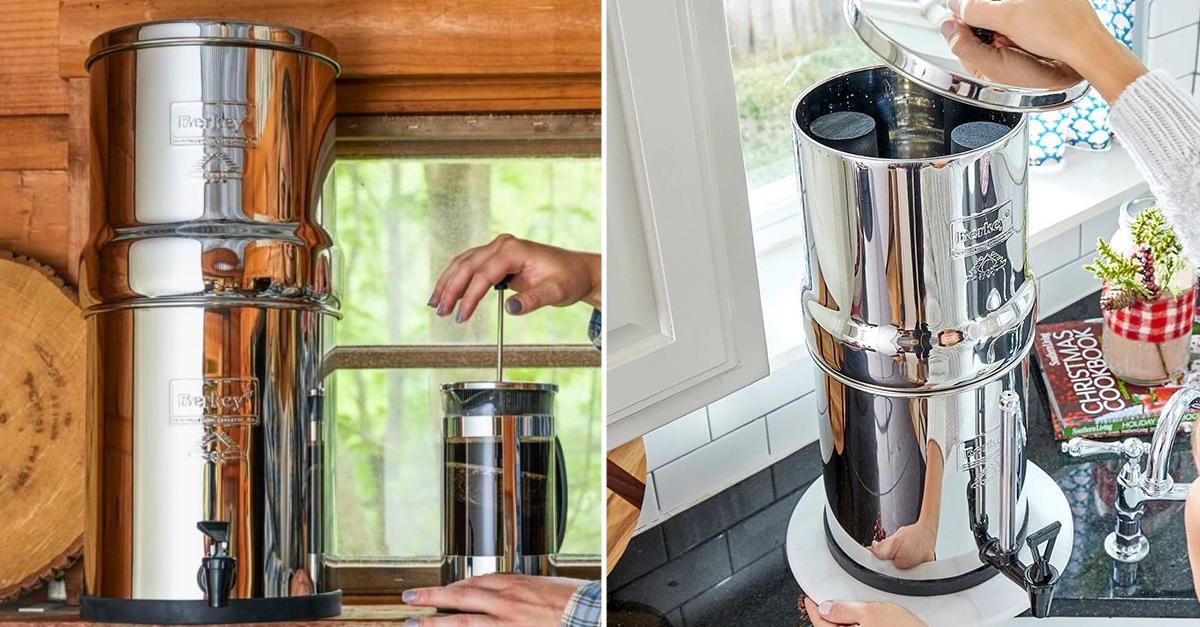
The California ban on Berkey filters is not an isolated incident of arbitrary state action, but rather a consequence of California’s stringent consumer protection laws and environmental regulations. The state is well-known for setting high standards in various industries, from vehicle emissions to food safety, all aimed at safeguarding public health and welfare. Water quality, given its critical importance, naturally falls under this rigorous oversight. For travelers exploring the diverse landscapes of California, from the bustling streets of Los Angeles to the serene wilderness of Yosemite National Park, understanding these local regulations is key to ensuring a smooth and healthy experience. This article delves into the specific reasons behind the ban, exploring the regulatory framework, the legal and compliance issues Berkey faces, and the broader implications for residents and visitors alike, all while keeping in mind the essence of travel, accommodation, and a health-conscious lifestyle.
Understanding California’s Stance on Water Purification
California, a state synonymous with innovation and environmental consciousness, maintains some of the most rigorous consumer and environmental protection laws in the United States. This commitment extends comprehensively to public health, with a particular focus on the safety of drinking water. The state’s approach to water purification devices is not merely about ensuring the water is clean, but also about regulating the devices that claim to achieve this cleanliness. This proactive stance aims to protect consumers from potentially misleading claims, ineffective products, or devices that might themselves introduce contaminants, thereby ensuring a higher standard of safety for residents and the millions of tourists who visit annually, whether staying in a luxury resort in Napa Valley or a cozy apartment in San Diego.
The state’s regulatory philosophy is deeply rooted in the principle of consumer transparency and accountability. Unlike some other states where water filter manufacturers might operate with fewer governmental prerequisites, California demands that such products undergo specific testing, registration, and certification processes. This isn’t just bureaucratic red tape; it’s a foundational element of consumer trust. For a state that boasts everything from iconic landmarks like the Golden Gate Bridge to world-class wineries, ensuring that even the most fundamental necessity – clean water – meets the highest standards is paramount for maintaining its reputation as a safe and desirable destination for both residents and visitors seeking various lifestyle experiences, from budget travel to luxury retreats.
The Regulatory Framework: Prop 65 and Beyond
At the heart of California’s stringent regulatory environment is the Safe Drinking Water and Toxic Enforcement Act of 1986, more commonly known as Proposition 65 (or Prop 65). While Prop 65 is primarily known for requiring businesses to provide warnings about significant exposures to chemicals that cause cancer or birth defects, its implications extend into the realm of water treatment devices. Beyond Prop 65, specific state health codes and administrative regulations govern the sale and distribution of products designed to improve water quality. These regulations stipulate that any device advertised for the purpose of treating water must be evaluated, tested, and certified by an independent, accredited third-party organization. Furthermore, manufacturers are required to register their products with the California Department of Public Health (CDPH) and often provide detailed evidence of their claims regarding contaminant removal.
This comprehensive approach is designed to ensure that products perform as advertised and do not introduce new risks. It’s a consumer protection measure that seeks to prevent the sale of unverified or potentially ineffective devices, particularly given the public’s reliance on them for health and safety. The CDPH plays a crucial role in this oversight, acting as the primary regulatory body responsible for approving water treatment devices for sale within the state. This means that a product might be perfectly legal and widely sold in Nevada or Arizona, but without CDPH approval and adherence to California’s specific mandates, it cannot be legally distributed within the Golden State. For businesses, this presents a significant hurdle, requiring investment in testing and compliance that may not be necessary elsewhere. For consumers planning a long-term stay or even a short trip, understanding these nuances is vital to making informed decisions about personal water solutions.
Defining “Water Treatment Device” in the Golden State
One of the critical aspects of California’s regulatory framework lies in its broad definition of what constitutes a “water treatment device.” Unlike a simple pitcher filter that might not fall under the most stringent classifications, Berkey filters, with their claims of removing a wide array of contaminants including bacteria, viruses, heavy metals, and pharmaceuticals, are clearly categorized as advanced water purification systems. This classification immediately places them under the direct purview of CDPH regulations. Any device that makes explicit health claims about improving water quality by removing specific contaminants is subject to this strict oversight. This broad definition ensures that virtually all substantial filtration systems, including the gravity-fed units offered by Berkey, are considered “water treatment devices” that must comply with state standards.
The implication of this definition is profound. It means that the state isn’t just looking at the source of the water or the end result; it’s meticulously examining the devices themselves. Manufacturers are expected to submit detailed performance data, demonstrating through validated third-party testing that their products effectively remove the contaminants they claim to. This includes proving filtration efficacy against specific microbial threats and chemical pollutants. Without this rigorous validation and subsequent registration, a product, regardless of its reputation or perceived effectiveness elsewhere, cannot legally be sold as a water treatment device in California. This strict interpretation affects not only retail sales but also potentially impacts individuals who might wish to purchase Berkey filters online and have them shipped directly to a California address, highlighting the comprehensive nature of the state’s enforcement efforts aimed at protecting public health and consumer interests.
The Core Issues: Why Berkey Faced Scrutiny
The ban on Berkey water filters in California isn’t necessarily a judgment on the filters’ inherent capability to purify water, which many users outside the state attest to. Instead, it stems from a mismatch between Berkey’s operational model and the specific, non-negotiable compliance requirements mandated by California law. The issues are fundamentally about regulatory adherence, transparency, and the rigorous verification processes that the Golden State demands from any product making health-related claims, especially concerning something as critical as drinking water. For a brand that enjoys global popularity among travelers, outdoor enthusiasts, and those prioritizing a healthy lifestyle, navigating such regional specificities can be a complex and costly endeavor.
This friction points to a broader challenge faced by many manufacturers in a federal system like the United States, where states retain significant autonomy in establishing their own consumer protection and environmental health standards. While a product might meet federal guidelines or be approved for sale in a majority of states, a distinct market like California often requires additional steps. For Berkey, this has manifested in two primary areas: the failure to register and certify their products under California’s specific regulatory framework, and the ongoing debate surrounding the validation of their performance claims against the state’s stringent testing protocols. These points of contention are crucial for understanding why a product so widely embraced elsewhere finds itself excluded from one of the nation’s largest consumer markets.
Unregistered and Uncertified: The Legal Hurdle
The most direct and significant reason for Berkey filters being banned for sale in California is their status as unregistered and uncertified water treatment devices within the state. As previously discussed, California law, specifically under the jurisdiction of the California Department of Public Health (CDPH), requires that all manufacturers of water treatment devices selling their products in the state must register with the CDPH and provide evidence of third-party certification. This certification must verify that the devices meet specific performance standards and do not pose any health risks.
Berkey, through its parent company, New Millennium Concepts, Ltd., has reportedly chosen not to submit its products for this rigorous California-specific registration and certification process. The reasons for this decision are multifaceted, potentially involving the cost of compliance, a disagreement with the specifics of California’s testing protocols, or a strategic business choice given the resources required to navigate different state-level regulatory frameworks. Regardless of the underlying reasons, the outcome is clear: without the required CDPH registration and certification, Berkey filters are considered illegal for sale in California. This means retailers within the state cannot stock them, and direct-to-consumer sales, including online purchases shipped to California addresses, are effectively prohibited, impacting both residents seeking a particular lifestyle choice and visitors planning to stay in California for extended periods.
Claims vs. Compliance: A Matter of Proof
Beyond the procedural hurdle of registration, another critical area of contention often revolves around the verification of Berkey’s performance claims as they align with California’s exacting standards. Berkey filters are known for making impressive claims about their ability to remove a very wide range of contaminants, including pathogens, heavy metals, chloramines, and even radiological elements. While the company provides its own test results, and independent tests conducted outside California often corroborate many of these claims, the CDPH demands verification through its own specific, accredited third-party testing protocols.
This is where the “claims vs. compliance” issue becomes paramount. It’s not enough to simply state that a filter removes a certain percentage of contaminants; manufacturers must demonstrate this through testing that adheres to California’s defined methodologies and standards. The regulatory body wants to ensure that the filters perform consistently under conditions relevant to typical California water sources and that their advertised capabilities are scientifically substantiated to the state’s satisfaction. If Berkey, for whatever reason, has not provided or cannot provide data that fully satisfies these specific California testing and reporting requirements, or has chosen not to engage in this validation process, then its claims, no matter how well-regarded elsewhere, do not meet the legal threshold for sales within the state. This distinction is crucial for consumers, particularly those who prioritize health and safety and might be planning to purchase a Berkey for their accommodation in California, only to find it unavailable.
Implications for Travelers, Residents, and the Lifestyle
The ban on Berkey water filters in California carries significant implications, extending beyond just the manufacturer and retailers. It directly impacts a substantial population of residents who might prefer Berkey products for their home water purification needs, as well as the millions of travelers who visit the state annually. For those accustomed to a certain lifestyle that includes reliable, portable water filtration – whether for camping trips to Joshua Tree National Park, exploring urban attractions in San Francisco, or even just ensuring clean drinking water in their hotel suite – this ban necessitates a reevaluation of their water purification strategies. It highlights the importance of understanding local regulations when planning any kind of travel or lifestyle change, especially in a state as unique and diverse as California.
The situation underscores how crucial it is for consumers to be aware of regional differences in product availability and legality. What might be a standard purchase in one state becomes an inaccessible item in another, forcing a shift in habits and preferences. This is particularly relevant for the health-conscious demographic, budget travelers looking for cost-effective hydration, or families planning extended stays in vacation rentals or villas who rely on consistent access to purified water. The ban doesn’t just block a product; it prompts a wider discussion about consumer choice, regulatory authority, and the fundamental right to safe drinking water, albeit within a specific legal framework.
Navigating Water Quality for California Adventures
For anyone embarking on a California adventure, from backpacking through the Sierra Nevada mountains to enjoying the beaches of Santa Monica, ensuring access to safe drinking water is paramount. Many seasoned travelers and outdoor enthusiasts might automatically pack a trusted water filter as part of their essential gear. However, the California ban on Berkey filters means that these individuals need to consider alternative purification methods if they plan to purchase or replace their filters within the state, or if they are moving to California. While bringing a previously purchased Berkey filter into the state for personal use is generally not the target of enforcement, the inability to buy replacement filters or new units locally presents a logistical challenge.
This situation encourages travelers and residents alike to explore other CDPH-approved water filtration systems. Many reputable brands offer portable filters, UV purifiers, and chemical treatments that meet California’s standards. Whether staying in a budget-friendly hostel in a vibrant city or a luxury hotel with all the amenities, understanding the local tap water quality and having a contingency plan for outdoor excursions becomes a crucial part of responsible travel and healthy living in California. Tourists engaged in various activities, from enjoying local food experiences in San Francisco to exploring the history of Mission San Juan Capistrano, will benefit from informed decisions about their hydration sources. This might also involve checking if their chosen accommodation provides filtered water or if local stores carry approved alternatives suitable for their needs.

Alternative Solutions and Future Considerations
Given the restrictions, both residents and visitors in California need to consider alternative water purification solutions that are compliant with state regulations. Fortunately, the market offers a wide array of options that have successfully navigated California’s certification process. These include systems from brands like Brita, PUR, and various outdoor-specific filters from companies like Sawyer and Katadyn, many of which carry NSF International certifications or are explicitly approved by the CDPH. For home use, plumbed-in systems or countertop units from compliant manufacturers offer robust filtration. For travel, lightweight, portable filters and UV purification pens are excellent alternatives for ensuring safe drinking water during hikes, camping, or while exploring less developed areas.
The long-term outlook for Berkey in California remains uncertain. For the ban to be lifted, New Millennium Concepts, Ltd. would need to undertake the necessary steps for CDPH registration and third-party certification, aligning their product testing and documentation with California’s specific requirements. This would likely involve a significant investment of time and resources. Until such a time, the consumer landscape in California will continue to favor brands that have successfully navigated this regulatory pathway. This situation serves as a powerful reminder for consumers to research local laws and regulations, especially when it comes to products that impact health and safety, embodying a proactive and informed approach to travel and lifestyle choices, whether one is on a business stay or a leisurely family trip across the diverse regions of California.
In conclusion, the ban on Berkey water filters in California is a complex issue rooted in the state’s stringent consumer protection and public health regulations. It’s not a commentary on the filters’ effectiveness, but rather a consequence of their non-compliance with California’s specific registration and certification mandates for water treatment devices. For residents and the countless travelers who flock to experience California’s unique blend of natural beauty, cultural attractions, and vibrant cities, this situation underscores the importance of being informed about local laws. Adapting to these regulations means exploring compliant alternatives and making informed choices about water purification, ensuring that a commitment to health and safety remains paramount, regardless of whether one is exploring a landmark or simply enjoying the comfort of their chosen accommodation in the Golden State.
LifeOutOfTheBox is a participant in the Amazon Services LLC Associates Program, an affiliate advertising program designed to provide a means for sites to earn advertising fees by advertising and linking to Amazon.com. Amazon, the Amazon logo, AmazonSupply, and the AmazonSupply logo are trademarks of Amazon.com, Inc. or its affiliates. As an Amazon Associate we earn affiliate commissions from qualifying purchases.