
The Vast Expanse: Land Availability and Development
The most fundamental reason behind [Texas]’s housing affordability lies in its sheer size and the corresponding abundance of land. As the second-largest state in the U.S. by area, [Texas] boasts expansive tracts of undeveloped land, particularly outside its major metropolitan cores. This seemingly simple fact has profound implications for housing costs and development.
Open Spaces and Growth Potential
Unlike states hemmed in by oceans, mountains, or restrictive geographical features, [Texas] has room to grow – literally. Cities like [Houston], [Dallas], [Fort Worth], and [San Antonio] have been able to expand outwards, developing new communities and residential areas without the intense land scarcity that drives up prices in more constrained regions. This continuous availability of land means that the foundational cost of a property – the land itself – remains lower than in areas where every square foot is a premium. Developers don’t face the same astronomical land acquisition costs, which directly translates to lower overall home prices for buyers.
Moreover, this open space fosters a sense of freedom and possibility, influencing lifestyle choices. Residents often have larger lots, more space between neighbors, and access to the outdoors, which is a significant draw for families and those seeking a more relaxed pace of life without sacrificing urban amenities. The sprawling nature of [Texas] also means that even within a short drive of a major city, one can find vast natural areas perfect for outdoor travel and tourism, from hiking in the [Texas Hill Country] to exploring the [Gulf Coast] beaches.
Streamlined Regulations and Construction Costs
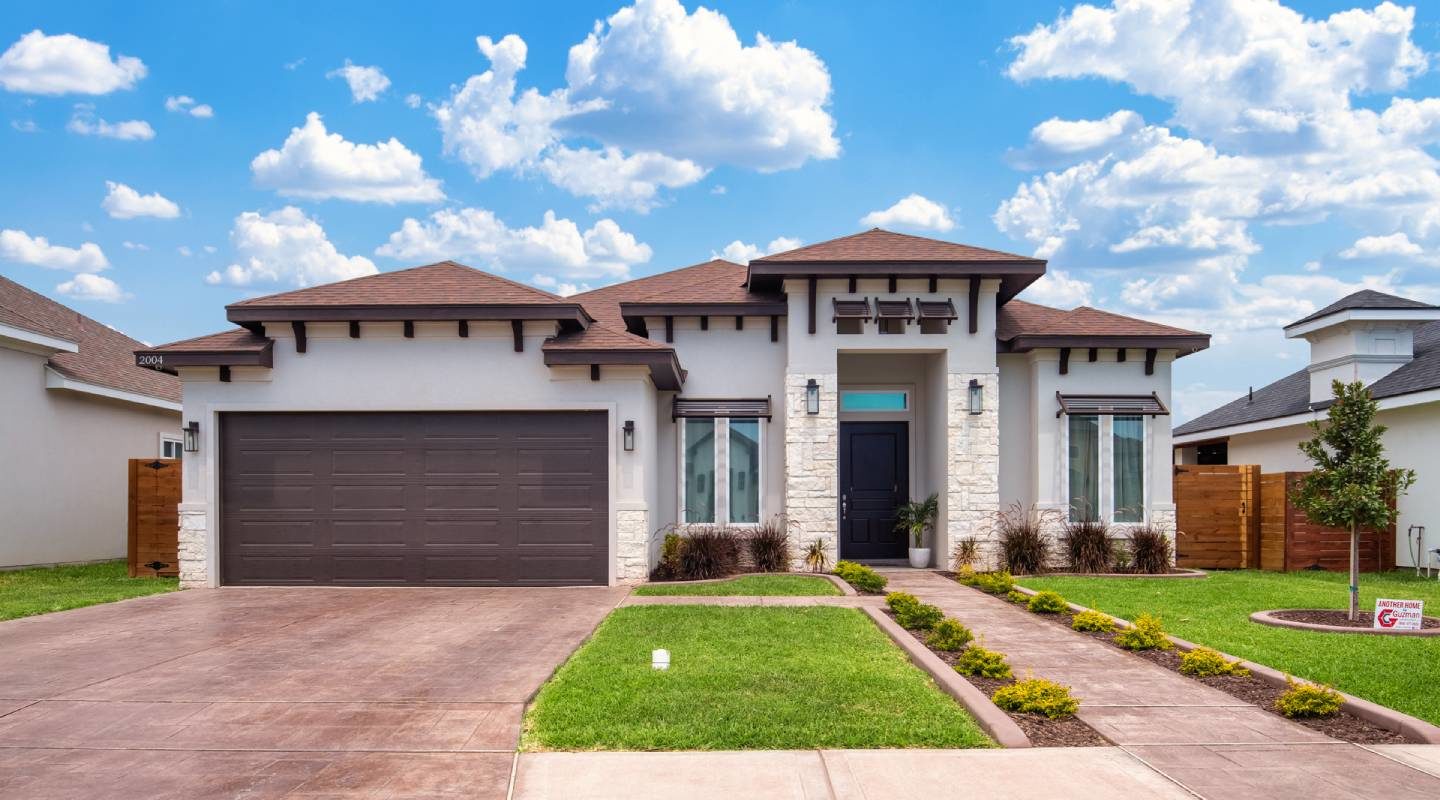
Beyond sheer size, the regulatory environment in [Texas] plays a crucial role in maintaining housing affordability. Many [Texas] cities and counties have adopted less restrictive zoning laws and development regulations compared to their counterparts on the coasts. This enables developers to build new homes and communities more efficiently and at a faster pace. The ease of obtaining permits and the flexibility in planning large-scale residential projects contribute to a robust supply of housing units.
This accommodation strategy, focused on increasing supply, is a powerful counter to rising demand. When housing units can be constructed quickly and without excessive bureaucratic hurdles, the market is better able to absorb population growth, preventing sharp, sustained price hikes. Furthermore, construction costs in [Texas] are generally lower due to several factors: the availability of construction materials (some of which are sourced locally), a competitive labor market, and a generally business-friendly environment that minimizes overheads for builders. This blend of abundant land, efficient regulation, and lower construction expenses ensures that the cost of bringing new housing stock to market remains relatively low, directly benefiting homebuyers.

Economic Engines: Job Market and Cost of Living
[Texas]’s dynamic economy is another pillar supporting its housing affordability, albeit in a more nuanced way. The state has long been a magnet for businesses and individuals seeking opportunity, driven by a diverse and robust job market.Robust Economy and Migration Patterns
[Texas]’s economy is one of the largest and most diversified in the nation. While historically known for its [Oil and Gas Industry], the state has successfully branched out into high-tech (with [Austin] often dubbed “Silicon Hills”), healthcare, manufacturing, and aerospace. This economic dynamism creates a wealth of job opportunities, attracting a steady stream of people from other states and countries. Cities like [Austin], [Houston], and [Dallas] consistently rank among the fastest-growing metropolitan areas in the U.S.Paradoxically, this strong influx of residents, which would typically drive up housing costs dramatically elsewhere, is largely offset by the aforementioned ability to build new housing quickly and efficiently. The balance between strong demand (from job growth) and ample supply (from development) helps to stabilize prices. Moreover, [Texas]’s business-friendly policies, including the absence of a state income tax, further enhance its appeal to both companies and workers, contributing to a healthy economy where wages can grow, but housing costs don’t necessarily skyrocket at the same rate. This creates a compelling lifestyle proposition, where career growth doesn’t demand exorbitant housing sacrifices.
Lower Overall Living Expenses
Beyond housing, the overall cost of living in [Texas] is generally lower than the national average, particularly when compared to other economic powerhouses. Groceries, transportation, utilities, and services tend to be more affordable, which further enhances the appeal of [Texas] homes. The absence of a state income tax is a significant financial benefit for residents, leaving more disposable income in their pockets. This additional financial flexibility can be directed towards a higher quality of life, whether it’s investing in a larger home, saving for the future, or enjoying more travel and tourism experiences within the state and beyond.
For those planning extended stays or looking for long-term accommodation, the lower cost of living makes a significant difference. A family relocating to [Texas] might find that their salary stretches further, allowing them to afford a larger house, enjoy more local attractions, or even take more frequent trips. This economic advantage underpins the broader lifestyle options available, from budget-conscious living to more luxurious experiences, all potentially within a more affordable housing framework.
Navigating the Financial Landscape: Property Taxes and Investment
While home purchase prices in [Texas] are notably lower, it’s crucial to understand the state’s unique tax structure, which significantly impacts the total cost of homeownership. This aspect is vital for anyone considering long-term residency or real estate investment.
Understanding Texas Property Taxes
One of the most significant caveats to [Texas]’s “cheap housing” narrative is its property tax rate, which is among the highest in the nation. Because [Texas] does not levy a state income tax, local services – including public schools, police and fire departments, and municipal infrastructure – are primarily funded through property taxes. This means that while a home’s purchase price might be attractive, the ongoing annual property tax bill can be substantial.
Property taxes in [Texas] are ad valorem, meaning they are based on the appraised value of the property. Local appraisal districts assess properties annually, and the tax rates are set by various local entities, such as cities, counties, and school districts. For prospective homeowners, understanding these taxes is paramount for budgeting. A lower purchase price in [Dallas] or [Houston] might still lead to a higher total annual housing cost when property taxes are factored in, compared to a higher-priced home in another state with lower property taxes. This is a critical consideration for both residents and investors, influencing the real cost of accommodation and long-term financial planning.
Investment Opportunities and Market Dynamics
Despite the high property taxes, [Texas] remains an attractive market for real estate investors due to its robust economic growth and population influx. The state’s continued development ensures a steady demand for rental properties, making cities like [Austin], with its burgeoning tech scene, a hotbed for real estate appreciation and rental income. Investors looking for diversified portfolios often consider [Texas] for its growth potential.
The market offers a wide array of accommodation options for investment, from single-family homes in rapidly developing suburbs to multi-family units and even short-term vacation rentals in popular tourist destinations like [Fredericksburg] or near [Lake Travis]. The diverse economic base reduces dependency on any single industry, providing a more stable environment for real estate investment. Furthermore, the ability to build new homes efficiently means that the market can respond to demand, offering various price points and property types, from entry-level homes to luxury estates and resort-style hotels and villas, catering to different investor strategies and lifestyle preferences.
Beyond the Metros: Regional Nuances and Lifestyle Choices
The term “cheap housing” in [Texas] is broad, encompassing significant variations across different regions. While major metropolitan areas might offer relative affordability, the truly budget-friendly options, and diverse lifestyle opportunities often lie outside the bustling city centers.
The Allure of Smaller Cities and Rural Areas
While cities like [Austin] have seen property values soar in recent years, largely due to its tech boom, many other parts of [Texas] continue to offer exceptionally affordable housing. Smaller cities like [Amarillo], [Lubbock], and [El Paso], as well as numerous charming towns scattered across the state, provide a compelling alternative for those seeking even greater value. These areas often boast strong community ties, a slower pace of life, and a lower cost of living across the board.
For travelers and those considering a significant life change, exploring these smaller communities reveals the true diversity of [Texas]. Each region offers unique landmarks, cultural experiences, and natural beauty. From the German heritage of [Fredericksburg] in the [Texas Hill Country] to the historic charm of [Gruene], these towns provide a different flavor of [Texas] living and offer more budget-friendly accommodation options, including quaint bed-and-breakfasts, local inns, and family-owned hotels. This regional variation means that virtually any budget and desired lifestyle can find a suitable home in [Texas].
Connecting Housing to Travel and Tourism Experiences
The overall affordability of living in [Texas] directly impacts the travel and tourism landscape. When residents have more disposable income due to lower housing costs and no state income tax, they are more likely to explore their own state, supporting local economies and attractions. This translates into a vibrant tourism sector, with a wide range of experiences accessible to various budgets.
[Texas] offers an incredible array of destinations and attractions, from the historic [Alamo] and vibrant [Riverwalk] in [San Antonio] to the scientific marvels of [Space Center Houston] and the breathtaking wilderness of [Big Bend National Park]. The availability of diverse accommodation options, from luxury resorts to budget-friendly apartments and villas, caters to all types of travelers and lifestyles. Whether it’s a weekend getaway to a lakeside cabin near [Lake Travis], a cultural immersion in a historic town, or an extended stay in a bustling city, the underlying affordability of housing in [Texas] supports a broader economy of experiences. For visitors, this means that even luxury experiences can feel more attainable, while budget travelers can enjoy extended trips without breaking the bank, truly embodying the spirit of accessible tourism.In conclusion, the perceived “cheapness” of houses in [Texas] is a multi-faceted phenomenon. It’s a product of the state’s immense geographical size, which allows for continuous outward expansion and keeps land costs manageable. This is coupled with a pragmatic approach to development regulations and a business-friendly environment that fosters construction efficiency. While a robust and diverse economy attracts a constant influx of residents, the ability to rapidly increase housing supply helps to balance demand, preventing the steep price hikes seen elsewhere. However, this affordability comes with a trade-off: relatively high property taxes, which are essential for funding local services in the absence of a state income tax. Ultimately, [Texas] offers a compelling blend of economic opportunity, diverse lifestyles, and accessible homeownership, making it an enduringly attractive destination for both residents and visitors seeking a quality of life that often feels out of reach in other parts of the nation.
LifeOutOfTheBox is a participant in the Amazon Services LLC Associates Program, an affiliate advertising program designed to provide a means for sites to earn advertising fees by advertising and linking to Amazon.com. Amazon, the Amazon logo, AmazonSupply, and the AmazonSupply logo are trademarks of Amazon.com, Inc. or its affiliates. As an Amazon Associate we earn affiliate commissions from qualifying purchases.