
The majestic Maine Coon, often dubbed “the gentle giant” of the feline world, is a breed renowned for its impressive size, shaggy coat, and bushy tail. These colossal cats capture the hearts of many with their striking appearance and affable personalities. But what exactly contributes to their grandeur? Is it simply good genes, or are there environmental and historical factors at play that have sculpted these magnificent creatures into the substantial companions we know today? For anyone considering welcoming one of these magnificent felines into their home, or for those simply fascinated by the wonders of the animal kingdom, understanding the reasons behind their monumental stature offers a captivating glimpse into natural history, genetics, and the very essence of a unique breed.

Beyond their sheer size, the Maine Coon embodies a certain rugged elegance, a trait that seems to mirror the wild beauty of its namesake state, Maine. This connection isn’t just coincidental; it’s deeply ingrained in the breed’s origins and evolution. From their potential Viking ancestors to their role as hardy mousers on early American farms and ships, the story of the Maine Coon is as rich and layered as their luxurious triple coat. As we delve into the various elements that contribute to their significant dimensions, we’ll explore their unique developmental journey, their distinctive physical attributes, and the fascinating history that has cemented their place as one of the most beloved and largest domesticated cat breeds in the United States and beyond. This journey will not only clarify “Why are Maine Coons so big?” but also reveal the incredible resilience and charm that make them truly one-of-a-kind.
The Majestic Giants: Unraveling the Maine Coon’s Origins
The story of the Maine Coon is steeped in a blend of fact, folklore, and captivating mystery, all originating from the rugged landscapes of New England. This breed is considered one of the oldest natural cat breeds in North America, a testament to its adaptability and endurance. Understanding their origins is crucial to comprehending their impressive size, as their development was heavily influenced by the harsh climate and practical needs of early settlers.
From Humble Beginnings to Maine’s State Cat
While definitive records are scarce, popular theories suggest that the Maine Coon descended from long-haired cats brought to America by European seafarers, possibly Vikings or English traders, who would have landed along the coast of Maine. These cats then interbred with native short-haired breeds, resulting in the distinct characteristics we see today. The Maine Coon wasn’t deliberately bred for size initially; rather, its larger stature was a natural adaptation. In the challenging environment of colonial Maine, cats that were robust, strong, and equipped with a thick, insulating coat had a significant survival advantage. They were invaluable mousers, protecting grain stores and homes from rodents, a crucial role in agricultural communities. This selective pressure naturally favored larger, hardier individuals, paving the way for the breed’s inherent bigness.
The breed quickly became a cherished part of Maine’s heritage, so much so that it was designated the official state cat in 1985. This recognition underscores its deep roots within the region’s cultural and historical fabric. When one travels through Maine, particularly along its picturesque coastline or through its quaint towns like Kennebunkport or Bar Harbor, it’s easy to envision these sturdy felines patrolling old farmhouses or wandering the docks of bustling fishing villages. The breed’s resilience and formidable presence are as much a part of the state’s character as its iconic lighthouses, such as the Bass Harbor Head Light or the Pemaquid Point Light, which have stood strong against the Atlantic’s might for centuries. Exploring these regions provides a tangible connection to the Maine Coon’s historical environment, offering a deeper appreciation for how its unique traits, including its size, were honed by nature itself. For those seeking accommodation in these historic areas, options range from charming boutique hotels like the Coastal Charm Inn in Kennebunkport to grand resorts such as The Grand Resort at Bar Harbor, many of which are increasingly pet-friendly, acknowledging the large companion animals many travelers bring along.
Anatomy of a Giant: What Makes Them So Large?
The impressive size of the Maine Coon is not just an arbitrary trait; it’s a symphony of genetics, a prolonged growth period, and specific physical adaptations perfected over generations. These factors collectively contribute to their title as one of the largest domesticated cat breeds.
Genetics and Growth: A Slower Path to Grandeur
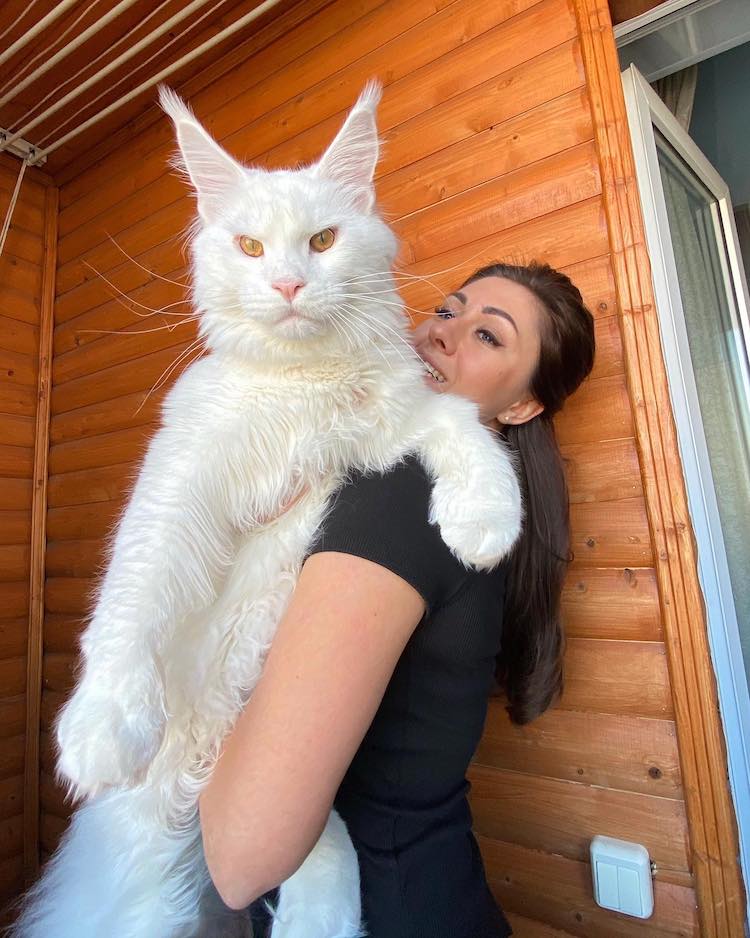
At the core of the Maine Coon’s size lies its genetic predisposition. The breed possesses specific genes that dictate a larger frame, denser bones, and more muscular build compared to most other domestic cats. While a typical house cat might reach its full adult size by 12 to 18 months, a Maine Coon takes significantly longer to mature. It’s not uncommon for them to continue growing and filling out until they are three to five years old. This extended growth period allows their bodies ample time to develop their impressive musculature and bone structure, leading to their remarkable adult dimensions.
Males are generally larger than females, often weighing between 13 to 20 pounds (5.9 to 9 kg) or more, and measuring up to 40 inches (100 cm) in length, including their tail. Some exceptionally large males can even tip the scales at over 25 pounds (11.3 kg). Females are typically slightly smaller but still substantial, averaging 9 to 15 pounds (4.1 to 6.8 kg). This slow and steady development is a key differentiator, granting them the opportunity to accumulate the mass and length that define the breed. When visiting a local Cat Fanciers’ Association (CFA) or The International Cat Association (TICA) show, one can truly appreciate the scale of these magnificent animals firsthand, often seeing prime examples of mature cats that have fully developed into their impressive stature. Such shows are often held in convention centers in cities like Portland, Maine or Boston, Massachusetts, attracting enthusiasts from across the New England region and offering a unique perspective on the breed standards.
A Legacy of Adaptation: Built for New England Winters
Beyond pure genetics and growth rate, the physical characteristics of the Maine Coon are profoundly shaped by its ancestral environment: the harsh, snowy winters of Maine. Every aspect of their physical design seems to be an evolutionary masterpiece crafted for survival in a cold climate.
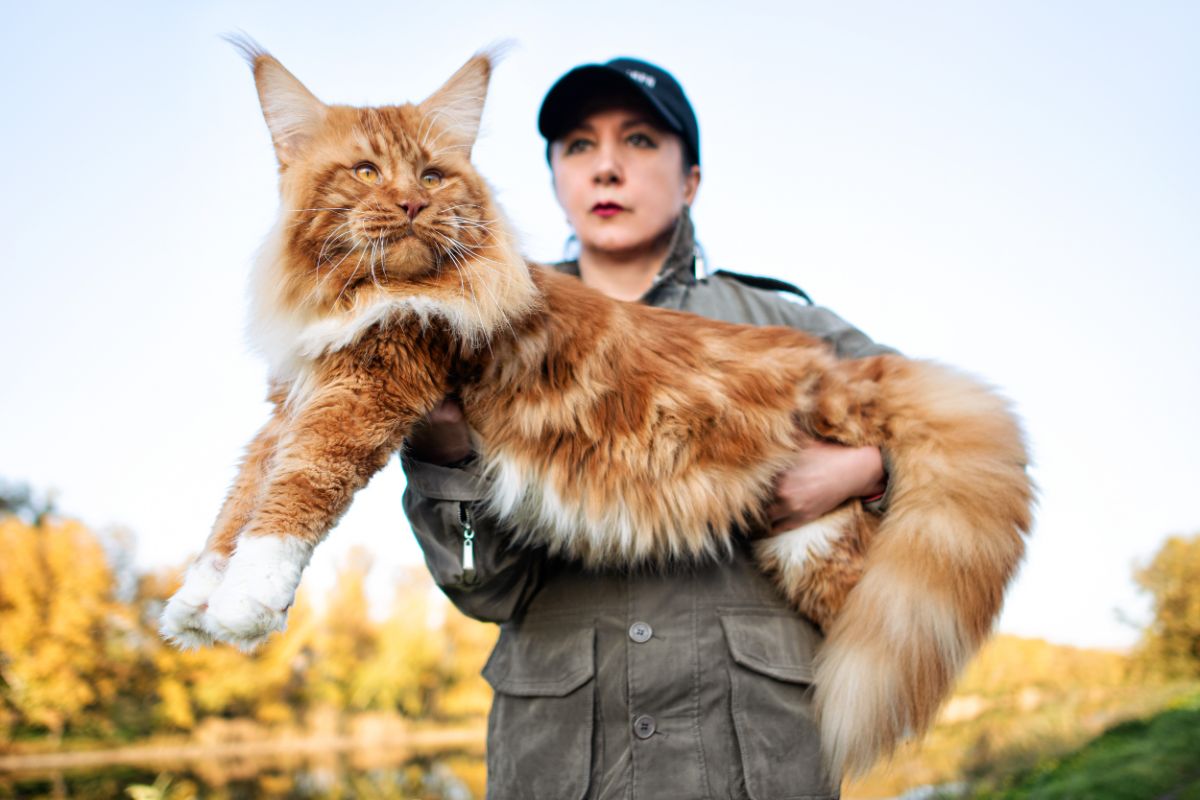
Their most striking feature, the dense, shaggy double or triple coat, is water-repellent and insulated, effectively protecting them from snow and ice. This coat is longer on their ruff, stomach, and britches, providing extra warmth where it’s most needed. Their large, tufted paws act like natural snowshoes, allowing them to walk on snow without sinking too deeply. Tufts of fur between their toes also provide additional insulation and traction. The lynx-like ear tufts and the long, flowing ruff around their neck help to protect them from the cold. Perhaps most iconic is their magnificent, bushy tail, often compared to a raccoon’s. This tail is not just for beauty; it’s a vital tool for warmth, capable of being wrapped around their body like a blanket when they curl up to sleep.
These physical traits, developed over generations to thrive in a challenging natural environment, require a larger skeletal and muscular framework to support them. A smaller cat wouldn’t be able to carry such a robust coat, maintain the necessary body heat, or effectively hunt in deep snow. Thus, their size is an integral part of their survival mechanism, a testament to natural selection at its finest. When travelers venture into Acadia National Park during the colder months, they can witness firsthand the kind of environment that forged these resilient cats. The rugged terrain, biting winds, and heavy snowfall are a vivid backdrop to understanding how deeply the Maine Coon’s physical attributes are intertwined with the wild beauty of Maine.
Beyond Size: The Gentle Giants’ Charm and Lifestyle Impact
While their impressive size is often the first thing people notice about Maine Coons, it is their equally grand personality that truly endears them to their human companions. Known for their gentle demeanor, intelligence, and playful nature, these cats are much more than just their large physical presence; they are integral members of families, influencing lifestyle choices and offering unique companionship.
The Ideal Companion for the Modern Traveler
Despite their wild appearance, Maine Coons are famously docile and affectionate, earning them the moniker “gentle giants.” They are known for being very social, enjoying the company of people and often getting along well with children and other pets. Their intelligence makes them highly trainable; many can be taught to walk on a leash, play fetch, or even respond to simple commands. This combination of size, intelligence, and a friendly disposition makes them truly unique.
For the modern traveler, especially those who embark on family trips or seek unique experiences, the presence of a Maine Coon can profoundly shape their lifestyle. Their large size means they require more space than an average cat, which can influence choices regarding accommodation. Pet-friendly hotels or vacation rentals are a must, and often, suites or villas are preferred over standard hotel rooms to ensure ample space for the cat to stretch, play, and explore. For instance, when planning a visit to Bangor or other scenic Maine cities, one might specifically seek out accommodations like the Pine Ridge Luxury Suites, which are known for their spacious, pet-welcoming policies. Their adaptable nature also means that some Maine Coons can become excellent travel companions themselves, particularly on road trips, adding an element of adventure and companionship to the journey. Their calm temperament, even in new environments, means they can adapt surprisingly well to temporary changes of scenery, provided they have their familiar comforts and their human family close by. This aligns perfectly with a lifestyle that values experiences and shared moments, whether at home or abroad.
Caring for Your Colossal Companion: Health, Nutrition, and Well-being
Owning a Maine Coon is a rewarding experience, but their substantial size and unique physical traits necessitate specific care to ensure they remain healthy and happy throughout their long lives. Proper nutrition, regular exercise, and consistent grooming are paramount to maintaining the well-being of these magnificent felines.
Fueling the Giant: Dietary Needs for Optimal Growth
Given their large size and extended growth period, Maine Coons have specific dietary requirements. A high-quality, balanced diet rich in protein and essential nutrients is crucial for supporting their developing musculature and robust bone structure. Kitten Maine Coons will typically need a diet formulated for large breed kittens to support their slower, more prolonged growth without causing them to grow too rapidly, which can lead to skeletal issues. Adult Maine Coons also benefit from a diet tailored for large breeds, focusing on maintaining a healthy weight and muscle mass. Overfeeding can lead to obesity, which is particularly detrimental for large breeds as it puts extra strain on their joints and can exacerbate genetic predispositions to conditions like hip dysplasia. Therefore, careful portion control and high-quality ingredients are key to fueling these giants properly, ensuring they receive the energy they need without excess. Engaging with a local pet store specializing in premium cat foods or consulting with a veterinarian can provide personalized dietary advice, helping owners navigate the vast array of options available.
A Healthy Lifestyle for a Happy Maine Coon
Beyond diet, a holistic approach to care ensures a Maine Coon thrives. Regular exercise is essential to keep them mentally stimulated and physically fit. Despite their size, they are playful and agile, enjoying interactive toys, climbing structures, and even supervised outdoor adventures. Providing ample space for play, such as a cat tree tall enough to accommodate their full length, is vital for their physical health and mental enrichment.
Their luxurious, long coat requires consistent grooming to prevent mats and tangles, especially during shedding seasons. Daily brushing can help distribute natural oils, keep their fur healthy, and minimize hairballs. This grooming routine also serves as a bonding experience, strengthening the relationship between cat and owner.
Finally, regular veterinary check-ups are critical. Maine Coons, like all purebreds, can be predisposed to certain genetic health conditions, including hypertrophic cardiomyopathy (HCM), hip dysplasia, and spinal muscular atrophy. Early detection and management are key to mitigating these issues and ensuring a long, comfortable life. Reputable breeders will screen their breeding cats for these conditions, offering peace of mind to prospective owners. Embracing a lifestyle that prioritizes these aspects of care ensures that a Maine Coon not only lives up to its majestic potential but also enjoys a full and vibrant life as a beloved family member.
In conclusion, the formidable size of the Maine Coon is a fascinating interplay of their genetic heritage, slow maturation process, and the specific physical adaptations honed by generations in the harsh New England climate. They are living testaments to natural selection, perfectly crafted for their original role as hardy mousers. Yet, beyond their physical grandeur, it’s their gentle, intelligent, and affectionate nature that makes them truly exceptional companions. For those who appreciate the unique blend of wild beauty and domestic charm, the Maine Coon offers a compelling narrative of survival, adaptation, and an enduring legacy that continues to captivate cat enthusiasts worldwide. Their substantial presence adds a unique dimension to any household, influencing everything from the choice of accommodations during travel to daily routines, solidifying their status as truly special members of the family.
LifeOutOfTheBox is a participant in the Amazon Services LLC Associates Program, an affiliate advertising program designed to provide a means for sites to earn advertising fees by advertising and linking to Amazon.com. Amazon, the Amazon logo, AmazonSupply, and the AmazonSupply logo are trademarks of Amazon.com, Inc. or its affiliates. As an Amazon Associate we earn affiliate commissions from qualifying purchases.