
New York City is a vibrant tapestry of culture, commerce, and unparalleled experiences. From the towering grandeur of the Empire State Building to the artistic flair of Broadway and the tranquil expanse of Central Park, it’s a destination that captivates millions of travelers from around the globe annually. Yet, amidst the iconic landmarks and bustling streets, another resident often sparks curiosity and conversation: the infamous New York rat. These creatures, particularly their perceived size, have become almost legendary, a unique if somewhat unsettling part of the city’s urban folklore.
For visitors planning their accommodation or exploring the diverse districts of Manhattan, Brooklyn, or Queens, the thought of encountering a large rat can be a jarring contrast to the city’s otherwise glamorous image. But why are New York rats so big, or at least, why do they seem to be? The answer is a complex interplay of urban ecology, human behavior, and the remarkable adaptability of a particular species that has mastered the art of city living. Understanding these factors not only sheds light on this peculiar aspect of New York life but also offers insights into urban tourism and the challenges cities face in managing their unique ecosystems. This exploration delves into the environmental conditions, the specific species at play, and the lifestyle habits that contribute to the robust reputation of the New York rat, providing a fuller picture for anyone curious about life out of the box in one of the world’s greatest cities.

The Urban Buffet: Why New York is a Rat Paradise
One of the primary drivers behind the thriving rat population, and consequently, their size, in New York is the sheer abundance of food. New York City is a culinary mecca, home to countless restaurants, street food vendors, delis, and grocery stores. This vibrant gastronomic scene, while a huge draw for tourists and locals alike, inadvertently creates an inexhaustible buffet for its rodent residents. Waste from these establishments, often overflowing from bins or carelessly discarded, provides a constant, rich source of nutrition. Areas like Times Square with its dense concentration of eateries, or the historic Lower East Side known for its vibrant food culture, are particularly fertile grounds for rats seeking sustenance.
The average tourist, perhaps grabbing a slice of authentic New York pizza or a hot dog from a street cart, might not consider the wider implications of food waste. However, every dropped crumb, every overflowing bin, contributes to a robust food chain that supports a large and healthy rat population. Moreover, the sheer volume of human activity means there is always food available, day and night. Unlike rural environments where food sources can fluctuate seasonally, the urban landscape of New York offers a remarkably stable and energy-rich diet year-round. This consistent caloric intake directly contributes to the rats’ physical development and overall size, allowing them to grow larger than their counterparts in less resource-rich environments. For visitors, understanding this phenomenon might even subtly influence their approach to waste disposal, becoming part of the collective effort to maintain the city’s cleanliness, especially around popular tourist attractions and hotels.
A Feast for All Seasons: Food Waste and Tourist Habits
The lifecycle of food in New York is incredibly rapid, from preparation to consumption, and unfortunately, often to waste. The city’s 8 million residents, coupled with millions of annual tourists, generate an enormous amount of refuse daily. While the city has extensive waste management systems, the sheer volume, combined with human habits, means that food scraps are frequently accessible. Open garbage bags on sidewalks, overflowing public bins, and careless littering near popular landmarks like Grand Central Terminal or along Fifth Avenue provide ample scavenging opportunities.
Consider the bustling streets of Manhattan at night, after restaurants have closed and office buildings have emptied. What remains is a veritable smorgasbord for nocturnal foragers. The rich, fatty, and high-calorie content of discarded human food, far more nutritious than what rats might typically find in a natural habitat, promotes faster growth and larger body mass. For those staying in New York hotels, from luxury suites near Central Park to budget apartments in Brooklyn, awareness of how their daily habits, even something as simple as disposing of a snack wrapper, contribute to the urban environment can be a fascinating insight into local culture and responsible tourism. The lifestyle of a New Yorker, constantly on the go, often involves quick meals and snacks, adding to the constant supply of discarded food that sustains the rat population.
Culinary Hotspots: Unintended Consequences of New York’s Dining Scene
New York’s reputation as a global culinary capital is undeniable, boasting everything from Michelin-starred restaurants to iconic food carts. Neighborhoods like Chinatown and Little Italy are famous for their authentic flavors, attracting countless visitors eager to experience the local gastronomy. However, the sheer density of food establishments, particularly in areas with older infrastructure, creates ideal conditions for rats. Kitchen waste, grease traps, and delivery areas, even when managed meticulously, can inadvertently provide opportunities for these resourceful creatures.
Moreover, the waste from these establishments is often rich in proteins and fats, providing rats with a high-energy diet that supports larger body sizes and faster reproduction rates. This cyclical effect means that as New York’s dining scene flourishes, so too does the potential for a robust rat population. For travelers seeking unique experiences, delving into New York’s food scene is a must, but it’s also an opportunity to observe the complex ecological dynamics of a truly global city. The city’s constant evolution, including new restaurants and pop-up events, consistently reshapes the landscape, creating both new opportunities for human enjoyment and new foraging grounds for its smaller, stealthier residents.
Beneath the Pavement: Ideal Habitats and Infrastructure
Beyond the abundant food supply, New York City offers rats an unparalleled network of shelter and pathways. The city’s extensive and aging infrastructure, a testament to its long history and rapid development, creates a labyrinthine underground world perfectly suited for rats to live, breed, and move largely undetected. The subway system, a vital artery for millions of commuters and tourists daily, is not just a transportation network but also a massive, temperature-controlled habitat. Its tunnels, vents, and hidden spaces provide protection from predators, harsh weather, and human interference.
Old buildings throughout districts like Greenwich Village or Harlem, with their intricate basements, wall cavities, and deteriorating foundations, offer countless nooks and crannies for nesting. The sewer systems, running for thousands of miles beneath the streets of Manhattan and the outer boroughs, are another crucial component of this subterranean sanctuary. These environments are often warm, damp, and offer relatively safe passage, allowing rats to expand their territories and establish large, complex colonies. This blend of historic architecture and modern urban planning creates an almost insurmountable challenge for pest control, solidifying the rats’ presence as a persistent feature of New York life, a curious detail for those exploring the city’s unique blend of old and new.
The Labyrinth Below: New York’s Subterranean World
The New York City subway system is an engineering marvel, transporting millions across the five boroughs: Manhattan, Brooklyn, Queens, The Bronx, and Staten Island. Yet, beneath the tracks and platforms, a parallel world exists, largely unseen by human eyes. The miles of tunnels, old electrical conduits, and ventilation shafts provide an ideal, relatively undisturbed environment for rats. These subterranean passages act as highways, allowing rats to move swiftly and safely between different food sources and nesting sites. The constant temperature below ground also provides refuge from the extreme heat of summer and the biting cold of New York winters, further contributing to their survival and proliferation.
For tourists, especially those using the subway to navigate between attractions like the [Statue of Liberty](https://lifeoutofthe epizome.com/statue-of-liberty) ferry terminal and the Metropolitan Museum of Art, a fleeting glimpse of a rat scurrying along the tracks is a common, if sometimes unsettling, experience. This intricate network of tunnels, dating back over a century in some parts, offers a permanent home to generations of rats. Their ability to thrive in such a complex, man-made environment speaks volumes about their adaptability, a crucial factor in their perceived size and prevalence.
Historic Architecture and Unintended Residents
Beyond the subway, much of New York City’s charm lies in its historic buildings. From the elegant brownstones of Brooklyn to the grand pre-war apartments of Manhattan, these structures, while beautiful, often come with aging infrastructure. Cracked foundations, old utility conduits, and forgotten crawl spaces provide easy access and perfect nesting sites for rats. These hidden spaces offer warmth, darkness, and protection, ideal conditions for breeding and raising young.
The city’s constant cycle of demolition and construction also plays a role. Each new development, whether it’s a luxury hotel or a new residential tower, can disturb existing rat colonies, forcing them to relocate and often bringing them into closer contact with humans. This disruption doesn’t eliminate the rats but rather redistributes them, often creating new populations in previously less affected areas. The balance between preserving New York’s rich history through its architecture and managing the urban wildlife it inadvertently shelters is a continuous challenge, offering a fascinating lens through which to view the city’s evolution for anyone interested in urban planning or the sociology of cities.
A Matter of Species and Survival: The Norway Rat’s Dominance
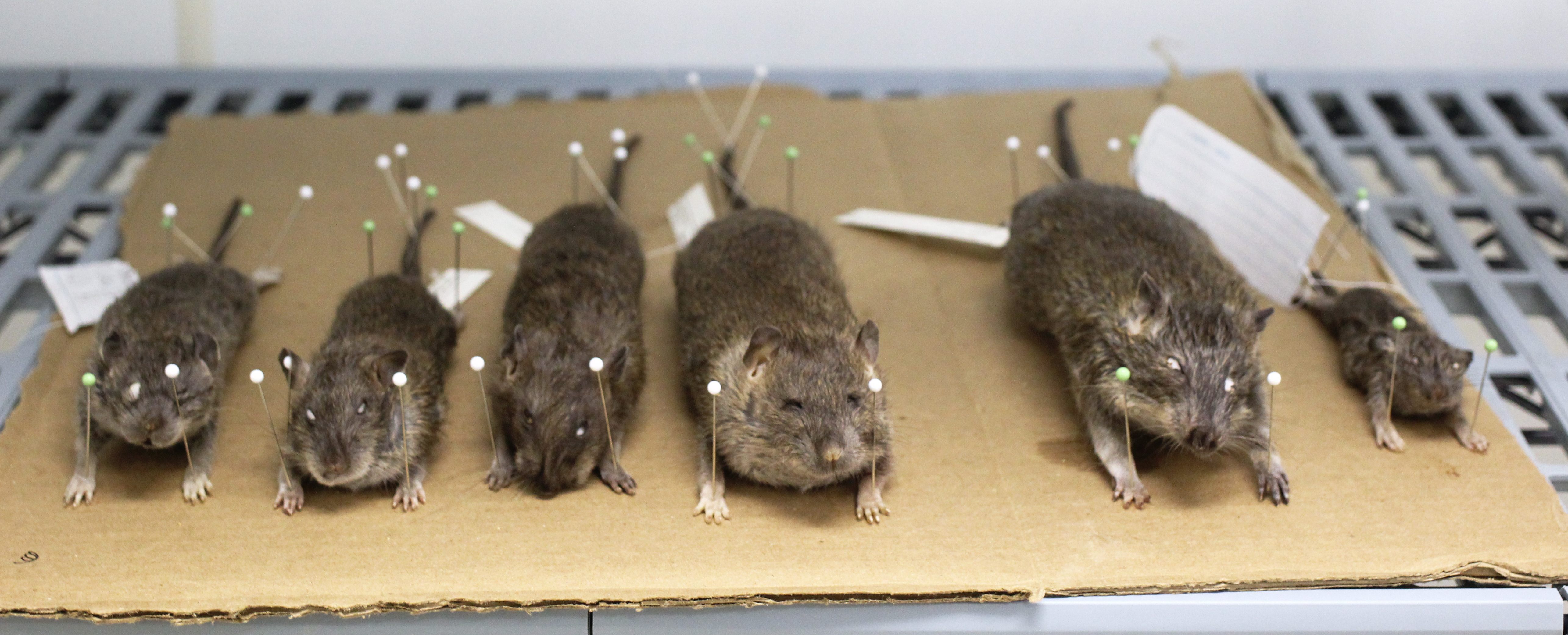
When people refer to the “big New York rat,” they are almost invariably talking about the Norway rat (Rattus norvegicus). This species is not native to North America but arrived with European settlers centuries ago and has since become one of the most widespread and successful commensal rodents in the world. The Norway rat is naturally larger and more robust than other common rat species, such as the roof rat (Rattus rattus). An adult Norway rat can typically weigh between 200 and 500 grams (0.4 to 1.1 pounds) and measure 20-28 cm (8-11 inches) long, not including its tail, which can add another 15-20 cm (6-8 inches). Some larger specimens can exceed these averages, especially when food is abundant.
Their adaptability is truly remarkable. Norway rats are omnivores, capable of digesting almost anything, which makes them perfectly suited for scavenging in a diverse urban environment like New York. They are also prolific breeders, with females capable of producing multiple litters per year, each with numerous pups. This high reproductive rate, combined with a relatively short gestation period, allows their populations to rebound quickly even after pest control efforts. Their survival instincts, including their caution around new objects (neophobia) and their ability to learn from their peers, make them formidable inhabitants of the concrete jungle. For travelers visiting global cities, whether it’s London, Paris, or Tokyo, recognizing the Norway rat’s global prevalence helps put the New York situation into perspective; it’s an urban phenomenon, not unique to the United States.
Evolutionary Success in the Concrete Jungle
The Norway rat’s success in New York is a testament to its evolutionary prowess. Originating from parts of Asia and then spreading across Europe, these rats have co-evolved with human civilization for millennia, learning to exploit our environments for their benefit. In New York, they found a super-sized version of the ideal habitat: dense human population, constant food waste, and an intricate network of shelters. Their physical attributes, including strong jaws and teeth capable of gnawing through various materials, and their sturdy bodies, allow them to navigate the demanding urban landscape.
Their intelligence is also a key factor. Rats are known for their problem-solving skills, memory, and social structures. They learn to avoid traps, identify safe food sources, and communicate dangers within their colonies. This collective intelligence makes eradicating them incredibly difficult and contributes to their robust presence. For any visitor observing New York’s vibrant ecosystem, from the pigeons in Central Park to the bustling human crowds, the rats represent a fascinating example of natural selection at work, thriving in an environment shaped almost entirely by humans.
Perception vs. Reality: Are They Really That Big?
While New York rats are indeed a sizable species, the perception of their colossal stature is often amplified by various factors. The unexpectedness of seeing a rat in a busy urban setting, especially for those unaccustomed to urban wildlife, can make them appear larger than life. Shadowplay, sudden movements, and anecdotal storytelling contribute to the myth of truly gigantic rodents. Viral videos or exaggerated tales often perpetuate the idea that New York rats are monstrous.
In reality, while they are robust, they are typically within the expected size range for Rattus norvegicus. However, a very well-fed rat living in an optimal environment with plenty of space to grow could certainly reach the upper end of that spectrum, making it seem unusually large to the casual observer. The sheer number of rats, rather than individual record-breaking sizes, might be a more significant factor in their notorious reputation. The pervasive presence across the five boroughs, from the Financial District to the most residential neighborhoods, ensures that the topic remains a consistent part of the city’s narrative, a quirky and sometimes unsettling element of the New York experience.
The Human Element: Coexistence and Control Efforts
The omnipresence of rats in New York City is not just a quirky observation; it’s a significant public health and urban planning challenge. The rats carry diseases, can damage infrastructure, and are a general nuisance. Consequently, the city dedicates substantial resources to rat control and mitigation, impacting local culture, tourism, and daily life. The battle against rats is an ongoing saga, with various strategies employed over the years, from traditional trapping and baiting to more innovative approaches like dry ice treatments in burrows and stricter waste management protocols.
For residents and visitors, this means encountering public service announcements, seeing rodenticides deployed, or observing improved waste bins designed to be rat-proof. Major initiatives often target areas with high rat activity, such as public parks, subway stations, and around major commercial hubs. This constant effort highlights the delicate balance between urban development and environmental management, a key aspect of sustainable tourism and city living. While the rats are an inescapable part of the New York landscape, the city’s proactive measures aim to manage their populations and minimize their impact, ensuring that the magic of the city remains largely untarnished for the millions who visit and reside there.
City Life and the Urban Wildlife Challenge
Life in a metropolis like New York means sharing space with various forms of urban wildlife, and rats are arguably the most prominent. Their presence impacts everything from waste management strategies to public health campaigns. For local businesses, especially restaurants and hotels, stringent pest control measures are a constant necessity to maintain hygiene standards and reputation. A luxury resort in Manhattan or a charming boutique hotel in Brooklyn must invest heavily in prevention to ensure guests have a seamless and comfortable accommodation experience.
From a lifestyle perspective, learning to coexist with rats is a part of being a New Yorker. While no one welcomes them, understanding their ecological role and the reasons for their prevalence helps contextualize their presence. Tourists, often surprised by their first rat sighting, quickly learn that it’s simply a facet of this bustling urban ecosystem. This unique interaction with urban nature adds another layer to the New York experience, prompting discussions about urban resilience, public health, and how humans and animals adapt to shared environments.

What New York is Doing: Innovation in Pest Management
New York City is at the forefront of urban pest management, constantly experimenting with new strategies to control its rat population. Beyond traditional traps and baits, the city has implemented pilot programs using dry ice, which humanely asphyxiates rats in their burrows, particularly effective in green spaces like parts of Central Park or other city parks. Investment in rodent-resistant public litter bins has also been a focus, aiming to cut off food sources at the street level.
Furthermore, public awareness campaigns encourage residents and businesses to secure their waste properly and report rat sightings to assist in targeted control efforts. The city also focuses on sealing entry points in buildings, particularly those around the Financial District or historic areas, to prevent rats from establishing indoor colonies. These efforts, though challenging due to the rats’ adaptability and high reproductive rates, are a testament to New York’s commitment to maintaining a healthy and habitable environment for everyone. For those interested in urban development and innovative city management, New York’s ongoing battle with its rodent residents offers a fascinating case study in practical problem-solving on a grand scale.
In conclusion, the perceived “bigness” of New York rats is a confluence of several factors: the naturally large species (the Norway rat), an almost endless supply of high-calorie food from the city’s vibrant culinary scene and human waste, and an expansive network of secure habitats within its dense, aging infrastructure. While they might be a source of discomfort for some, these resilient creatures are an undeniable, if often unseen, part of the city’s complex ecological fabric. For travelers venturing to this extraordinary destination, understanding the “why” behind New York’s notorious rats offers a deeper appreciation for the multifaceted nature of urban life, providing another unique story to share about their experiences in the city that never sleeps.
LifeOutOfTheBox is a participant in the Amazon Services LLC Associates Program, an affiliate advertising program designed to provide a means for sites to earn advertising fees by advertising and linking to Amazon.com. Amazon, the Amazon logo, AmazonSupply, and the AmazonSupply logo are trademarks of Amazon.com, Inc. or its affiliates. As an Amazon Associate we earn affiliate commissions from qualifying purchases.