
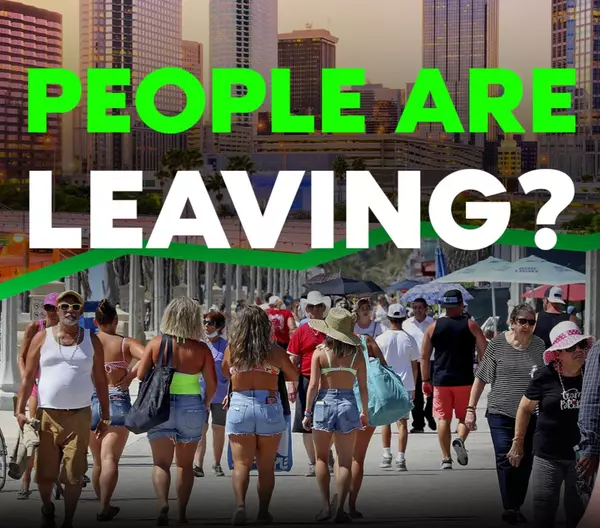
The allure of sunshine, pristine beaches, and a vibrant lifestyle has long drawn millions to the Sunshine State. For decades, Florida has been synonymous with idyllic vacations, retirement dreams, and a uniquely American brand of leisure. Yet, beneath this golden veneer, a noticeable trend is emerging: people are beginning to pack their bags and leave Florida. While it might seem counterintuitive for a state that consistently ranks high in population growth, a closer examination reveals a complex tapestry of reasons driving this exodus. From shifting economic landscapes to changing environmental realities and evolving lifestyle preferences, the Sunshine State is no longer a one-size-fits-all paradise for everyone.

This article delves into the multifaceted factors contributing to people’s decisions to leave Florida. We will explore the economic undercurrents, the increasing strain on infrastructure and resources, and the growing appeal of alternative destinations that might offer a more balanced or fulfilling lifestyle. Understanding these drivers is crucial for anyone considering a move to or from Florida, or for those simply curious about the dynamics shaping one of America’s most talked-about states.
The Shifting Sands of Affordability and Economic Opportunity
One of the most significant drivers behind people leaving Florida is the escalating cost of living, particularly when it comes to housing. What was once a haven for affordable living, especially for retirees, has transformed into a market characterized by soaring prices. This dramatic shift is impacting a wide range of residents, from young families to long-term homeowners.
Housing Market Pressures
The demand for housing in Florida has been relentless, fueled by both domestic migration and international investment. This sustained pressure has driven up property values and rental rates to unprecedented levels. Cities like Miami, Orlando, and Tampa have witnessed exponential growth in their real estate markets, making it increasingly difficult for many to find affordable accommodation.
For aspiring homeowners, the dream of owning a piece of Florida is becoming more distant. Down payments are higher, mortgage payments are steeper, and property taxes continue to climb. This economic reality forces many to reconsider their options, looking for states where their money can stretch further. The availability of luxury apartments, spacious villas, and even long-term stay accommodations is undeniable, but the price point for these amenities is no longer within reach for a significant portion of the population.
Renters are facing a similar predicament. The demand for rental properties often outstrips supply, leading to bidding wars and lease agreements that are financially burdensome. This is particularly true for entry-level jobs and middle-income households who find themselves priced out of the very communities they contribute to. The search for more budget-friendly accommodation becomes paramount, leading many to explore states with a lower cost of living.
The Economic Equation Beyond Housing
While housing is a major concern, the economic pressures extend beyond just property. Wages in some sectors have not kept pace with the rising cost of goods and services. For individuals and families reliant on moderate incomes, the financial strain can be overwhelming. This disparity prompts a re-evaluation of career prospects and overall financial well-being, encouraging a search for locations that offer a better economic balance.
The tourism industry, a cornerstone of Florida’s economy, while robust, can also lead to a seasonal or service-oriented job market that doesn’t always provide stable, high-paying employment. This can be a significant factor for those seeking career advancement or consistent financial security. As such, the allure of states with a more diversified and potentially higher-paying job market becomes increasingly attractive. The promise of better employment opportunities, coupled with a more manageable cost of living, presents a compelling alternative for those contemplating a move.
Environmental Concerns and Quality of Life
Beyond the financial considerations, Florida’s unique environment presents its own set of challenges that are increasingly influencing people’s decisions to relocate. While the natural beauty is undeniable, the state’s vulnerability to certain environmental issues is a growing concern for many residents.

The Rising Tide of Climate Change Impacts
Florida’s low-lying geography makes it particularly susceptible to the impacts of climate change. Rising sea levels are a growing threat, leading to increased coastal flooding, erosion, and the potential long-term inundation of coastal communities. For homeowners and businesses in areas like the Florida Keys, Miami Beach, and parts of the Gulf Coast, this poses a significant risk to their property and way of life. The dream of a waterfront villa or a tranquil resort experience is being shadowed by the reality of encroaching waters.
Furthermore, the state is experiencing more intense and frequent hurricanes. These powerful storms can cause widespread devastation, disrupt daily life, and lead to significant financial losses through property damage and business interruption. The psychological toll of living in a hurricane-prone region, coupled with the logistical and financial burdens of preparing for and recovering from these events, can be a powerful impetus for seeking safer havens. This concern transcends simple travel considerations and delves into the fundamental need for security and stability in one’s home.
Heat, Humidity, and Natural Disasters
The famously intense Florida heat and humidity are also becoming less appealing for some, especially as temperatures continue to rise. For those who are sensitive to heat, or who prefer outdoor activities year-round, the prolonged periods of extreme weather can diminish the quality of life. This is particularly relevant for individuals seeking a lifestyle that allows for consistent engagement with nature and outdoor pursuits, such as hiking in the Everglades or exploring the numerous state parks.
Beyond hurricanes and heat, Florida also faces challenges with issues like red tide, which can impact coastal areas and marine life, and sinkholes, which can cause sudden and unexpected damage to infrastructure and homes. While these might be localized issues, their cumulative effect, alongside the broader climate change concerns, contributes to a growing unease about the long-term environmental stability of the state.
The Search for a Different Lifestyle and Community
For many, the decision to leave Florida is not solely about economics or environmental risks. It’s also about seeking a different lifestyle, a change of pace, or a community that better aligns with their personal values and aspirations.
Evolving Preferences for Urban vs. Suburban vs. Rural Living
While Florida offers a diverse range of living environments, from bustling metropolises like Jacksonville to charming small towns, people’s preferences for community living are evolving. Some may find the perpetual hustle and bustle of major Florida cities overwhelming and seek quieter, more close-knit communities elsewhere. Others might be looking for greater access to specific cultural attractions, a different political climate, or a stronger sense of local identity that they feel is lacking in some of Florida’s more transient populations.
The appeal of a more relaxed pace of life, or conversely, a more dynamic urban environment with a richer arts and culture scene, can draw people away from Florida. The focus on tourism can sometimes overshadow the development of a robust local culture that resonates with long-term residents. While destinations like St. Augustine offer historical depth, and Sarasota boasts a vibrant arts scene, the overall perception for some is that Florida’s lifestyle is heavily dictated by its vacationer identity.
The Lure of Alternative Destinations
As people re-evaluate their priorities, alternative states and even countries are emerging as attractive options. States in the Pacific Northwest, like Oregon and Washington, offer cooler climates, lush natural landscapes, and a distinct cultural vibe. Destinations in the Mountain West, such as Colorado and Utah, appeal to outdoor enthusiasts seeking adventure sports and dramatic scenery. The Carolinas, with their blend of Southern charm and coastal beauty, also present a compelling alternative, often with a lower cost of living than Florida.
Even internationally, some individuals are drawn to countries offering a more affordable lifestyle, a different cultural experience, or better access to healthcare and social services. While Florida remains a top destination for travel and short-term stays, the long-term commitment of residency is being scrutinized by a growing number of people who are actively seeking an environment that better suits their evolving needs and desires for lifestyle, community, and overall well-being. The allure of a luxurious resort or a well-appointed villa for a vacation remains, but the daily reality of living in Florida is prompting a significant number of its residents to look beyond its sun-drenched shores.
LifeOutOfTheBox is a participant in the Amazon Services LLC Associates Program, an affiliate advertising program designed to provide a means for sites to earn advertising fees by advertising and linking to Amazon.com. Amazon, the Amazon logo, AmazonSupply, and the AmazonSupply logo are trademarks of Amazon.com, Inc. or its affiliates. As an Amazon Associate we earn affiliate commissions from qualifying purchases.