
The sight of flags flying at half-mast is a somber and universally recognized symbol of mourning, respect, and remembrance. In the Sunshine State, where vibrant colors and cheerful skies often dominate the landscape, this visual cue can stir questions and concern. When you notice the stars and stripes, or perhaps the Florida state flag, lowered to a position midway up the flagpole, it naturally prompts the query: “Why are the flags at half mast in Florida today?”
This practice, steeped in tradition and protocol, is not arbitrary. It’s a deliberate act undertaken for specific reasons, usually at the direction of government officials, to honor significant events or individuals. Understanding these protocols provides insight into the cultural and civic fabric of Florida and the United States. From honoring fallen heroes to marking national tragedies or commemorating the passing of prominent figures, the lowering of the flag serves as a powerful visual tribute.
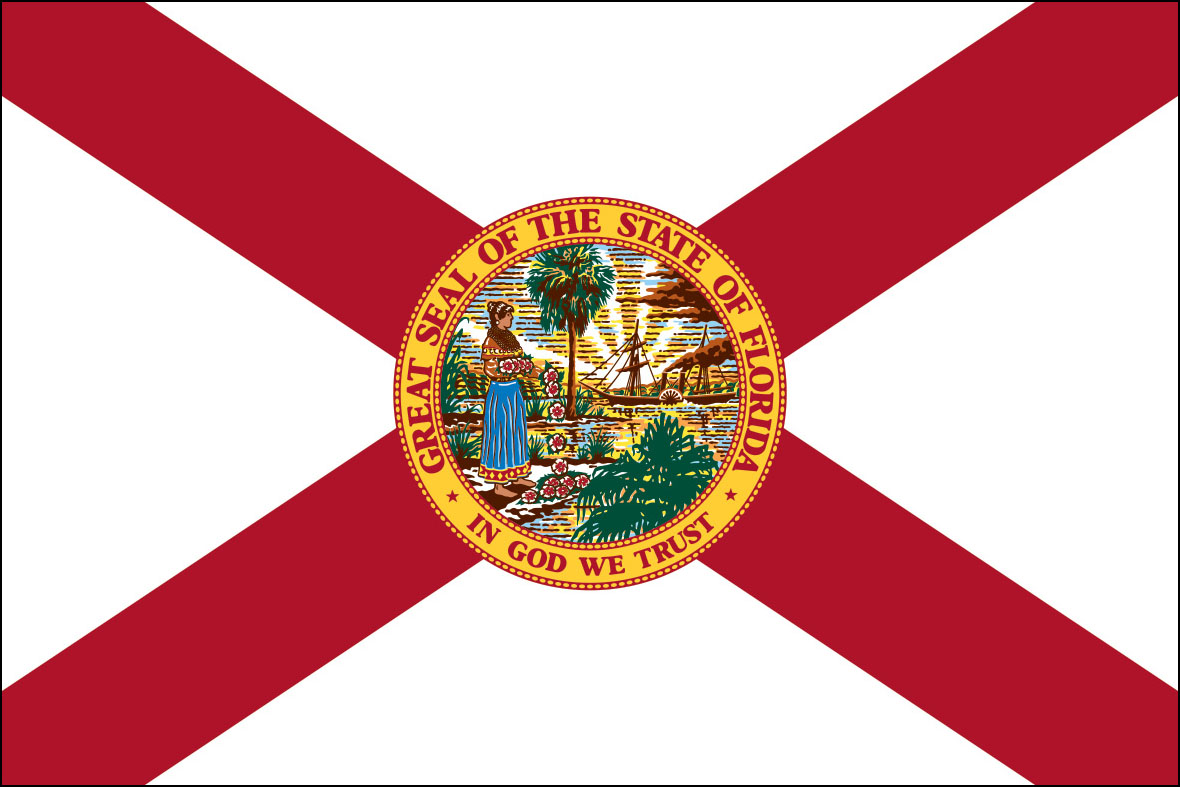
The Protocol and Significance of Half-Mast
The tradition of flying flags at half-mast, also known as half-staff, has a long history, with roots in maritime customs. Historically, ships would lower their flags to half-mast to signal mourning for a deceased captain or in times of national distress. This practice evolved into a formal protocol governing the display of national and state flags.
Who Decides When Flags Are Lowered?
The authority to order flags to be flown at half-mast rests with specific governmental figures. In the United States, the President can order flags flown at half-mast nationwide or over federal property. Similarly, the Governor of Florida has the authority to order flags lowered within the state. This directive can apply to all state buildings, public schools, and other state facilities. Local government officials may also have similar authority within their jurisdictions.
These decisions are typically made in response to:
- The Death of a Prominent Figure: This can include former presidents, vice presidents, Supreme Court justices, members of Congress, governors, or other high-ranking officials. The duration of the half-mast observance is often specified in the order.
- National Tragedies or Acts of Terrorism: Events like the attacks of September 11, 2001, or significant mass casualty events often trigger nationwide half-mast orders as a mark of national grief and solidarity.
- Memorial Days: Specific days dedicated to remembrance, such as Memorial Day and Pearl Harbor Remembrance Day, have pre-established protocols for flying flags at half-mast. On Memorial Day, flags are flown at half-mast until noon and then raised to full-staff to honor the living veterans.
- Solemn Observances: Certain anniversaries of significant historical events that call for reflection and remembrance may also see flags lowered.
- The Death of a Law Enforcement Officer or Firefighter: Many states, including Florida, have specific protocols to honor fallen first responders, often at the state or local level.
Understanding the Mechanics of Half-Mast
Flying a flag at half-mast is not simply a matter of pulling it down halfway. There’s a specific procedure to ensure proper respect. The flag should be hoisted to the peak of the staff for an instant before being lowered to the half-mast position. When the flag is being lowered at the end of the day, it should first be raised to the peak for an instant before being lowered completely. This “strike and lower” process is a respectful way to transition the flag’s position.
The exact position for half-mast is generally considered to be one flag’s width below the top of the staff. If the staff is too short to permit the half-mast position, the flag is flown from a yardarm, if present, or in the absence of a yardarm, it is flown at the peak of the staff and then a black mourning streamer is attached to the top of the staff.
Current Events and Flag Status in Florida
To ascertain precisely why the flags are at half-mast in Florida on any given day, one must look to official announcements and news reports. These announcements usually detail the specific individual or event being honored. For instance, if a former Florida governor or a nationally prominent figure with ties to the state has recently passed away, the Governor of Florida would likely issue an order for flags to be lowered.

Recent Notable National and State Occurrences
Historically, Florida has observed half-mast protocols for a variety of reasons. Following national tragedies, such as mass shootings or significant natural disasters impacting the state, flags across Florida have been lowered to express collective sorrow and solidarity. The passing of beloved state figures, from elected officials to cultural icons, also often prompts such honors.
For example, the death of a distinguished member of the Florida Legislature, a Medal of Honor recipient from the state, or a revered figure in Florida’s history would be met with official directives to lower the flags. The ongoing commitment to honoring military service members and first responders means that flags are frequently lowered to mark the passing of these brave individuals, both within Florida and across the nation.
How to Stay Informed
Staying informed about why flags are at half-mast is crucial for understanding the current civic mood and acknowledging important events. Official sources for this information include:
- The Office of the Governor of Florida: The Governor’s official website or press releases will often announce directives regarding flag status.
- Local News Outlets: Newspapers, television stations, and radio broadcasts in Florida will report on significant events that lead to flags being lowered.
- Federal Government Websites: For nationwide half-mast orders, the U.S. General Services Administration (GSA) website is a reliable source.
- Social Media: Official government accounts and reputable news organizations often share timely updates on social media platforms.
Flags as Symbols of Respect and Remembrance
The act of flying flags at half-mast transcends a simple display; it’s a profound expression of collective empathy, respect, and national or state-level mourning. It’s a visual reminder that the community is collectively acknowledging a loss or a significant moment of reflection. For tourists and residents alike, noticing the flags at half-mast can be an opportunity to pause, reflect, and learn about the event or individual being honored.
Honoring Fallen Heroes and Public Servants
One of the most common reasons for flags to be flown at half-mast is to honor the lives and sacrifices of those who have served the public. This includes members of the armed forces, law enforcement officers, firefighters, and other public servants who have made the ultimate sacrifice. In Florida, as in the rest of the United States, these individuals are deeply respected, and their passing is marked with solemnity. When flags are lowered in their honor, it serves as a public declaration of gratitude for their service and a moment for the community to come together in remembrance. This tradition extends to memorial days, such as Police Officer’s Memorial Day and Firefighters’ Memorial Day, where flags are flown at half-mast to specifically acknowledge these professions.
Commemorating National and Local Tragedies
The lowering of flags is also a critical component of national and local responses to tragedies. Whether it’s a devastating natural disaster that has impacted Florida, a mass casualty event, or an act of violence, the act of flying flags at half-mast offers a unified visual expression of grief and solidarity. It signals to the affected communities and the nation at large that the loss is felt deeply and that support is being offered. These observances can last for a designated period, allowing ample time for mourning and reflection. For example, after a significant hurricane makes landfall in Florida, the Governor may order flags lowered to honor victims and express sympathy. Similarly, following national events of immense sorrow, such as the Oklahoma City Bombing or the 9/11 attacks, flags across the country, including in Florida, are lowered to half-mast as a sign of national mourning.
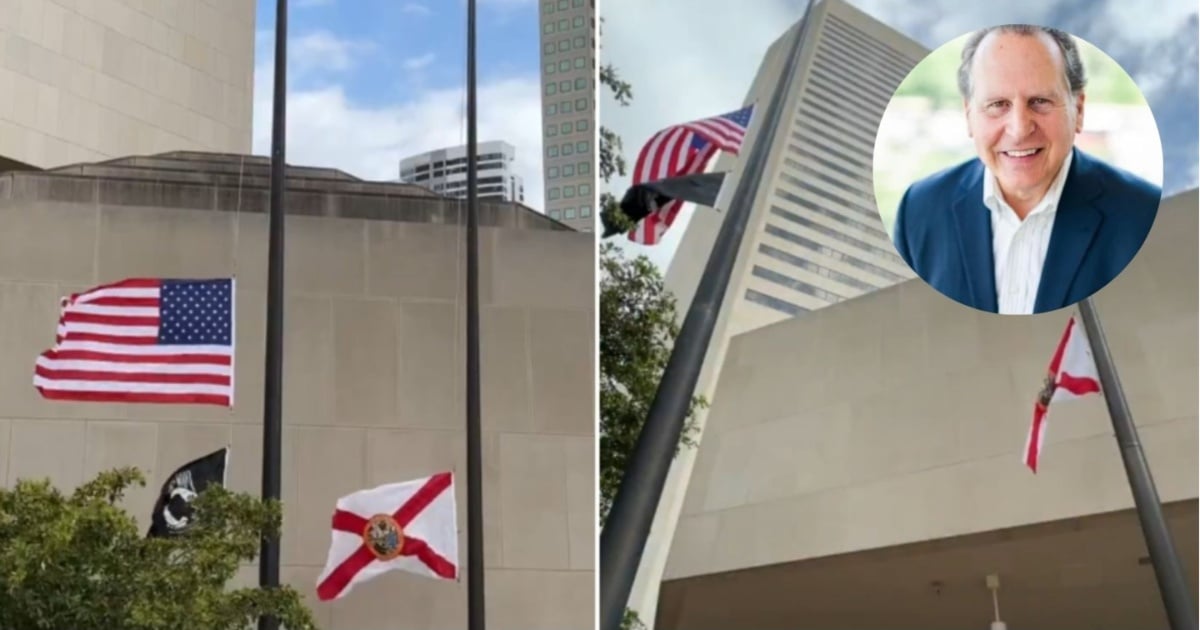
The Role of Landmarks and Public Spaces
Public spaces and landmarks often become focal points during times of national or state remembrance. In Florida, iconic locations such as the Capitol Building in Tallahassee, state parks, and even popular tourist attractions might fly their flags at half-mast in accordance with official directives. This ensures that the act of remembrance is visible across the state and reaches a broad audience. For visitors exploring Florida, encountering flags at half-mast at prominent landmarks like the Everglades National Park or historical sites can provide context and encourage reflection on the values of respect and remembrance that the state upholds. It adds a layer of solemnity to the travel experience, reminding us that even amidst leisure and exploration, there are shared moments of national significance.
By understanding the protocols and the solemn significance behind flags flying at half-mast, we gain a deeper appreciation for the civic and emotional landscape of Florida and the United States. It’s a visual language of respect that connects communities in shared moments of honor and grief.