
California, a land renowned for its breathtaking diverse landscapes, from sun-drenched beaches and towering redwood forests to majestic mountain ranges and bustling metropolises, has increasingly become synonymous with another, more somber phenomenon: devastating wildfires. Each year, headlines blare with news of massive blazes, forcing evacuations, destroying homes, and casting a pall of smoke over vast regions. For residents and visitors alike, the question looms large: why are there so many fires in California? This isn’t just a matter of environmental concern; it profoundly impacts the travel industry, local economies, and the lifestyle of millions who call the Golden State home or dream of exploring its wonders. Understanding the multifaceted reasons behind California’s escalating fire crisis is crucial for anyone planning a trip, considering a move, or simply seeking to comprehend this complex natural challenge.

The factors contributing to California’s susceptibility to wildfires are a complex interplay of geography, climate, vegetation, and human activity, all exacerbated by a changing global climate. This unique combination creates a volatile environment where small sparks can quickly ignite into raging infernos, often with catastrophic consequences for both pristine natural areas and vibrant communities. From the iconic landmarks like Yosemite National Park and the vineyards of Napa Valley to the sprawling suburbs of Los Angeles and the historic charm of San Francisco, no corner of the state is entirely immune from the direct or indirect effects of these blazes. For those accustomed to planning idyllic getaways or exploring diverse destinations, the presence of wildfires introduces a new layer of consideration, impacting everything from air quality to access to popular attractions and the overall travel experience.
The Perfect Storm: A Confluence of Natural and Human Factors
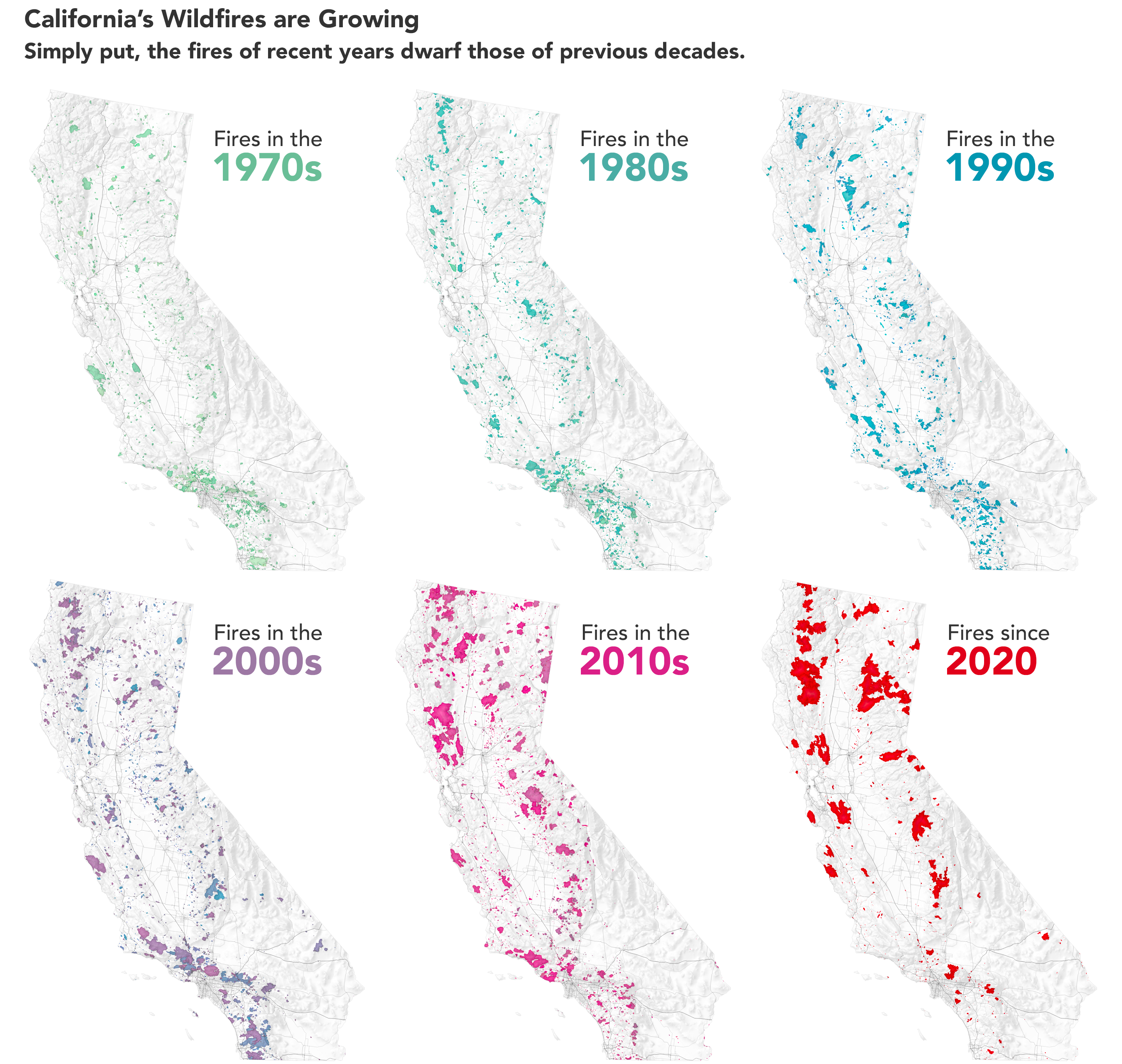
The proliferation of wildfires in California is not attributable to a single cause but rather a dangerous synergy of environmental conditions and human influences. This deadly combination creates a landscape perpetually on the brink of combustion, especially during the extended dry seasons that now characterize much of the state.
Climate Change and Prolonged Droughts
Perhaps the most significant overarching factor is climate change, manifesting primarily through prolonged and severe droughts. California naturally experiences a Mediterranean climate, characterized by warm, dry summers and mild, wet winters. However, in recent decades, this pattern has been exaggerated. Winters bring less rainfall and snowfall, leading to drier soil and vegetation by the time summer arrives. Record-breaking temperatures further exacerbate this dryness, effectively turning vast expanses of forests and chaparral into tinderboxes. The increased frequency and intensity of heatwaves dry out vegetation to unprecedented levels, making it highly flammable. This creates conditions ripe for rapid ignition and spread, even from small sparks. The parched landscape means that once a fire starts, it consumes fuel at an accelerated rate, making containment incredibly challenging for firefighters. The impact on travel plans is evident; destinations that once guaranteed sunshine now carry the risk of smoky skies or closures. Hotels and resorts in areas like Palm Springs or Lake Tahoe might see cancellations or reduced bookings due to air quality concerns, even if they are not directly in the path of a fire.
Abundance of Flammable Vegetation
California’s natural beauty is partly defined by its diverse ecosystems, including dense forests, chaparral, and grasslands. Many of these plant species, such as manzanita, chamise, and various pine varieties, are highly flammable, especially when dry. A century of aggressive fire suppression policies, aimed at preventing even small fires, has inadvertently led to an accumulation of fuel. Historically, indigenous peoples and natural lightning strikes would cause frequent, low-intensity fires that cleared out undergrowth and dead vegetation. Without these natural clean-up cycles, forests become overgrown with dense brush, fallen trees, and dead leaves – a massive fuel load just waiting for an ignition source. When a fire eventually breaks out in such conditions, it quickly becomes a high-intensity blaze that is much harder to control and far more destructive, often scorching trees from the canopy down. This transformation of the landscape affects tourism, as popular hiking trails might be closed, or scenic drives through pristine wilderness areas could be temporarily inaccessible. Iconic landmarks within national parks like Sequoia National Park or Kings Canyon National Park are also at increased risk due to the sheer volume of fuel.
The Role of Topography and Winds
The rugged topography of California also plays a critical role in fire behavior. Steep canyons and hillsides can act like chimneys, accelerating fire spread uphill at incredible speeds. The infamous Santa Ana winds in Southern California and the Diablo winds in Northern California are powerful, dry, and hot winds that originate inland and rush towards the coast, often reaching hurricane-force speeds. These winds are a wildfire’s best friend, fanning flames, carrying embers over long distances, and making aerial firefighting efforts incredibly dangerous or impossible. They can transform a small fire into a massive inferno in mere hours, often leading to rapid evacuations and posing significant challenges for emergency services. Travelers in coastal areas or popular destinations such as Malibu or Laguna Beach might find their plans disrupted not just by direct fire threats but by the extensive smoke plumes carried by these powerful winds.
Human Activity and the Wildland-Urban Interface
While natural factors set the stage, human activity is the predominant ignition source for most wildfires. Power lines, often antiquated and vulnerable to high winds, have been responsible for some of California’s’s most destructive fires. Arson, carelessly discarded cigarettes, unattended campfires, sparks from vehicle exhausts, and even fireworks contribute significantly to ignitions. The expansion of the wildland-urban interface (WUI) further exacerbates the problem. As more people move to scenic, semi-rural areas bordering wildlands, the probability of human-caused ignitions increases. Homes built in these areas also become direct fuel for wildfires, making suppression efforts more complex and putting lives and property directly in harm’s way. This phenomenon not only threatens residential areas but also impacts the appeal of certain lifestyle choices, such as owning a vacation home in a secluded mountain retreat. The risk factor influences property values, insurance costs, and the general sense of security for residents and prospective buyers in areas like the Sierra Nevada foothills or the coastal ranges.
Impact on Travel, Tourism, and Lifestyle in California
The escalating wildfire crisis in California is not merely an environmental disaster; it has profound and far-reaching implications for the state’s vibrant tourism industry, its world-renowned attractions, and the very lifestyle that draws millions to its shores each year. For a state that thrives on outdoor recreation, scenic beauty, and diverse experiences, wildfires present a significant challenge.
Disrupted Travel Plans and Economic Consequences
Wildfires cause immediate and severe disruptions to travel. Road closures, often affecting major highways like US-101 or I-5, can halt journeys, strand travelers, and delay essential supply chains. Airports may experience delays or cancellations due to poor visibility from smoke. Tourist destinations, even those not directly threatened by flames, suffer from pervasive smoke, which diminishes air quality and obscures scenic views, making outdoor activities unpleasant or even unsafe. Many national and state parks, including portions of Yosemite, Sequoia, and Big Sur, have been forced to close entirely or partially during active fire seasons, devastating local businesses that rely on visitor traffic. Hotels, restaurants, and tour operators in popular areas like Sonoma County or Mammoth Lakes face significant economic losses from cancellations and reduced bookings, sometimes leading to layoffs or even permanent closures. The ripple effect extends to local communities whose livelihoods depend on tourism dollars, from small souvenir shops to luxury resorts. Tourists seeking an escape to nature might instead find themselves contending with ash, evacuation warnings, and a sense of unease.
Protecting California’s Iconic Landmarks and Natural Wonders
California is home to an unparalleled collection of natural and man-made landmarks, many of which are increasingly vulnerable to wildfires. The ancient giant sequoias of Sequoia National Park and Kings Canyon National Park, some of the oldest and largest living things on Earth, have been directly threatened and, in some cases, damaged by intense fires. Efforts to protect these irreplaceable trees, involving massive sprinkler systems and fire-resistant wraps, highlight the extreme measures now necessary. Similarly, the dramatic coastline of Big Sur, with its iconic Highway 1, has repeatedly faced closures and destruction from fires and subsequent mudslides. The pristine wilderness areas around Lake Tahoe, a beloved destination for both summer and winter sports, have seen fires creep dangerously close to its shores and surrounding communities, affecting everything from hiking trails to ski resorts. Even urban parks and historical sites in cities like Berkeley or Oakland that border wildlands face risks. The loss or damage to these landmarks not only diminishes California’s appeal but also represents an irreparable loss of natural heritage and cultural significance, impacting future generations of travelers and residents.

Adapting Lifestyles and Future Travel Considerations
For residents, the wildfire threat has become an integral part of the California lifestyle. Many now plan their autumns around “fire season,” preparing emergency kits, monitoring air quality reports, and having evacuation plans. The demand for homes in the wildland-urban interface is tempered by the heightened risk and increasingly prohibitive insurance costs. The very enjoyment of outdoor activities, a cornerstone of the California lifestyle, is often curtailed by poor air quality, forcing people indoors or to seek alternative entertainment. For those considering luxury travel, what once promised uninterrupted scenic beauty now carries a caveat; resorts like the Ritz-Carlton Bacara, Santa Barbara or the Post Ranch Inn in Big Sur might face operational challenges or simply have their guests’ experience marred by hazy skies.
Looking ahead, travelers to California will need to be more vigilant and flexible. This includes checking fire maps and air quality indexes before and during their trips, having travel insurance that covers fire-related disruptions, and considering off-season travel to avoid the peak fire months (typically late summer and fall). Tourism boards and accommodation providers are also adapting, offering updated information, promoting fire-safe practices, and exploring ways to make destinations more resilient. The emphasis on sustainable tourism and supporting communities affected by fires becomes increasingly important.
Mitigation Efforts and a Path Towards Resilience
While the challenges posed by California’s wildfires are immense, significant efforts are underway to mitigate risks, improve response capabilities, and build a more resilient future. These initiatives span various sectors, from government agencies and scientific research institutions to local communities and individual homeowners. The goal is not merely to fight fires but to learn to live with them, understanding that fire is a natural, albeit often destructive, component of the ecosystem.
Advanced Fire Management and Preparedness
Firefighting agencies, such as CAL FIRE (the California Department of Forestry and Fire Protection) and the U.S. Forest Service, are continuously investing in advanced technologies and strategies. This includes state-of-the-art aerial firefighting assets, such as large airtankers and helicopters, real-time satellite monitoring, AI-driven prediction models, and expanded networks of remote sensing cameras that can detect nascent fires quickly. Early detection is critical, as a fire caught within the first few minutes is far easier to contain. Furthermore, prescribed burns, or controlled fires, are being increasingly utilized as a proactive forest management tool. These managed burns carefully reduce fuel loads in designated areas, mimicking natural fire cycles and preventing the accumulation of dense, flammable vegetation. While sometimes controversial due to smoke impacts, prescribed burns are vital for restoring forest health and reducing the severity of future wildfires. Visitors to national forests or state parks might encounter signs or specific guidelines related to these efforts, underscoring the ongoing work to safeguard these natural treasures.
Community Engagement and Defensible Space
A crucial aspect of wildfire resilience lies at the community and individual level. Homeowners in high-risk areas are educated on creating “defensible space” around their properties – removing flammable vegetation, maintaining clear zones, and using fire-resistant building materials. Local governments are implementing stricter building codes and zoning regulations for new constructions in the wildland-urban interface. Community evacuation plans are routinely updated, and emergency alert systems are being enhanced to ensure timely warnings. Many communities are establishing “Firewise” programs, encouraging neighbors to work together on vegetation management and preparedness. For tourists, understanding these local efforts can offer reassurance and highlight the community’s commitment to safety. For instance, hotels in a fire-prone region might have robust emergency plans in place, offering guests peace of mind.
Infrastructure Upgrades and Policy Changes
Recognizing the role of aging infrastructure, utility companies like Pacific Gas and Electric Company (PG&E) are investing billions in upgrading power lines, burying cables, and implementing public safety power shutoffs (PSPS) during extreme wind events. While PSPS events can be inconvenient, causing temporary power outages for residents and potentially impacting some businesses and accommodations, they are a proactive measure designed to prevent catastrophic ignitions. Policy makers are also exploring long-term solutions, including greater investment in forest thinning projects, land-use planning reforms, and climate change mitigation strategies at both state and federal levels. These systemic changes aim to address the root causes and enable a more sustainable interaction with California’s natural environment.
In conclusion, the prevalence of wildfires in California is a complex challenge driven by a potent mix of natural conditions – a dry, Mediterranean climate, abundant flammable vegetation, and powerful winds – exacerbated by climate change and human activity. While the golden landscapes continue to beckon travelers and residents, the reality of wildfire season demands vigilance, adaptation, and a proactive approach. Understanding the “why” behind these fires is the first step towards fostering resilience, protecting California’s irreplaceable beauty and vibrant communities, and ensuring that the state remains a welcoming destination for exploration and a cherished place to call home, despite the inherent risks. The ongoing efforts in fire management, community preparedness, and infrastructure upgrades offer hope for a future where California can navigate these challenges with greater safety and environmental stewardship.
LifeOutOfTheBox is a participant in the Amazon Services LLC Associates Program, an affiliate advertising program designed to provide a means for sites to earn advertising fees by advertising and linking to Amazon.com. Amazon, the Amazon logo, AmazonSupply, and the AmazonSupply logo are trademarks of Amazon.com, Inc. or its affiliates. As an Amazon Associate we earn affiliate commissions from qualifying purchases.