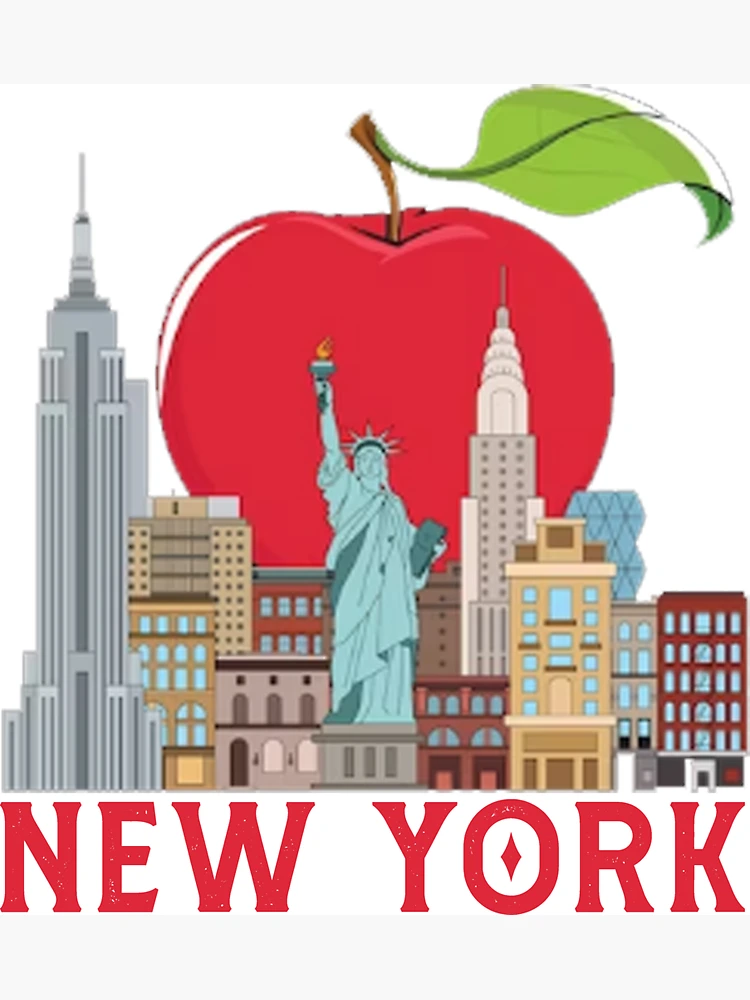
The vibrant metropolis of New York City is known by many names – the City That Never Sleeps, the Empire City, Gotham – but perhaps none is as beloved, iconic, and universally recognized as “The Big Apple.” This playful yet powerful moniker has become synonymous with the spirit, scale, and boundless opportunities found within this bustling hub of the United States. For travelers, the phrase conjures images of towering skyscrapers, world-class entertainment, diverse cultures, and an energy that is truly one-of-a-kind. But where did this unique nickname come from, and how did it become so deeply ingrained in the identity of one of the world’s most sought-after travel destinations?
Understanding the origins of “The Big Apple” offers a fascinating glimpse into the history of New York City itself, reflecting its evolution from a dynamic center of entertainment and sport to a global capital of tourism, business, and lifestyle. This article delves into the intriguing etymology of the name, explores its popularization, and connects it to the myriad reasons why millions flock to experience the grandeur and grit of this extraordinary urban landscape, seeking everything from luxurious accommodations and unforgettable attractions to authentic cultural experiences and unparalleled city guides.
Unpacking the Origins: From Race Tracks to Jazz Clubs
The story of “The Big Apple” is more complex and less romantic than many might assume, having roots not in fruit orchards, but in the competitive world of horse racing and, subsequently, the pulsating rhythms of jazz music. The journey of the nickname began to coalesce in the early 20th century, a time when New York City was rapidly solidifying its reputation as a place where dreams were pursued, and fortunes could be made – or lost.
The Horse Racing Connection
The most widely accepted theory attributes the popularization of “The Big Apple” to John J. Fitz Gerald, a sports writer for the New York Morning Telegraph. In the early 1920s, Fitz Gerald began using the term in his horse racing column, “Around the Big Apple,” which chronicled the races held in and around New York City. He first heard the phrase from stable hands in New Orleans, who referred to New York’s racecourses as “the Big Apple,” signifying the significant prizes and opportunities available there. For these jockeys and trainers, winning in New York meant reaching the pinnacle of their profession – the ultimate reward, the biggest prize, the “big apple” on the tree of their aspirations.
Fitz Gerald’s column cemented the term within the racing community. He even wrote in a February 1924 column: “The Big Apple. The dream of every lad that ever threw a leg over a thoroughbred and the goal of all horsemen. There’s only one Big Apple. That’s New York.” This early usage highlighted the city’s allure as a place of major opportunity and success, a central theme that would resonate through its later adoption by various subcultures.
The Jazz Age and Beyond
While Fitz Gerald may have introduced the phrase to a wider public, it was the vibrant jazz musicians of the 1930s who truly embraced and spread its appeal. For jazz artists, particularly those from the South making their way north, playing in New York City’s legendary clubs – especially those in Harlem and Midtown Manhattan – represented the zenith of their careers. There was a common saying among them: “There are many apples on the tree, but only one Big Apple.” This referred to New York City as the ultimate gig, the place where true talent was recognized and rewarded on the grandest stage.
This era saw the nickname transition from a niche term in the sporting world to a more broadly recognized symbol within artistic and entertainment circles. The rhythm and energy of jazz music mirrored the pulsating life of the city, making “The Big Apple” a fitting metaphor for its irresistible draw.

The Evolution of a Cultural Icon: From Obscurity to Global Brand
Despite its roots in the 1920s and 30s, “The Big Apple” did not immediately become the ubiquitous nickname it is today. For several decades, its usage remained somewhat localized or known primarily to those familiar with racing or jazz history. It wasn’t until a deliberate marketing effort in the 1970s that the phrase truly captured the imagination of the public and became an internationally recognized emblem of New York City.
A Campaign to Restore Pride
By the 1970s, New York City was facing a period of significant urban decay, economic hardship, and a tarnished public image. Crime rates were high, and tourism had suffered. In an effort to revitalize the city’s spirit and attract visitors, the New York Convention and Visitors Bureau (now NYC & Company) launched a promotional campaign spearheaded by its president, Charles Gillett. Recognizing the existing, albeit somewhat obscure, nickname, Gillett embraced “The Big Apple” as a cheerful, inviting, and nostalgic symbol that could help rebrand the city.
The campaign distributed red apple pins to tourism professionals and featured the phrase prominently in promotional materials. The imagery of a vibrant, juicy apple resonated with a desire for freshness, health, and vitality, starkly contrasting with the city’s prevailing negative perceptions. This strategic and widespread deployment of the nickname transformed it from a historical curiosity into a powerful marketing tool, helping to rekindle local pride and attract a new wave of visitors. It succeeded in painting New York City as a place of excitement and opportunity once more, signaling its resurgence as a premier travel destination.
The Enduring Symbolism for Travelers
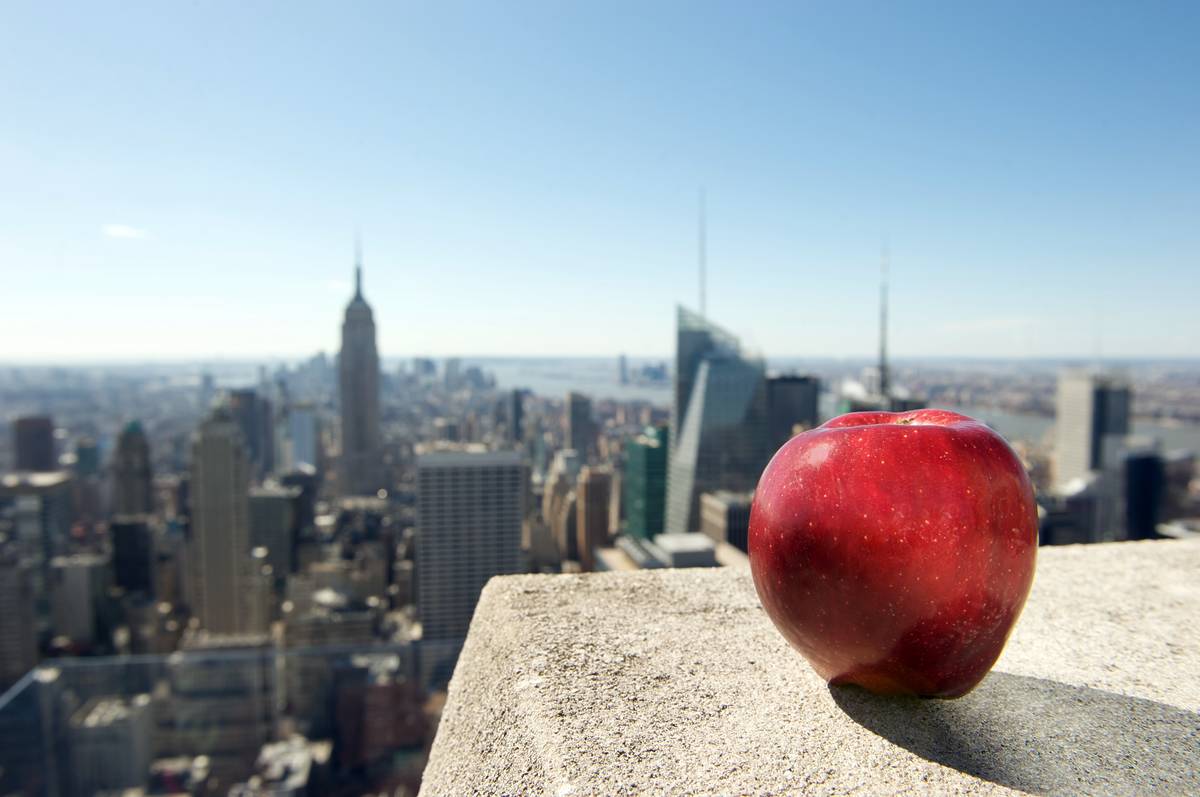
Today, “The Big Apple” stands as a testament to New York City’s resilience and its perpetual status as a global magnet. For travelers planning their next adventure, the name encapsulates the sheer scale and variety of experiences that await. It symbolizes the grand opportunities – whether for career, culture, or simply personal growth – and the vibrant, diverse energy that makes New York unlike any other city in the world. From the moment one steps off the plane, the promise of the “Big Apple” is palpable: a promise of discovery, excitement, and a truly unforgettable journey. It has become a global brand, recognized in every corner of the world, from London to Paris, Tokyo to Sydney, symbolizing not just a city, but a feeling of limitless potential.
The Big Apple’s Enduring Allure for Travelers
The nickname “The Big Apple” perfectly encapsulates the grand scale and diverse offerings that make New York City an unparalleled destination for travel, tourism, and lifestyle experiences. It’s a place where every kind of traveler, from the luxury seeker to the budget adventurer, from families on vacation to business professionals, can find exactly what they’re looking for, and often, much more.
Landmarks and Attractions That Define the Apple
When one thinks of the “Big Apple,” images of its iconic landmarks immediately spring to mind. These are the crown jewels that attract millions each year, forming the very essence of New York’s global appeal:
- Broadway and Times Square: The dazzling lights, electrifying energy, and world-class theatrical productions are a quintessential “Big Apple” experience. Whether it’s catching a classic musical or witnessing the vibrant street performances, this area defines the city’s entertainment heartbeat.
- Central Park: A sprawling urban oasis, offering a serene escape from the concrete jungle. Travelers can enjoy leisurely strolls, picnics, ice skating in winter, or visit attractions like the Central Park Zoo and Strawberry Fields. It’s a perfect example of nature coexisting with urban grandeur, a key element of NYC’s lifestyle offerings.
- Statue of Liberty and Ellis Island: Symbols of freedom and hope, these historical landmarks offer profound insights into the United States’ immigrant past and present. A ferry ride to these sites provides not only history but also breathtaking views of the Manhattan skyline.
- Empire State Building and One World Observatory: These architectural marvels offer unparalleled panoramic views of the entire city, allowing visitors to truly grasp the monumental scale of the “Big Apple.” Ascending to their observation decks is an essential part of any visitor’s guide to New York.
- World-Class Museums: The Metropolitan Museum of Art, the Museum of Modern Art (MoMA), the Guggenheim Museum, and the American Museum of Natural History showcase centuries of human creativity, innovation, and scientific discovery. They are critical attractions for those interested in culture and history.
- Brooklyn Bridge: A timeless engineering masterpiece, offering stunning city views and a memorable walk between Manhattan and Brooklyn.
- Rockefeller Center: Home to Radio City Music Hall, the Top of the Rock observation deck, and the iconic ice-skating rink, it’s a hub of entertainment and activity, especially vibrant during the holiday season.
- Grand Central Terminal: More than just a transportation hub, it’s an architectural wonder, a testament to the city’s enduring grandeur and a must-see for its historic beauty.
- The High Line: An innovative elevated park built on historic freight rail lines, offering unique perspectives of the city’s architecture and urban gardens.
These destinations and countless others underscore why New York City is a top-tier travel experience, appealing to diverse interests from history buffs to art enthusiasts and nature lovers.
From Luxury Stays to Boutique Retreats: Accommodation in the Big Apple
The “Big Apple” offers an unparalleled range of accommodations, catering to every budget and preference. From opulent resorts to charming boutique hotels and practical serviced apartments, the city ensures that every visitor finds their perfect home away from home.
- Luxury Hotels and Resorts: For those seeking the pinnacle of indulgence, New York boasts world-renowned luxury establishments such as The Plaza Hotel overlooking Central Park, The St. Regis New York with its impeccable service, The Langham, New York, Fifth Avenue, the Ritz-Carlton New York in NoMad, or the Four Seasons Hotel New York Downtown. These hotels offer sumptuous suites, gourmet dining, state-of-the-art amenities, and concierge services that elevate any stay into an unforgettable lifestyle experience.
- Boutique Hotels: For a more personalized and intimate experience, trendy neighborhoods like Greenwich Village, SoHo, and the Meatpacking District are home to stylish boutique hotels. Establishments like the Gansevoort Meatpacking NYC, Arlo NoMad, or The Chatwal, a Luxury Collection Hotel provide unique designs, local character, and a sophisticated atmosphere.
- Budget-Friendly Options: Travelers on a budget will find numerous options, from well-located hostels to economical chain hotels across Manhattan and the outer boroughs of Brooklyn, Queens, and The Bronx. The city’s extensive public transport system makes it easy to access major attractions from almost anywhere.
- Apartments and Long-term Stays: For those planning an extended visit or seeking a home-like environment, serviced apartments and vacation rentals are readily available. These options provide kitchens, more living space, and a chance to experience local culture firsthand, making them ideal for family trips or business stays. Websites offer robust comparison and booking tools for accommodation reviews, ensuring travelers find the perfect fit.
The diversity in accommodation ensures that whether one is on a business trip needing efficient amenities, a family looking for spacious suites, or a couple seeking a romantic hideaway, the “Big Apple” delivers.
Savoring the Flavors of the City: Food, Culture, and Lifestyle
New York City’s appeal extends far beyond its landmarks and places to stay. It is a melting pot of cultures, reflected vividly in its unparalleled culinary scene, its vibrant arts, and its dynamic lifestyle.
- Culinary Adventures: From Michelin-starred fine dining to humble street food vendors, New York offers a gastronomic journey around the world. Neighborhoods like the Lower East Side and Flushing, Queens are renowned for their authentic ethnic eateries, while Manhattan boasts a concentration of celebrity chef restaurants. Food tours are popular activities, allowing visitors to taste the diverse flavors of the city.
- Arts and Entertainment: Beyond Broadway, the city is a mecca for performing arts. Venues like Carnegie Hall, the Metropolitan Opera, Madison Square Garden, and the Apollo Theater host world-class musicians, dancers, and sports events. Independent theaters, comedy clubs, and live music venues in areas like Greenwich Village offer more intimate cultural experiences.
- Shopping and Fashion: Fifth Avenue remains a global icon for luxury shopping, while areas like SoHo and West Village provide unique boutiques and local designers. From high-end fashion to quirky souvenirs, the “Big Apple” is a shopper’s paradise, with outlets like Empire Outlets on Staten Island and Woodbury Common Premium Outlets nearby offering discount deals.
- Diverse Neighborhoods: Exploring New York’s distinct neighborhoods is a key part of understanding its local culture. Each borough and district has its own unique character, history, and charm, offering a mosaic of experiences for the intrepid traveler. From the historic brownstones of Brooklyn to the vibrant communities of Queens, the city is a tapestry of different worlds.
This rich tapestry of experiences ensures that “The Big Apple” offers not just sights to see, but a lifestyle to immerse oneself in, whether for a short trip or a longer stay.
Conclusion: The Enduring Charm of the Big Apple
The nickname “The Big Apple” has evolved significantly since its early days in horse racing columns and jazz clubs. What started as a metaphor for a grand prize or a top-tier opportunity has become a universally recognized symbol of New York City itself – a city that embodies ambition, cultural diversity, and boundless energy. Thanks to a strategic marketing campaign in the 1970s, the phrase was cemented in the global consciousness, transforming a historic anecdote into a powerful brand.
For travelers worldwide, “The Big Apple” represents the ultimate destination. It promises an experience filled with iconic landmarks like the Statue of Liberty and the Empire State Building, world-class attractions from Broadway shows to museums like the Metropolitan Museum of Art, and a vibrant lifestyle offering everything from luxury hotels like The Plaza Hotel to diverse culinary adventures. It caters to every type of visitor – from those seeking the glamour of Fifth Avenue and high-end suites to those exploring local cultures in Greenwich Village or enjoying budget-friendly options.
The “Big Apple” is more than just a name; it’s an invitation to explore a city that continually reinvents itself, offering new experiences with every visit. It captures the essence of a place where dreams are chased, cultures collide, and the spirit of opportunity forever beckons. As a premier destination for travel, accommodation, tourism, and lifestyle, New York City truly lives up to its grand, delicious moniker – the one and only “Big Apple.”