
The electrifying sound of Boston, characterized by soaring guitars and the unmistakable, pristine vocals of Brad Delp, defined an era of rock music. Their debut album, released in 1976, became one of the best-selling of all time, launching them into an orbit of international fame and solidifying their place in music history. Yet, beneath the veneer of rock ‘n’ roll glory and the thrill of packed stadiums, a silent struggle was unfolding. On March 9, 2007, the music world was shaken by the tragic news: Brad Delp, the iconic voice of Boston, had died by suicide at his home in Andover, New Hampshire. His passing left fans and peers grappling with an profound question: why did such a beloved and seemingly successful figure take his own life?
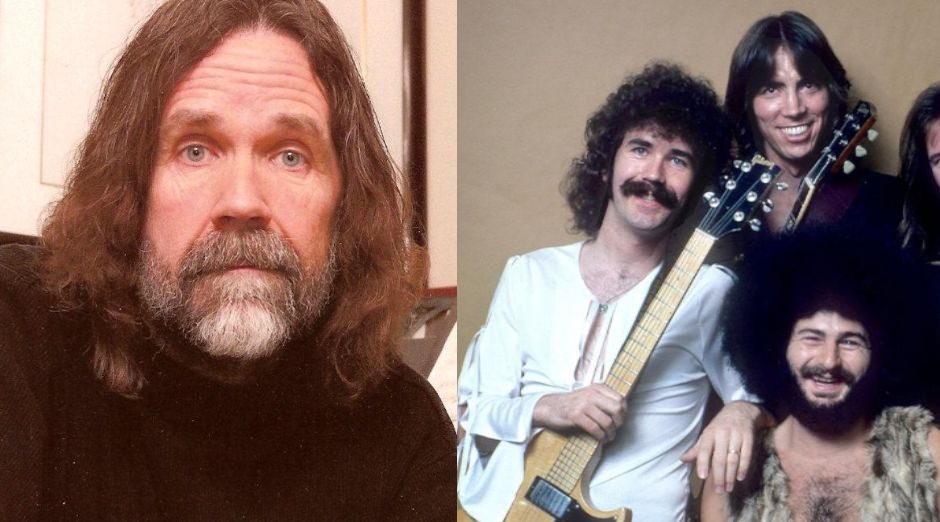
This article delves into the life and legacy of Brad Delp, exploring the known factors that contributed to his untimely death, including the immense pressures of the music industry, the demands of the touring lifestyle, and the often-hidden battles with mental health that can afflict even the most celebrated individuals. We aim to shed light on the complexities of his struggle, contextualizing it within the broader conversation about mental well-being, particularly for those living lives under intense public scrutiny, which resonates deeply with discussions around the lifestyles, accommodations, and destinations that shape the human experience.
The Voice Behind the Legend: Brad Delp’s Enduring Legacy
Born in Peabody, Massachusetts, in 1951, Brad Delp possessed a vocal talent that was nothing short of extraordinary. His multi-octave range, pristine clarity, and emotional depth made him one of the most distinctive singers in rock history. Before joining Boston, Delp honed his skills in various local bands around the New England area. It was his collaboration with multi-instrumentalist and MIT engineer Tom Scholz that would ultimately forge the sound that would captivate millions.
The self-titled debut album, “Boston,” released in 1976, was an immediate phenomenon. Featuring timeless hits like “More Than a Feeling,” “Peace of Mind,” and “Foreplay/Long Time,” the album showcased Delp’s powerful vocals perfectly complementing Scholz’s intricate, layered guitar work and production. The album went on to sell over 17 million copies in the United States alone, making it one of the best-selling debut albums of all time. Suddenly, Delp was propelled from relative obscurity to the pinnacle of rock stardom, performing in iconic venues across North America, Europe, and beyond.
The Rise to Stardom and Unprecedented Success
The meteoric rise of Boston was a double-edged sword. While it brought immense success, adoration, and the opportunity to travel the globe, it also brought unprecedented pressure. The band’s meticulous approach to songwriting and production, coupled with legal battles and internal tensions, meant that subsequent albums were slow to materialize. Their second album, “Don’t Look Back,” was released in 1978, followed by “Third Stage” in 1986, each marked by significant gaps. During these periods, Brad Delp often sought other musical outlets, including contributing vocals to projects like Orion the Hunter and, later, a supergroup called RTZ with fellow Boston member Barry Goudreau.
Despite the challenges, Brad Delp remained the quintessential voice of Boston, participating in tours that brought their classic sound to new generations of fans. These tours were often extensive, taking him to diverse destinations, from bustling metropolises like New York and Los Angeles to international cities such as London and Tokyo. For many, the lifestyle of a touring musician embodies a sense of ultimate freedom and luxury travel, but as we will explore, it often comes with its own unique set of stresses.
The Pressures of Fame and the Touring Lifestyle
The image of a rock star living a glamorous life, staying in luxurious hotels and jet-setting to exotic locales, is often far from the reality for many musicians. While there are certainly perks to the lifestyle, the relentless demands of touring, constant public scrutiny, and the inherent instability of the music industry can take a significant toll on mental and emotional well-being. For Brad Delp, a private and introverted individual, these pressures may have been particularly challenging.
The Relentless Pace of Tour Life
Touring schedules are notoriously gruelling. Musicians spend weeks, sometimes months, away from home, living out of suitcases in various hotel rooms, and performing night after night. The constant travel, often across multiple time zones, disrupts sleep patterns and makes it difficult to maintain a healthy routine. While experiencing the local culture and attractions of a new city can be exhilarating for some, for others, the exhaustion and isolation can be overwhelming. One day you might be enjoying the vibrant nightlife of Las Vegas, the next navigating the crowds at Universal Studios or Disney World in Florida, only to be back on a bus or plane, heading to the next gig.
This transient existence can make it difficult to maintain stable personal relationships, as family and friends are left behind. The constant cycle of performing, meeting fans, and traveling leaves little time for personal reflection or self-care. For someone like Brad Delp, who was known for his grounded nature and commitment to his family, the prolonged periods away from his home in New Hampshire must have created a significant emotional strain. The disconnect between the roaring applause on stage and the quiet solitude of a hotel room can be profound, highlighting the stark contrasts within the rock star lifestyle.
The Weight of Expectation and Perfectionism
The success of Boston’s debut album set an incredibly high bar. Each subsequent release was met with immense anticipation, and the pressure to replicate that initial magic was immense. For Brad Delp, whose voice was such a critical component of the band’s signature sound, this meant constant scrutiny and the expectation of vocal perfection, night after night. Even minor fluctuations in performance could be magnified by critics and fans alike.
Furthermore, Tom Scholz’s meticulous and perfectionist approach to recording often led to lengthy album production cycles, exacerbating tensions within the band. While this dedication resulted in impeccably crafted music, it also meant periods of intense work and potentially frustrating delays. This environment could be particularly challenging for a vocalist, whose instrument is their own body and mind, making them uniquely susceptible to the psychological toll of such demanding standards. The pursuit of artistic excellence, while admirable, can inadvertently contribute to significant mental health challenges when it becomes intertwined with external expectations and internal perfectionism.
Unseen Battles: The Struggle with Mental Health
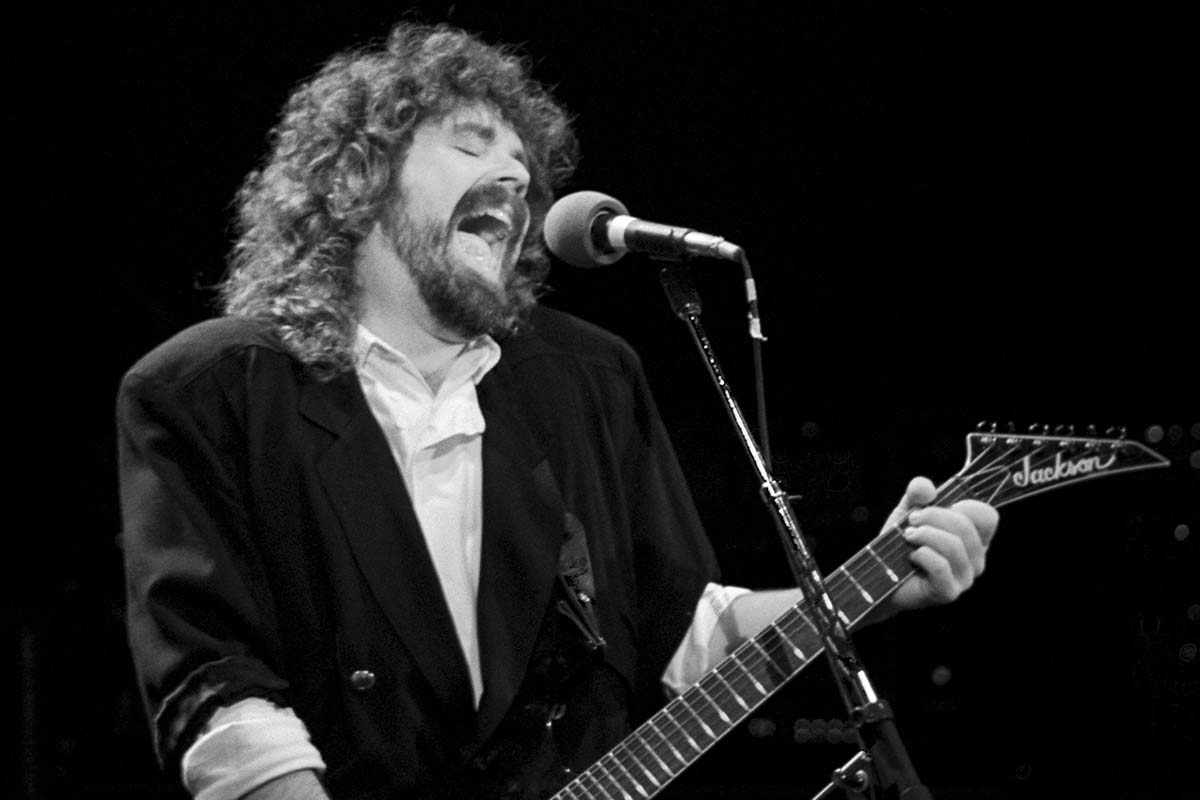
While the glitz and glamour of the music industry are often what the public sees, the reality is that mental health struggles are tragically common among artists. The very traits that can make someone a compelling performer – sensitivity, introspection, creativity – can also make them vulnerable to conditions like depression and anxiety. For years, Brad Delp’s private struggles remained largely out of the public eye, only coming to light after his death.
The Quiet Suffering of an Icon
Friends and family revealed that Brad Delp had battled with depression for many years. Despite his sunny stage persona and his reputation as a kind and gentle soul, he grappled with profound internal sadness. Depression is a complex illness, often invisible to outsiders, and can affect anyone, regardless of their success or outward appearance. It’s a condition that can be exacerbated by isolation, stress, and the demanding schedules common in the entertainment industry, where a performer might move from the energy of a sold-out stadium in Mexico to the quiet of a hotel in Canada in a matter of days.
The stigma surrounding mental illness often prevents individuals from seeking help or openly discussing their struggles, particularly for public figures who may feel immense pressure to maintain an image of strength and happiness. Delp was known for his warmth and approachability, qualities that made him beloved by fans and fellow musicians like Sammy Hagar and members of Stryper, but these external traits can often mask deep internal turmoil. The disconnect between his public persona and private pain is a poignant reminder that mental health issues do not discriminate.
Warning Signs and Final Moments
In the days leading up to his death, there were reports from his fiancée, Pamela Sullivan, and ex-wife, Mickie Delp, and friends that Delp had been experiencing a particularly low period. While the specific triggers remain personal and complex, his note explicitly referenced a feeling of being a “lonely soul” and indicated that he had lost the will to live. He sealed himself in his bathroom, igniting two charcoal grills, and died of carbon monoxide poisoning. The method he chose, which produces no sound and causes loss of consciousness, tragically reflects a desire to avoid pain for himself and those who might discover him.
His death certificate listed “suicide” as the cause, ending years of speculation and confirming the profound mental anguish he must have endured. The shockwaves of his passing served as a tragic awakening for many in the music community and beyond, highlighting the urgent need for greater awareness and support for mental health challenges.
A Tragic Farewell: The Day That Shook the Music World
The news of Brad Delp’s death sent shockwaves through the music industry and his vast fanbase. The sudden loss of such a vibrant and distinctive voice was difficult to comprehend, especially given his reputation as one of rock’s most genuinely kind and unassuming figures. His passing prompted an outpouring of grief and remembrance, underscoring the deep impact he had on countless lives.
The Immediate Aftermath and Public Reaction
On March 9, 2007, Brad Delp’s fiancée, Pamela Sullivan, discovered him unresponsive in his Andover home after noticing a dryer vent tube taped to the door. Emergency services were called, but it was too late. The news spread quickly, leaving fans, fellow musicians, and industry insiders reeling. Tributes poured in from around the world, remembering his incredible talent and his gentle spirit. Tom Scholz issued a statement expressing his profound sadness, acknowledging the “huge hole in [his] heart.” Many spoke of Delp’s kindness, humor, and generosity, further emphasizing the tragedy of his hidden suffering.
The subsequent revelation that his death was a suicide brought a different kind of anguish, prompting difficult but necessary conversations about mental health. For a generation that grew up with Boston’s anthems, the idea that the voice behind such uplifting songs could be battling such darkness was a stark reminder of the complexities of the human experience. The event also sparked a deeper look at the support systems available for artists within the demanding entertainment industry, which often sees individuals crisscrossing continents from South America to Australia and Africa, without consistent access to mental health resources.
Honoring His Memory and Continuing the Conversation
In the months and years following his death, efforts were made to honor Brad Delp’s legacy and to raise awareness about mental health. A tribute concert was held in Boston, featuring members of the band and other notable musicians, with proceeds benefiting various charities. His former bandmates, friends, and family spoke openly about his struggles, hoping to destigmatize mental illness and encourage others to seek help.
The narrative surrounding Brad Delp’s death shifted from mere shock to a more empathetic understanding of the underlying causes. It became a powerful case study, illustrating that success, fame, and outward happiness are not always indicators of inner peace. His story serves as a poignant reminder that mental health is as critical as physical health, and that open dialogue and accessible resources are vital for everyone, particularly those navigating high-pressure careers and transient lifestyles common in industries like entertainment and competitive business travel.
Beyond the Music: Remembering Brad Delp and Fostering Awareness
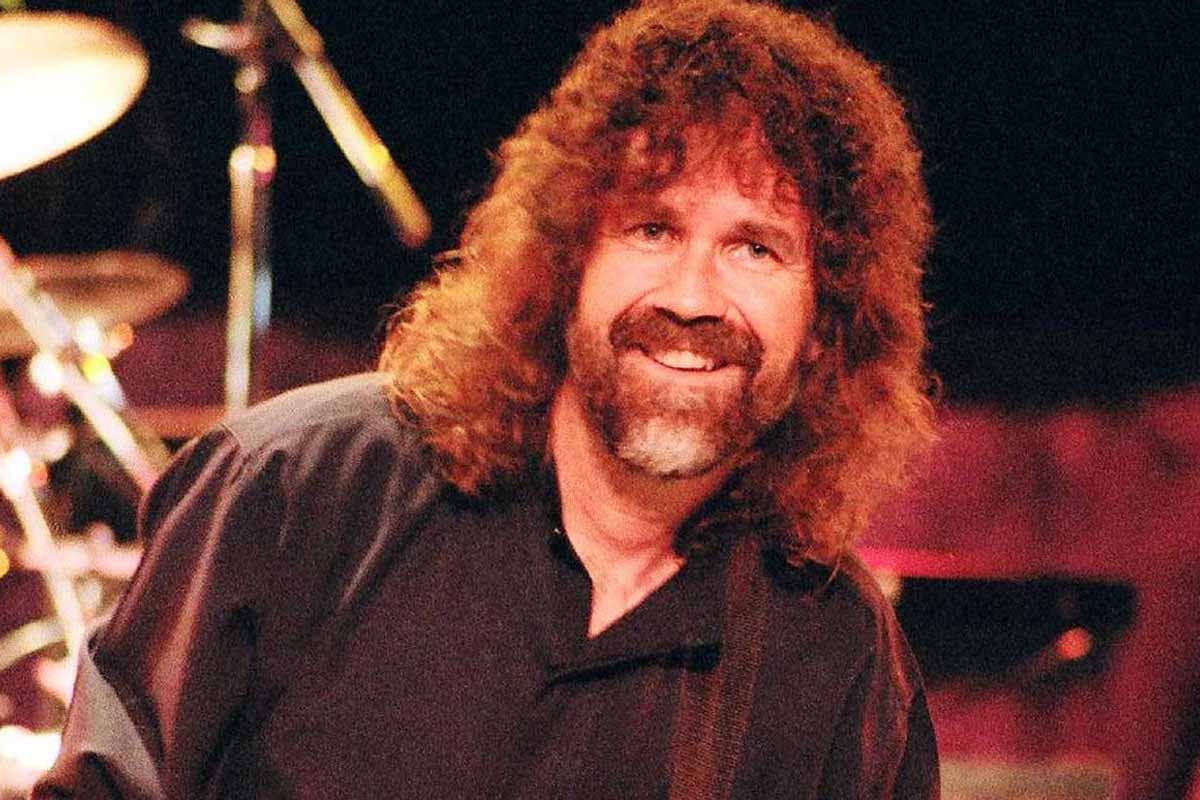
Brad Delp’s death was a profound loss, not only to the music world but to everyone who knew him or was touched by his unique talent. The answer to “Why did the lead singer of Boston kill himself?” is not simple; it’s a complex interplay of personal struggle, the intense demands of his profession, and the insidious nature of depression. He was a kind, gifted man who, despite immense success and public adoration, wrestled with inner demons that ultimately proved overwhelming.
His legacy extends beyond the unforgettable songs he helped create. It now includes a crucial message about the importance of mental health awareness. His story reminds us that even those who seem to “have it all” can be battling silently. For organizations promoting tourism, travel, and lifestyle experiences, understanding the human element behind these grand narratives is vital. Whether it’s the solo traveler exploring a new landmark, the family on vacation, or the business executive navigating international accommodation in a luxury resort, the underlying well-being of individuals must be considered.
By openly discussing the factors that contributed to Brad Delp’s tragic end – from the pressures of fame to the silent battle with depression – we honor his memory not just as an iconic voice, but as a human being whose story can help others. It underscores the importance of fostering environments where individuals feel safe to seek help, where mental health is prioritized, and where empathy and understanding prevail. His voice may have been silenced too soon, but the conversation his death sparked continues to resonate, urging us all to listen more closely and offer support to those who might be suffering in silence, regardless of their public status or the glittering façade of their lives.
LifeOutOfTheBox is a participant in the Amazon Services LLC Associates Program, an affiliate advertising program designed to provide a means for sites to earn advertising fees by advertising and linking to Amazon.com. Amazon, the Amazon logo, AmazonSupply, and the AmazonSupply logo are trademarks of Amazon.com, Inc. or its affiliates. As an Amazon Associate we earn affiliate commissions from qualifying purchases.