
The allure of Hawaii is undeniable. For many, it conjures images of pristine beaches, lush volcanic landscapes, and the gentle sway of palm trees, embodying the ultimate tropical getaway. Its vibrant culture, distinct from mainland America, makes it a dream destination for travelers seeking unique experiences, whether exploring the bustling streets of Honolulu or hiking to the summit of Diamond Head. Yet, beneath this idyllic veneer lies a complex history, one shaped by geopolitical ambitions, economic interests, and a poignant struggle for sovereignty that ultimately led to the annexation of the Kingdom of Hawaii by the United States.
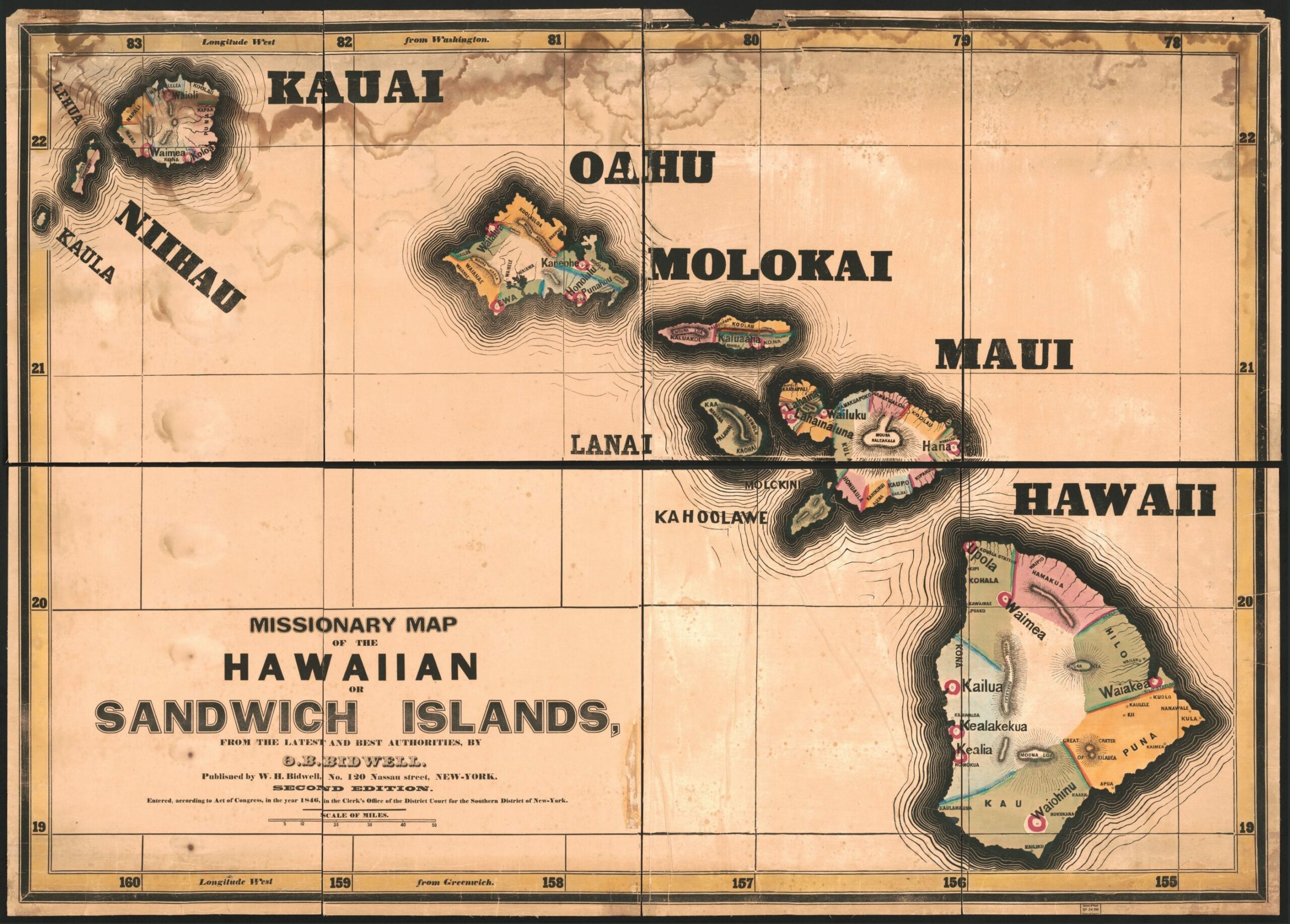
Understanding why the United States moved to annex Hawaii requires a deep dive into the late 19th century, a period marked by global expansionism, the rise of American power, and the strategic importance of islands dotting the Pacific Ocean. This wasn’t a simple act but the culmination of decades of increasing American influence, economic entanglement, and a series of political maneuvers that would forever alter the destiny of this island nation. For anyone interested in the history behind this iconic travel destination, the story of its annexation is as compelling as its natural beauty, offering insights into its unique blend of cultures and its enduring appeal to visitors from across the globe.
A Sovereign Kingdom in the Pacific: Early Encounters and Growing Influence
Before it became a territory of the United States, Hawaii was a unified and recognized sovereign nation, a beacon of Polynesia in the vast Pacific. Its strategic location, roughly equidistant from North America and Asia, made it an irresistible stopover for whalers, traders, and explorers traversing the ocean, naturally integrating it into global maritime networks. The story of Hawaii’s journey from an independent monarchy to an American territory is intrinsically linked to these early interactions, which initially brought prosperity but eventually led to its downfall.
The Rise of the Kamehameha Dynasty
The unification of the Hawaiian Islands under King Kamehameha I by 1810 marked the birth of a formidable monarchy. The Kamehameha Dynasty established a stable and recognized government, fostering diplomatic relations with major global powers, including Great Britain, France, and the United States. This early period saw the islands thrive, attracting a diverse array of visitors and settlers who contributed to its burgeoning economy. For travelers today, landmarks like Iolani Palace, the only official residence of royalty in the United States, stand as a powerful testament to this rich monarchical past, inviting visitors to step back in time and explore the opulent lives of Hawaii’s kings and queens. Its historical significance makes it a key attraction for those interested in local culture and the island’s unique heritage.
Whalers, Missionaries, and Merchants: Seeds of Change
The arrival of American missionaries in 1820 signaled a profound shift. While ostensibly focused on spiritual conversion, they also introduced Western customs, laws, and economic practices, profoundly altering Hawaiian society. Simultaneously, American and European whaling ships flocked to Hawaiian ports, turning towns like Lahaina on Maui and Honolulu on Oahu into bustling centers of trade and activity. These interactions, while bringing wealth and new ideas, also introduced diseases that devastated the native Hawaiian population and created a growing foreign presence with significant economic leverage.
The mid-19th century saw the rise of the sugar industry, largely driven by American entrepreneurs. The fertile volcanic soil and ideal climate of Hawaii proved perfect for cultivating sugarcane, which quickly became the islands’ primary export. These American-owned sugar plantations, requiring vast tracts of land and a substantial workforce, began to dominate the Hawaiian economy, leading to calls for closer political ties with the United States to secure favorable trade agreements and ensure the stability of their investments. This economic reliance would become a critical factor in the unfolding drama of annexation.
The Strategic Importance and Economic Lure for the United States
The motivation for the United States to annex Hawaii was multifaceted, driven by a powerful confluence of economic ambition, strategic military necessity, and the prevailing expansionist ideology of the era. The islands were not merely a tropical paradise; they were viewed as a crucial piece in America’s geopolitical puzzle, essential for securing its interests in the Pacific and beyond.
The Sugar Empire and Reciprocity
The burgeoning sugar industry was the primary economic driver. American planters, many of whom were descendants of early missionaries, had invested heavily in Hawaiian plantations. They sought to eliminate tariffs on Hawaiian sugar entering the United States market, which would significantly boost their profits. The Reciprocity Treaty of 1875 addressed this by allowing Hawaiian sugar to enter the United States duty-free, in exchange for similar concessions for American goods in Hawaii. This treaty deeply intertwined the two economies and made Hawaii almost entirely dependent on the American market.
However, the treaty came with a significant caveat. In 1887, it was renewed with an amendment granting the United States exclusive rights to use Pearl Harbor as a naval coaling and repair station. This was a critical step, establishing a permanent American military presence on the islands and setting the stage for future annexation. From a modern travel perspective, a visit to the Pearl Harbor memorials offers a poignant reminder not only of World War II history but also of the long-standing strategic importance of this location, which continues to shape Hawaii’s role in global affairs.
Manifest Destiny and Pacific Power
Beyond economic interests, the annexation of Hawaii was a clear manifestation of the American ideology of “Manifest Destiny,” the belief in the inherent right and duty of the United States to expand its dominion across the North American continent and into the Pacific. As European powers like Great Britain, France, and Germany competed for colonial possessions globally, the United States saw Hawaii as a crucial stepping stone to becoming a major Pacific power.
The islands offered an ideal naval base and coaling station for steamships, essential for projecting American influence across the Pacific and enabling trade with Asia. Control of Hawaii would protect the west coast of the United States and provide a strategic outpost for any future naval conflicts. This geopolitical foresight ultimately proved accurate, as Pearl Harbor played a pivotal role in the 20th century. For today’s visitor, the presence of military installations like those around Pearl City serves as a constant reminder of this strategic heritage, often integrated into broader cultural and historical tours.
The Overthrow of the Monarchy and the Path to Annexation

The growing American influence in Hawaii eventually clashed with the deep-seated desire of the native Hawaiians and their monarchy to maintain independence. This tension culminated in a series of events that led to the illegal overthrow of the kingdom and the establishment of a provisional government controlled by American interests, paving the way for annexation.
The Bayonet Constitution (1887)
The turning point came in 1887 with the imposition of the so-called “Bayonet Constitution.” A group of powerful non-native Hawaiian businessmen and politicians, primarily American, formed the Hawaiian League. Backed by an armed militia, they forced King Kalākaua to sign a new constitution at gunpoint. This document drastically reduced the monarch’s power, stripping him of executive authority and disenfranchising many native Hawaiians by imposing property and income qualifications for voting. It consolidated power in the hands of the foreign elite, securing their economic interests and severely undermining Hawaiian sovereignty. This event remains a contentious point in Hawaiian history and is often highlighted in cultural tours focusing on the struggles of the Hawaiian people.
Queen Liliʻuokalani’s Struggle for Sovereignty
Upon her ascension to the throne in 1891, Queen Liliʻuokalani bravely sought to restore power to the monarchy and the native Hawaiian people. Her primary goal was to promulgate a new constitution that would reverse the discriminatory provisions of the Bayonet Constitution and safeguard the kingdom’s independence. However, her efforts were met with fierce resistance from the pro-annexationist faction, primarily American and European businessmen, who feared losing their political and economic dominance.
On January 17, 1893, with the support of armed militia (the “Committee of Safety”) and the unauthorized landing of United States Marines from the USS Boston, Queen Liliʻuokalani was overthrown. To avoid bloodshed, she surrendered under protest, appealing to the United States government for justice. Her poignant statement, “I yield my authority until such time as the Government of the United States shall, upon the facts being presented to it, undo the action of its representatives and reinstate me in the authority which I claim as the constitutional sovereign of the Hawaiian Islands,” encapsulates the injustice of the situation. Visitors to Iolani Palace can feel the echoes of this dramatic history, as the Queen was imprisoned within its walls, a testament to her courage and the tragic loss of her kingdom.
The Republic of Hawaii and US Political Maneuvers
Following the overthrow, the “Committee of Safety” established a provisional government, declaring itself the Republic of Hawaii in 1894, with Sanford B. Dole, a prominent American lawyer and businessman, as its president. This government’s explicit aim was annexation by the United States.
However, not all in the United States supported this move. President Grover Cleveland, a staunch anti-imperialist, investigated the overthrow and concluded that it was an illegal act perpetrated by American citizens with the unauthorized assistance of U.S. diplomatic and military personnel. He condemned the actions and sought to restore Queen Liliʻuokalani to her throne, but the Republic of Hawaii refused to comply.
The political tides turned with the election of President William McKinley in 1896, who was a fervent proponent of American expansionism. The outbreak of the Spanish-American War in 1898 provided the final impetus for annexation. The war highlighted the strategic importance of Hawaii as a mid-Pacific coaling station for American naval forces en route to the Philippines and Cuba. Public and political support for annexation surged, framed as a wartime necessity.
Ultimately, the United States Congress passed the Newlands Resolution on July 7, 1898, annexing Hawaii as an American territory. This bypassed the need for a treaty, which would have required a two-thirds vote in the Senate and likely faced opposition. The formal transfer of sovereignty took place on August 12, 1898, marking the end of the Hawaiian monarchy and the beginning of Hawaii’s journey as part of the United States.
The Legacy of Annexation and Modern Hawaii
The annexation of Hawaii remains a complex and often sensitive topic, but its impact on the islands is undeniable. It shaped the economic, social, and cultural fabric of what would eventually become the 50th U.S. state. Today, Hawaii stands as a vibrant example of cultural fusion, a top-tier travel destination, and a place where the echoes of its past continue to influence its present.
Statehood and Economic Transformation
After decades as a territory, Hawaii achieved statehood in 1959. This brought full political representation and further integrated the islands into the American economy. While sugar and pineapple remained important for a time, tourism rapidly emerged as the dominant industry. The advent of air travel made the islands accessible to a broader range of visitors, transforming places like Waikiki into iconic resort areas. Today, the tourism industry supports countless jobs and businesses, from luxury hotels and resorts to local eateries and tour operators, making Hawaii a prime example of a destination built around experiences and attractions. The modern infrastructure, including international airports and diverse accommodation options, is a direct result of this growth, offering everything from opulent suites in Maui to charming villas on Kauai.
Cultural Renaissance and Preservation
Despite the profound changes brought by annexation and statehood, Hawaiian culture has shown remarkable resilience. In recent decades, there has been a significant cultural renaissance, with renewed interest in the Hawaiian language, hula, traditional arts, and indigenous practices. Efforts to preserve sacred sites, educate visitors about the history of the monarchy, and promote authentic Hawaiian experiences are widespread. Many tourist activities now emphasize learning about the local culture, encouraging visitors to engage respectfully with the history and traditions of the islands. This focus on cultural preservation ensures that while Hawaii embraces modern tourism, it never forgets its roots as a proud and independent kingdom. Exploring destinations like the Bishop Museum in Honolulu offers invaluable insights into Polynesian and Hawaiian history, artifacts, and natural sciences.
A Unique American State
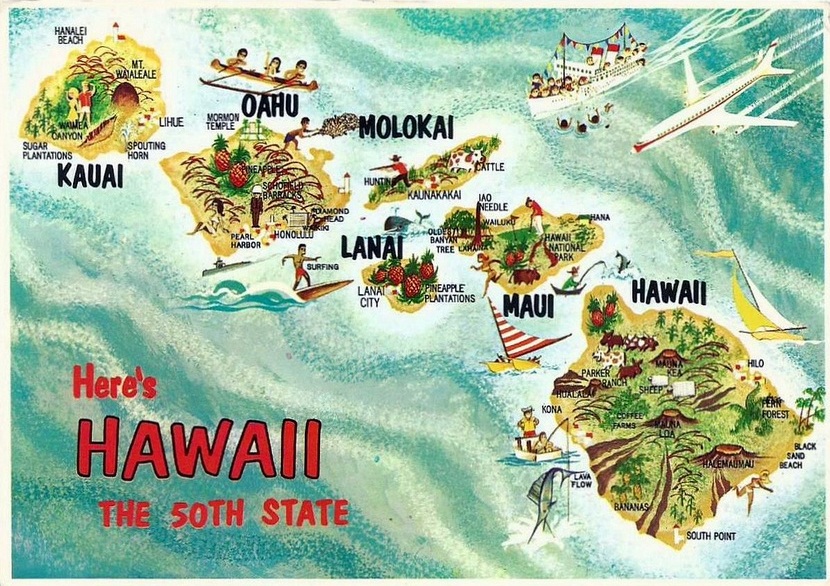
Hawaii today is a unique blend of cultures – native Hawaiian, Asian (primarily Japanese, Chinese, Filipino), and mainland American. This fusion is evident in its cuisine, its festivals, its languages, and its everyday lifestyle. While its history of annexation is a testament to the complex forces of global expansion, its present is a celebration of diversity and natural beauty. For any traveler, Hawaii offers not just breathtaking landscapes and luxurious getaways, but also a chance to connect with a powerful narrative of sovereignty, resilience, and cultural continuity. Whether one seeks adventure on the Big Island, relaxation in a Waikiki resort, or a deeper understanding of American history, Hawaii provides an unforgettable experience that is as rich in history as it is in natural splendor. Its story serves as a powerful reminder that every destination, no matter how idyllic, has a history that shapes its identity and its appeal.
LifeOutOfTheBox is a participant in the Amazon Services LLC Associates Program, an affiliate advertising program designed to provide a means for sites to earn advertising fees by advertising and linking to Amazon.com. Amazon, the Amazon logo, AmazonSupply, and the AmazonSupply logo are trademarks of Amazon.com, Inc. or its affiliates. As an Amazon Associate we earn affiliate commissions from qualifying purchases.