
The iconic rivalry between Texas and Oklahoma is a long-standing tradition, deeply ingrained in the cultural fabric of both states. This animosity, often manifesting in good-natured jesting and fierce competition, particularly in the realm of college football, has found its way into popular culture, most notably in the beloved sitcom Young Sheldon. While the show is set in Texas, the characters’ occasional disdain for their northern neighbor offers a humorous glimpse into this complex relationship. But what exactly fuels this peculiar “hate,” and how is it portrayed within the world of Young Sheldon?

The reasons behind the Texas–Oklahoma rivalry are multifaceted, stemming from historical events, economic competition, and a shared border that has fostered both cooperation and contention. Texas, with its larger population and diverse economy, often views itself as the more prominent state. Oklahoma, on the other hand, prides itself on its unique identity, shaped by its Native American heritage and its significant oil and gas industry. This inherent sense of regional pride, coupled with a history of border disputes and resource competition, has created a fertile ground for mutual teasing and, at times, genuine rivalry.
In Young Sheldon, this dynamic is subtly woven into the narrative, primarily through the perspective of the Cooper family. As residents of Texas, their interactions and comments about Oklahoma often reflect this broader cultural sentiment. While it’s important to remember that Young Sheldon is a fictionalized account and the portrayals are for comedic effect, the underlying humor draws from very real, albeit often exaggerated, perceptions. The show doesn’t delve into deep historical grievances, but rather leverages common stereotypes and the inherent competitive spirit that defines the Texas–Oklahoma relationship.
The Underpinnings of a Fictional Feud
The supposed “hate” displayed in Young Sheldon is less about genuine animosity and more about the comedic exaggeration of everyday regionalisms. Texas and Oklahoma share a significant border, and with it, a shared history of economic and cultural interplay. However, it’s this very proximity that often fuels the rivalry. Think of siblings constantly bickering over perceived slights or perceived superiority.
Historical Echoes and Economic Tensions
Historically, the relationship between Texas and Oklahoma has been complex. Both states were shaped by westward expansion and the discovery of natural resources. For instance, the oil boom in Oklahoma in the early 20th century was a period of significant economic growth, but it also led to competition for resources and influence. While Young Sheldon doesn’t directly address these historical events, the underlying tension can be seen as a subtle nod to the economic interplay that has long characterized the region. Texas, with its burgeoning energy sector and a larger population base, often finds itself in a position of perceived dominance, which can lead to a patronizing tone towards its neighbor. This is a common dynamic in any close geographical and economic relationship, and it translates humorously into the show.
Cultural Stereotypes and Comedic Fuel
The humor in Young Sheldon often relies on playing with established stereotypes. When characters express their dislike for Oklahoma, it’s usually in the context of trivial matters, highlighting perceived differences in culture, fashion, or even the quality of local attractions. For example, a character might dismiss an Oklahoma town as less exciting than a Texas counterpart, or make a sarcastic comment about the weather. These are the kinds of lighthearted jabs that fuel the rivalry, and they resonate with viewers who are familiar with the real-world dynamics between the two states. The show taps into the common understanding that Texans often have a strong sense of state pride and a tendency to view Texas as the epitome of all things great. This pride, while often endearing, can also manifest as a playful condescension towards neighboring states.
Sheldon’s Unique Perspective on His Neighbors
It’s important to note that the portrayal of Texas‘s “hate” for Oklahoma in Young Sheldon is largely filtered through the unique lens of its titular character, Sheldon Cooper. As a child prodigy with an exceptionally literal and often socially awkward way of interpreting the world, Sheldon‘s pronouncements are rarely straightforward. His disdain for Oklahoma, when it appears, is often tied to his own rigid logic and his insatiable desire for order and predictability.
The Rationality of a Young Genius
For Sheldon, any perceived deviation from what he considers optimal or logical can be a source of consternation. If Oklahoma represents something that doesn’t align with his meticulously structured worldview, it’s likely to be met with disapproval. This could be as simple as a perceived inferiority in a particular academic field or a geographical inefficiency. While the show doesn’t explicitly detail his specific logical arguments against Oklahoma, one can infer that any perceived illogicality or lack of advancement would be enough to warrant his intellectual dismissal. His intellect, while impressive, can also make him prone to rigid opinions, and regional rivalries provide ample fodder for his distinctive brand of criticism.
The Role of Family and Social Influence
Even Sheldon‘s opinions are, to some extent, influenced by his surroundings and his family. The Cooper family, rooted deeply in Texas culture, naturally harbors the prevalent attitudes towards Oklahoma. While Sheldon might intellectualize his dislikes, his mother, Mary Cooper, and his father, George Cooper Sr., also exhibit a subtle regional bias in their dialogue and actions. This familial influence reinforces Sheldon‘s own perceptions, creating a shared, albeit often humorous, sentiment of regional superiority. The show cleverly uses the family dynamic to amplify the existing cultural stereotypes, making the “hate” a collective, yet lighthearted, family trait.
Beyond the Banter: Shared Experiences and Enduring Connections
While Young Sheldon focuses on the comedic aspects of the Texas–Oklahoma rivalry, it’s crucial to remember that the relationship between the two states is far more nuanced. Beneath the surface-level banter and occasional “hate,” there are shared experiences, intertwined economies, and a deep respect for each other’s unique contributions. The show’s portrayal, while entertaining, is a simplified caricature of a much richer and more complex inter-state dynamic.
Tourism and Travel: Bridging the Divide
When it comes to travel and tourism, the lines between Texas and Oklahoma often blur. Texans frequently venture into Oklahoma for various reasons, be it for a weekend getaway, to explore its natural beauty, or to visit family. Similarly, Oklahomans are drawn to the diverse offerings of Texas, from its bustling cities like Dallas and Houston to its historical landmarks and vibrant cultural scene. Destinations such as the Wichita Mountains Wildlife Refuge in Oklahoma or the vastness of Big Bend National Park in Texas offer distinct yet equally compelling travel experiences. Many families opt for road trips that traverse both states, discovering the unique attractions each has to offer. The infrastructure for tourism, including a wide range of hotels, resorts, and villas, caters to travelers from both states, fostering a sense of shared appreciation for regional exploration.
Cultural Exchange and Mutual Respect
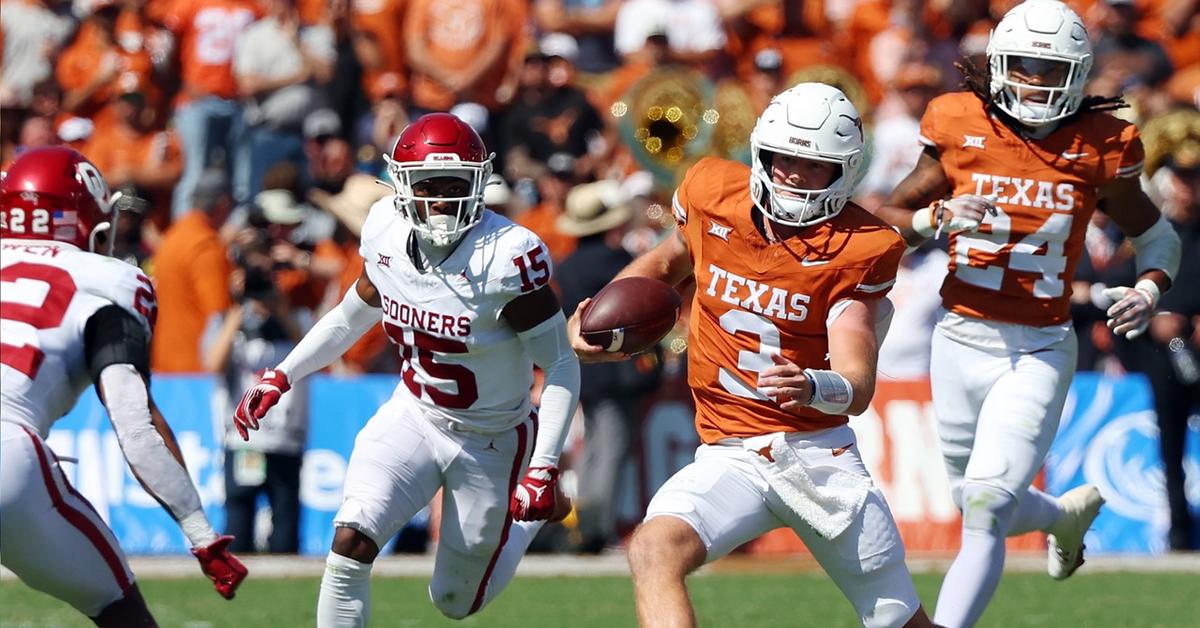
The notion of “hate” is, in reality, a gross oversimplification of the relationship between Texas and Oklahoma. While the rivalry in sports, particularly the Red River Rivalry between the University of Texas Longhorns and the University of Oklahoma Sooners, is intense and passionate, it rarely translates into genuine animosity in everyday life. Instead, there’s a significant degree of cultural exchange and mutual respect. Oklahomans often admire Texas‘s entrepreneurial spirit and its diverse cultural tapestry, while Texans might appreciate Oklahoma‘s down-to-earth charm and its rich history. The lifestyle choices of residents in both states often overlap, with a shared appreciation for outdoor activities, a love for barbecue, and a strong sense of community. From the sprawling ranches of West Texas to the scenic drives through Oklahoma‘s rolling hills, there’s a shared landscape that binds the two states.

The Enduring Power of Regional Identity
Ultimately, the “hate” depicted in Young Sheldon serves as a humorous device to highlight the strong sense of regional identity that both Texas and Oklahoma possess. This pride, while sometimes expressed through playful rivalry, is a testament to the unique cultures and histories of each state. The show reminds us that even in the face of playful disagreements, there’s often an underlying appreciation for what makes each region special. Whether it’s the iconic Alamo in San Antonio or the historic Will Rogers Memorial Museum in Claremore, these landmarks are points of pride that contribute to the distinct character of each state. The enduring connection between Texas and Oklahoma is a testament to the power of shared geography, intertwined economies, and a mutual understanding that, despite any playful jabs, they are neighbors with much in common. The lifestyle choices, from luxury travel to budget-friendly road trips, often see residents of both states exploring and appreciating the unique offerings of their neighbor, proving that the bonds between Texas and Oklahoma are far stronger than any perceived “hate.”