
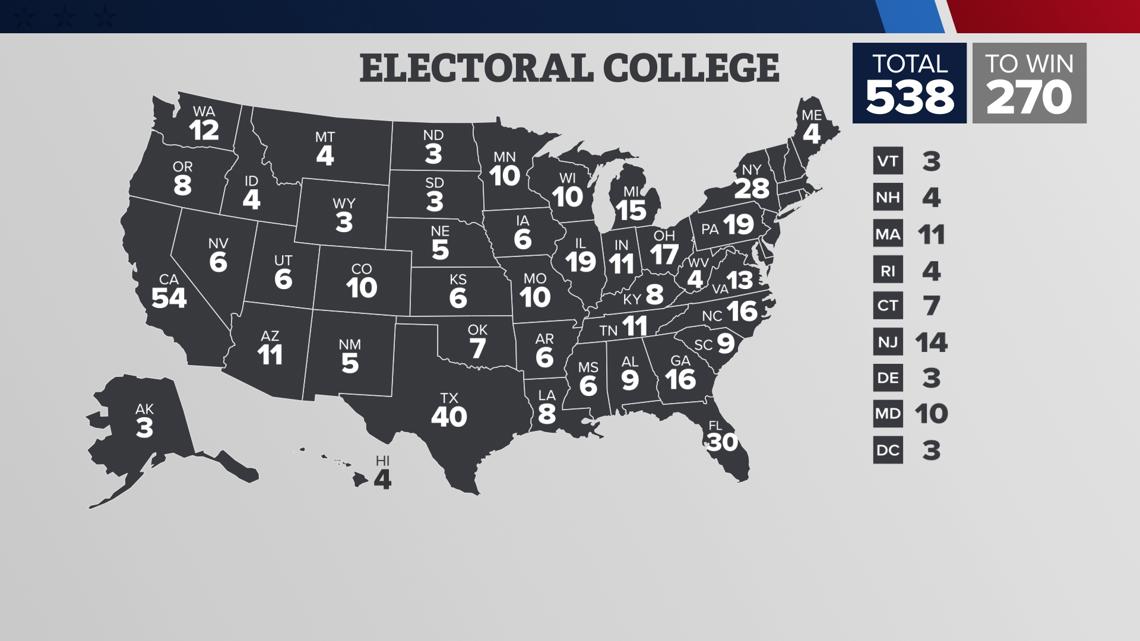
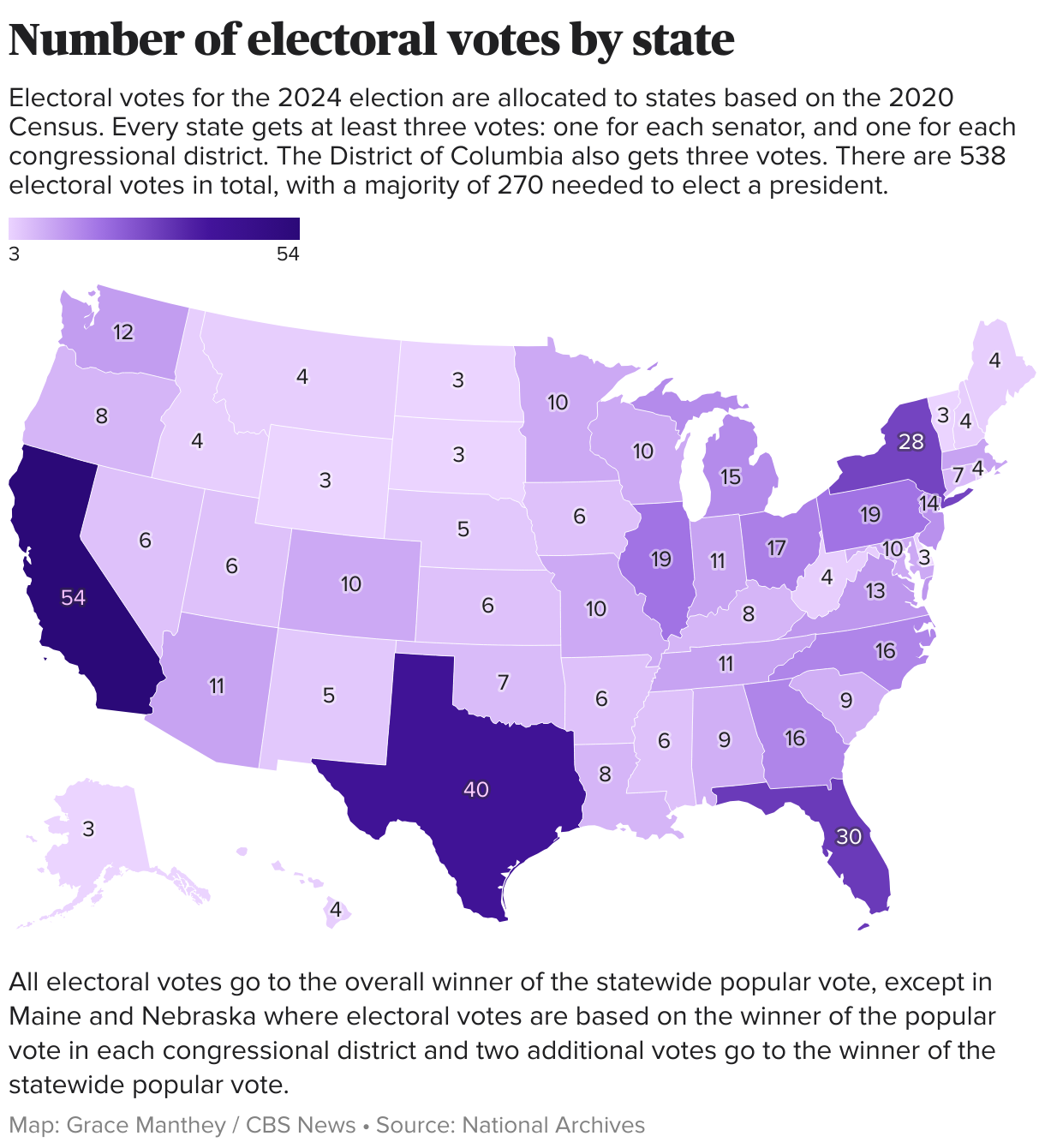
The quadrennial drama of the United States presidential election often culminates in a focus on a seemingly arcane system: the Electoral College. While individual citizens cast their ballots, it is the electoral votes, allocated to each state, that ultimately determine the occupant of the White House. Among the states, California stands alone with a staggering 54 electoral votes, making it the largest single block in the nation’s political landscape. This significant number isn’t a random allocation but a direct reflection of complex constitutional mandates, demographic shifts, and the Golden State’s phenomenal population growth over centuries. Understanding why California wields such electoral power requires a dive into the mechanics of American democracy, the allure of its diverse lifestyle, and the economic engine that continues to draw millions to its shores. For travelers and those interested in the socio-economic fabric of the United States, California’s electoral might is a testament to its status as a vibrant destination offering everything from bustling metropolises to serene natural wonders, all contributing to its magnetic appeal.
Understanding the Electoral College: The Foundation of U.S. Presidential Elections
The Electoral College is a cornerstone of the American system of government, established by the Founding Fathers as a compromise between electing the president by popular vote and electing the president by a vote in Congress. Each state is allocated a number of electoral votes equal to the sum of its total number of representatives in the House of Representatives (which is based on population) and its two senators (which is fixed for every state, regardless of size). This system ensures that while populous states have more electoral influence, smaller states still maintain a voice in the national election, preventing a few highly populated urban centers from entirely dominating the presidential outcome.
The total number of electoral votes available is 538. This sum comprises 435 members of the House of Representatives, 100 senators, and three electoral votes allocated to the District of Columbia by the 23rd Amendment. To win the presidency, a candidate must secure an absolute majority of these votes – at least 270. This creates a strategic battleground where campaigns focus not just on popular appeal nationwide, but on securing the electoral votes of key swing states and, crucially, maximizing their tally in high-value states like California. For visitors planning a trip to a city like Washington D.C., a tour of the United States Capitol offers a tangible connection to this complex legislative and electoral machinery, where the fate of the nation is regularly debated and decided.
How Electoral Votes are Determined: The Decennial Census and Apportionment
The precise number of electoral votes for each state isn’t static; it undergoes a critical recalculation every ten years, following the completion of the decennial census. Mandated by Article I, Section 2 of the U.S. Constitution, the census counts every resident in the United States, regardless of citizenship status. The data collected then forms the basis for reapportioning the 435 seats in the House of Representatives among the states. States that have experienced significant population growth typically gain seats, while those with slower growth or population decline may lose them.
Once the new congressional apportionment is complete, the electoral vote count for each state is updated. For California, its trajectory has almost consistently been one of growth, leading to an increasing share of electoral votes over time. Its current count of 54 electoral votes includes its two senators plus 52 members of the House of Representatives. This process underscores the dynamic nature of American demographics and its direct impact on political power. A state’s ability to attract and retain residents, whether for lifestyle, economic opportunity, or cultural experiences, directly translates into a stronger voice on the national stage. For tourists and potential long-term residents, this means that the vibrant cultures and burgeoning industries found in places like Los Angeles or San Francisco are not just travel destinations but also significant contributors to the nation’s political landscape.

The “Winner-Take-All” System and Its Impact
With the exception of Maine and Nebraska, most states employ a “winner-take-all” system for allocating their electoral votes. This means that the presidential candidate who wins the popular vote within a state, even by a single vote, receives all of that state’s electoral votes. This mechanism amplifies the power of large states like California. Winning California by any margin delivers a massive bloc of 54 votes, an almost insurmountable lead for the opposing candidate, especially when combined with other high-value states.
This winner-take-all approach shapes campaign strategies considerably. Candidates often focus their resources on a handful of swing states where the outcome is uncertain, rather than attempting to win every state’s popular vote. For states like California, which has consistently leaned towards one political party in recent decades, this can sometimes mean fewer direct campaign visits from presidential candidates, as its electoral votes are often considered a foregone conclusion. However, its sheer size still makes it a critical fundraising hub and a bellwether for national trends, reflecting the diverse lifestyles, economic drivers, and cultural attractions that draw people to its dynamic regions. Understanding this system is crucial for anyone studying American politics, or for the curious traveler observing the political banners and local enthusiasm in different parts of the United States during election seasons.
California’s Phenomenal Growth: A Magnet for Opportunity and Lifestyles
California’s journey to becoming an electoral giant is inextricably linked to its astonishing demographic expansion. From its humble beginnings as a frontier territory to its current status as the most populous state in the union, California has consistently served as a beacon for individuals seeking opportunity, innovation, and a vibrant lifestyle. This sustained influx of people has fueled its population growth, driving its electoral vote count higher with each passing census. The state’s allure is multifaceted, encompassing a robust economy, world-renowned educational institutions, a rich tapestry of cultures, and unparalleled natural beauty, making it a premier destination for both temporary visits and long-term residency.
The state’s appeal extends beyond mere economic prospects. Its diverse landscapes, ranging from the sun-drenched beaches of San Diego to the majestic redwoods of the north, and from the towering peaks of the Sierra Nevada to the deserts of Palm Springs, offer an incredible variety of lifestyles and experiences. This environmental diversity is matched by a cultural dynamism found in cities like Los Angeles, a global hub for entertainment and fashion, or San Francisco, a birthplace of technological innovation and bohemian culture. It’s no wonder that people from all walks of life, from tech entrepreneurs to aspiring artists, families seeking good schools to retirees looking for pleasant weather, flock to California, contributing to its ever-expanding population and, by extension, its electoral might.
Historical Waves of Migration: From Gold Rush to Tech Boom
California’s population boom began in earnest with the Gold Rush of 1849. The promise of instant wealth drew hundreds of thousands from across the United States and around the world, transforming a sparsely populated territory into a bustling economic hub. This initial wave established a pattern that would repeat throughout its history: California as a destination for dreamers and innovators. The completion of the transcontinental railroad, the rise of the agricultural industry in the Central Valley, and the burgeoning oil industry in the early 20th century further cemented its status as a land of opportunity.
The mid-20th century saw another massive influx, driven by the aerospace and defense industries, particularly during World War II and the subsequent Cold War. Millions moved to California for manufacturing jobs and a burgeoning middle-class lifestyle, contributing to the development of sprawling suburban communities and a booming infrastructure. This era also established California as a cultural trendsetter, with Hollywood becoming the global capital of entertainment, drawing creatives and tourists alike.
Most recently, the rise of Silicon Valley as the epicenter of global technology has triggered another profound wave of migration. Tech giants like Apple, Google, and Meta (formerly Facebook) have attracted a highly skilled workforce from every corner of the globe, transforming the region into a hotbed of innovation and prosperity. These historical waves of migration, each driven by a distinct economic and social magnet, have collectively swelled California’s population, ensuring its continuous growth in electoral power. For those planning a trip to the state, these historical narratives are palpable in its diverse cities, from the historic architecture of San Francisco’s Presidio to the futuristic campuses of Silicon Valley tech companies.
Diverse Attractions and Thriving Metropolises Fueling Population Influx
Beyond its economic engines, California’s unparalleled diversity of attractions and its thriving metropolises continue to be powerful draws. For tourists, the state offers an endless array of experiences: exploring the iconic Golden Gate Bridge in San Francisco, visiting the world-famous theme parks like Disneyland Resort in Anaheim, hiking through the majestic landscapes of Yosemite National Park, or indulging in the culinary delights of Napa Valley wineries. These attractions aren’t just for visitors; they contribute to a high quality of life that entices people to move to the state permanently.
Major urban centers like Los Angeles and San Francisco are not only global tourism hotspots but also vibrant communities offering a dynamic lifestyle. Los Angeles, with its sprawling urban landscape, diverse neighborhoods like Beverly Hills and Santa Monica, and cultural landmarks such as the Hollywood Sign and the Griffith Observatory, provides a cosmopolitan experience. San Francisco, known for its Victorian architecture, cable cars, and tech industry, offers a distinct charm. These cities, alongside others like San Diego (famous for its beaches and Balboa Park) and the state capital Sacramento (rich in Gold Rush history), provide a myriad of living environments, from luxury high-rise apartments to suburban family homes.
The availability of world-class hotels and diverse accommodation options also reflects this influx. From opulent resorts such as the Waldorf Astoria Beverly Hills to charming boutique hotels in coastal towns, and from extended-stay apartments for business travelers to family-friendly villas near attractions, California caters to every preference. This robust tourism and hospitality infrastructure not only serves its visitors but also creates numerous job opportunities, further attracting migrants. The convergence of economic opportunity, cultural richness, and natural beauty makes California an enduring magnet, ensuring its continued population growth and, consequently, its substantial electoral power.
The Influence of California’s Electoral Power
California’s 54 electoral votes represent more than just a numerical advantage; they signify a profound influence on national politics, policy, and even culture. The sheer size of its electorate means that issues paramount to Californians – environmental protection, technological regulation, immigration policy, and social progress – often gain significant traction on the national agenda. While often seen as a reliably “blue” state, meaning its electoral votes almost always go to the Democratic candidate, its demographic diversity and economic complexity make it a microcosm of the broader United States. This immense electoral weight forces presidential candidates and national parties to acknowledge California’s concerns, even if they don’t actively campaign within its borders during the general election.
Moreover, California’s population size means it holds significant power in the House of Representatives, where its delegation is the largest of any state. This gives California a powerful voice in legislative debates, budget allocations, and the shaping of federal laws. The state’s political leadership often serves as a proving ground for national figures, and its policy innovations, particularly in areas like environmental standards and tech governance, frequently inspire or precede national legislation. This robust influence is a direct outcome of its population, which continues to be drawn by the state’s dynamic lifestyle, thriving tourism, and diverse economic opportunities.
Economic Might and Global Reach
California’s electoral power is underpinned by its staggering economic might, which would rank it as one of the largest economies in the world if it were an independent nation. This economic prowess is incredibly diverse, encompassing global leadership in technology (centered in Silicon Valley), entertainment (Hollywood), agriculture (Central Valley), aerospace, and renewable energy. The presence of major port cities like Los Angeles and Long Beach facilitates immense international trade, connecting California directly to global markets, particularly across the Pacific Rim.
This economic strength not only attracts people but also creates enormous wealth and influence that reverberate through the national economy. Tax revenues generated by California’s industries and residents contribute significantly to the federal budget, and its innovation drives progress across various sectors nationwide. The state’s numerous luxury resorts and high-end hotels, such as the Ritz-Carlton, Laguna Niguel or the Fairmont Grand Del Mar, are not just destinations for affluent travelers but also symbols of this economic prosperity and key contributors to its tourism industry. This global economic footprint ensures that California’s voice is heard, not just in electoral politics, but in international trade negotiations, environmental policy, and technological development.
Political Landscape and National Significance
The sheer weight of California’s 54 electoral votes fundamentally shapes the national political landscape. While the state’s presidential votes are often predictable, its influence extends far beyond the electoral count itself. California is a crucial source of political fundraising for both parties, with its wealthy donors and robust grassroots networks providing essential campaign resources. Furthermore, its massive population makes it a key battleground for statewide and congressional races, where outcomes can significantly impact the balance of power in Congress.
The state’s diverse population, a mosaic of ethnicities, cultures, and socio-economic backgrounds, means that California often leads the nation in addressing complex social issues. Its policies on climate change, healthcare, and technology regulation are closely watched and frequently emulated by other states. This makes California not just a large state in terms of population, but a policy laboratory for progressive ideas and a bellwether for future national trends. For international visitors or those relocating, the dynamic political discussions found in California’s media and public discourse offer deep insights into the evolving face of the United States.
In conclusion, California’s 54 electoral votes are a testament to its enduring appeal, phenomenal growth, and the foundational principles of the U.S. Electoral College system. From the historic lures of the Gold Rush to the modern draw of the Tech Boom and its diverse lifestyle offerings, the Golden State continues to attract millions, consolidating its position as an electoral powerhouse. This political weight, combined with its economic might and cultural influence, ensures that California remains a pivotal player in shaping the future of the United States, making it not only a fascinating travel destination but also a crucial subject for understanding American democracy.
LifeOutOfTheBox is a participant in the Amazon Services LLC Associates Program, an affiliate advertising program designed to provide a means for sites to earn advertising fees by advertising and linking to Amazon.com. Amazon, the Amazon logo, AmazonSupply, and the AmazonSupply logo are trademarks of Amazon.com, Inc. or its affiliates. As an Amazon Associate we earn affiliate commissions from qualifying purchases.