
California, often synonymous with innovation, a laid-back lifestyle, and breathtaking landscapes, stands as a beacon for dreamers and pioneers alike. From the sun-kissed beaches of Southern California to the majestic redwoods of the north, and from the bustling tech hubs of Silicon Valley to the serene vineyards of Napa Valley, the Golden State offers an unparalleled tapestry of experiences for travelers and residents. Yet, beneath this vibrant facade lies a surprisingly complex civic process that often leaves many, both within and outside its borders, scratching their heads: Why does California take so long to count its votes after an election?
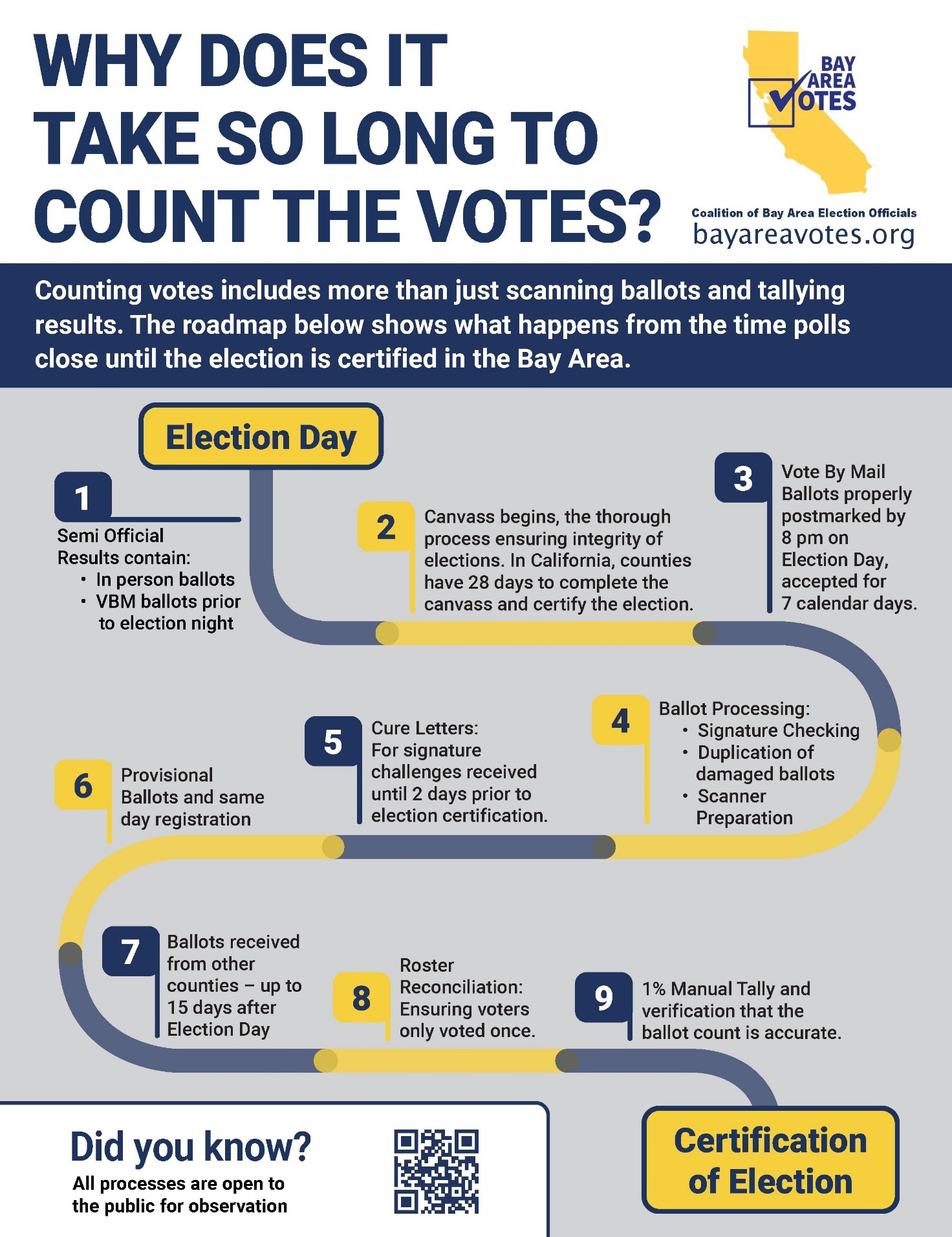
The perceived slowness in California’s vote tabulation is not a sign of inefficiency or malpractice, but rather a deliberate outcome of its commitment to electoral integrity, voter accessibility, and thoroughness. Unlike some states that prioritize speed, California has opted for a system designed to ensure every eligible ballot is counted accurately, even if it takes more time. This approach reflects a deeper aspect of the Californian lifestyle—a blend of progressive ideals and meticulous execution, where robust processes often take precedence over instantaneous results. For those planning a trip or considering an extended stay in California, understanding this intricate system can offer a unique insight into the state’s civic character, which is as rich and multifaceted as its diverse geography.
The Golden State’s Unique Electoral Landscape
To truly grasp the dynamics behind California’s extended vote-counting periods, one must first appreciate the sheer scale and distinct characteristics of its electoral environment. The state is not merely a collection of cities; it’s an economic powerhouse and a cultural trendsetter that often sets the pace for the rest of the United States. This immense scope directly translates into significant logistical challenges for its election officials.
A Vast and Diverse Population
California is home to nearly 40 million people, making it the most populous state in the United States. Its electorate is not only massive but also incredibly diverse, encompassing a wide range of demographics, languages, and political viewpoints. Consider the difference between the bustling urban centers of Los Angeles and San Francisco, the agricultural heartland of the San Joaquin Valley, and the remote mountain communities nestled in the Sierra Nevada range. Each region presents its own set of challenges for voter registration, ballot distribution, and tabulation.
This vastness impacts everything from the sheer volume of ballots to the geographic distances that must be covered. Election workers in counties like Los Angeles County, with a population larger than many states, face an astronomical task. The infrastructure required to manage elections on this scale is complex, involving thousands of polling places, voter service centers, and a dedicated army of election staff. For travelers exploring the diverse attractions of California, from the historic landmarks of San Diego to the natural wonders of Yosemite National Park, it’s easy to overlook the civic machinery that keeps such a dynamic state running smoothly, even if its gears turn a bit slower during election season.
Pioneers of Accessible Voting
California has long been at the forefront of expanding voter access, implementing policies designed to make it easier for every eligible citizen to cast their ballot. While these measures bolster democratic participation, they inherently contribute to a longer counting process. One of the most significant shifts has been the move towards universal vote-by-mail. In an effort to ensure that travel plans, work schedules, or even just the daily hustle of Californian life don’t prevent someone from voting, the state proactively mails a ballot to every registered voter for most elections. This convenience, akin to booking a hotel or flight from the comfort of your home, means that a significant portion of the vote arrives not at polling stations on Election Day, but through the postal service over several weeks.
Beyond mail-in ballots, California also offers same-day voter registration, allowing individuals to register and vote on Election Day itself. This progressive stance, while highly commendable for civic engagement, adds another layer of verification and processing for election officials. These advancements in accessibility reflect the state’s forward-thinking lifestyle, where convenience and inclusivity are highly valued, even when they entail a more extended administrative timeline. For visitors interested in the local culture and political landscape, observing the robust commitment to voter access is as much a part of the California experience as exploring the famous architecture of Hollywood or the historical sites of Oakland.
Unpacking California’s Vote-Counting Process
The core reasons for California’s extended vote count lie deep within the mechanics of its electoral process. It’s a multi-layered system designed for accuracy and inclusivity, rather than speed. Understanding these procedural intricacies is key to demystifying the perceived delay.
The Ubiquity of Vote-by-Mail
As mentioned, vote-by-mail (VBM) is the dominant method of voting in California. This means election officials are not just counting ballots cast at physical polling places on a single day. Instead, they are processing a continuous stream of ballots arriving by mail both before and after Election Day. For general elections, ballots postmarked by Election Day are valid if received within seven days. This grace period, while ensuring military personnel or those traveling for business or leisure have their voices heard, significantly extends the period of active tabulation.
The processing of VBM ballots is also more labor-intensive than simply tallying votes from a machine. Each mail-in ballot envelope must be:
- Signature Verified: Election officials meticulously compare the signature on the return envelope to the one on file in the voter registration database. This crucial step prevents fraud and ensures the integrity of the vote. If there’s a mismatch, the voter is contacted and given an opportunity to “cure” their signature (more on this below).
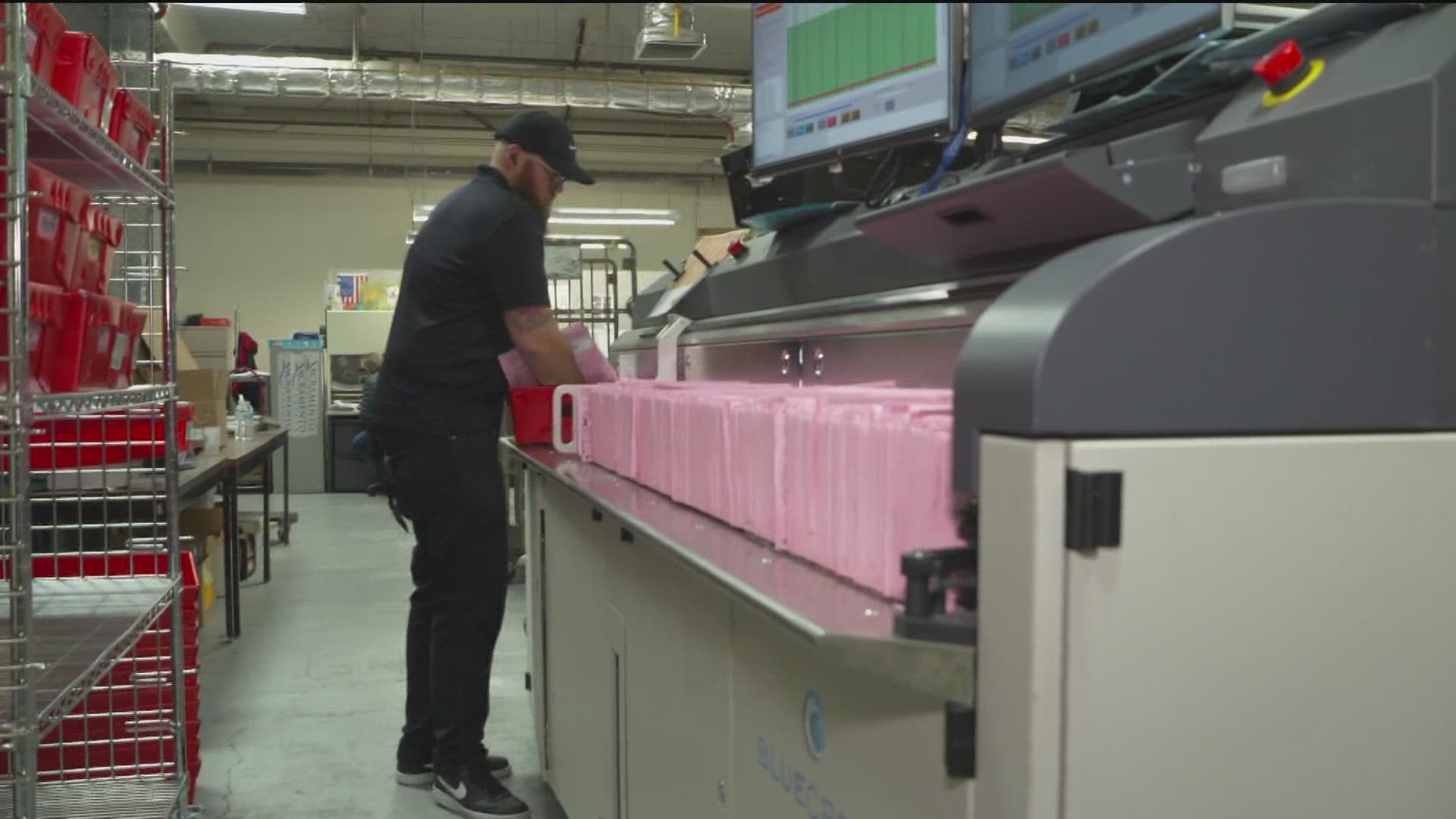
- Opened and Flattened: Once verified, the envelopes are opened, and the ballots are removed, flattened, and prepared for scanning. This is a manual process requiring significant human resources.
- Scanned: Ballots are then scanned and tabulated by machine.
The sheer volume of these ballots—often comprising 70-80% or more of the total vote—means these steps take considerable time, especially in large counties like Orange County or San Diego County, where millions of ballots might be processed.
Provisional Ballots and Ballot Curing
Adding another layer of complexity are provisional ballots. These are cast when a voter’s eligibility is in question at the polling place, perhaps because they moved, their registration isn’t immediately found, or they requested a mail-in ballot but want to vote in person. Rather than turning a voter away, California allows them to cast a provisional ballot, which is then researched and verified after Election Day. This ensures no eligible voter is disenfranchised. This verification process involves checking registration records, confirming no other ballot was cast, and ensuring the voter resides in the correct precinct. It’s a painstaking, manual effort.
Similarly, the “ballot curing” process provides an opportunity for voters whose mail-in ballots were flagged for issues like a missing or mismatched signature. Election officials must notify these voters and give them a chance to correct the issue, typically within eight days of the election. This commitment to voter enfranchisement, while embodying the progressive spirit of the California lifestyle, undeniably extends the timeline for final vote certification. For those observing from afar, or even just checking election results from a California hotel room, these unseen administrative processes are critical to understanding why results aren’t instantaneous.

Decentralized Administration Across 58 Counties
California’s election system is highly decentralized, managed independently by the election officials in each of its 58 counties. From the border with Mexico in the south to Oregon in the north, and stretching east to the borders of Nevada and Arizona, each county is responsible for its own ballot design, polling place management, and, crucially, its own vote tabulation. While the Secretary of State provides statewide guidance and certifies the final results, the granular work is handled at the local level.
This decentralization means that while the overall process adheres to statewide rules, the pace and specifics can vary from county to county depending on population size, resources, and local practices. A small, rural county might finish its count relatively quickly, while a megacounty like Los Angeles County could take weeks to process its millions of ballots. This patchwork of administrative timelines contributes to the overall perception that the state as a whole is slow. It’s a system that, much like California’s diverse tourism offerings, caters to local needs and realities, requiring patience to fully appreciate its outcomes.
Beyond the Ballots: Administrative Layers and Deadlines
The election doesn’t end when the polls close or the last mail-in ballot arrives. California’s meticulous approach extends to a series of post-election administrative steps and strict deadlines, all designed to safeguard the democratic process. These final stages are critical, yet often unseen, by the public eager for definitive results.
The Postmark Puzzle and Late Arrivals
One of the defining features of California’s vote-by-mail system is the allowance for ballots postmarked by Election Day but received up to seven days later. This flexibility is a boon for voters, particularly those who might be traveling, experiencing delays with mail service, or simply submitting their ballot at the last minute. However, it also means that the “election window” for counting votes effectively extends a full week beyond the initial Election Day. Election officials cannot begin the final certification process until all eligible late-arriving ballots have been processed and counted.
This postmark rule is especially relevant for those who live a lifestyle that involves frequent travel, whether for business or leisure to destinations like Catalina Island or to remote areas near Mount Whitney. It ensures that their civic duty isn’t hindered by their journey. However, for election administrators in Sacramento and across the state, it introduces a necessary waiting period before a complete picture of the vote can even begin to emerge. The anticipation of these late ballots means that early returns are rarely the final word, a lesson long learned by followers of Californian elections.
Audits, Recounts, and Certification
After all eligible ballots are counted and provisional ballots are verified, California law mandates a stringent post-election audit process. This “manual tally” or “risk-limiting audit” requires counties to hand-count a certain percentage of ballots, or all ballots in specific precincts, to ensure that the machine counts are accurate. This audit, typically 1% of all ballots cast, is a cornerstone of election integrity, acting as an essential safeguard against machine errors or potential tampering. While it adds time, it provides a vital layer of confidence in the final results.
Furthermore, any close race may trigger a mandatory recount, or a candidate or group can request a recount at their own expense. These processes, while rare, can significantly delay the final certification of results for specific contests. Finally, once all ballots are counted, audited, and any recounts are completed, each county election official must “certify” their local results. These certified results are then sent to the Secretary of State, who conducts a final statewide canvass and certifies the election results for all federal, state, and multi-county contests. This entire post-election canvas must be completed within 30 days of the election (or 28 days for non-presidential primary elections), providing a firm deadline but also indicating the substantial amount of work that occurs after Election Day. This period of thorough verification reflects a commitment to accuracy that underpins the state’s civic culture, much like a reputable hotel ensures every detail of your accommodation is perfect before your arrival.
The Broader Impact and The Californian Lifestyle
The extended vote count in California isn’t just a technicality; it has broader implications, subtle but significant, for both residents and those looking to experience the Golden State. It’s a facet of the Californian lifestyle, one that emphasizes meticulousness and access over immediate gratification.
What it Means for Residents and Visitors
For residents, the prolonged vote count often means a period of sustained political uncertainty, particularly in close races or when critical ballot initiatives are on the line. While local news channels might offer updates, the definitive outcomes for many contests may not be known for weeks. This can impact everything from local policy decisions to the general mood of communities. However, most Californians have grown accustomed to this rhythm, understanding that the delay is a byproduct of a system designed to be fair and accurate. It fosters a certain civic patience, a belief that the process, though slow, is ultimately just.
For visitors, especially those on business trips or extended stays, the extended election news cycle might intersect with their experiences. While it’s unlikely to impact immediate travel plans or attractions, understanding this aspect of California life provides a deeper appreciation for the state’s unique character. It highlights a culture where robust democratic processes are held in high regard. For instance, a traveler staying at a boutique hotel in San Francisco or a resort in Southern California might notice the ongoing local news coverage about election results long after Election Day, offering a glimpse into the state’s civic heartbeat. It’s an element of the local culture, much like the vibrant food scene or the iconic landmarks, that shapes the broader Californian experience.
A Commitment to Electoral Integrity
Ultimately, the reason California takes so long to count its votes boils down to a fundamental commitment to electoral integrity and comprehensive voter access. Every measure, from universal mail-in ballots to provisional voting and extensive post-election audits, is a deliberate choice to prioritize accuracy and enfranchisement over speed. In an era where election processes are often scrutinized, California’s approach stands as a testament to its values.
This isn’t to say the system is without its critics or that there aren’t ongoing efforts to streamline it. Technology continues to evolve, and election officials across the state are always looking for ways to improve efficiency without compromising the integrity of the process. However, the foundational principle remains: ensuring every eligible vote is counted correctly, thoroughly, and transparently, even if it means waiting a bit longer for the final tally.
So, the next time election results from California trickle in over several weeks, remember that it’s not a flaw in the system, but rather a feature. It’s a reflection of a state that values comprehensive democratic participation and robust oversight. For those who live in or travel to the Golden State, this understanding enriches their appreciation of a place that, in many ways, embodies a unique blend of innovation, natural beauty, and profound civic dedication, making it an extraordinary destination in every sense.
LifeOutOfTheBox is a participant in the Amazon Services LLC Associates Program, an affiliate advertising program designed to provide a means for sites to earn advertising fees by advertising and linking to Amazon.com. Amazon, the Amazon logo, AmazonSupply, and the AmazonSupply logo are trademarks of Amazon.com, Inc. or its affiliates. As an Amazon Associate we earn affiliate commissions from qualifying purchases.