
Nestled in the heart of the United States, the state of Oklahoma is a land of vast horizons, rich history, and vibrant culture. Yet, it’s also a region synonymous with one of nature’s most formidable and awe-inspiring phenomena: tornadoes. For travelers and residents alike, understanding why Oklahoma experiences such a high frequency of these powerful storms is key to appreciating its unique environment and planning a safe, enjoyable visit. From the bustling streets of Oklahoma City to the serene landscapes of its state parks, the possibility of a tornado is an intrinsic part of the Oklahoma experience. This article delves into the meteorological factors that make Oklahoma a hotbed for twisters, while also exploring how this natural characteristic shapes travel, tourism, and lifestyle within the state.

The Meteorological Confluence: A Recipe for Twisters
The primary reason Oklahoma sees so many tornadoes lies in its geographical position and the unique atmospheric conditions that frequently converge over the Southern Plains. It’s a complex interplay of geography, air masses, and atmospheric dynamics that creates the perfect storm-generating environment.
The Geographic Bullseye: Tornado Alley
Oklahoma sits squarely within what is famously known as Tornado Alley, a broad, loosely defined area of the central United States where tornadoes are most frequent. This region, encompassing parts of Texas, Kansas, Nebraska, and Oklahoma, is essentially a meteorological battleground. The flat topography of the Great Plains, largely unobstructed by major mountain ranges like the Appalachian Mountains in the east or significant forested areas, allows air masses to collide with little resistance. This expansive, open terrain is crucial, as it doesn’t break up the atmospheric dynamics needed for tornado formation, offering a wide stage for storms to develop and travel.
Atmospheric Ingredients: Clashing Air Masses
The most critical factor in Oklahoma’s tornado frequency is the regular collision of three distinct air masses:
- Warm, Moist Air from the Gulf of Mexico: This southerly flow brings abundant moisture and warmth into Oklahoma, creating unstable atmospheric conditions. This warm, humid air acts as the fuel for powerful thunderstorms.
- Cool, Dry Air from the Rocky Mountains and the Southwest: Often referred to as a “dry line,” this air mass pushes eastward from the high desert plateau. When this dry, dense air meets the moist, warm air from the Gulf of Mexico, it creates a sharp boundary that forces the moist air to rise rapidly, forming towering thunderstorms.
- Cold, Dry Air from Canada and the Northern Plains: During spring and early summer, cold fronts often sweep down from the north. When this cold, dense air undercuts the warm, moist air, it provides additional lift and atmospheric instability, further enhancing storm development.
The collision of these contrasting air masses creates a phenomenon known as atmospheric instability and wind shear. Wind shear occurs when winds at different altitudes blow from different directions or at different speeds. This shear introduces a horizontal spinning motion in the atmosphere. As the warm, moist air rises rapidly into a developing thunderstorm, this horizontal spin can be tilted vertically, forming a rotating updraft known as a mesocyclone – the precursor to most powerful tornadoes.
The Role of the Jet Stream and Topography
Adding to this volatile mix is the position and strength of the Jet Stream. The Jet Stream is a narrow, fast-flowing current of air high in the atmosphere. In spring, the Jet Stream often dips south over the central United States, passing directly over Oklahoma. This upper-level wind provides crucial support for severe storm development by ventilating the storm, helping the updrafts grow stronger and maintaining storm organization. Its speed and direction contribute significantly to the wind shear needed for rotation.
While Oklahoma is mostly flat, subtle topographic features can also play a role. Low-level dry lines and frontal boundaries can become more defined or stalled along minor ridges or river valleys, further concentrating the areas where severe storms might develop. The interplay of these factors makes Oklahoma an undeniable epicenter for tornado activity, particularly during the peak season from April to June.
Navigating Tornado Season: Safety for Travelers and Residents
While the meteorological explanations are fascinating, for anyone visiting or living in Oklahoma, understanding the practical implications of tornado season is paramount. Travel and tourism in Oklahoma are deeply intertwined with awareness and preparedness for severe weather.
Understanding Tornado Warnings and Watches
The first step in staying safe is understanding the difference between a Tornado Watch and a Tornado Warning. A Tornado Watch means that conditions are favorable for tornadoes to develop in or near the watch area. This is the time to be alert, monitor weather updates, and have a plan ready. For travelers, this might mean postponing outdoor activities or ensuring your accommodation has a designated shelter. A Tornado Warning, on the other hand, means a tornado has been sighted or indicated by radar, posing an imminent threat. When a warning is issued, immediate action is required. Seek shelter immediately. The National Weather Center in Norman, home to the University of Oklahoma’s meteorology programs, is a world-renowned hub for weather research and forecasting, constantly working to improve these critical alerts.
Essential Safety Measures for Oklahoma Visitors
For those planning to experience Oklahoma during tornado season (roughly March through August, with peaks in April, May, and June), proactive measures are essential:
- Stay Informed: Download a reliable weather app with push notifications for your location. Monitor local news and NOAA Weather Radio.
- Know Your Shelter Plan: Before heading out for the day, identify safe shelter locations in your current area (e.g., your hotel, a public building, or a designated storm shelter).
- Heed Warnings Immediately: Do not try to “storm chase” unless you are a trained professional. When a warning is issued, prioritize your safety by seeking robust shelter. In a multi-story building, go to an interior room on the lowest floor, away from windows. If caught outdoors with no sturdy shelter, lie flat in a ditch or depression and cover your head.
- Travel Insurance: Consider travel insurance that covers weather-related disruptions or emergency evacuations, especially if visiting during peak season.
Accommodation Choices and Storm Preparedness
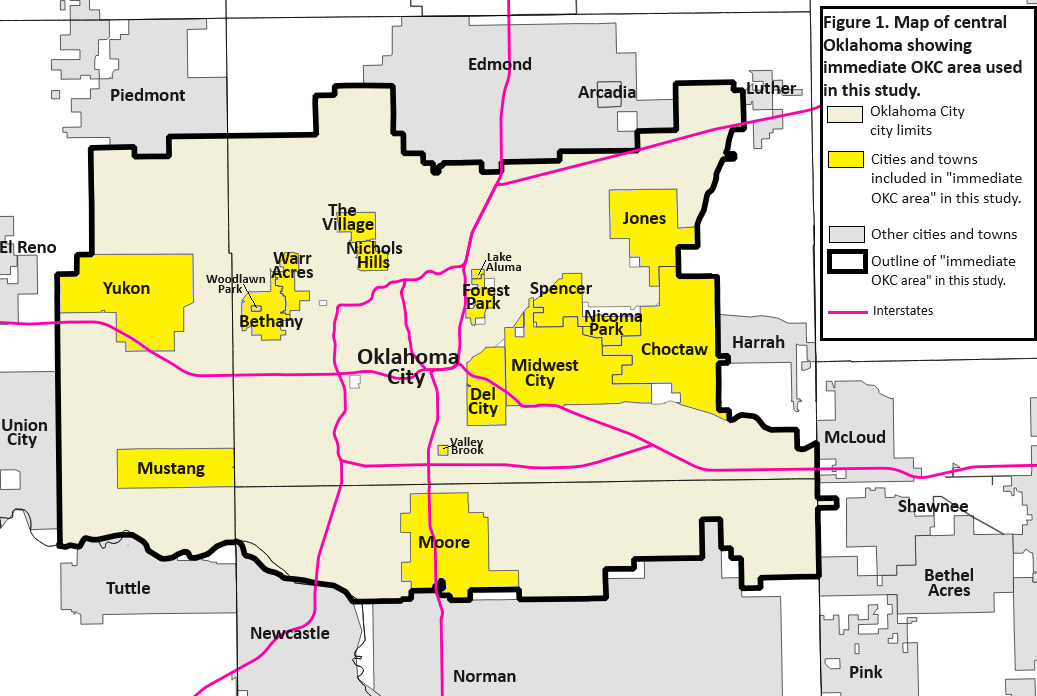
When booking accommodation in Oklahoma, particularly during severe weather months, consider options that prioritize guest safety. Many modern hotels and resorts in major cities like Oklahoma City and Tulsa have robust concrete structures and designated safe areas or basements for guests during a tornado warning.
- Hotels & Resorts: Look for properties like the Skirvin Hilton Oklahoma City or the Omni Oklahoma City Hotel in urban centers. These establishments often have protocols in place and staff trained to guide guests to safety. Inquire about their severe weather plans upon check-in.
- Apartments & Villas: If opting for a longer stay in a vacation rental, check if the property includes a storm cellar, basement, or safe room. Many homes in Oklahoma are equipped with these. Always locate the nearest designated shelter area when you arrive.
- Campgrounds & RV Parks: These options require extra vigilance. Have an immediate evacuation plan to a nearby sturdy building or community storm shelter if a warning is issued. Never stay in a tent or RV during a tornado warning.
Understanding and respecting the power of Oklahoma’s weather ensures that your trip can be both exciting and secure, allowing you to fully enjoy the state’s diverse offerings without undue worry.
Beyond the Storm: Exploring Oklahoma’s Unique Culture and Attractions
Despite its reputation for tornadoes, Oklahoma is a captivating destination rich in culture, history, and natural beauty. The resilience of its people and the vibrancy of its communities shine through, offering travelers unforgettable experiences.
Oklahoma City: Urban Exploration and Resilience
The state capital, Oklahoma City, is a testament to growth and resilience. This dynamic metropolis boasts a thriving urban core with a surprising array of attractions:
- Bricktown: Once a warehouse district, Bricktown is now a lively entertainment area featuring canal boat rides, diverse restaurants, and vibrant nightlife. It’s perfect for an evening stroll or a delicious meal.
- Oklahoma City National Memorial & Museum: A profoundly moving tribute to the victims, survivors, and rescuers of the 1995 bombing, this landmark is a powerful reminder of human resilience and hope.
- Myriad Botanical Gardens: An urban oasis in the heart of downtown, these gardens offer a stunning array of plant life, walking paths, and the iconic Crystal Bridge Tropical Conservatory.
- National Cowboy & Western Heritage Museum: Delve into the rich history of the American West and Native American culture through fascinating exhibits and art collections.
Further north, Tulsa offers another urban gem with its art deco architecture, the world-class Gathering Place park, and the esteemed Philbrook Museum of Art. Both cities offer a blend of modern amenities and historical charm, ensuring a captivating experience for any traveler.
Natural Beauty and Outdoor Adventures
Beyond the cities, Oklahoma’s diverse landscapes invite outdoor enthusiasts:
- Wichita Mountains Wildlife Refuge: Home to free-ranging bison, elk, and longhorn cattle, this ancient mountain range offers stunning hiking trails, scenic drives, and opportunities for wildlife photography.
- Turner Falls Park: Featuring Oklahoma’s largest waterfall, this park near Davis is a popular spot for swimming, camping, and exploring unique geological formations.
- Chickasaw National Recreation Area: Known for its mineral springs and freshwater lakes, it’s ideal for boating, fishing, and picnicking.
- Robbers Cave State Park: Tucked in the Sans Bois Mountains of southeastern Oklahoma, this park is famous for its sandstone cliffs, where outlaws like Jesse James and Belle Starr allegedly hid. It’s a haven for rappelling, climbing, and hiking.
These natural landmarks offer a striking contrast to the dramatic skies, showcasing the peaceful and rugged beauty that also defines Oklahoma.
Immersive Cultural and Historical Experiences
Oklahoma’s rich history is deeply rooted in its Native American heritage and its pioneering spirit.
- Native American Cultural Centers: Explore the history and traditions of the state’s 39 federally recognized tribes, with numerous museums and cultural sites offering insights into their enduring legacy.
- Route 66: A significant stretch of the iconic “Mother Road” passes through Oklahoma, offering charming small towns, classic diners, and quirky roadside attractions for a nostalgic road trip experience.
- Historic Forts and Museums: From Fort Sill to the Cherokee Heritage Center, history buffs will find a wealth of sites detailing military history, pioneer life, and the trail of tears.
Engaging with Oklahoma’s culture and landmarks offers a deep appreciation for its multifaceted identity, far beyond the narrative of its weather.
Embracing the Oklahoma Lifestyle: Preparedness and Perspective
Living in or visiting Oklahoma means embracing a unique lifestyle that is both adventurous and remarkably resilient. The natural phenomenon of tornadoes, while impactful, does not define the spirit of the state but rather underscores its people’s preparedness and community strength.
A Community United: Resilience in the Face of Nature
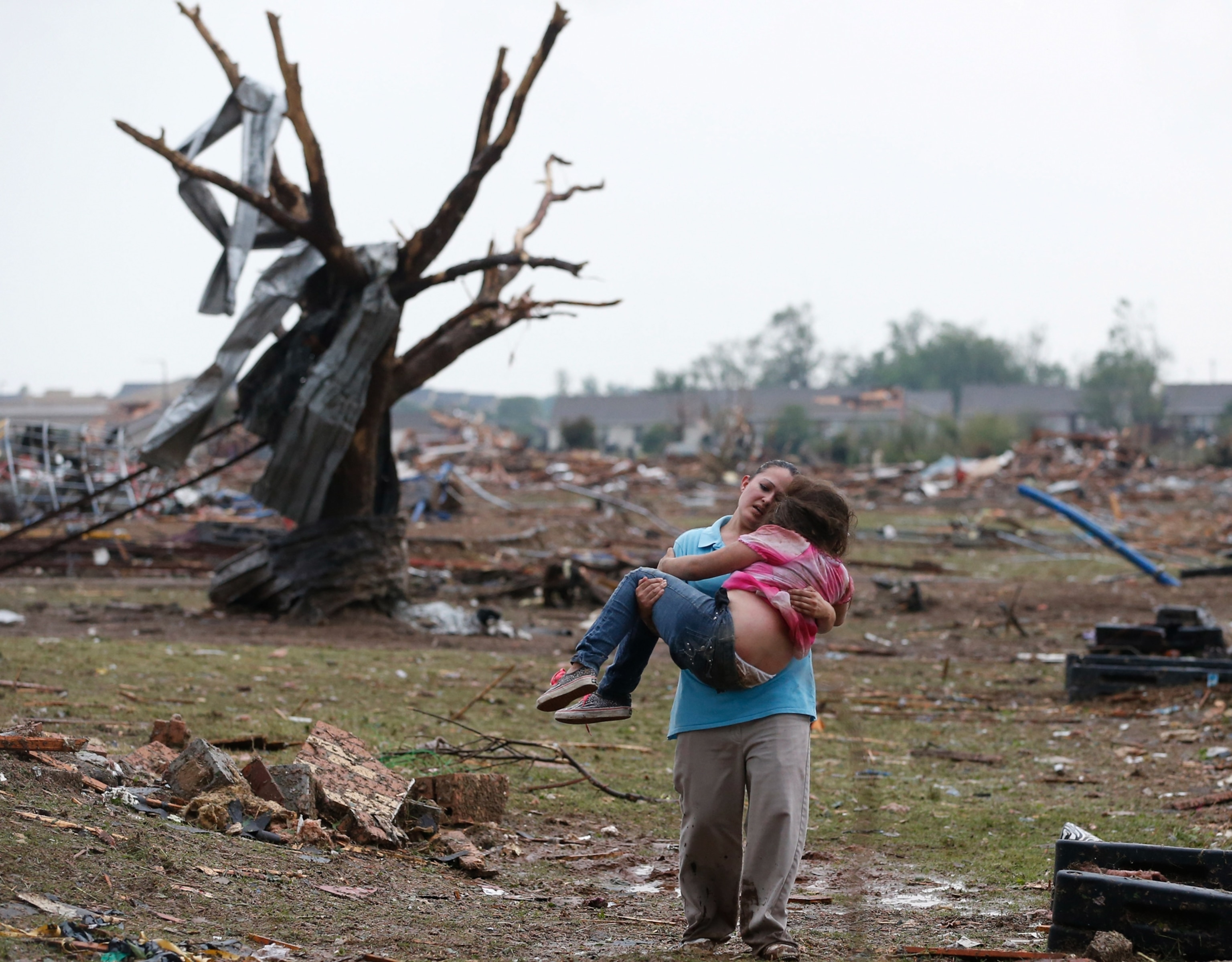
The communities of Oklahoma have developed a profound sense of camaraderie and resilience. Extensive public awareness campaigns, advanced warning systems, and well-organized emergency services ensure that residents are well-equipped to handle severe weather. This collective preparedness fosters a sense of security, transforming potential fear into a managed aspect of daily life. For tourists, observing this community spirit can be an insightful part of the travel experience, highlighting how societies adapt and thrive in diverse natural environments, much like coastal communities in Florida adapt to hurricanes or mountainous regions in Europe prepare for avalanches.
Planning Your Oklahoma Adventure: Tips for a Seamless Trip
When planning your trip to Oklahoma, consider these lifestyle-oriented tips for a comfortable and enriching experience:
- Flexibility is Key: While severe weather days are relatively few, having some flexibility in your itinerary, especially during peak tornado season, can be beneficial. Consider indoor attractions like museums or historical sites as backup plans.
- Embrace the Locals: Oklahomans are known for their hospitality. Don’t hesitate to ask locals for advice on weather preparedness or recommendations for hidden gems. They often have the best insights into experiencing the state safely and authentically.
- Consider Off-Peak Travel: To avoid the busiest tornado months, consider visiting Oklahoma in late summer (July-August, though still warm) or during the mild, beautiful fall (September-November) or spring (March-April, before the peak season). These periods offer pleasant weather for outdoor activities and generally lower tornado risk.
- Digital Connectivity: Ensure your phone is always charged and has access to reliable internet for real-time weather updates. Many hotels and cafes offer excellent Wi-Fi, which is crucial for staying informed.
In conclusion, Oklahoma’s high tornado frequency is a fascinating consequence of its unique geographical and atmospheric positioning. While this natural phenomenon requires awareness and preparedness, it by no means diminishes the state’s immense appeal as a travel destination. By understanding the “why” behind the storms and embracing the proactive lifestyle of its residents, visitors can confidently explore Oklahoma’s vibrant cities, breathtaking natural landmarks, and rich cultural tapestry, transforming a potential concern into an opportunity for a truly unique and memorable adventure. It’s a destination where the power of nature and the resilience of human spirit beautifully intertwine, offering a travel experience unlike any other in the United States or indeed, the wider world, from Asia to Mexico.
LifeOutOfTheBox is a participant in the Amazon Services LLC Associates Program, an affiliate advertising program designed to provide a means for sites to earn advertising fees by advertising and linking to Amazon.com. Amazon, the Amazon logo, AmazonSupply, and the AmazonSupply logo are trademarks of Amazon.com, Inc. or its affiliates. As an Amazon Associate we earn affiliate commissions from qualifying purchases.