
California, the Golden State, conjures images of endless sunshine, pristine beaches, and a vibrant lifestyle. From the iconic cityscape of Los Angeles and the fog-shrouded charm of San Francisco to the sun-drenched shores of San Diego, this diverse state is a magnet for travelers seeking everything from serene natural beauty to bustling urban adventures. Its reputation for near-perfect weather is a major draw for tourism, offering reliable conditions for exploring world-class landmarks, indulging in exquisite cuisine, or simply relaxing by the Pacific. However, despite its extensive coastline along the Pacific Ocean, California notably stands apart from other coastal regions in the United States like Florida or the Gulf of Mexico by rarely, if ever, experiencing the destructive force of a hurricane.
This absence of direct hurricane hits is a fascinating meteorological phenomenon, crucial for understanding the state’s climate and its appeal as a year-round destination. While tropical storms and their remnants can occasionally bring heavy rainfall and strong winds, the full-fledged, devastating power of a hurricane remains largely unknown to most Californians. For travelers planning their next getaway, this consistent weather pattern translates into peace of mind, allowing them to book hotels, tours, and experiences with a much lower risk of weather-related disruption. But what exactly are the unique atmospheric and oceanic conditions that grant California this remarkable natural immunity? Delving into the science reveals a complex interplay of factors that make the Golden State an anomaly in hurricane vulnerability.
The Anatomy of a Hurricane: Understanding Nature’s Fury
Before exploring why California is spared, it’s essential to understand what hurricanes are and what conditions are necessary for their formation and sustenance. A hurricane, known as a typhoon in the Western Pacific and a tropical cyclone elsewhere, is a powerful rotating storm system characterized by a low-pressure center, strong winds spiraling inward and upward, and heavy rain. These colossal weather systems draw their energy from warm ocean waters, which act as their primary fuel source.
For a hurricane to form and intensify, several critical ingredients must be present:
- Warm Ocean Waters: The sea surface temperature must be at least 26.5°C (80°F) down to a depth of about 50 meters (165 feet). This warm water provides the heat and moisture needed for the storm to develop.
- Low Vertical Wind Shear: Wind shear refers to the change in wind speed or direction with altitude. Low wind shear allows the storm to grow vertically and remain organized. High wind shear, conversely, can tear a developing storm apart.
- Moisture in the Mid-Troposphere: Abundant moisture in the middle layers of the atmosphere is crucial for the storm’s thunderstorms to thrive and for latent heat to be released, further fueling the system.
- Pre-existing Disturbance: A pre-existing weather disturbance, such as a tropical wave or an area of thunderstorms, is often the seed from which a hurricane can develop.
- Coriolis Effect: This effect, caused by the Earth’s rotation, provides the necessary rotational force for the storm to spin. It’s why hurricanes don’t form right on the equator, where the Coriolis effect is negligible. Typically, they need to be at least 5 degrees latitude away from the equator to spin up.
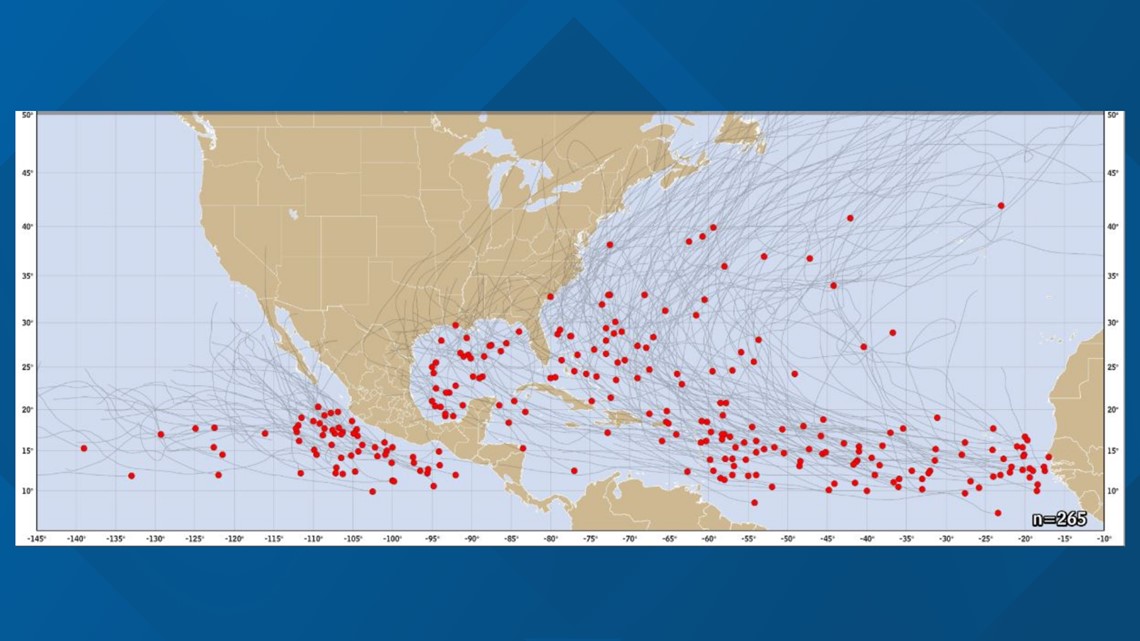
Tropical cyclones that impact the United States generally originate in the Atlantic Ocean or the Eastern Pacific basin. While the Eastern Pacific does produce a significant number of powerful hurricanes each year, their typical trajectory almost always steers them away from the California coast.
California’s Protective Barriers: A Meteorological Shield
California’s remarkable protection from hurricanes isn’t due to a single factor but a combination of atmospheric and oceanic conditions that create an impenetrable shield against these powerful storms.
Cold Ocean Currents: The Pacific’s Chilling Embrace
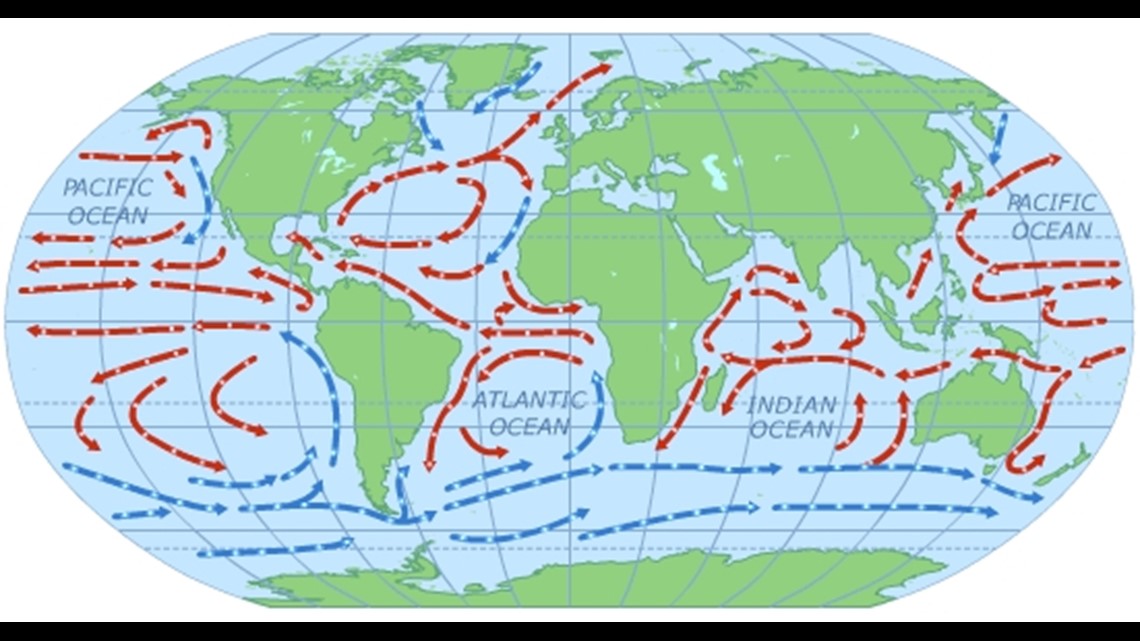
Perhaps the most significant deterrent to hurricanes in California is the presence of the California Current. This dominant ocean current flows southward along the western coast of North America, bringing cold water from the Gulf of Alaska all the way down to Baja California.
The impact of this cold water cannot be overstated. As hurricanes require ocean surface temperatures of at least 80°F (26.5°C) to form and sustain themselves, the consistently cooler waters off the California coast act like a natural refrigerator, effectively starving any potential storm of its necessary fuel. Even if a hurricane from the warmer waters off Mexico were to track northward towards California, it would inevitably encounter these cold waters, leading to rapid weakening and dissipation, typically downgrading it to a tropical storm or even just a tropical depression before it makes landfall. This chilling effect means that the energy source for a hurricane simply isn’t present in California’s coastal waters, making it an inhospitable environment for these meteorological giants.
Atmospheric Dynamics: Winds of Change and High Pressure
Beyond the cold ocean, the atmospheric conditions over and around California also play a crucial role in deflecting or dismantling hurricanes.

- High-Pressure Systems: Throughout much of the hurricane season, a semi-permanent high-pressure system known as the North Pacific Ocean High (or the Pacific High) typically sits off the coast of California. This immense, stable air mass creates a powerful steering mechanism. Its clockwise circulation tends to push any hurricanes forming in the Eastern Pacific basin westward into the open ocean, far away from the North American coastline. On the rare occasions a storm manages to curve northeastward, it must overcome the immense force of this high-pressure system.
- Vertical Wind Shear: The same high-pressure systems that steer storms away also contribute to increased vertical wind shear over the waters off California. As mentioned earlier, high wind shear is detrimental to hurricane formation and intensification, as it disrupts the storm’s vertical structure and prevents it from consolidating into a powerful, organized system.
- Dry Air Intrusion: The high-pressure systems also bring dry air down from higher altitudes and landmasses, particularly from the deserts of the American Southwest. Hurricanes thrive on moist, humid air. When dry air infiltrates a tropical cyclone, it can rapidly weaken the storm by evaporating the moist air that fuels its convection, effectively sapping its strength.
Geographic Latitude: The Coriolis Effect’s Diminishing Power
The latitude of California also contributes to its hurricane resilience. While California’s southern reaches extend to approximately 32 degrees North latitude, it is still generally too far north for robust hurricane development in its immediate vicinity. The Coriolis Effect, which imparts the necessary spin to hurricanes, is strongest near the poles and weakest at the equator. While it’s certainly strong enough in the tropical Eastern Pacific to generate powerful storms, the regions where these storms typically form are further south and west of California. By the time a storm potentially reaches California’s latitude, it has almost always moved over colder waters and into unfavorable atmospheric conditions, significantly reducing the chances of a direct, powerful hit.
What California Does Experience: Tropical Remnants and Atmospheric Rivers
While full-blown hurricanes are an extreme rarity, California is not entirely immune to tropical weather phenomena. On occasion, the remnants of hurricanes or strong tropical storms from the Eastern Pacific manage to make their way into Southern California. These systems, having been stripped of their hurricane-force winds by cold waters and wind shear, typically arrive as tropical depressions or post-tropical cyclones.
When they do, they can still deliver significant impacts, primarily in the form of heavy rainfall and localized flooding. These events are often exacerbated by California’s mountainous terrain, which can funnel moisture and lead to flash floods and mudslides, particularly in areas scarred by recent wildfires. One notable recent example was Hurricane Hilary in August 2023, which, while weakening significantly before reaching California as a tropical storm, still brought historic rainfall and widespread flooding to parts of the state, especially Southern California.
Furthermore, California regularly experiences “atmospheric rivers” – long, narrow bands of moisture that transport water vapor from the tropics across the Pacific Ocean to the western coast of North America. While not hurricanes, these powerful weather events can deliver massive amounts of precipitation, often leading to severe flooding and impacting travel and daily life, especially during the winter months. However, these are distinct from tropical cyclones in their formation and characteristics.
Travel and Tourism in California’s Favorable Climate
The inherent meteorological protections enjoyed by California have profound implications for its thriving travel and tourism industry. Unlike hurricane-prone regions, visitors to the Golden State can generally expect reliable, pleasant weather, particularly during the peak travel seasons. This consistency is a major factor when planning trips, booking accommodations, and scheduling activities.
Enjoying California’s Diverse Attractions Without Hurricane Worries
With the low risk of hurricane disruption, travelers can confidently explore the vast array of destinations California offers:
- Coastal Escapes: From the sandy beaches of Santa Monica and Laguna Beach to the dramatic cliffs of Big Sur, California’s coastline is a year-round paradise. Resorts and hotels along the coast, like the luxurious Ritz-Carlton, Laguna Niguel or charming boutique accommodations in Carmel-by-the-Sea, rarely face the threat of severe tropical storms. Guests can book oceanfront suites or villas, enjoying amenities like direct beach access and water sports, without the lingering concern of an impending hurricane.
- Urban Adventures: Cities like Los Angeles (home to Hollywood and Disneyland), San Francisco (with its iconic Golden Gate Bridge), and San Diego (known for its vibrant culture) offer world-class attractions. Tourists can plan visits to famous landmarks, explore local culture, and indulge in diverse culinary experiences without the anxiety of a major storm impacting their itinerary. The range of hotels, from budget-friendly apartments to high-end resorts, caters to every lifestyle, ensuring a comfortable base for exploration.
- Nature and Wilderness: California’s interior boasts breathtaking national parks such as Yosemite National Park and Redwood National Park, as well as wine regions like Napa Valley and desert oases like Palm Springs. These destinations offer incredible experiences, from hiking and camping to wine tasting and spa retreats. The stable climate, free from hurricane threats, means outdoor activities and scenic drives are rarely interrupted by extreme weather events, making it easier to plan multi-day excursions or family trips.
Planning Your California Getaway
For those considering a trip to California, the absence of hurricanes simplifies the planning process immensely. Whether you’re seeking a luxury travel experience with stays at five-star resorts and private villas, or a budget travel adventure exploring hostels and local eateries, the consistent weather allows for confident booking.
- Accommodation Choices: From luxurious suites in downtown Los Angeles to cozy vacation rentals near Lake Tahoe or charming bed-and-breakfasts in Sonoma Valley, the accommodation options are vast. Without the constant threat of hurricane season closures or evacuation orders, hotels and resorts can maintain consistent operations, offering reliable booking and service. Long-term stays for business or leisure also become more appealing when weather disruptions are a minor concern.
- Activities and Experiences: California’s tourism thrives on outdoor activities – surfing, hiking, theme parks, wine tours, and sightseeing. The predictable weather means fewer cancellations and more opportunities to enjoy everything the state has to offer. This allows travelers to focus on the unique experiences, local culture, and diverse attractions that make California a premier global destination.
- Booking and Reviews: The stability of California’s climate often translates into more positive and predictable guest reviews for hotels and attractions, as fewer trips are marred by unforeseen weather catastrophes. This reliability fosters trust and encourages more people to visit, contributing to the state’s robust tourism economy.
In conclusion, the unique combination of cold ocean currents, strong high-pressure systems, high wind shear, and California’s geographic latitude creates a powerful, multi-layered defense against hurricanes. While tropical moisture and remnants can occasionally bring heavy rains, the Golden State remains largely untouched by the destructive force of these major storms. This climatic advantage solidifies California’s reputation as an ideal destination for travel, offering unparalleled opportunities for exploration and relaxation, secure in the knowledge that your carefully planned getaway is unlikely to be swept away by a hurricane. It’s a testament to the intricate balance of nature, providing both a fascinating meteorological study and a compelling reason to visit this iconic American state.
LifeOutOfTheBox is a participant in the Amazon Services LLC Associates Program, an affiliate advertising program designed to provide a means for sites to earn advertising fees by advertising and linking to Amazon.com. Amazon, the Amazon logo, AmazonSupply, and the AmazonSupply logo are trademarks of Amazon.com, Inc. or its affiliates. As an Amazon Associate we earn affiliate commissions from qualifying purchases.