
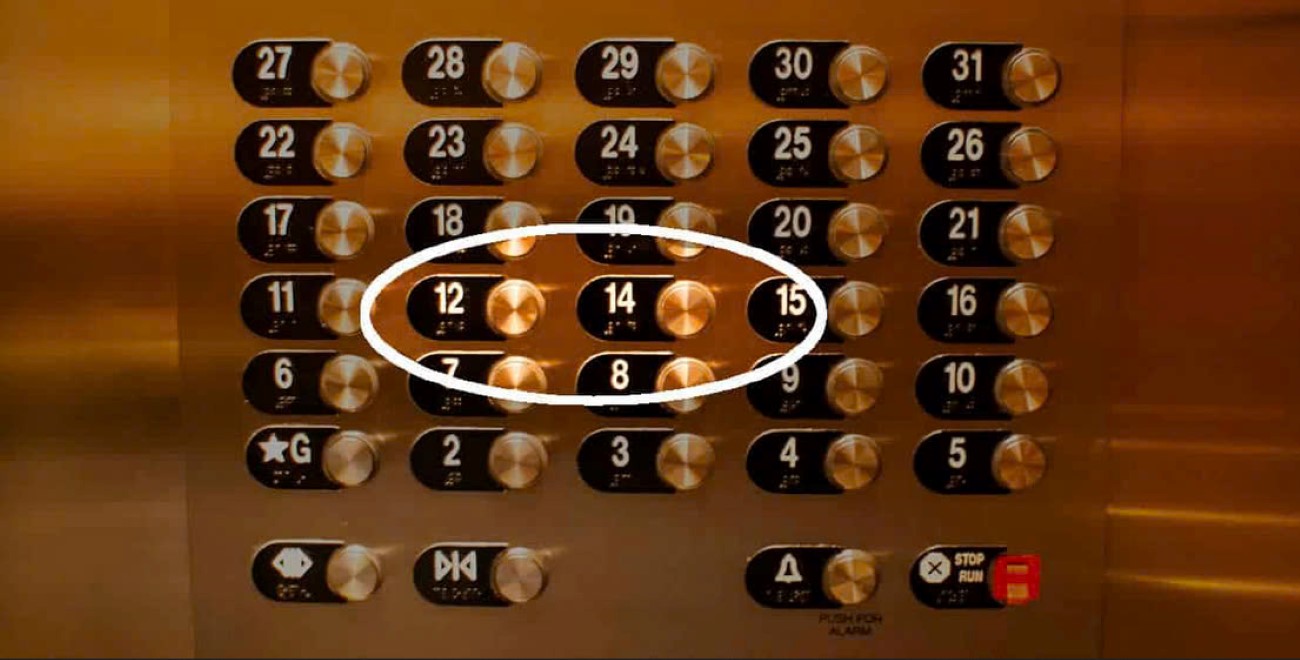
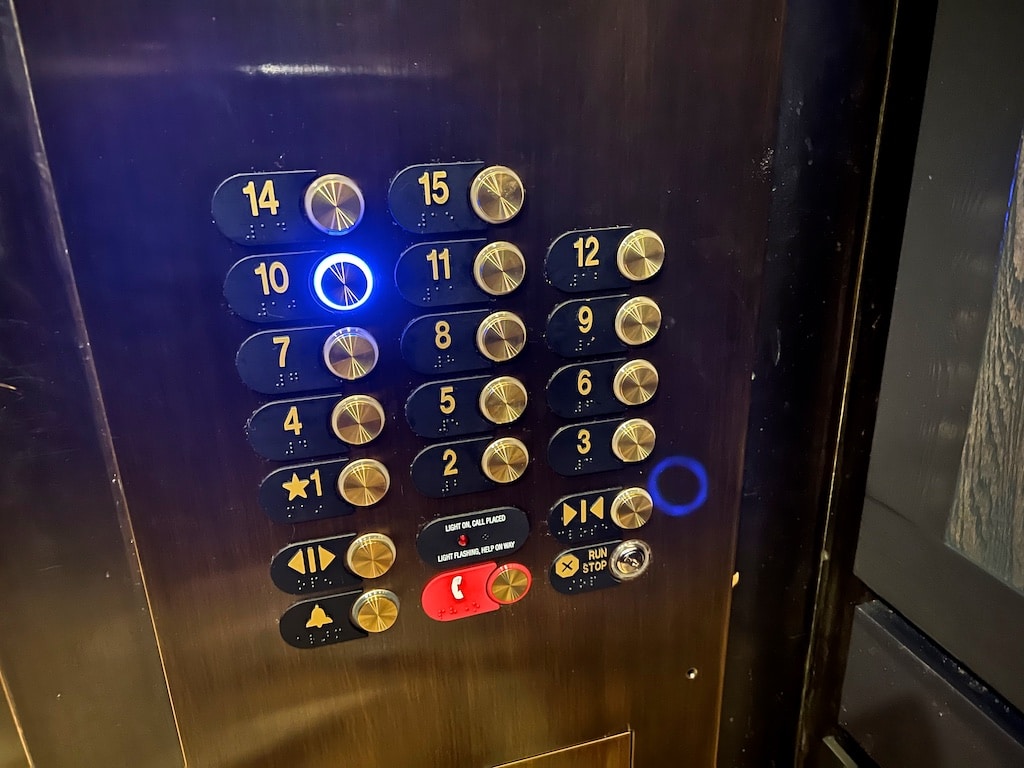
Step into an elevator in countless hotels around the globe, and you might notice something peculiar. The numbers ascend smoothly from 1 to 12, then, with an almost imperceptible skip, jump directly to 14. What happened to the 13th floor? Is it a secret level for staff only? A forgotten architectural oversight? Or something more rooted in human psychology and ancient fears? This curious omission is a fascinating blend of superstition, guest comfort, and practical business decisions that has shaped the hospitality industry for decades, impacting everything from hotel design to the very perception of a luxury stay or budget accommodation.
The absence of the 13th floor is a widespread phenomenon, particularly noticeable in Western countries like the United States and Canada, but also prevalent in many parts of Europe and beyond. It’s a testament to the enduring power of triskaidekaphobia – the fear of the number 13. While it might seem like a quirky relic of bygone eras, this superstition continues to influence modern architecture, hotel operations, and even the choices travelers make when booking their next destination or finding the perfect resort. Understanding why hotels omit this floor offers a unique glimpse into the intricate balance between cultural beliefs and commercial pragmatism, revealing how deeply ingrained traditions can shape our contemporary travel experiences.
The Roots of Superstition: Understanding Triskaidekaphobia
The fear of the number 13 is not a modern invention; it’s a deeply entrenched cultural phenomenon with roots stretching back thousands of years. This pervasive apprehension, known as triskaidekaphobia, has influenced everything from the naming of streets to, most notably in the context of travel and accommodation, the numbering of hotel floors. Its origins are diverse, drawing from religious narratives, ancient mythologies, and even historical events, creating a collective unease that, for many, transcends mere coincidence.
Historical and Cultural Significance of Thirteen
One of the most frequently cited origins of triskaidekaphobia stems from Judeo-Christian tradition. At the Last Supper, Judas, the disciple who betrayed Jesus, was the 13th guest to sit at the table. This association with betrayal and misfortune has cast a long shadow over the number, cementing its unlucky status in Western culture. Similarly, in Norse mythology, the trickster god Loki was said to have been the 13th guest at a banquet of the gods in Valhalla, leading to chaos and the death of Baldur, the god of light and purity. These powerful narratives laid a foundational layer of distrust for the number 13, associating it with disruption, malevolence, and tragic outcomes.
Beyond mythology, some historical interpretations have also contributed to the number’s infamy. While often debated by scholars, it’s sometimes asserted that the ancient Babylonian legal text, the Code of Hammurabi, notably skipped a 13th law in its original numbering, further perpetuating the idea of 13 being avoided. Although this particular claim is largely debunked (the original cuneiform tablets simply omitted a line due to damage or formatting), the persistence of such anecdotes highlights society’s eagerness to find historical justifications for its superstitions. The cumulative effect of these stories, myths, and supposed historical omissions created a robust cultural aversion to the number 13, manifesting in myriad ways, including the fear of Friday the 13th. For centuries, this date has been viewed as particularly ominous, leading to a general sense of unease and caution, further solidifying the number’s negative connotations in the collective consciousness.
From Ancient Fears to Modern Quirks
While the historical and mythological foundations of triskaidekaphobia are ancient, its persistence in the modern world is a testament to the enduring power of human psychology and tradition. Even in an age of science and rationality, these ancient fears continue to manifest as modern quirks, influencing design decisions and consumer behavior across various sectors, especially in the travel and tourism industry. The fear isn’t necessarily a conscious, paralyzing phobia for everyone; for many, it’s a subtle discomfort, a preference, or simply an adherence to a long-standing cultural norm.
Psychologically, triskaidekaphobia can be explained by cognitive biases such as confirmation bias, where individuals are more likely to notice and remember instances that confirm their belief that 13 is unlucky. A minor inconvenience on the 13th of the month might be attributed to the date, reinforcing the superstition. Furthermore, the concept of a self-fulfilling prophecy can come into play; if one expects bad luck on a certain floor or date, they might inadvertently behave in ways that lead to negative outcomes or perceive neutral events negatively. This psychological interplay transforms a mere number into a powerful cultural symbol.
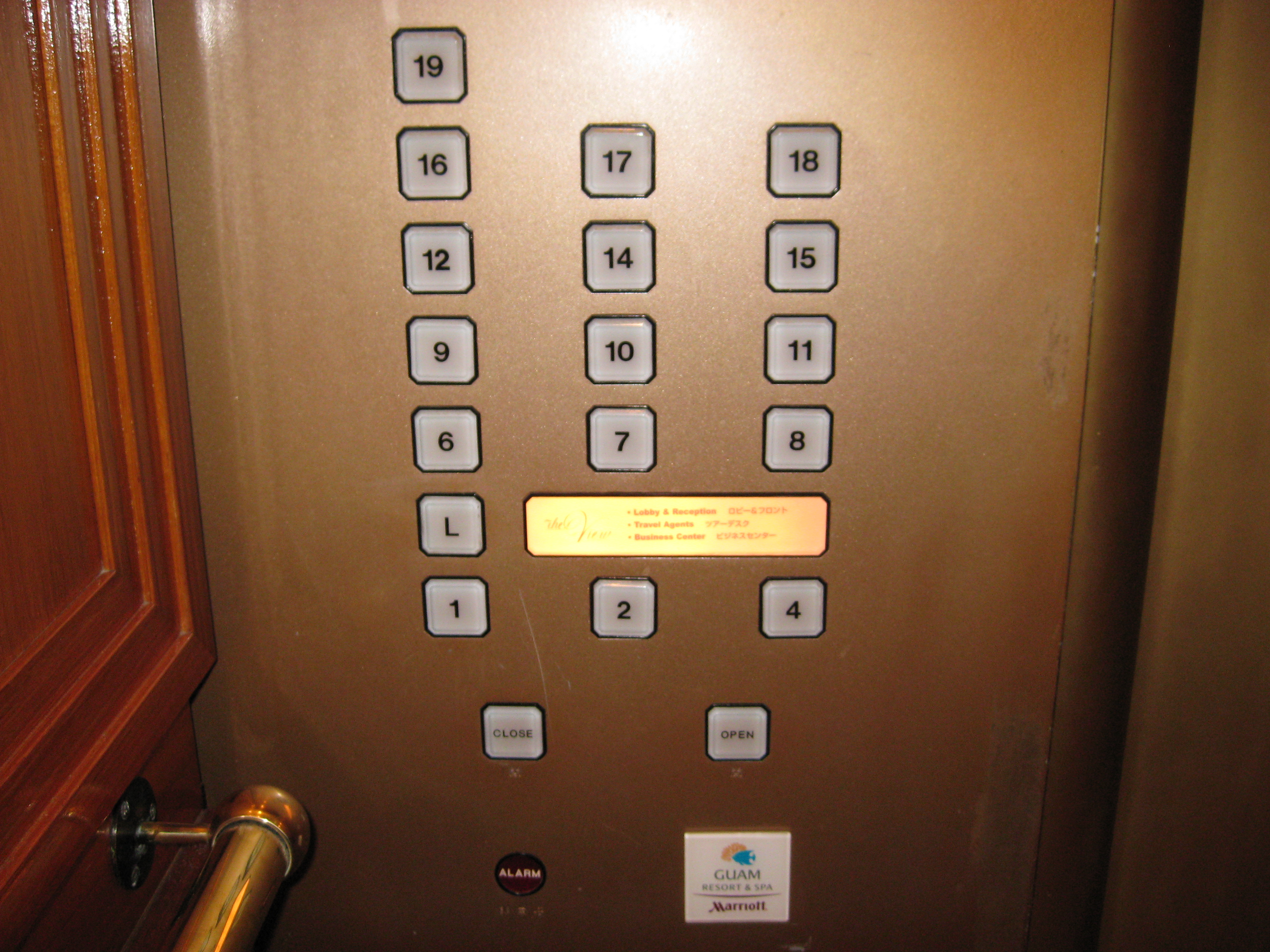
The phenomenon of avoiding “unlucky” numbers isn’t exclusive to 13. In many Asian cultures, for example, the number 4 is considered unlucky because its pronunciation in languages like Chinese and Japanese is similar to the word for “death.” Consequently, it’s common to find buildings in China and Japan that omit floors numbered 4, 14, 24, and so on. Similarly, in Italy, the number 17 is often considered unlucky, and some airlines even avoid row 17. These regional variations underscore the global impact of cultural beliefs on practical decisions. The consistency with which these superstitions appear across different cultures, albeit with different numbers, highlights a fundamental human need to attribute meaning to numerical patterns and to seek comfort in avoiding perceived misfortune. For hotels, recognizing and responding to these deep-seated cultural preferences is not just a matter of tradition but a crucial aspect of providing a welcoming and stress-free accommodation experience.
The Hotelier’s Dilemma: Balancing Beliefs and Business
For those in the hospitality industry, the decision to omit the 13th floor is far from a whimsical choice; it’s a calculated business strategy rooted in guest satisfaction and market demands. Hoteliers, particularly those managing large-scale operations or luxury travel establishments, recognize that while the fear of 13 might seem irrational to some, its widespread prevalence means it cannot be ignored. The dilemma lies in balancing objective architectural design with subjective guest perceptions, ensuring that every aspect of a stay, from booking to checkout, contributes positively to the overall experience.
Guest Perception and Psychological Comfort
At the heart of the “missing 13th floor” phenomenon is the understanding that guest perception is paramount in the hospitality industry. A hotel’s success hinges on its ability to provide a comfortable, welcoming, and perceived-safe environment. If a significant portion of potential guests harbor an aversion to the number 13, whether consciously or subconsciously, then offering a 13th floor could directly impact booking rates and guest satisfaction. Surveys and anecdotal evidence consistently show that a considerable number of travelers would actively avoid staying on a 13th floor if given the choice. Some might even go so far as to cancel a reservation or request a room change if they find themselves assigned to that floor, leading to operational headaches and potential negative reviews.
For hotels, this isn’t about validating a superstition; it’s about anticipating and accommodating the psychological needs of their clientele. Guests checking into a hotel, whether for a business stay, family trip, or a leisurely escape, are seeking comfort and peace of mind. Any element that introduces even a slight degree of unease or anxiety, no matter how irrational it may seem, can detract from the overall travel experience. By simply skipping the number, hotels proactively remove a potential source of discomfort, thereby enhancing the perceived safety and welcoming atmosphere of their establishment. This thoughtful consideration contributes to a positive brand image and encourages repeat business, demonstrating that the property is attuned to the nuances of guest preferences, even the superstitious ones. This commitment to guest comfort is a cornerstone of effective accommodation management and a key driver in fostering loyalty and ensuring favorable reviews, essential for any establishment from a boutique hotel to a grand resort.
Design and Operational Implications
The decision to skip the 13th floor has practical implications that extend beyond just a number on an elevator button. It influences architectural design, internal logistics, and even the marketing of rooms within a hotel. When architects and developers are designing a new hotel, particularly in regions where triskaidekaphobia is prevalent, the numbering scheme is an early consideration. It’s a minor adjustment in the grand scheme of a multi-story building, requiring a simple recalibration of elevator panels, floor indicators, and room numbering systems. The physical structure of the building remains unchanged; the space designated as the “13th floor” is still very much present, it just assumes a different numerical identity, becoming the 14th floor in sequence.
While the direct cost of omitting a number is negligible, the operational benefits can be significant. Avoiding the 13th floor prevents potential room change requests, which can be disruptive to front desk operations and housekeeping schedules. It also eliminates the need for staff to address guest anxieties related to the number, streamlining the check-in process. Moreover, the perceived undesirability of a 13th floor could potentially lead to lower occupancy rates for those rooms, or even a demand for discounted rates, impacting revenue. By skipping the number, hotels avoid these potential financial and logistical headaches, ensuring that all floors are equally desirable in the eyes of the guests.
Leading hotel brands like Hilton and Marriott have widely adopted this practice globally, standardizing their approach to guest comfort across their vast portfolios. This demonstrates a collective understanding within the industry that catering to cultural beliefs, even those based on superstition, is a shrewd business decision that enhances the overall guest experience and simplifies operations. It’s a subtle yet powerful example of how the hospitality industry adapts to deeply ingrained human behaviors, prioritizing the peace of mind of its guests over strict adherence to sequential numbering.
Beyond the Number: Practicalities and Alternatives
While the intention behind skipping the 13th floor is rooted in superstition, the execution involves clever architectural and operational solutions. It’s not about physically removing a floor from the building but rather creatively re-labeling it to align with guest expectations and comfort. This practice highlights the ingenuity of the hospitality industry in navigating cultural nuances while maintaining structural integrity and functionality.
Creative Numbering Systems
The most common solution for avoiding the unlucky number is straightforward: hotels simply jump from floor 12 to floor 14. This means that the physical space above the 12th floor, which would structurally be the 13th, is simply designated as the 14th floor on elevator buttons and room directories. The overall number of floors remains the same, but the sequence on the control panel skips the feared numeral. For instance, the JW Marriott Marquis Miami and the Hyatt Regency Chicago are two well-known examples of properties that adopt this numbering system, among countless others.
Beyond simply skipping, some hotels employ more creative numbering systems to mask the “missing” floor. One method involves using letters, where ‘M’ (the 13th letter of the alphabet) might designate a floor, though this is less common due to potential confusion. More frequently, hotels might assign a functional name to the floor that would otherwise be the 13th, such as “Penthouse,” “Executive Floor,” “Sky Lobby,” or “Club Floor.” For example, the Four Seasons Hotel New York designates some of its higher floors with specific names rather than sequential numbers to offer a distinct experience. These names often imply exclusivity or special amenities, effectively rebranding the floor and diverting attention from its numerical position. This approach not only sidesteps the superstition but also adds a touch of luxury and prestige, enhancing the overall lifestyle appeal of the accommodation. Ultimately, whether skipped or renamed, the goal is to eliminate any potential discomfort for guests while ensuring the seamless operation of the hotel.
Regional Variations and Global Perspectives
While the omission of the 13th floor is widespread in Western countries, particularly in the United States and Canada, its prevalence and the specific numbers avoided can vary significantly across the globe, reflecting the diverse tapestry of cultural beliefs. In many parts of Europe, particularly those with strong Anglo-Saxon or Germanic influences, the 13th floor is often skipped. However, in certain European nations, such as France or Spain, the practice might be less rigid, or different numbers might carry more weight.
The most prominent regional variation, as mentioned earlier, is found in East Asian countries like China, Japan, and South Korea, where the number 4 is considered highly unlucky due to its phonetic similarity to the word for “death.” Consequently, it is far more common to find hotels and other high-rise buildings in these regions skipping not only floor 4 but also floors like 14, 24, and so on. Similarly, in Italy, some hotels might avoid the number 17, as its Roman numeral (XVII) can be rearranged to form “VIXI,” a Latin phrase meaning “I have lived,” implying “my life is over.”
These global differences underscore the importance of understanding local culture in the tourism and accommodation sectors. International hotel chains, when developing properties in different countries, must adapt their designs and numbering systems to align with local superstitions and cultural norms. A practice considered standard in New York City might be entirely irrelevant or even counterproductive in Shanghai or Rome. This adaptability is a hallmark of successful global hospitality, demonstrating a commitment to creating comfortable and culturally sensitive environments for all travelers, reinforcing the idea that successful accommodation is about more than just a place to sleep; it’s about understanding and respecting the diverse beliefs of a global clientele.
A Broader Look: Superstition’s Role in Travel and Hospitality
The omission of the 13th floor is just one prominent example of how superstitions subtly shape our daily lives, and particularly, our travel experiences. From the moment we plan a trip to the details of our stay, age-old beliefs and cultural practices can influence decisions, sometimes without us even realizing it. The world of travel is rich with traditions, rituals, and unspoken rules that add layers to local culture and tips for navigating new destinations.
Other Superstitions in Travel
Beyond hotel floor numbers, superstitions manifest in countless ways within the realm of travel. Many travelers carry lucky charms or perform small rituals before a journey, hoping to ensure a safe and pleasant trip. This could range from kissing a photo of a loved one before departing to avoiding certain actions or dates for fear of bad luck. For instance, the common Western superstition of not walking under a ladder, avoiding black cats, or immediately breaking a mirror, can also translate into a traveler’s cautious behavior in unfamiliar surroundings.
In some cultures, certain days are considered auspicious or inauspicious for travel. For example, in many Hindu traditions, specific days of the week or astrological alignments are preferred for beginning a journey. Similarly, breaking bread or spilling salt before embarking on a voyage might be seen as an ill omen in various folk traditions. These beliefs often contribute to the unique charm and local culture that tourism enthusiasts seek out. Understanding and respecting these local nuances can enhance a traveler’s appreciation for a destination and improve their interactions with local communities, transforming a simple vacation into a rich cultural experience.
The Modern Traveler and Age-Old Beliefs
In an increasingly globalized and technologically advanced world, one might assume that ancient superstitions would fade into irrelevance. However, the enduring presence of practices like skipping the 13th floor suggests otherwise. While younger generations, such as millennials and Gen Z, might outwardly express skepticism about superstitions, the underlying psychological comfort they provide often subtly influences their choices. The appeal isn’t always about genuinely believing in supernatural forces, but rather about adhering to cultural norms, avoiding potential hassle, or simply enjoying the quirky stories that these beliefs generate.
For the modern traveler, whether they are on a luxury travel adventure or navigating budget travel options, encountering such traditions adds a layer of intrigue to their journey. It prompts curiosity about the local culture and offers a glimpse into the diverse human psyche. The “missing” 13th floor, for instance, becomes a conversation starter, a piece of local lore that enriches the travel narrative. It reinforces the idea that even in a world obsessed with efficiency and data, human emotions, traditions, and collective beliefs continue to play a significant role in shaping our environments and experiences. This blend of the ancient and the modern is what makes travel so endlessly fascinating, inviting us to explore not just new destinations, but also the enduring quirks of humanity itself.
The Enduring Legacy of the “Missing” Floor
The mystery of the missing 13th floor in hotels across the world is far more than a simple architectural anomaly; it’s a profound cultural touchstone that encapsulates the intricate interplay between ancient superstition, human psychology, and the pragmatic demands of the hospitality industry. From the Last Supper to Norse myths, the number 13 has accumulated a dense tapestry of negative connotations, etching itself into the collective consciousness as a harbinger of ill fortune. Hotels, as custodians of comfort and convenience, have responded to this deep-seated fear not out of blind belief, but out of a clear understanding of guest perception and its critical role in the success of any accommodation.
The decision to skip the 13th floor is a testament to the industry’s unwavering commitment to guest satisfaction. By simply omitting a number on an elevator panel, hoteliers proactively remove a potential source of anxiety, ensuring a smoother, more psychologically comfortable experience for countless travelers. This small but significant adaptation highlights how even the most rational of businesses must sometimes bow to the power of irrational beliefs when those beliefs hold sway over their clientele.
Moreover, the varied approaches to unlucky numbers globally – be it the avoidance of 4 in Asia or 17 in Italy – underscores the importance of cultural sensitivity in an interconnected world. It reminds us that successful tourism and accommodation are not just about providing amenities or famous places; they are about understanding and respecting the diverse tapestry of human experience, one floor at a time. The “missing” 13th floor remains a fascinating quirk of modern life, a quiet nod to our shared history, and an enduring symbol of how deeply our ancient fears continue to shape the very spaces we inhabit, even in the most luxurious and modern of settings. It encourages us to look beyond the obvious and appreciate the subtle ways that culture, psychology, and commerce intertwine to create the rich and varied landscape of global travel.
LifeOutOfTheBox is a participant in the Amazon Services LLC Associates Program, an affiliate advertising program designed to provide a means for sites to earn advertising fees by advertising and linking to Amazon.com. Amazon, the Amazon logo, AmazonSupply, and the AmazonSupply logo are trademarks of Amazon.com, Inc. or its affiliates. As an Amazon Associate we earn affiliate commissions from qualifying purchases.