
For many, the mention of Florida conjures images of sun-kissed beaches, thrilling theme parks, and the vibrant, unique ecosystems of the Everglades. It’s a premier destination for travelers seeking everything from serene nature escapes to bustling urban adventures in cities like Miami and Orlando. Yet, beneath the surface of this idyllic travel destination, a quiet and relentless ecological battle is being waged. An invasive predator, the Burmese python, has established a formidable presence, particularly in South Florida’s sensitive wetlands. The problem is so pervasive that it often leads curious visitors and concerned citizens alike to ask a simple, seemingly logical question: “Why don’t they just shoot the pythons?” The answer, as with many complex ecological challenges, is far from straightforward, weaving together aspects of environmental science, public safety, ethical considerations, and the sheer logistical nightmare of managing a rapidly reproducing, highly adaptable apex predator across a vast and intricate landscape.
The issue of invasive species is a global concern, but in Florida, it has reached critical levels, threatening the very biodiversity that draws millions of tourists each year. From the Everglades National Park to the fringes of residential areas, these colossal constrictors have decimated native wildlife populations, disrupting the delicate balance of an ecosystem unlike any other on Earth. Understanding the full scope of this challenge requires looking beyond simplistic solutions and appreciating the dedicated, multi-faceted efforts undertaken by wildlife agencies and researchers to protect Florida’s precious natural heritage. This article delves into the complexities of the Burmese python problem, exploring why a simple “shoot-on-sight” approach isn’t enough, and highlighting the innovative strategies being employed to safeguard Florida’s invaluable natural attractions for generations of travelers to come.
The Alluring Yet Vulnerable Wilderness of Florida
Florida’s natural landscapes are a major draw for tourism, offering unique experiences from airboat tours through sawgrass prairies to birdwatching in cypress swamps. The state’s vibrant ecosystems, particularly the Everglades, are globally renowned for their biodiversity and are considered crucial habitats for numerous endangered species. It is precisely this allure and ecological richness that makes the python invasion so devastating and the efforts to combat it so urgent.
The Ecological Crisis Lurking Beneath the Surface
The story of the Burmese python’s arrival in Florida is a cautionary tale, primarily linked to the exotic pet trade and irresponsible ownership. While some might have been intentionally released, a significant number likely escaped during events like Hurricane Andrew in 1992, finding the subtropical climate of South Florida remarkably similar to their native Southeast Asia. With no natural predators to keep their numbers in check, these adaptable snakes flourished, establishing a rapidly expanding population that has wreaked havoc on the native fauna.
The impact has been catastrophic. Studies conducted in Everglades National Park have shown dramatic declines – up to 90-99% – in mammal populations such as raccoons, opossums, bobcats, and deer in areas where pythons are prevalent. These aren’t just minor fluctuations; they represent a fundamental restructuring of the ecosystem’s food web. The disappearance of these mammals not only affects the aesthetic appeal for eco-tourists hoping to spot wildlife but also has cascading effects on other predators and the overall health of the environment. Imagine visiting the Everglades only to find an unnervingly quiet landscape, stripped of its characteristic wildlife – it diminishes the very essence of the travel experience.
A Biodiversity Hotspot Under Threat
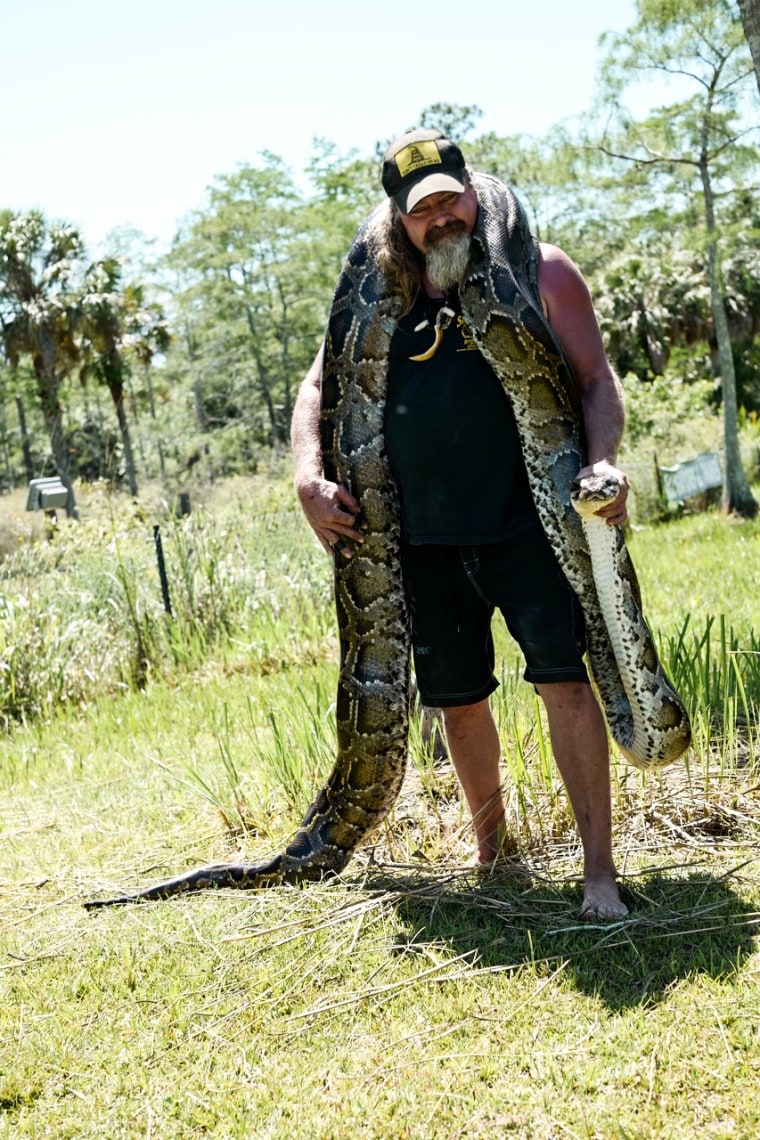
The Everglades is not merely a swamp; it’s a UNESCO World Heritage Site and an International Biosphere Reserve, home to iconic species like the Florida panther, American alligator, and hundreds of bird species. It’s a critical stopover for migratory birds and a breeding ground for many aquatic species. The Burmese python, with its voracious appetite and impressive size (often exceeding 15 feet in length), poses an existential threat to this delicate balance. They consume everything from small rodents to large alligators, directly competing with native predators and pushing already vulnerable populations closer to extinction.
For tourism, the health of Florida’s natural environment is paramount. Travelers seeking authentic wildlife encounters, birdwatching expeditions, or peaceful kayak trips through mangrove tunnels are drawn by the promise of vibrant, thriving ecosystems. If the pythons continue their unchecked proliferation, these experiences could become increasingly rare and diminished, impacting local economies reliant on eco-tourism. The fight against the pythons, therefore, isn’t just about controlling an invasive species; it’s about preserving a global ecological treasure and sustaining a vital component of Florida’s appeal as a world-class travel destination.
Beyond the Simple Shot: The Complexities of Python Eradication
The question “Why don’t they just shoot them?” stems from a natural human instinct to solve problems directly. However, when dealing with a creature like the Burmese python in the unique environment of Florida, the answer becomes incredibly nuanced, revealing the limitations of a simple lethal force approach.
The Elusive Nature of an Invasive Predator
One of the primary challenges in python eradication is the snake’s remarkable camouflage and elusive behavior. Burmese pythons blend seamlessly into the dense vegetation of the Everglades, making them incredibly difficult to spot, even for trained professionals. Their cryptic patterns allow them to disappear into sawgrass, cypress strands, and mangrove forests, often remaining undetected mere feet from an observer. They are primarily nocturnal, further complicating detection efforts.
Adding to the difficulty is the sheer vastness and inaccessibility of their preferred habitat. The Everglades is a sprawling wetland ecosystem covering millions of acres, much of which is remote, swampy, and challenging to traverse. It’s not a typical hunting ground where targets are easily located. Simply deploying a large number of people with firearms would be impractical, dangerous, and likely ineffective given the snakes’ ability to hide. Even with modern technology, locating individual pythons across such a colossal and intricate landscape is akin to finding a needle in a haystack, a moving, breeding haystack. Furthermore, pythons breed rapidly, with females laying clutches of 50-100 eggs annually, meaning that even if a significant number are removed, the population can quickly rebound if breeding adults remain. The sheer scale of the population, estimated in the tens of thousands or even hundreds of thousands, makes individual shooting an insufficient solution for eradication or even significant population control.
Ethical Considerations and Public Perception
While the ecological devastation caused by pythons is undeniable, the methods of control also spark ethical debates and public perception challenges. The idea of mass shooting an animal, even an invasive one, can be sensitive. Public hunting programs, while effective in engaging the community, must be carefully managed to ensure safety and prevent unintended harm to native species or humans. The Florida Fish and Wildlife Conservation Commission (FWC) and the South Florida Water Management District have implemented programs that allow authorized individuals to humanely euthanize pythons, emphasizing responsible and safe practices.
There’s also the crucial element of public education. Many people, including visitors, may not fully grasp the severity of the python problem or the necessity of aggressive control measures. For a state that prides itself on its wildlife and natural beauty, striking the right balance between conservation and public relations is essential. Promoting ethical hunting practices and educating the public on why these measures are necessary helps garner support and ensures that solutions are not only effective but also socially acceptable. This balance is critical for maintaining Florida’s reputation as a responsible travel destination.
The Legal Landscape of Wildlife Management
Wildlife management in the United States, and particularly in Florida, is governed by a complex web of state and federal laws. Simply allowing untrained individuals to “shoot” pythons could lead to dangerous situations, unintended harm to protected species, or even the illegal taking of native snakes that are often mistaken for pythons. Regulations exist to ensure that any hunting or removal effort is conducted safely, humanely, and in a manner that protects both the public and the environment.
The FWC plays a pivotal role in regulating python removal programs, requiring permits, training, and adherence to specific guidelines for all participants. This structured approach, while seemingly less direct than simply opening up python hunting to the general public without restrictions, is crucial for effective and responsible wildlife management. It ensures that efforts are targeted, data is collected for research, and public safety is maintained, all while working towards the ultimate goal of protecting Florida’s unique ecosystems.
Innovative Approaches and Collaborative Conservation Efforts
Given the immense scale and complexity of the Burmese python invasion, a multi-pronged, scientifically-backed strategy has emerged as the most viable path forward. This approach combines direct removal efforts with cutting-edge research and community engagement, transforming a seemingly insurmountable problem into a beacon of collaborative conservation.
Professional Hunters and Community Involvement
While a free-for-all shooting spree is not the answer, targeted and organized removal efforts are. Both the FWC and the South Florida Water Management District employ professional python hunters and contractors who are highly skilled in locating and humanely euthanizing these elusive snakes. These individuals often work long hours in challenging conditions, navigating treacherous terrain to track and capture pythons. They are experts in snake behavior, possess extensive knowledge of the Everglades ecosystem, and are equipped with the necessary permits and training. Their expertise is invaluable in areas where pythons are most concentrated.
Beyond professional contractors, there’s significant emphasis on community involvement through programs like the annual “Python Challenge.” This initiative, open to the public, incentivizes participants to remove pythons, offering cash prizes for the most snakes caught or the longest snake. It serves a dual purpose: directly removing pythons and, perhaps more importantly, raising public awareness about the issue. Tourists and locals alike can learn about the impact of invasive species and understand the importance of responsible pet ownership. These programs foster a sense of shared responsibility for Florida’s natural heritage, turning what could be a passive threat into an active conservation effort that visitors can learn about and appreciate.
Technological Innovations in Tracking and Trapping
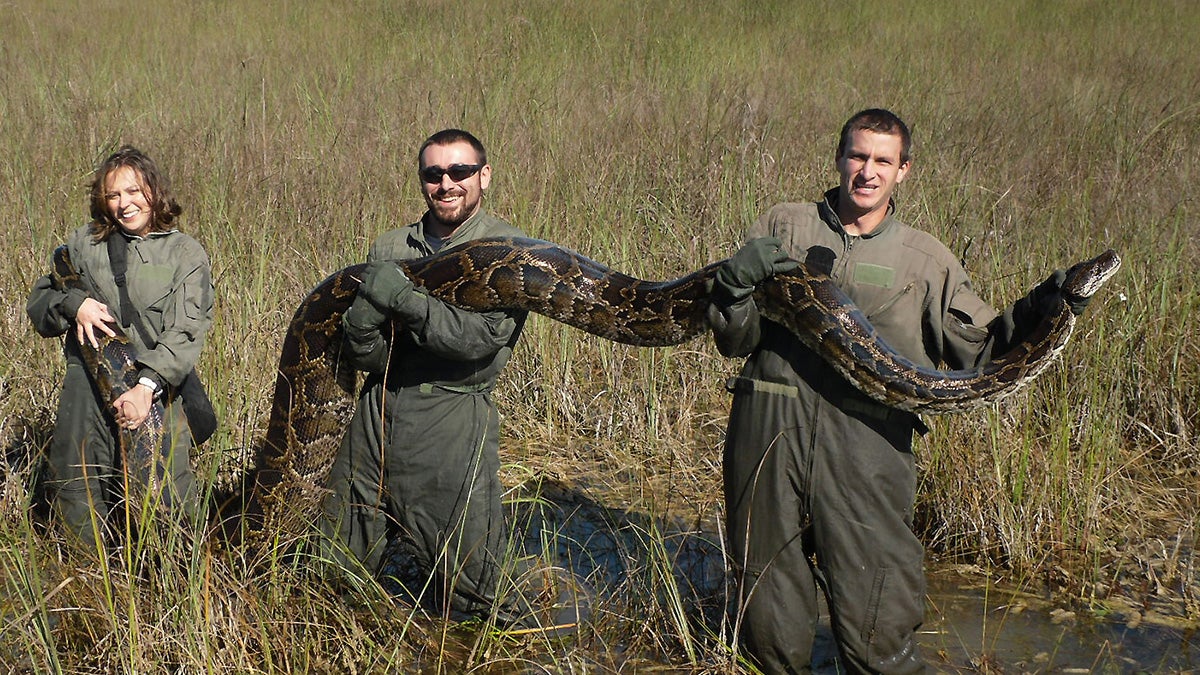
Science and technology are playing an increasingly critical role in the fight against pythons. Researchers from institutions like the University of Florida are continuously exploring new methods for detection and control. One of the most promising techniques involves the use of “scout snakes” or “Judas snakes.” Male pythons are surgically implanted with radio transmitters and then released back into the wild. These scout snakes naturally seek out female pythons, especially during breeding season, leading researchers to large aggregations of snakes that would otherwise be impossible to find. Once located, these pythons, particularly the breeding females, can be humanely removed. This method is highly effective because it leverages the pythons’ own behavior against them, allowing for the targeted removal of individuals crucial for population growth.

Other technological advancements include the development of sophisticated traps and remote sensing technologies. Researchers are experimenting with various trap designs, often baited with pheromones or live animals (in a humane and ethical manner, ensuring the safety of the bait animal) to lure pythons. Drones equipped with thermal imaging cameras are being tested to scan dense vegetation for heat signatures, offering the potential to locate pythons from above, particularly in areas difficult for humans to access. These innovations are critical for enhancing the efficiency and effectiveness of removal efforts across the vast Everglades landscape.
Research and Long-Term Strategies for a Sustainable Future
Ultimately, the battle against the Burmese python is a long-term endeavor that requires sustained research and adaptive strategies. Scientists are studying everything from python genetics and reproductive biology to their dietary habits and movement patterns. Understanding these aspects helps in developing more effective control methods and predicting future population trends. For instance, research into specialized attractants or methods of sterilizing pythons could offer non-lethal population control options in the future.
The goal isn’t just to remove individual snakes but to develop a sustainable strategy for mitigating their impact and, ideally, eradicating them from the ecosystem. This involves collaboration between state agencies, federal partners like the National Park Service, universities, and non-profit organizations. It’s a testament to the dedication of countless individuals and institutions that Florida’s unique natural wonders are being defended with such vigor. For travelers, knowing that such concerted efforts are in place to preserve the pristine beauty and rich biodiversity of destinations like the Everglades adds a deeper layer of appreciation to their travel experiences.
Preserving Florida’s Natural Splendor for Future Travelers
The challenge posed by the Burmese python in Florida is a stark reminder of the delicate balance of ecosystems and the profound impact invasive species can have. Yet, it also highlights the resilience of nature and the determined spirit of conservationists and local communities working to protect it. For travelers considering a visit to the Sunshine State, understanding these efforts can enrich their experience, offering insights into the vibrant conservation culture that underpins much of Florida’s appeal.
Eco-Tourism and Responsible Exploration
Florida’s commitment to combating invasive species directly supports its thriving eco-tourism sector. Destinations like the Everglades, with their unique flora and fauna, depend entirely on the health of their ecosystems to attract visitors. Responsible tour operators often incorporate educational elements into their excursions, teaching guests about the challenges facing the Everglades, including the python problem, and the importance of conservation. By choosing eco-friendly accommodations and tours that prioritize sustainability, travelers can directly contribute to the preservation of these natural wonders. For instance, staying at a lodge that supports local conservation initiatives or participating in guided tours that educate on environmental issues can make a significant positive impact.
Moreover, the allure of seeing native Florida wildlife—from wading birds and alligators to the elusive Florida panther—is a primary motivation for many visitors. The success of python eradication programs is crucial for ensuring that these iconic species continue to thrive, guaranteeing that future generations of travelers can experience the authentic, wild heart of Florida. The ongoing fight is about more than just snakes; it’s about preserving an entire natural heritage that fuels a significant portion of the state’s tourism industry.
How Visitors Can Contribute to Conservation
While travelers aren’t expected to join the front lines of python removal, there are several ways they can contribute to Florida’s conservation efforts, enhancing their trip with a sense of purpose:
- Support Responsible Tourism: Choose tour operators and accommodations that demonstrate a commitment to environmental sustainability and conservation. Look for certifications or stated missions related to eco-tourism.
- Be Mindful of Wildlife: Respect wildlife from a distance and never feed wild animals. Learn about native species and the threats they face.
- Report Sightings (Responsibly): If you happen to spot a python in the wild, do not approach it. Instead, take a photo and report the sighting to the FWC’s exotic species hotline (1-888-IVE-GOT1) or through their online reporting tools. This data is vital for tracking python movements and concentrations.
- Responsible Pet Ownership: Never release exotic pets into the wild. This is a primary cause of invasive species problems. If you can no longer care for an exotic pet, seek out proper rehoming services or surrender programs.
- Educate Yourself and Others: Share your knowledge about the python problem and the importance of conservation with friends and family. Increased awareness leads to greater support for effective solutions.
The question “Why don’t they just shoot the pythons?” opens a window into the complex, challenging, and often inspiring world of wildlife conservation in Florida. It underscores that effective solutions require much more than simplistic actions; they demand scientific expertise, technological innovation, community engagement, and sustained dedication. By understanding these multifaceted efforts, travelers can gain a deeper appreciation for the destinations they visit and become advocates for the preservation of our planet’s invaluable natural treasures, ensuring that Florida’s unique allure continues to captivate for many years to come.