
Alaska, the largest state in the United States by area, evokes images of majestic mountains, vast wilderness, and a spirit of rugged independence. More than just a geographical location, it’s a concept, a dream, and for many, an ultimate travel destination. Its iconic moniker, “The Last Frontier,” is not merely a catchy slogan but a deeply fitting descriptor that encapsulates its unique characteristics, beckoning adventurers, nature lovers, and those seeking an escape from the ordinary. This title is a testament to Alaska’s immense scale, untamed landscapes, challenging environment, rich history, and the enduring human desire to explore the unknown.
The website LifeOutoftheBox.com explores travel, tourism, and lifestyle, and no destination embodies these themes more profoundly than Alaska. It represents the pinnacle of adventure travel, offering experiences that redefine luxury and budget travel alike, from opulent cruise ships navigating the Inside Passage to remote cabins offering unparalleled solitude. Understanding why Alaska earned this name provides a deeper appreciation for its allure as a premier destination, an unparalleled landmark of natural beauty, and a place where the human spirit can truly stretch its limits.
A Land of Untamed Wilderness and Immense Scale
At the heart of Alaska’s designation as “The Last Frontier” lies its unparalleled natural grandeur and sheer physical size. It is a land where nature reigns supreme, largely untouched by human development, offering a stark contrast to the more populated and urbanized regions of the world. This vastness and wildness are not just statistics on a map; they are palpable forces that shape every experience in the state.
The Sheer Vastness and Geographic Isolation
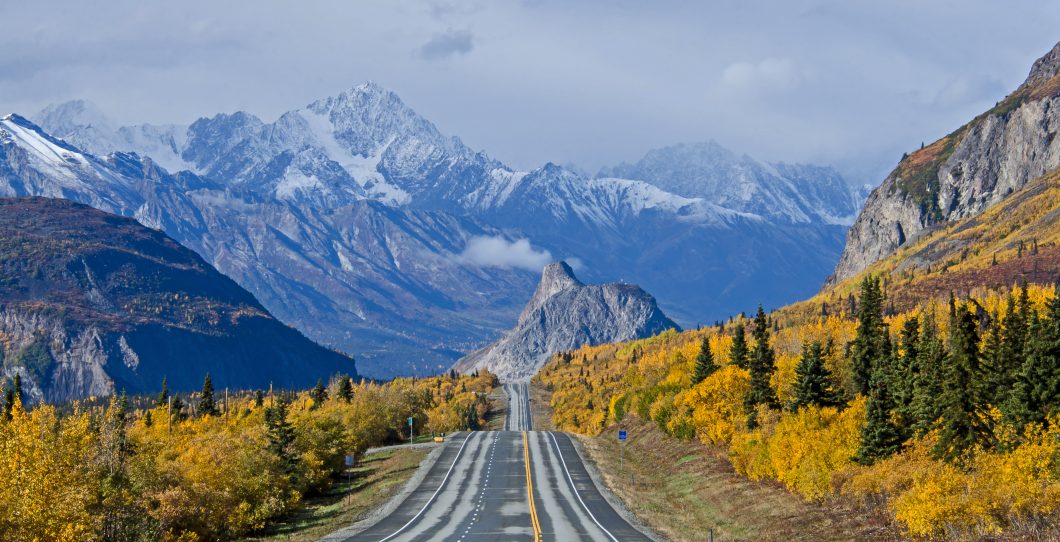
Alaska is colossal, covering an area of over 663,000 square miles, making it more than twice the size of Texas. To put its scale into perspective, if Alaska were a country, it would be the 17th largest in the world, larger than many nations combined. Despite its immense size, its population is sparse, with less than one person per square mile. Much of this land remains roadless and largely uninhabited, accessible only by air, boat, or foot, reinforcing the feeling of entering a truly wild domain. This isolation is further amplified by its geographical position, separated from the contiguous United States by Canada.
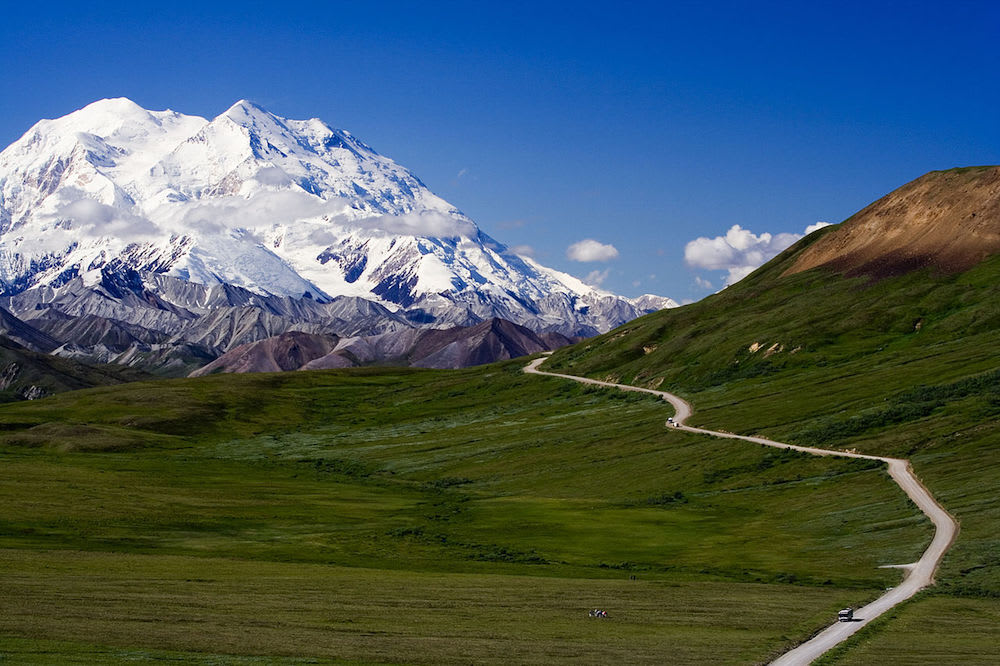
This vastness means that many of Alaska’s most iconic landmarks are not man-made structures but natural wonders. The towering peaks of the Alaska Range, including Denali (formerly Mount McKinley), the highest mountain in North America, dominate the landscape. Denali National Park and Preserve, a prime example, encompasses six million acres of wilderness, a testament to the scale of conservation efforts in the state. The journey through such landscapes is an experience in humility, reminding visitors of the sheer power and beauty of the natural world. Travel guides for Alaska consistently highlight routes and accommodations that bring travelers closer to these awe-inspiring natural landmarks, often involving remote lodges or unique Alaskan resorts designed to blend into the wilderness.
Diverse and Pristine Ecosystems
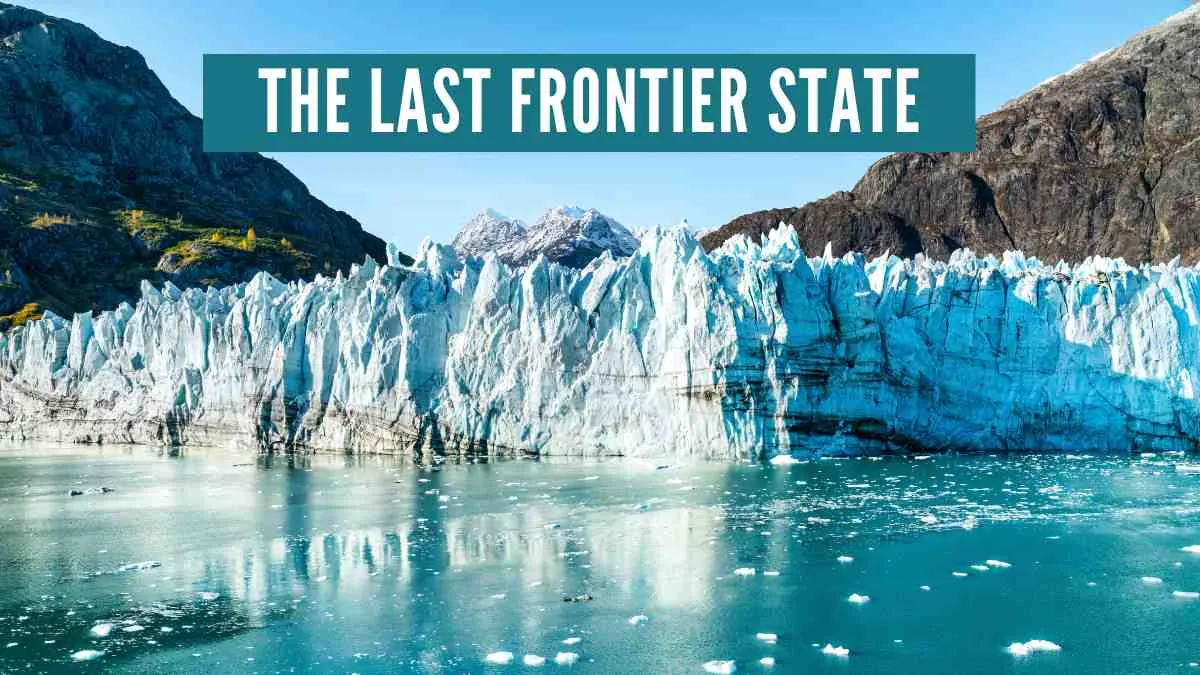
Beyond its sheer size, Alaska is a mosaic of incredibly diverse and pristine ecosystems, each offering a unique glimpse into an untouched world. From the temperate rainforests of Southeast Alaska to the Arctic tundra of the far north, the state encompasses a remarkable range of biomes. Massive glaciers calve into deep fjords along the Inside Passage and Prince William Sound, while boreal forests stretch across the interior, giving way to barren, ice-scoured landscapes near the Arctic Circle. The Kenai Fjords National Park is another testament to Alaska’s glacial heritage, showcasing a dynamic landscape shaped by ice.
This ecological diversity supports an astonishing array of wildlife, which thrives in relative solitude. It’s a land where brown bears and black bears roam freely, where moose graze in vast meadows, and where caribou herds migrate across vast plains. Coastal waters teem with marine life, including whales (humpbacks, orcas, gray whales), sea lions, and otters. Birdwatchers flock to Alaska to witness incredible migrations and nesting colonies. Witnessing these animals in their natural habitats is a core attraction for tourism, drawing visitors from around the globe. Many travel experiences are centered around wildlife viewing, with guided tours, wilderness lodges, and even specific glamping accommodations designed to offer immersive nature encounters. The unspoiled nature of these habitats underscores the “frontier” identity – a place where wild creatures still dictate the rhythm of life, much as they have for millennia.
A Haven for Adventure and Exploration
The “Last Frontier” isn also a direct invitation to adventure, challenging individuals to step outside their comfort zones and engage directly with the raw power of nature. For those who yearn for authentic experiences and a taste of true exploration, Alaska offers an unparalleled playground. The activities available are as boundless as the landscape itself, catering to all levels of adventurers seeking unique travel experiences.
The Spirit of Outdoor Adventure
Alaska is synonymous with outdoor adventure. Its vast network of trails, rivers, and coastal waters provides endless opportunities for activities that demand resilience and self-reliance. Hiking through national parks like Denali or Chugach State Park offers breathtaking vistas and the chance to encounter wildlife up close. World-class fishing, particularly for salmon and halibut, draws anglers seeking the thrill of the catch in pristine waters. Kayaking and rafting expeditions navigate wild rivers and serene fjords, offering a unique perspective on the state’s dramatic scenery.
Winter transforms Alaska into a wonderland for snow sports, from backcountry skiing and snowboarding to ice climbing. The Iditarod Trail Sled Dog Race, a grueling 1,000-mile race from Anchorage to Nome, embodies the ultimate Alaskan challenge, testing mushers and their dog teams against the harshest elements. This spirit of adventure is woven into the very fabric of Alaskan life and is a major draw for tourism. Many companies specialize in crafting bespoke adventure tours, offering everything from bear-viewing flights in Katmai National Park to multi-day glacier treks. These experiences are not just activities; they are immersive encounters that allow travelers to connect with the landscape on a profound level, fostering a sense of accomplishment and self-discovery.
Uncharted Territories and Scientific Discovery
While no longer entirely “uncharted” in the literal sense of being undiscovered, vast portions of Alaska remain largely unexplored by humans, particularly its remote interior and the Arctic regions. These areas serve as living laboratories for scientists studying everything from climate change and glaciology to unique ecosystems and wildlife behavior. The sheer scale and difficulty of access mean that new discoveries are still being made, reinforcing the idea of Alaska as a place where the frontiers of knowledge are still being pushed.
For the adventurous traveler, this translates into opportunities for truly unique experiences away from the well-trodden paths. Remote fly-in fishing lodges, wilderness cabins accessible only by bush plane, and multi-day backcountry excursions offer a taste of genuine exploration. It’s a place where one can feel truly disconnected from the modern world and deeply connected to nature. This quest for the unknown and untouched is a powerful motivator for travelers seeking not just a vacation, but a transformative journey, making Alaska an essential destination for experiential travel and those pursuing a lifestyle of discovery.
Rich History and Unique Cultural Tapestry
The “Last Frontier” isn’t solely defined by its natural features; it’s also shaped by a compelling human history of exploration, struggle, and adaptation. This rich past, coupled with a vibrant present-day culture, adds depth to its frontier identity, showcasing how people have lived and thrived in this challenging yet rewarding environment.
Echoes of the Gold Rush and Pioneer Spirit
The late 19th and early 20th centuries saw Alaska burst onto the global stage with the discovery of gold. The Klondike Gold Rush of 1896, while primarily centered in Canada’s Yukon Territory, significantly impacted Alaska, as prospectors streamed through coastal towns like Skagway and Juneau on their way to the goldfields. Later discoveries within Alaska itself, near Nome and Fairbanks, led to boomtowns and solidified the image of Alaska as a land of opportunity for those brave enough to seek it.
This era instilled a profound pioneer spirit – one of rugged individualism, self-reliance, and perseverance against formidable odds. These values remain deeply ingrained in the Alaskan ethos. Historic landmarks like the Chilkoot Trail, a formidable path once traversed by thousands of gold seekers, and the preserved storefronts of Skagway’s historic district, offer tangible links to this adventurous past. Tourism capitalizes on this history, with historical tours, museum visits, and even reenactments providing insights into the lives of those who forged the initial paths into this frontier. This historical context adds another layer to the “Last Frontier” identity, showcasing a continuing narrative of human daring in the face of the wild.
Indigenous Heritage and Modern Alaskan Life
Long before the gold rushes, Alaska was home to diverse Native Alaskan peoples, whose cultures are intimately tied to the land and its resources. Groups like the Inupiat and Yup’ik in the Arctic and Bering Sea regions, the Athabascan peoples of the interior, and the Tlingit, Haida, and Tsimshian of the Southeast coast, each developed unique traditions, languages, and sustainable ways of life over thousands of years. Their deep knowledge of the land, its wildlife, and its seasonal rhythms represents an indigenous frontier of survival and harmony with nature.
Today, Native Alaskan cultures remain vibrant and are an integral part of Alaska’s cultural tapestry. Visitors can experience this rich heritage through cultural centers, traditional art forms, storytelling, and local food experiences. Destinations like the Alaska Native Heritage Center in Anchorage offer immersive insights. Engaging with these local cultures provides a profound understanding of what it means to live on the frontier, not as a conqueror, but as a steward of the land. This blend of ancient wisdom and modern adaptation makes Alaska a living, evolving frontier, where tradition and progress coexist.
The Allure of the Unknown and Untouched
Ultimately, the enduring appeal of “The Last Frontier” lies in its profound ability to stir the human imagination. It represents a place where the boundaries of the known seem to blur, offering a sense of possibility and a unique perspective on life that is increasingly rare in our hyper-connected world. It is the ultimate escape, a place where the pursuit of adventure, solitude, and self-discovery is not just possible, but practically inevitable.
Escapism and Self-Discovery
For many, Alaska is the ultimate destination for escapism. It offers a chance to disconnect from the constant demands of modern life, the digital overload, and the pressures of urban living. The vast, silent landscapes provide an unparalleled opportunity for solitude and introspection. Whether it’s watching the Northern Lights dance across a clear winter sky near Fairbanks, kayaking alone through a remote cove, or simply absorbing the grandeur of Denali from a distance, Alaska encourages a profound sense of self-discovery.
This quality makes Alaska a prime destination for various lifestyle travel choices, from those seeking a transformative solo journey to families looking to instill a sense of wonder and resilience in their children. The accommodations often reflect this desire for connection with nature, offering everything from rustic cabins to luxury resorts that emphasize panoramic views and outdoor access. Reviews often highlight the profound impact an Alaskan trip has on visitors, speaking to a renewed sense of perspective and appreciation for the natural world.
A Vision of the Future – Or the Past?
In a world where most frontiers have been settled, mapped, and developed, Alaska stands as a powerful reminder of how the world once was, and perhaps, how it could still be. It’s a place where natural processes still dominate, where the cycles of life and death unfold on a grand scale, largely independent of human intervention. In this sense, “The Last Frontier” offers a vision of both the past – an untouched, primal landscape – and a potential future, where humanity learns to coexist more harmoniously with the wilderness.
It continues to be a place of challenges and opportunities, whether for scientific research into climate change’s impact on glaciers, for sustainable tourism development that respects its fragile ecosystems, or for individuals seeking a unique way of life. The label is not static; it evolves as our understanding of and relationship with the wilderness changes. Alaska continues to push the boundaries of what is possible, both geographically and experientially, making it a truly exceptional destination for anyone interested in travel, tourism, and a lifestyle defined by adventure and respect for the natural world.
Conclusion
“Why is Alaska called The Last Frontier?” The answer is multifaceted, woven into its very landscape, history, and cultural identity. It’s a tribute to its unparalleled vastness and untamed wilderness, where immense mountains, glaciers, and diverse ecosystems remind us of nature’s raw power. It speaks to the spirit of adventure and exploration it inspires, beckoning travelers to engage in thrilling outdoor activities and discover truly remote territories. Furthermore, the moniker honors its rich history of pioneer spirit and the enduring wisdom of Native Alaskan cultures, who have thrived in this challenging environment for millennia.
For those seeking unique travel experiences, from luxurious lodge stays amidst the wilderness to intrepid backcountry expeditions, Alaska offers a profound sense of escape and self-discovery. It remains a landmark of natural beauty and a testament to a lifestyle of resilience and connection to the wild. The “Last Frontier” isn’t just a name; it’s a living, breathing promise of adventure, a place where the human spirit can truly engage with the untamed beauty of the world, making it an essential destination on any travel enthusiast’s bucket list. Alaska will undoubtedly continue to captivate and challenge all who venture to its shores, forever embodying the spirit of the last great wild place.