
Boston, a city steeped in history, brimming with intellectual vigor, and pulsating with a vibrant modern rhythm, consistently ranks among the most expensive places to live and visit in the United States. Its charm is undeniable, drawing millions of tourists annually to its historic streets and cutting-edge institutions. However, this allure comes with a significant price tag. For travelers planning a trip, or those considering a longer stay, understanding the underlying factors contributing to Boston’s high costs is crucial for effective budget management. From the premium on accommodation to the elevated expenses of daily life and even the cost of enjoying its world-class attractions, several interwoven elements create this challenging economic landscape. This article delves into the various facets that make Boston a high-cost destination, offering insights for both casual visitors and those exploring a deeper connection with this iconic New England metropolis.
The Allure of History and Innovation: A High-Demand Destination
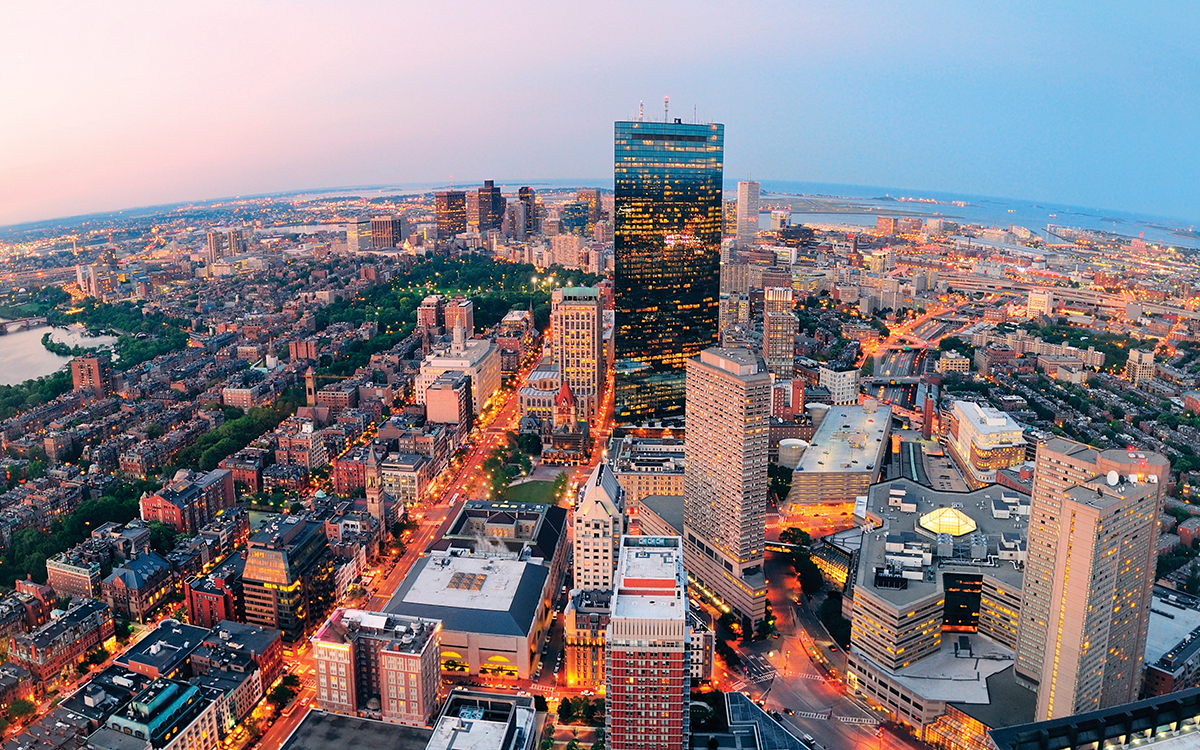
At the heart of Boston’s expensiveness lies its unique blend of historical significance and contemporary economic prowess. As a city that played a pivotal role in the American Revolution, its landmarks are not just tourist attractions but cherished national treasures. Simultaneously, Boston has evolved into a global leader in education, biotechnology, and innovation, attracting a highly skilled workforce and significant investment. This combination creates intense demand, driving up prices across virtually all sectors.
A Rich Historical Tapestry
Boston’s historical narrative is perhaps its most compelling draw. The city is a living museum, where cobblestone streets lead to sites of monumental importance. The famous Freedom Trail guides visitors through 16 nationally significant historical sites, including the Paul Revere House, the Old North Church, and Faneuil Hall Marketplace. Experiencing these landmarks offers an unparalleled journey into the nation’s past. The Boston Tea Party Ships & Museum provides an immersive historical experience, while a stroll through Beacon Hill feels like stepping back in time with its gas-lit streets and federal-style rowhouses.
The maintenance and preservation of these invaluable historical assets contribute to the city’s operational costs. Furthermore, the sheer volume of tourists drawn to these attractions creates a robust tourism industry, which, while beneficial for the local economy, also means that services, especially those catering to visitors, can command premium prices. From guided historical tours offered by organizations like the Freedom Trail Foundation to souvenir shops near popular sites, the economic activity surrounding history is a significant factor. The city’s compact size, with many of these landmarks clustered together, amplifies demand in prime locations.
A Hub of Education and Economic Prowess
Beyond its historical roots, Boston is a powerhouse of intellectual and economic activity. Home to world-renowned institutions like Harvard University in Cambridge, the Massachusetts Institute of Technology (MIT), Boston University, Northeastern University, and countless others, the city attracts a vast population of students, faculty, and researchers from across the globe. These universities not only contribute to Boston’s cultural and academic vibrancy but also fuel a dynamic job market in sectors such as biotech, pharmaceuticals, healthcare (with institutions like Massachusetts General Hospital), and technology.
The presence of such prestigious universities and thriving industries creates a high demand for housing and services, especially in desirable neighborhoods like Cambridge, Back Bay, and the Seaport District. A constant influx of students, professionals, and their families means that rental markets are tight, and property values soar. This strong economic engine allows businesses to charge higher prices for goods and services, as the local population generally commands higher salaries to match the cost of living. The continuous cycle of innovation and job growth keeps Boston’s economy robust, but also pushes expenses ever upward, impacting everything from the cost of a cup of coffee to luxury travel experiences.
Navigating the High Cost of Living: Accommodation and Everyday Expenses
For residents and visitors alike, the daily reality of Boston life involves navigating significantly higher costs than in many other United States cities. This is particularly evident in housing, which forms the cornerstone of any budget, but also permeates into dining, transportation, and general lifestyle choices.
The Real Estate Squeeze: From Historic Homes to Modern Apartments
Accommodation is arguably the single largest factor contributing to Boston’s high cost. The city is geographically constrained, with the Charles River and Boston Harbor limiting outward expansion. This scarcity of land, coupled with strict zoning regulations designed to preserve the city’s historic character, means that new construction is challenging and often expensive. The demand for housing far outstrips supply, leading to inflated prices for rentals and purchases across all neighborhoods.
For visitors, this translates directly into higher hotel rates and short-term rental costs. Whether you’re seeking a luxurious suite in the Back Bay, a charming boutique hotel in Beacon Hill, or a more budget-friendly apartment hotel in a residential area, you can expect to pay a premium. Hotels like the Four Seasons Hotel Boston, The Lenox Hotel, or the Boston Harbor Hotel offer exceptional service and amenities but come with a price tag reflective of their prime locations and the city’s overall expense. Even more modest options, such as the Hyatt Regency Boston or the historic Omni Parker House, operate at elevated rates compared to similar establishments in less expensive cities. Seasonal demand, driven by events like the Boston Marathon in April, college graduations in May, and the vibrant fall foliage season, can further escalate prices, making advance booking essential for securing reasonable rates.
Dining and Daily Life: Quality Comes at a Price
Boston’s culinary scene is diverse and renowned, especially for its fresh seafood. From casual clam shacks serving up New England clam chowder to upscale dining establishments in the Seaport District and North End, there’s something for every palate. However, the cost of ingredients, labor, and high rents for restaurant spaces means that dining out is generally more expensive than in many other major cities. A quintessential Boston lobster roll or a gourmet meal can easily strain a budget.
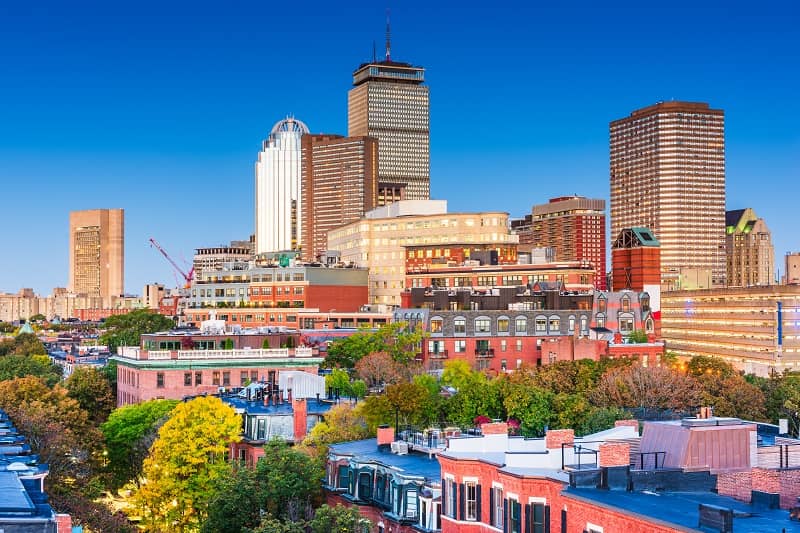
Beyond dining, the general cost of living impacts nearly every aspect of daily life. Groceries, utilities, and even a simple coffee or sandwich are typically priced higher to reflect the city’s economic environment. Transportation, while offering a relatively efficient public system via the MBTA (Massachusetts Bay Transportation Authority), can still add up, especially if relying on ride-sharing services or taxis. Parking in the city center is notoriously difficult and expensive, often pushing visitors and residents towards public transport or walking. The overall high cost of labor in Massachusetts also contributes to elevated prices for services ranging from haircuts to event tickets.
The Visitor’s Perspective: Tourism and Travel Costs
For tourists, the expense of visiting Boston goes beyond just flights and accommodation. The daily experience of exploring, dining, and navigating the city adds up, requiring careful planning to manage a travel budget effectively.
Premium Stays: Hotels and Unique Accommodations
As previously mentioned, hotel prices in Boston are a significant component of travel costs. The average daily rate for a hotel room is consistently among the highest in the nation. This is due to a confluence of factors: high property values, robust tourist demand, the influx of business travelers, and major conventions held at facilities like the Boston Convention and Exhibition Center. Luxury options, such as the Ritz-Carlton, Boston or the Mandarin Oriental, Boston, offer unparalleled experiences but come with a steep price.
Beyond traditional hotels, the demand for unique accommodations, including boutique hotels, historic inns, and serviced apartments for longer stays, also sees elevated pricing. Many travelers prefer to stay in character-filled neighborhoods like the North End or Beacon Hill to immerse themselves in the local culture, further driving up rates in these sought-after locations. Even outside the immediate city center, in areas like Brookline or Cambridge, accommodation prices remain relatively high due to their proximity to universities and cultural sites. Booking well in advance, especially during peak seasons (summer, fall foliage, major events), is critical for finding competitive rates. Travelers seeking to mitigate costs might consider staying slightly outside the city limits and commuting in, though even this strategy can yield diminishing returns given Massachusetts’s generally high cost of living.
Experiencing Boston: Attractions and Activities
While many of Boston’s most famous historical sites along the Freedom Trail can be enjoyed for free (e.g., walking past the Massachusetts State House, Old South Meeting House), entry fees for some key attractions can quickly add up. Museums like the Museum of Fine Arts, the Isabella Stewart Gardner Museum, the New England Aquarium, and the Museum of Science all charge admission. Performing arts, such as a concert by the Boston Symphony Orchestra, and sporting events at iconic venues like Fenway Park for a Red Sox game, command premium ticket prices, especially for popular matchups or shows.
Beyond structured attractions, even casual activities contribute to the overall expense. Boat tours of Boston Harbor, whale watching excursions, or day trips to popular New England destinations like Cape Cod, Martha’s Vineyard, or Nantucket can be costly. Transportation to and from Logan International Airport, whether via taxi, ride-share, or even public transport, adds to the travel budget. While there are plenty of free activities like wandering through Boston Common and the Public Garden, exploring the Charles River Esplanade, or window shopping in Copley Square amidst landmarks like Trinity Church and the John Hancock Tower (now 200 Clarendon Street), fully experiencing Boston’s diverse offerings will require a robust budget.

Strategies for an Affordable Boston Experience
Despite its reputation for being expensive, experiencing the best of Boston doesn’t have to completely break the bank. With strategic planning, travelers can enjoy the city’s rich history, vibrant culture, and innovative spirit without overspending.
Travel During Off-Peak Seasons: Visiting in late fall (November), winter (excluding holidays), or early spring (March-April before the Boston Marathon) often yields lower hotel rates and fewer crowds. While the weather might be colder, the city still offers plenty of indoor attractions and a unique charm.
Leverage Public Transportation: The MBTA “T” subway and bus system is an efficient way to get around. Purchasing a CharlieCard for multiple rides is more economical than individual tickets. Many of Boston’s key neighborhoods, including the North End, Back Bay, and Cambridge, are easily accessible by public transport, significantly reducing reliance on expensive taxis or ride-shares.
Embrace Free Attractions: Boston boasts a wealth of free or low-cost activities. Walking the entire Freedom Trail is free, as are strolling through Boston Common and the adjacent Public Garden. Exploring neighborhoods like Beacon Hill, the South End, or the Waterfront offers glimpses into local life and stunning architecture without an admission fee. Many museums offer free admission on specific days or evenings, so checking their schedules in advance can lead to significant savings. For example, the Institute of Contemporary Art often has free admission on Thursday evenings.
Budget-Friendly Dining: While Boston’s fine dining scene is exceptional, there are plenty of affordable eateries. Explore the North End for delicious and reasonably priced Italian food, or grab a classic Boston market sandwich at Faneuil Hall Marketplace. Food trucks and casual diners offer great value. Consider buying groceries for some meals, especially if your accommodation includes kitchen facilities.
Look for Accommodation Deals: Beyond hotels, consider guesthouses, hostels, or even reputable vacation rentals further from the immediate city center. While still potentially pricey, these options can sometimes offer more value, especially for longer stays or larger groups. Booking well in advance is paramount for securing better rates, regardless of the type of accommodation.
In conclusion, Boston’s status as an expensive destination is a reflection of its rich history, vibrant economy, prestigious educational institutions, and high demand for its limited real estate. However, by understanding these factors and employing smart travel strategies, visitors can still immerse themselves in the unique charm of this historic yet modern Massachusetts capital, creating unforgettable memories without necessarily breaking the bank. Boston remains a captivating city, offering a rewarding experience for those who plan their visit thoughtfully.
LifeOutOfTheBox is a participant in the Amazon Services LLC Associates Program, an affiliate advertising program designed to provide a means for sites to earn advertising fees by advertising and linking to Amazon.com. Amazon, the Amazon logo, AmazonSupply, and the AmazonSupply logo are trademarks of Amazon.com, Inc. or its affiliates. As an Amazon Associate we earn affiliate commissions from qualifying purchases.