
The moniker “Windy City” is synonymous with Chicago, instantly conjuring images of blustery avenues, towering skyscrapers, and the crisp air off Lake Michigan. It’s a nickname so deeply ingrained in the city’s identity that many visitors and locals alike simply assume it’s due to the city’s exceptional windiness. While it’s true that Chicago experiences its fair share of gusty weather, the origin of this famous epithet is far more complex and fascinating than mere meteorology. Delving into its history reveals a captivating tale of political rivalry, journalistic wit, and the enduring spirit of a burgeoning metropolis. This exploration takes us beyond simple weather patterns to uncover the true essence of why Chicago earned its enduring and iconic nickname.
The Meteorological Truth: Is Chicago Really That Windy?
Before we dive into the historical origins, it’s essential to address the common misconception head-on: is Chicago actually the windiest city in the United States? The answer, perhaps surprisingly, is no. While wind is undoubtedly a prominent feature of life in Chicago, meteorological data consistently shows that other American cities experience higher average wind speeds. For instance, cities like Boston, Oklahoma City, and even certain locations in Texas often record stronger and more frequent gusts.
The Lake Effect and Urban Landscape
So, if it’s not the absolute windiest, why does it feel so windy in Chicago? Several factors contribute to this perception. First and foremost is its geographical location on the shores of Lake Michigan. The vast, open expanse of the lake allows winds to gather speed unimpeded before sweeping across the city. This “lake effect” is particularly noticeable along the lakefront, where strong breezes are a regular occurrence, especially during spring and autumn.
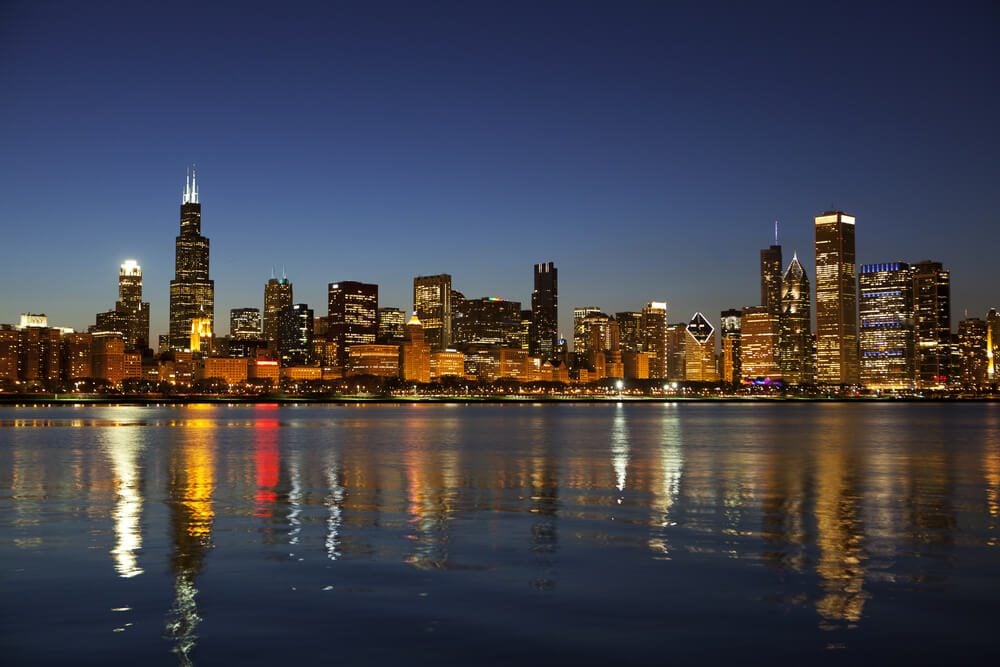
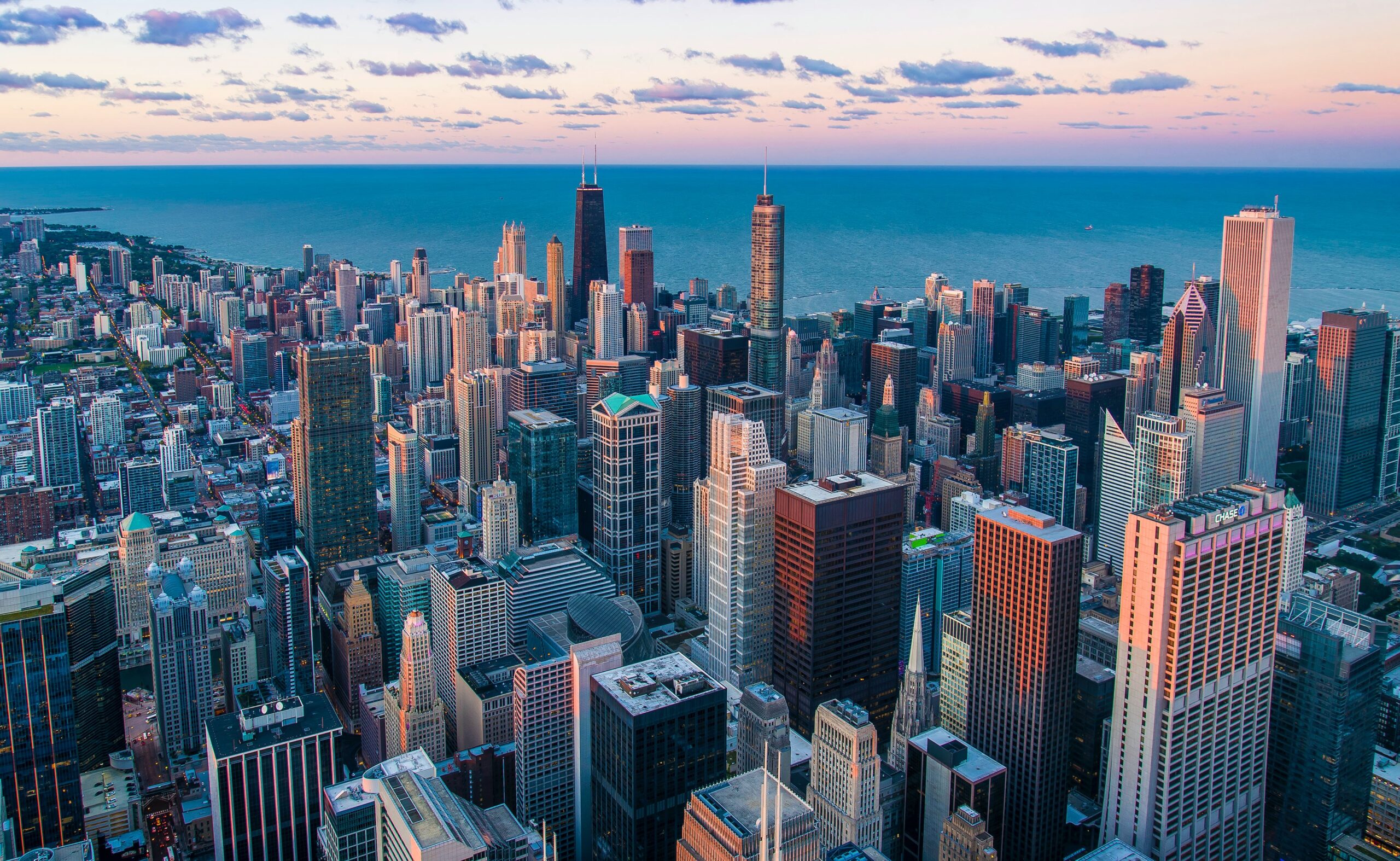
Secondly, Chicago’s iconic skyline, characterized by its dense concentration of skyscrapers and tall buildings, creates a unique urban wind tunnel effect. As wind encounters these massive structures, it is funneled between them, accelerating and creating powerful downdrafts and localized gusts at street level. This phenomenon can make walking along certain avenues, particularly those aligned with prevailing winds, feel exceptionally blustery, even on days when the overall wind speed is moderate. The architectural giants like the Willis Tower (formerly Sears Tower) and the John Hancock Center don’t just touch the sky; they also significantly influence the airflow at ground level, making the city’s concrete canyons literally windy.
The cold air masses sweeping down from the Midwest and the Great Lakes region also contribute to Chicago’s reputation. These systems often bring sharp, biting winds, especially during the harsh winter months, making the chill factor significant and leading to memorable, if sometimes uncomfortable, experiences for both residents and visitors. When planning your travel to Chicago, particularly outside of summer, it’s wise to pack layers and wind-resistant outerwear to truly enjoy the city’s attractions.
The Journalistic Origin: A Tale of Rivalry and Rhetoric
The true genesis of the “Windy City” nickname is not meteorological but rather rooted in the intense rivalry between two of America’s greatest cities in the late 19th century: Chicago and New York City. The term emerged during a period of rapid growth and fierce competition for national prominence, particularly around the bid to host the World’s Columbian Exposition of 1893.
The New York Sun and Charles Dana
The most widely accepted theory attributes the nickname to Charles Dana, the editor of the New York Sun. In an editorial published on October 25, 1890, Dana allegedly used the phrase “that windy city” in reference to Chicago’s boisterous and boastful politicians and citizens who were aggressively campaigning to secure the World’s Columbian Exposition.
The context was crucial. Chicago, having rebuilt itself with astonishing speed and ambition after the Great Fire of 1871, was brimming with confidence. Its leaders were loudly proclaiming their city’s superiority and fitness to host the international event, often at New York City’s expense. Dana’s “windy” wasn’t referring to the actual weather but rather to the “hot air” or bluster emanating from Chicago’s ambitious populace and politicians. It was a jab at their perceived grandstanding and verbose nature.
While the exact quote and date are sometimes debated among historians, the essence remains consistent: the nickname was an insult, a journalistic slight from a rival city, meant to deride Chicago’s seemingly inflated sense of self-importance and its long-winded civic leaders. Ironically, what was intended as a pejorative quickly became a badge of honor, embraced by Chicagoans who viewed it as a testament to their city’s energy, resilience, and unyielding ambition.
Political Ambition and the Exposition
The bid for the World’s Columbian Exposition was a monumental undertaking, with immense prestige and economic benefits at stake. Chicago’s aggressive lobbying efforts were seen as a direct challenge to the established dominance of New York City as America’s premier urban center. The city’s determination to rise from the ashes of the fire and assert itself on the global stage was palpable.
The “windy” label, therefore, encapsulated this vibrant, almost defiant, spirit. It wasn’t just about politicians talking a lot; it was about a city collectively manifesting its future through sheer force of will and a willingness to speak its ambitions into existence. This narrative of overcoming adversity and striving for greatness resonates deeply with Chicago’s identity, making the once-insulting nickname an apt descriptor of its historical trajectory and forward-looking lifestyle.
Beyond the Wind: A Symbol of Spirit and Innovation
While the literal wind and the journalistic slight are critical to understanding the nickname, “Windy City” has also come to represent something deeper about Chicago’s character. It embodies the city’s dynamic spirit, its architectural prowess, and its enduring resilience.
Architectural Marvels and the Breath of Progress
Chicago is renowned globally as a cradle of modern architecture. After the Great Fire, the city became a living laboratory for innovative building techniques and urban planning. Architects like Daniel Burnham, Louis Sullivan, Frank Lloyd Wright, and later Mies van der Rohe left an indelible mark, shaping a skyline that is both breathtaking and functional. These landmarks were designed with the city’s weather in mind, standing firm against the powerful gusts from Lake Michigan.
The term “windy” can thus be seen as a metaphorical nod to the constant currents of innovation and change that have swept through Chicago. The city’s willingness to experiment, to build taller and bolder, reflects a progressive spirit that is as relentless and powerful as any gust of wind. Exploring Chicago’s architectural tours is a quintessential tourism experience, offering insights into this confluence of design and environmental challenge.
The Unstoppable Spirit of Chicago
The “wind” can also symbolize the raw energy and hustle of Chicago. From its origins as a bustling transportation hub to its status as a global financial and cultural center, Chicago has always been a city in motion. This dynamism is reflected in its vibrant arts scene, world-class museums, thriving culinary landscape, and robust sports culture, including the beloved Chicago Cubs.
The resilience demonstrated after the Great Fire, and again during various economic downturns, speaks to a collective fortitude that is both unwavering and forward-looking. Chicagoans are known for their grit, their no-nonsense attitude, and their deep pride in their city. The “Windy City” nickname, therefore, encapsulates this energetic, resilient, and unapologetically ambitious character that defines the metropolis in the heart of Illinois. It suggests a city that is always moving, always growing, and always ready to face the next challenge head-on.
Experiencing the Windy City: A Guide for Travelers
For visitors planning a trip to Chicago, embracing the “Windy City” moniker means preparing for a dynamic experience that blends urban sophistication with natural beauty. Understanding the nuances of its weather and character will enhance your travel experience.
Top Attractions and Landmarks
Despite the breezes, Chicago offers an unparalleled array of destinations and attractions. A stroll through Millennium Park allows you to marvel at the iconic Cloud Gate (affectionately known as “The Bean”) and the unique interactive displays of Crown Fountain. Just a short walk away, the Art Institute of Chicago houses an extraordinary collection of masterpieces. For breathtaking panoramic views, an ascent to the observation decks of the Willis Tower (Skydeck Chicago) or the John Hancock Center (360 Chicago) is a must, offering a unique perspective of the cityscape and Lake Michigan, where you can truly appreciate the vastness from which the winds originate.
Along the lakefront, Navy Pier provides entertainment for all ages, while the Museum Campus – home to the Field Museum, Shedd Aquarium, and Adler Planetarium – offers a cultural feast. Don’t forget to visit the majestic Buckingham Fountain in Grant Park, another iconic landmark. For a dose of nature and wildlife, the free Lincoln Park Zoo is an excellent choice.
Accommodation and Lifestyle in the City
Chicago boasts a world-class selection of hotels, resorts, and apartments to suit every budget and lifestyle. From luxury travel experiences at establishments like The Langham Chicago or The Peninsula Chicago with their exquisite suites and amenities, to more budget-friendly options, the city’s diverse neighborhoods offer unique stays. Areas like the Loop or River North place you in the heart of the action, close to business centers and entertainment. The Magnificent Mile, a stretch of Michigan Avenue, is famous for its shopping and upscale hotels like the Hyatt Regency Chicago. For those interested in local culture and a vibrant food scene, the West Loop offers trendy restaurants and boutique hotels, while Wrigleyville is perfect for sports enthusiasts.
When booking your stay, consider hotels offering enclosed amenities like indoor pools or sky lounges, which can be delightful havens during cooler, windier days. Accommodation reviews and comparisons are readily available to help you find the perfect fit, whether you’re planning family trips, a romantic getaway, or business stays.

Local Culture and Food
No visit to Chicago is complete without indulging in its legendary food scene. Embrace the local culture by trying a classic Deep Dish Pizza from a renowned pizzeria or savoring a Chicago-style Hot Dog, famously “dragged through the garden” with a specific array of toppings. From upscale dining to casual eateries, Chicago’s culinary landscape is as diverse as its population. Many eateries offer cozy interiors, perfect for escaping the elements and enjoying authentic Chicago flavors.
The city also hosts numerous festivals and events throughout the year, many of which take place outdoors. Check local guides and tourism websites for current happenings during your visit. Despite the wind, these experiences are vibrant and contribute significantly to the city’s unique charm.
In conclusion, the title “Windy City” is far more than a simple weather report. It’s a complex tapestry woven from meteorological realities, fierce historical rivalries, and the unwavering spirit of innovation and ambition that defines Chicago. It’s a city that has always dared to dream big, build tall, and speak its mind, echoing the very “wind” that once defined it as boastful. Today, the nickname serves as a proud emblem of a metropolis that stands tall, resilient, and ever-dynamic in the heart of North America. So, as you plan your visit, embrace the wind—it’s an integral part of Chicago’s unforgettable story.
LifeOutOfTheBox is a participant in the Amazon Services LLC Associates Program, an affiliate advertising program designed to provide a means for sites to earn advertising fees by advertising and linking to Amazon.com. Amazon, the Amazon logo, AmazonSupply, and the AmazonSupply logo are trademarks of Amazon.com, Inc. or its affiliates. As an Amazon Associate we earn affiliate commissions from qualifying purchases.