
Chicago, the vibrant heart of the Midwest, is renowned globally for its stunning architecture, world-class museums, deep-dish pizza, and an incomparable cultural scene. Millions of travelers flock to this magnificent city each year, eager to explore iconic landmarks like Millennium Park, the Art Institute of Chicago, and the bustling Magnificent Mile. Yet, beneath the veneer of its urban splendor, Chicago frequently grapples with a persistent and complex challenge: a reputation for high crime rates, particularly concerning gun violence. This issue often overshadows its immense appeal, prompting questions from both prospective visitors and residents: “Why is Chicago crime so high?” The answer is far from simple, interwoven with historical legacies, socioeconomic disparities, policy debates, and the ever-present shadow of illegal firearms.

Understanding the root causes of Chicago’s crime landscape requires a multifaceted approach, delving into its unique history, social fabric, and the specific dynamics that fuel violence. It’s a narrative shaped by decades of complex interactions, making it a critical subject for anyone interested in the city’s tourism appeal, lifestyle dynamics, and future trajectory.
Unraveling the Complex Tapestry of Chicago’s Crime Landscape
The perception of Chicago as a city plagued by rampant crime is often fueled by sensational headlines, but the reality is far more nuanced. While certain neighborhoods experience disproportionately high levels of violence, many areas, particularly those frequented by tourists, remain remarkably safe. However, to truly understand the “why,” we must look beyond superficial statistics and delve into the foundational issues.
A Legacy of Disadvantage: Socioeconomic Roots
One cannot discuss crime in Chicago without acknowledging its deep historical and socioeconomic roots. The city’s geography and demographic makeup were profoundly shaped by the Great Migration of African Americans from the Southern United States in the early 20th century, followed by decades of discriminatory housing policies like redlining. These practices intentionally concentrated poverty and marginalized communities into specific areas, primarily the South Side and West Side.
Today, these same neighborhoods often lack adequate investment in education, employment opportunities, and essential social services. Generations have grown up in environments characterized by persistent poverty, underfunded schools, and limited pathways to economic mobility. This creates a fertile ground for despair and disengagement, where illicit activities can sometimes appear as the only viable option for survival or advancement. High unemployment rates, especially among young men, coupled with a lack of access to mental health services and addiction treatment, exacerbate these challenges. The stark contrast between the affluent Loop and River North areas, teeming with luxury hotels and vibrant nightlife, and the struggling communities just a few miles away, highlights the profound economic segregation that fuels much of the city’s social unrest and crime. This duality is a critical aspect for travelers and residents alike to comprehend, as it profoundly impacts the lived experience of different populations within the city.
The Pervasive Threat of Gun Violence
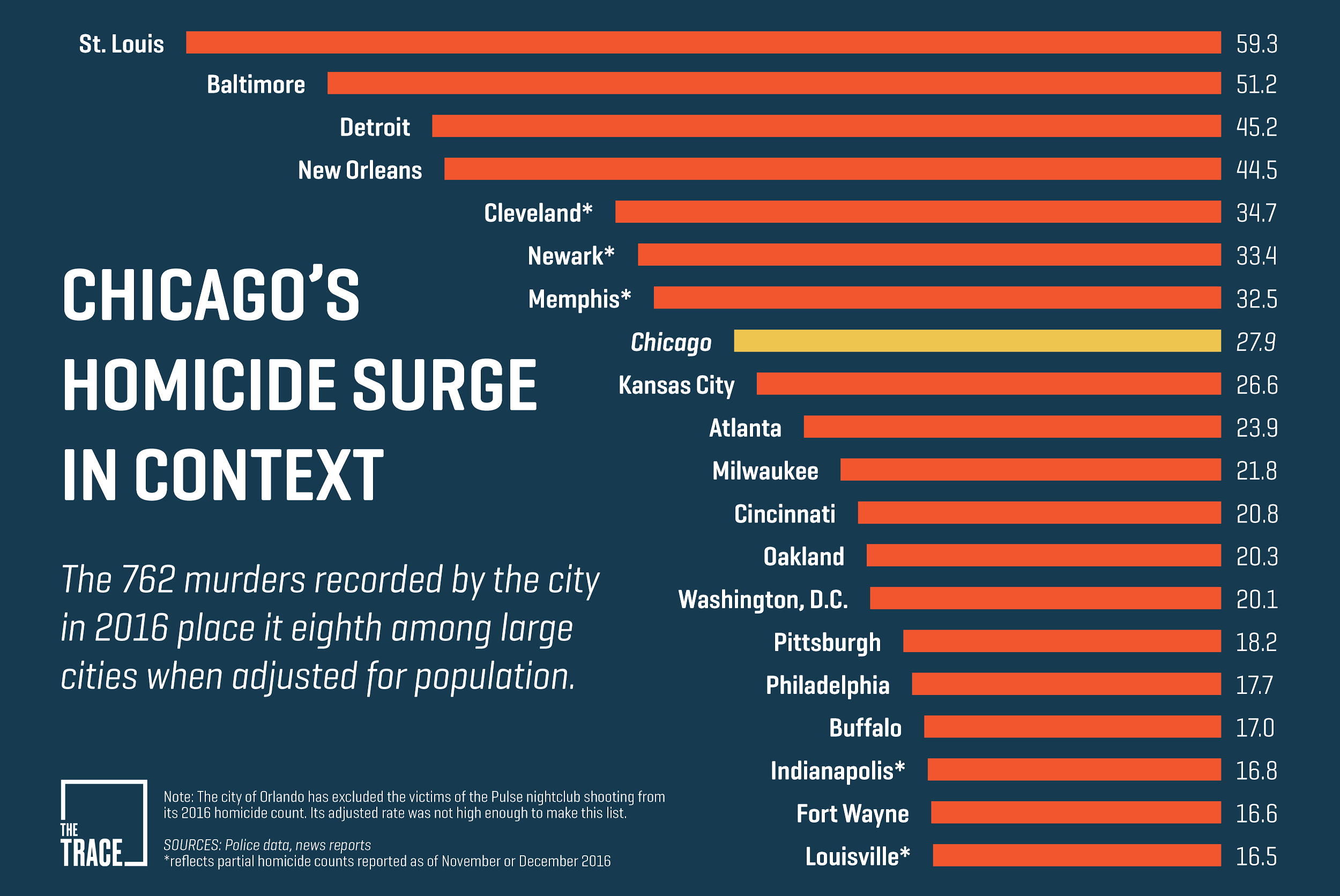
Perhaps the most defining characteristic of Chicago’s crime problem is the sheer volume of gun violence. The city frequently leads the United States in total homicides, although its per capita murder rate is often lower than smaller cities like St. Louis, Baltimore, or New Orleans. The widespread availability of illegal firearms is a critical driver of this violence. Illinois has some of the strictest gun laws in the nation, but these laws are often undermined by the ease with which guns can be trafficked from neighboring states with looser regulations, such as Indiana and Wisconsin. This “iron pipeline” funnels a steady stream of illegal weapons into Chicago’s streets.
Gang activity, while not solely responsible, plays a significant role in perpetuating gun violence. The city’s gang landscape is highly fragmented, with numerous smaller factions often engaged in localized conflicts over territory or personal disputes that quickly escalate due to the presence of firearms. These conflicts frequently spill over into innocent bystanders, contributing to the overall sense of insecurity. The data collected by institutions like the University of Chicago Crime Lab consistently points to a relatively small number of individuals who are repeatedly involved in gun violence, both as perpetrators and victims. This concentration suggests that targeted interventions and community-based violence reduction strategies are crucial in addressing this specific challenge. For those considering Chicago as a destination, understanding that this violence is largely concentrated in specific, historically underserved areas, rather than a generalized city-wide threat, is important.
Navigating the Dynamics of Policing and Community Relations
The relationship between the Chicago Police Department (CPD) and the communities it serves is another complex factor contributing to the city’s crime dynamics. A history of distrust, particularly in Black and Brown neighborhoods, stemming from instances of police misconduct and racial profiling, has created a significant barrier to effective crime prevention. When residents are reluctant to cooperate with law enforcement, it hampers investigations and perpetuates a cycle of violence.
The implementation of consent decrees and reform efforts aimed at improving police accountability and community engagement has been slow and challenging. A common complaint from both residents and police officers is the feeling of being caught in the middle of political debates and conflicting priorities. The challenges faced by the CPD are immense, including understaffing, high turnover, and the psychological toll of responding to constant violence. Moreover, the criminal justice system itself is often criticized for its inefficiencies, from slow court processes to insufficient rehabilitation programs, which fail to break the cycle of re-offending. Building trust and fostering collaboration between law enforcement and communities is paramount for long-term crime reduction, influencing not just safety but also the overall fabric of urban lifestyle.
Beyond the Headlines: The Lived Experience and Perception

While statistics and policy debates define the macro view of crime, its impact reverberates deeply through the daily lives of Chicagoans and shapes the city’s image on a global scale. The ongoing struggle with crime, particularly gun violence, creates a tangible sense of unease that influences everything from investment decisions to travel planning.
Impact on Tourism and the City’s Global Image
Chicago’s high crime rates, particularly the widely reported homicide figures, undeniably affect its global perception as a tourism destination. Despite the reality that most violent crime occurs in specific, non-touristy neighborhoods, the headlines often paint a broad stroke, creating a general impression of an unsafe city. Potential travelers may hesitate to book accommodation or explore attractions due to safety concerns, even if those concerns are largely misplaced for the areas they intend to visit. This negative perception can translate into lost revenue for the city’s vital tourism industry, impacting hotels, restaurants, shops, and cultural institutions.
However, Chicago’s resilience and undeniable charm often overcome these concerns. Visitors who do come consistently praise the city’s beauty, hospitality, and vibrant atmosphere. Iconic sites like Navy Pier, the Willis Tower, Cloud Gate (The Bean) in Millennium Park, and the Museum Campus (home to the Shedd Aquarium, Field Museum, and Adler Planetarium) continue to draw millions. The challenge lies in effectively communicating the localized nature of crime and assuring visitors of the robust safety measures in place within major tourist districts. Promoting safe travel experiences and highlighting the distinction between the city’s vibrant downtown and the troubled pockets is an ongoing priority for Chicago’s tourism boards.
Safety Concerns for Residents and Visitors
For Chicagoans, particularly those living in affected neighborhoods, the impact of high crime is a daily reality. It shapes their lifestyle, influencing where they send their children to school, where they socialize, and their overall sense of security. The trauma of violence, whether experienced directly or through community exposure, has long-lasting psychological effects. Even in safer areas, residents may experience a heightened sense of vigilance or concern for loved ones in other parts of the city.
For visitors, while the immediate risk in tourist areas is generally low, common-sense travel safety tips are always advisable, as they would be in any major urban destination. These include being aware of one’s surroundings, avoiding dimly lit or deserted areas at night, and safeguarding personal belongings. Chicago is a city of immense contrasts, and understanding these distinctions is key to a positive and safe visit. The perception of safety, whether accurate or not, heavily influences decisions on accommodation choices, preferred destinations, and overall travel itineraries.
Charting a Path Forward: Initiatives and Resilience
Despite the significant challenges, Chicago is not a city without hope or effort. Numerous individuals, organizations, and governmental bodies are actively working to address the root causes of crime and build a safer, more equitable future. These initiatives underscore the resilience of the community and the unwavering commitment to improving the lifestyle for all Chicagoans.
Community-Led Solutions and Grassroots Efforts
Perhaps the most impactful work in reducing violence occurs at the grassroots level, within the very communities most affected. Organizations like READI Chicago and Cure Violence implement evidence-based programs that engage individuals at high risk of gun violence, offering cognitive behavioral therapy, job training, and mentorship. These programs recognize that violence is often a symptom of deeper trauma and lack of opportunity, and they aim to provide alternative pathways.
Local community development corporations, such as those supported by LISC Chicago, work to revitalize disinvested neighborhoods by fostering economic growth, improving housing, and creating safe public spaces. These efforts contribute to a stronger social fabric, which is a powerful deterrent to crime. Initiatives like the Flames of Hope Memorial, honoring victims of violence, also play a crucial role in healing and mobilizing communities for change. Such efforts are fundamental to improving the local culture and creating an environment where tourism can flourish not just in downtown but across all districts.
Policy Reforms and Investment in Prevention
Beyond community efforts, there’s a continuous push for policy reforms at both the city and state levels. This includes advocating for stricter gun control legislation, not just within Illinois but nationally, to curb the flow of illegal weapons across state lines. Investment in mental health services, affordable housing, and educational programs are also critical components of a comprehensive crime prevention strategy. Institutions like Northwestern University and the Illinois Institute of Technology often partner with the city to conduct research, analyze data, and develop innovative solutions to urban challenges, including crime.
The city also continues to refine its policing strategies, aiming for a balance between proactive enforcement and community-oriented approaches. This includes investing in technology, improving training for officers, and fostering greater transparency and accountability. Acknowledging that there’s no single solution, a multi-pronged approach that combines enforcement, prevention, and community engagement is essential for sustainable progress. The long-term goal is not just to reduce crime rates but to fundamentally transform the socioeconomic conditions that give rise to violence, ensuring that Chicago remains a vibrant, welcoming, and safe place for all – residents and travelers alike – to experience its rich culture, discover its iconic landmarks, and enjoy a thriving urban lifestyle.
In conclusion, the question “Why is Chicago crime so high?” leads to a deep dive into complex historical, economic, and social factors. While the challenges are real and undeniable, they exist alongside a robust spirit of resilience, innovation, and unwavering commitment from its people. Chicago continues to be a world-class city, deserving of its reputation as a premier destination for travel, tourism, and an exceptional urban lifestyle, even as it bravely confronts its most significant societal issues.
LifeOutOfTheBox is a participant in the Amazon Services LLC Associates Program, an affiliate advertising program designed to provide a means for sites to earn advertising fees by advertising and linking to Amazon.com. Amazon, the Amazon logo, AmazonSupply, and the AmazonSupply logo are trademarks of Amazon.com, Inc. or its affiliates. As an Amazon Associate we earn affiliate commissions from qualifying purchases.