
The life story of Texas‘s esteemed Governor Greg Abbott is one defined not only by remarkable political achievement but also by profound personal resilience. A familiar sight leading the Lone Star State, Governor Abbott has navigated his illustrious career from a wheelchair since a life-altering accident in 1984. This incident, while undeniably tragic, has paradoxically shaped his perspective, fueled his advocacy for individuals with disabilities, and cemented his legacy as a leader deeply empathetic to the challenges faced by many. For those curious about the man behind the office, or for travelers contemplating accessible journeys through Texas, understanding Governor Abbott’s journey offers a compelling narrative of perseverance and purpose. His story resonates deeply within the spheres of lifestyle and travel, emphasizing the critical importance of inclusivity and accessibility in every facet of public life and leisure.

The Incident That Changed Everything
The path to leadership for Governor Abbott took an unforeseen turn, rooted in a moment of extreme misfortune. This pivotal event not only reshaped his personal life but also inadvertently molded his public persona and policy priorities, particularly concerning the accessibility landscape that impacts tourism, accommodation, and daily life in Texas.
A Fateful Day in Houston
The turning point in Greg Abbott’s life occurred on July 14, 1984, a seemingly ordinary Saturday that would irrevocably alter his trajectory. At the time, a promising 26-year-old law student, recently graduated from Vanderbilt University Law School and working as a rising attorney, Abbott was out jogging in a neighborhood in Houston, Texas. As he paused under a large oak tree during his run, tragedy struck. The tree, weakened by a severe storm that had passed through the area earlier, collapsed without warning, crushing him beneath its immense weight.
The impact was catastrophic, leaving him with severe injuries. The sudden, unforeseen nature of the accident underscores the fragility of life and how quickly circumstances can change. This moment in Houston became the crucible from which a different future would emerge, one where his personal battle would inform his public service. For a young professional on the cusp of a brilliant legal career, the physical trauma was immense, but the psychological challenge of confronting a drastically altered future was equally profound. The immediate emergency response was crucial, with first responders working diligently to free him from the debris and transport him to a local medical facility, marking the beginning of a long and arduous recovery.
The Road to Recovery and Resilience
The immediate aftermath of the accident was critical. Rushed to a local hospital, Abbott underwent emergency surgery. The diagnosis was devastating: multiple fractured vertebrae and other serious injuries, resulting in him being permanently paralyzed from the waist down. The world he knew, one of unhindered mobility, vanished in an instant. The journey that followed was arduous, marked by intense pain, prolonged hospitalization, and extensive rehabilitation. Learning to live with paraplegia required immense physical and mental fortitude, often described as an entirely new lifestyle adjustment. It meant re-learning basic life functions, adapting to a wheelchair, and confronting a future that looked vastly different from what he had envisioned for his legal and political ambitions.
His then-fiancée, now wife, Cecilia P. Abbott, stood by him throughout this challenging period, providing unwavering support that became a cornerstone of his recovery. This period of recovery, while physically grueling, also forged an unbreakable spirit and a profound understanding of adversity. It’s a testament to human resilience that he not only survived but resolved to thrive, continuing his professional pursuits despite his new physical limitations. This personal struggle instilled in him a unique perspective on the challenges faced by individuals with disabilities, a perspective that would later shape his advocacy for accessibility across Texas, influencing everything from urban planning to the hospitality industry, and ultimately making the state more welcoming for all.
A Life of Public Service and Advocacy from a Wheelchair
Governor Abbott’s commitment to public service deepened significantly after his accident. His personal experience became an unexpected asset, providing him with an intimate understanding of accessibility challenges that many able-bodied policymakers might overlook. This unique vantage point has fundamentally shaped his approach to governance, making him a powerful voice for inclusivity.
From Texas Supreme Court Justice to Governor
The accident, far from derailing his ambitions, seemed to intensify Abbott’s resolve to serve the public. After completing his recovery and passing the bar exam, he embarked on a distinguished legal career. His path to the governor’s mansion was marked by a series of significant appointments and electoral victories. He first served as a state district judge in Houston before being appointed to the Texas Supreme Court in 1995 by then-Governor George W. Bush. He served with distinction on the state’s highest court, demonstrating a keen legal mind and commitment to justice, always with an underlying awareness of the practical implications of laws on all citizens, including those with disabilities.
In 2002, he was elected Texas Attorney General, a position he held for an unprecedented three terms, becoming the longest-serving Attorney General in Texas history. His tenure was characterized by a robust defense of state sovereignty and conservative principles, yet his personal journey often highlighted the practical aspects of implementing state laws in a way that truly serves every Texan. Building on this strong foundation, Greg Abbott successfully ran for Governor of Texas in 2014, making history as the first governor in the state’s history to use a wheelchair. His journey from a law student facing a life-altering injury to the highest office in the Lone Star State is a powerful narrative of ambition realized through sheer determination, a true testament to overcoming adversity in a highly visible public life.
Championing Accessibility and Inclusivity
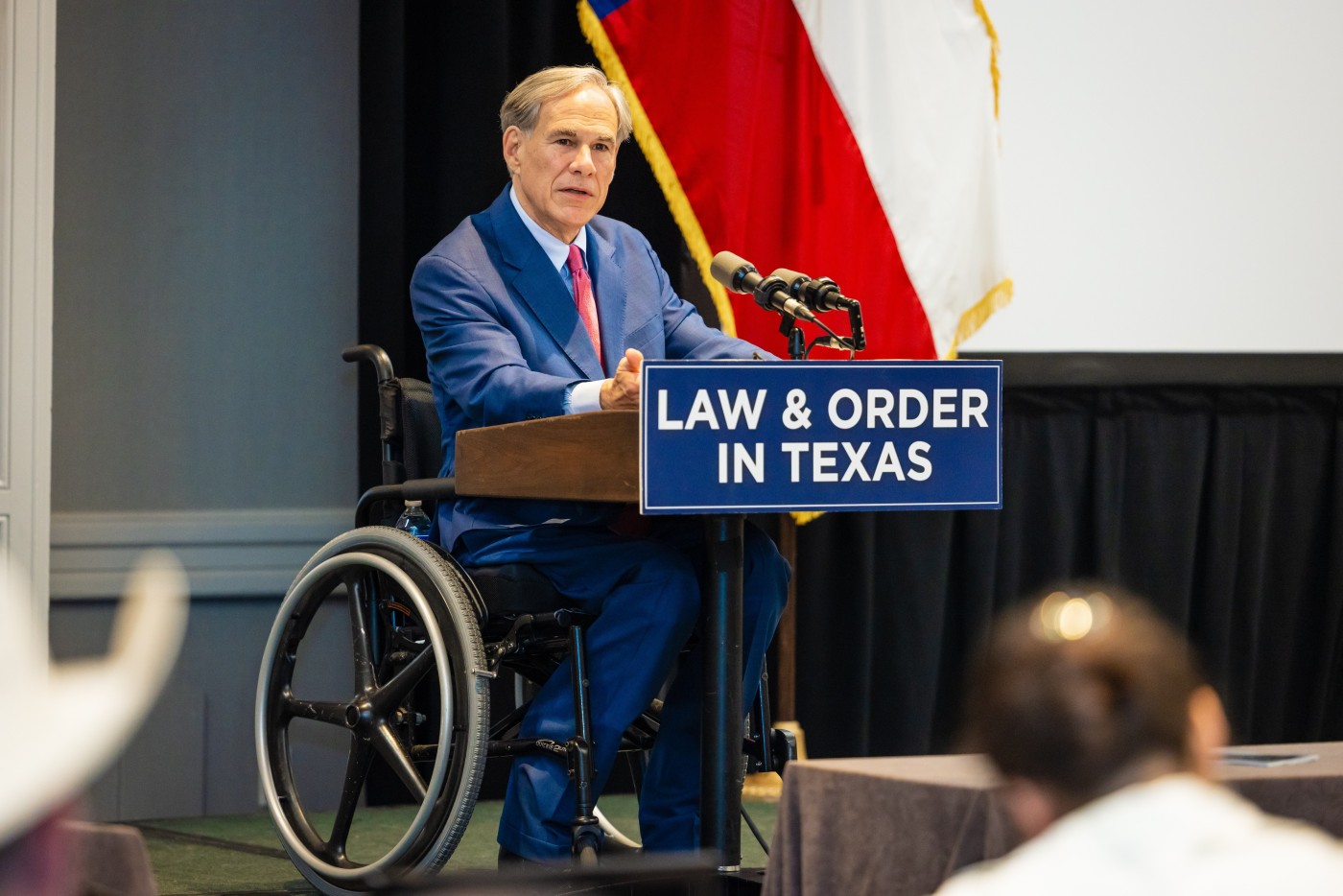
Governor Abbott’s personal experience has profoundly informed his approach to public policy, particularly concerning individuals with disabilities. He has consistently been a vocal advocate for enhancing accessibility, promoting inclusivity, and ensuring that all Texans have the opportunity to participate fully in society. His administration has championed initiatives aimed at improving infrastructure, public services, and educational opportunities for people with disabilities. This extends beyond mere compliance with the Americans with Disabilities Act (ADA) to actively seeking ways to integrate accessibility into the very fabric of daily life in Texas.
For travelers, this focus on accessibility is paramount. It influences everything from the design of public transportation hubs and city sidewalks to the availability of accessible accommodations in hotels, resorts, and even lesser-known boutique lodgings. His leadership serves as a constant reminder that accessibility is not a luxury but a fundamental right, making Texas an increasingly welcoming destination for all visitors, regardless of their mobility needs. This advocacy translates into tangible improvements for the tourism sector, as businesses understand the importance of making their premises and services accessible. This commitment also influences funding for accessible parks and recreation areas, ensuring that the natural beauty and landmarks of Texas are within reach for everyone, fostering a broader, inclusive lifestyle for both residents and visitors.
Governor Abbott’s Impact on Accessible Travel and Public Spaces
The visible presence of Governor Abbott in the highest office in Texas has brought a powerful, human dimension to the conversation around accessibility. His leadership has spurred significant advancements in making the Lone Star State a more welcoming and navigable place for everyone, particularly impacting travel, tourism, and accommodation sectors.
Navigating Texas: Accessibility in Cities and Destinations
The practical implications of having a governor who personally understands the challenges of navigating the world in a wheelchair are significant for tourism and travel within Texas. Major Texas cities such as Austin, San Antonio, and Dallas have made considerable strides in improving accessibility for residents and tourists alike, a movement undoubtedly encouraged by the state’s leadership.
Austin, the vibrant capital city, is known for its live music scene, burgeoning food culture, and outdoor attractions. Efforts there include ensuring accessible routes to popular venues on Sixth Street and improving pathways in iconic parks like Zilker Park. When planning a trip to Austin, travelers with mobility needs can find numerous hotels offering ADA-compliant rooms, equipped with essential features like roll-in showers, grab bars, lowered sinks, and widened doorways. Many local businesses, from charming cafes to luxury restaurants, are also making conscious efforts to be inclusive, a trend actively championed by state-level discussions on accessibility and inclusive tourism. The city’s commitment ensures that its dynamic lifestyle and attractions are enjoyed by all.
In San Antonio, home to the historic Alamo and the picturesque Riverwalk, accessibility has become a key focus for its tourism industry. The Riverwalk now features numerous accessible ramps and elevators, allowing wheelchair users to enjoy its unique charm, river cruises, and riverside dining experiences. The Alamo itself provides accessible entrances and pathways, ensuring that this iconic landmark can be experienced by everyone who visits. San Antonio’s commitment to inclusive tourism is evident in its diverse range of accommodation options, from luxury resorts to budget-friendly hotels, all striving to meet accessible standards for a comfortable and convenient stay.
Dallas, a bustling metropolis, has invested heavily in accessible public transportation, including its extensive light rail system, DART, which is fully wheelchair accessible. Its numerous museums, such as the world-class institutions within the Dallas Arts District and the poignant Sixth Floor Museum at Dealey Plaza, are designed with accessibility in mind, providing ramps, elevators, and accessible restrooms. The city’s modern hotels and convention centers are typically built to high accessibility standards, making Dallas a prime destination for business and leisure travelers with disabilities seeking comfortable accommodation and easy navigation.
Beyond the major cities, state parks and natural attractions across Texas are also working to enhance accessibility, offering accessible trails, fishing piers, and camping facilities. For example, some areas within Big Bend National Park and Guadalupe Mountains National Park have designated accessible pathways and viewing points, allowing visitors to experience Texas’s stunning natural landmarks. This commitment fosters a broader “lifestyle” of inclusive travel, empowering individuals with disabilities to explore the diverse landscapes and cultural riches of the state without undue barriers.
The Future of Inclusive Tourism in the Lone Star State
The presence of Governor Abbott in such a prominent role undeniably elevates the conversation around accessibility in Texas. His lived experience provides a powerful impetus for state agencies, private businesses, and local communities to consider and implement more robust accessibility solutions. This focus benefits not only individuals with permanent disabilities but also those with temporary mobility challenges, seniors, and families with strollers, enhancing the travel experience for a wider demographic. The economic impact of accessible tourism is also a significant factor; as reported by publications like Travel + Leisure and Forbes, accessible travelers often travel with companions and have a strong desire to explore, representing a valuable market segment for hotels, attractions, and local businesses.
Future developments in Texas tourism are likely to continue prioritizing accessibility. This includes ongoing upgrades to existing infrastructure, encouragement for new hotels and attractions to exceed minimum ADA requirements, and the promotion of accessible travel guides and resources through tourism boards. There’s a growing emphasis on “universal design” – creating spaces and services that are inherently usable by all people, to the greatest extent possible, without the need for adaptation or specialized design. This holistic approach ensures that from booking accommodation to enjoying local food and activities, the entire visitor experience is seamless. The ultimate goal is to position Texas as a leader in inclusive tourism, where every visitor feels welcomed and empowered to explore its unique destinations, from the vibrant urban centers to the serene natural landmarks. This commitment to an inclusive lifestyle within travel ensures that the beauty and culture of the Lone Star State are truly accessible to all.
Beyond the Wheelchair: A Symbol of Determination and Inspiration
Governor Abbott’s journey extends far beyond the confines of his political office; it is a narrative deeply woven into the fabric of personal triumph and public inspiration. His story, often highlighted by media outlets like The New York Times, offers a powerful message about resilience and the boundless capacity of the human spirit.
A Personal Journey, A Public Figure
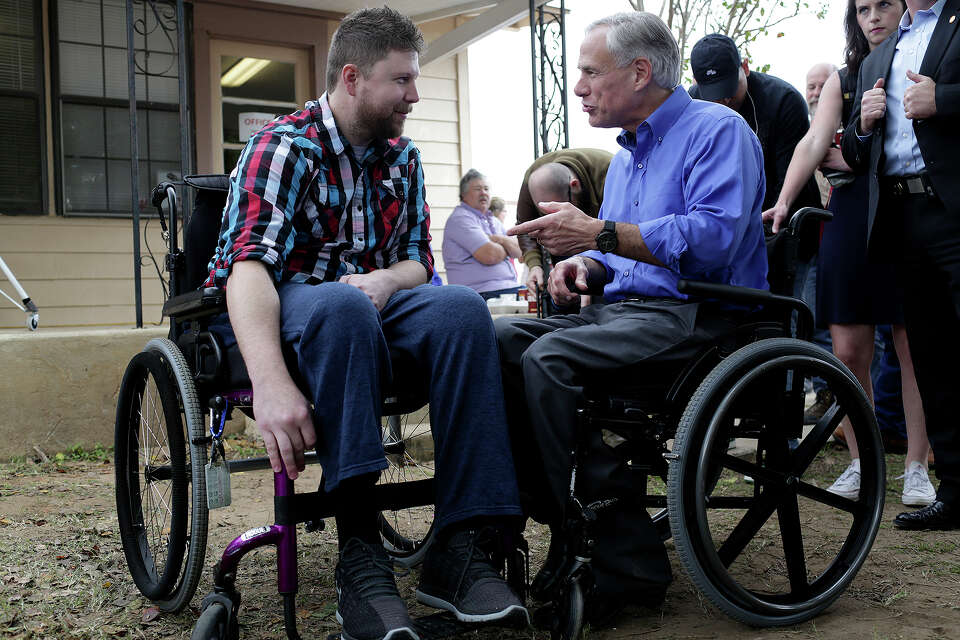
Governor Abbott’s story transcends politics; it is a profound testament to personal resolve and the human spirit’s capacity to overcome immense challenges. His public life, lived from a wheelchair, normalizes disability in a powerful way, showcasing that physical limitations do not define one’s potential or ability to lead and achieve. He openly discusses his accident, often sharing how it shaped his empathy and determination, transforming a moment of profound vulnerability into a source of immense strength. This transparency allows people to see beyond his physical condition to the dedicated public servant and the inspiring individual he is. His journey reminds us that leaders can emerge from all walks of life, bringing unique perspectives that enrich public discourse and policy-making. For anyone facing personal adversity, whether it’s a health challenge, a career setback, or a personal struggle, his story offers a powerful message of hope and the importance of resilience, illustrating how a significant life event can be repurposed into a driving force for positive change.
Inspiring Travelers and Residents Alike
Beyond his policy initiatives, Governor Abbott’s presence as a visible leader with a disability serves as a significant source of inspiration. For individuals with disabilities, his career demonstrates that aspirations, whether in public service, business, or simply exploring the world, are entirely attainable. His life story challenges preconceived notions about what is possible, encouraging a “can-do” attitude that is fundamental to the lifestyle of adventurous travelers. For families planning trips, his advocacy helps ensure that destinations like Texas are increasingly welcoming, providing peace of mind that essential accessible services and accommodations will be available.
His story aligns perfectly with the “lifestyle” aspect of travel — not just about where you go, but how you experience it. It underscores the idea that travel should be an inclusive experience for everyone, regardless of physical ability. Whether it’s the thrill of discovering new landmarks, the comfort of a well-appointed accessible hotel suite, or the joy of experiencing local culture and food, the message is clear: the world is for everyone to explore. Governor Abbott’s life is a living embodiment of determination, urging both residents and visitors to embrace challenges, advocate for inclusivity, and live life to its fullest, regardless of the obstacles encountered on their journey. His example continues to pave the way for a more accessible and inclusive Texas and, by extension, a more accessible world for all travelers, ensuring that the promise of discovery and adventure is truly universal.
LifeOutOfTheBox is a participant in the Amazon Services LLC Associates Program, an affiliate advertising program designed to provide a means for sites to earn advertising fees by advertising and linking to Amazon.com. Amazon, the Amazon logo, AmazonSupply, and the AmazonSupply logo are trademarks of Amazon.com, Inc. or its affiliates. As an Amazon Associate we earn affiliate commissions from qualifying purchases.