
The name Hell’s Kitchen conjures images of grit, danger, and a storied past, a striking moniker for a vibrant neighborhood nestled in the heart of New York City. For visitors exploring the marvels of Manhattan, understanding the origins of such a provocative name adds an intriguing layer to their travel experience. Today, this West Side district is renowned for its diverse culinary scene, proximity to Broadway, and a dynamic cultural pulse. Yet, beneath its modern facade, lies a history steeped in poverty, crime, and the arduous lives of its early inhabitants.
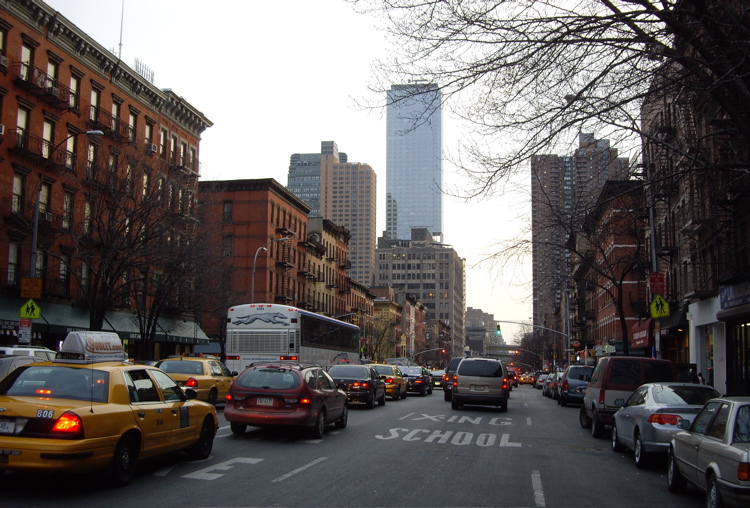
The transformation of Hell’s Kitchen from a notoriously tough working-class area into a sought-after urban destination is a testament to New York City’s perpetual evolution. Travelers arriving at the nearby Port Authority Bus Terminal or exploring the bright lights of Times Square are often just steps away from its bustling streets, unaware of the dramatic narratives that shaped its identity. Our journey into the past will unravel the compelling theories behind its infamous name, tracing its journey from a rough-and-tumble immigrant stronghold to a contemporary hub that offers a unique blend of history, hospitality, and unforgettable experiences.
Unraveling the Enigmatic Origin of “Hell’s Kitchen”
The precise origin of the name Hell’s Kitchen is shrouded in urban legend and conflicting accounts, making it one of New York City’s most enduring historical mysteries. While no single, definitive source has been universally accepted, several compelling theories paint a vivid picture of the neighborhood’s challenging beginnings in the mid-19th century. These stories, passed down through generations, speak to a time when this section of the West Side was anything but heavenly.
The Legendary Police Officer and the Tenement Slums
Perhaps the most widely cited theory attributes the name to a seasoned police officer or detective. The tale, believed to have originated around the late 1800s, recounts an officer observing a particularly violent incident or a grim discovery within a tenement building. Turning to his rookie partner, he allegedly declared, “This whole neighborhood is Hell’s Kitchen!” Another version of this story specifies that the officer was referring to a specific block or building, perhaps on Tenth Avenue, describing its appalling conditions and the depravity witnessed there. The rookie supposedly replied that the area they had just dealt with was far worse, prompting the veteran to quip, “That’s Hell’s Kitchen. This is worse!” This vivid anecdote certainly captures the imagination and underscores the notoriously harsh environment of the time.
This era was characterized by severe overcrowding, rampant poverty, and squalid living conditions, particularly for the waves of immigrants flooding into the United States. Tenement buildings, packed with multiple families, often lacked basic sanitation, and crime was a pervasive issue. A police officer patrolling these streets would undoubtedly encounter scenes that could easily be described as “hellish,” a stark contrast to the emerging grandeur of other parts of Manhattan. The name, therefore, served as a grim shorthand for the area’s reputation, resonating with locals and outsiders alike.
Competing Theories and Alternative Tales
While the police officer story remains popular, other theories also vie for historical accuracy. One such account suggests the name was initially applied to a specific building or gang. It’s theorized that a gang operating in the area during the late 19th century adopted the moniker, either for their territory or as their own identity, to reflect their tough reputation. Another theory points to a specific tenement block on Ninth Avenue between 39th and 40th Streets that was known for its extremely poor and dangerous inhabitants. This particular block, due to its squalor and the constant clashes that occurred there, was branded “Hell’s Kitchen” by locals and then the press.
A less common, but equally intriguing, hypothesis claims the name originated from a former dive bar or restaurant in the area. The establishment, perhaps renowned for its fiery food or its rowdy patrons, might have inadvertently lent its informal nickname to the surrounding district. Regardless of the exact sequence of events, what’s clear is that the name stuck because it accurately encapsulated the prevailing atmosphere. It was a place where life was hard, opportunities were scarce, and survival often depended on strength and resilience. These competing narratives, rather than detracting from the legend, only serve to deepen the allure and mystery surrounding Hell’s Kitchen’s captivating past.
A Name Etched in History
Regardless of which specific theory holds the most truth, the name Hell’s Kitchen quickly became synonymous with the district stretching roughly from 34th to 59th Streets, between Eighth Avenue and the Hudson River. Newspapers and popular culture cemented its status, often using the term to describe the working-class struggles, the poverty, and the crime that plagued its streets. For decades, it was not merely a geographical label but a descriptor of a harsh way of life, a place where people battled daily to eke out an existence. The name became a badge of identity for its residents, both feared and respected, reflecting a community forged in adversity. This powerful moniker, far from fading into obscurity, has instead become an iconic part of New York City’s rich tapestry, a constant reminder of its complex and compelling history.
From Gritty Past to Cultural Epicenter: Hell’s Kitchen’s Transformation
The story of Hell’s Kitchen is not just about a name, but about an incredible evolution. From its humble, challenging beginnings, the neighborhood has undergone a remarkable metamorphosis, shedding much of its infamous reputation to emerge as a vibrant, desirable destination. Understanding this journey from a gritty immigrant stronghold to a dynamic cultural and culinary hub is essential for appreciating its unique character today.
The Early Years: A Hub for Immigrants and Industry
In the mid to late 19th century, Hell’s Kitchen became a primary landing spot for waves of immigrants, particularly those from Ireland and later from Germany and other parts of Europe. These newcomers, often fleeing poverty or famine in their homelands, sought opportunity in the burgeoning industrial landscape of New York City. The area’s proximity to the Hudson River docks and the burgeoning railroad lines along the West Side made it an ideal location for blue-collar workers. Warehouses, factories, and railway yards dominated the landscape, providing employment but also creating a dense, often polluted, environment.
The influx of people far outpaced the development of adequate housing, leading to the construction of overcrowded tenement buildings. Families often lived in cramped, unsanitary conditions, battling disease and the constant struggle for economic survival. This dense population, coupled with economic hardship, unfortunately created fertile ground for social issues and crime. The term “Hell’s Kitchen” accurately reflected the daily realities for many who called it home, where a hard day’s labor offered little respite and the streets could be unforgiving. Despite these challenges, a strong sense of community and mutual support often developed among the residents, forging resilient bonds that would help define the neighborhood for generations.
A Hotbed of Gangs and Organized Crime

For many decades, Hell’s Kitchen was notoriously associated with powerful street gangs and organized crime. The combination of poverty, high unemployment, and a dense, often transient population made it susceptible to criminal enterprises. Gangs like the Gophers and later the Westies held significant sway, controlling various rackets and engaging in fierce territorial disputes. These groups often provided a distorted sense of order and protection within their communities, albeit through violence and intimidation, filling a void left by insufficient official services.
The presence of the docks and the Port Authority Bus Terminal further contributed to its reputation as a hub for illicit activities, providing opportunities for smuggling, gambling, and other criminal ventures. The area’s gritty image was frequently sensationalized in books, films, and newspaper articles, further solidifying its “hellish” reputation in the public consciousness. While the era of pervasive gang rule eventually waned due to increased law enforcement efforts and economic changes, the tales of its tough past continue to be a fascinating aspect of Hell’s Kitchen’s historical narrative.
The Arts, Theater, and Culinary Renaissance
The true turning point for Hell’s Kitchen began in the mid-20th century and accelerated dramatically towards its close. Its proximity to Broadway and the Theater District started to attract struggling actors, artists, and writers who were drawn by the relatively affordable rents and convenient location. This influx of creative energy began to infuse the neighborhood with a new cultural vibrancy. Small theaters, studios, and art spaces began to emerge, laying the groundwork for its future as a creative hub.
The late 20th and early 21st centuries witnessed a significant revitalization. Derelict buildings were renovated, new businesses opened, and the area became a magnet for investment and development. This renaissance was particularly notable in the culinary scene, especially along Ninth Avenue, which earned the nickname “Restaurant Row.” Today, Hell’s Kitchen boasts an astonishing array of international cuisines, from Thai and Japanese to Ethiopian and Latin American, making it one of New York City’s premier dining destinations. The neighborhood, officially known as Clinton by the city planning department since the 1950s in an effort to shed its negative image, proudly embraces its historic moniker, celebrating its rich, complex heritage.
Experiencing Modern Hell’s Kitchen: A Traveler’s Guide
Today, Hell’s Kitchen is a compelling destination for any traveler visiting New York City. Far from its gritty past, it offers a dynamic blend of cultural experiences, diverse culinary delights, and convenient access to many of Manhattan’s most famous attractions. For those planning a trip, exploring this revitalized neighborhood provides an authentic glimpse into the city’s ever-evolving character.
Navigating the Vibrant Streets and Attractions
Positioned conveniently on the West Side of Midtown Manhattan, Hell’s Kitchen is a walker’s paradise. Its grid of streets offers easy navigation, with Eighth Avenue to the east and the Hudson River to the west. Travelers staying in the area will find themselves within a short stroll of iconic landmarks like Times Square and the world-famous Broadway theaters. Even better, it acts as a quieter, more authentic alternative to the sometimes overwhelming hustle and bustle of Times Square itself, while still offering quick access to it.
Beyond the theater, attractions within Hell’s Kitchen include the Intrepid Sea, Air & Space Museum on Pier 86, a fascinating destination for history and aviation enthusiasts. The Hudson River Park offers picturesque waterfront views, perfect for a leisurely stroll or bike ride, with impressive vistas of the Hudson River and across to New Jersey. The neighborhood’s vibrant street art, independent boutiques, and charming community gardens also invite exploration, revealing layers of its artistic and residential character. Whether you’re catching a matinee or simply soaking in the urban atmosphere, Hell’s Kitchen provides a unique New York City experience.
Culinary Delights and Diverse Eateries
The culinary scene is arguably the crowning jewel of modern Hell’s Kitchen. Ninth Avenue, often dubbed “Restaurant Row,” is a gastronomic wonderland. Here, you can embark on a global culinary journey without ever leaving the neighborhood. From authentic Thai and Japanese izakayas to traditional Danish bakeries, hearty Italian trattorias, and vibrant Latin American eateries, the choices are boundless. This diversity is a direct reflection of the neighborhood’s immigrant heritage, with each new wave of residents bringing their unique flavors and traditions.
Food tours are a popular way to sample the myriad offerings, allowing visitors to taste their way through different cultures and learn about the local food history. Whether you’re seeking a quick, delicious street food bite, a casual bistro meal before a Broadway show, or a sophisticated fine dining experience, Hell’s Kitchen delivers. The sheer variety and quality of the restaurants make it a must-visit for any food lover, establishing it as a key destination on New York City’s vibrant food map.
Accommodation and Lifestyle in Hell’s Kitchen
For travelers, Hell’s Kitchen offers a wide array of accommodation options, catering to various budgets and preferences. Its strategic location makes it an excellent base for exploring the city. You’ll find everything from luxurious boutique hotels like Ink48 Hotel and YOTEL New York offering stylish stays and rooftop bars with stunning views, to more budget-friendly options and extended-stay apartments. Many hotels are designed with the modern traveler in mind, providing amenities like fitness centers, co-working spaces, and concierge services that enhance the overall experience.
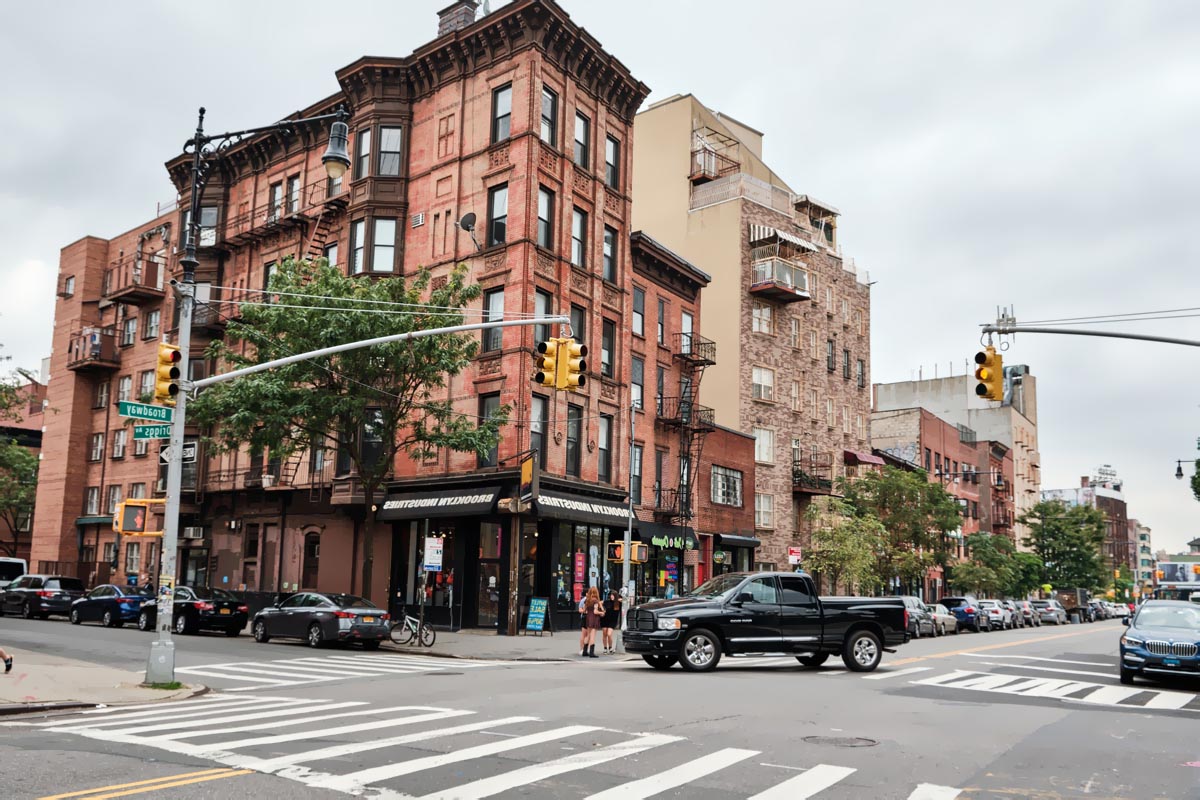
Beyond hotels, the neighborhood’s residential streets reveal a distinct New York City lifestyle. You’ll see locals frequenting cozy coffee shops, browsing independent bookstores, and enjoying the numerous parks and community spaces. The area strikes a balance between its historical grit and its contemporary polish, offering a more authentic residential feel compared to the hyper-commercialized zones like Times Square or the Garment District. It’s also incredibly well-connected, with multiple subway lines, the Port Authority Bus Terminal, and the Lincoln Tunnel providing seamless access to other parts of Manhattan, New Jersey, and beyond. Whether you’re on a luxury trip, a budget adventure, or a family vacation, Hell’s Kitchen offers a unique blend of convenience, culture, and character that makes for an unforgettable New York City stay.
The Enduring Legacy and Future
The name Hell’s Kitchen, once a label of urban despair, has evolved into a testament to resilience and renewal. It encapsulates the journey of a neighborhood that faced immense challenges but ultimately transformed itself into one of New York City’s most captivating districts. Today, visitors and residents alike celebrate its vibrant spirit, its rich history, and its remarkable cultural diversity.
From its legendary origins rooted in police folklore and immigrant struggles to its current status as a culinary hotspot and a gateway to Broadway, Hell’s Kitchen continues to tell a compelling story. Its streets buzz with an energy that blends the echoes of its past with the dynamism of its present. As New York City continues to grow and change, Hell’s Kitchen stands as a proud example of urban regeneration, a living landmark that proves even the most “hellish” beginnings can lead to a truly heavenly destination for travelers worldwide. Its enduring charm lies in this captivating paradox, making it an essential chapter in the story of the Big Apple.
LifeOutOfTheBox is a participant in the Amazon Services LLC Associates Program, an affiliate advertising program designed to provide a means for sites to earn advertising fees by advertising and linking to Amazon.com. Amazon, the Amazon logo, AmazonSupply, and the AmazonSupply logo are trademarks of Amazon.com, Inc. or its affiliates. As an Amazon Associate we earn affiliate commissions from qualifying purchases.