
The Mississippi River, a titan of the North American continent, evokes images of steamboats, sprawling landscapes, and deep historical roots. Its very name carries a mystique, a resonance that hints at an origin story as rich and complex as the waterway itself. For many, the question of “Why Is It Called The Mississippi River?” is not just about etymology; it’s a gateway to understanding the Indigenous cultures that first navigated its currents, the explorers who charted its course, and the enduring spirit of the United States that it so dramatically defines.
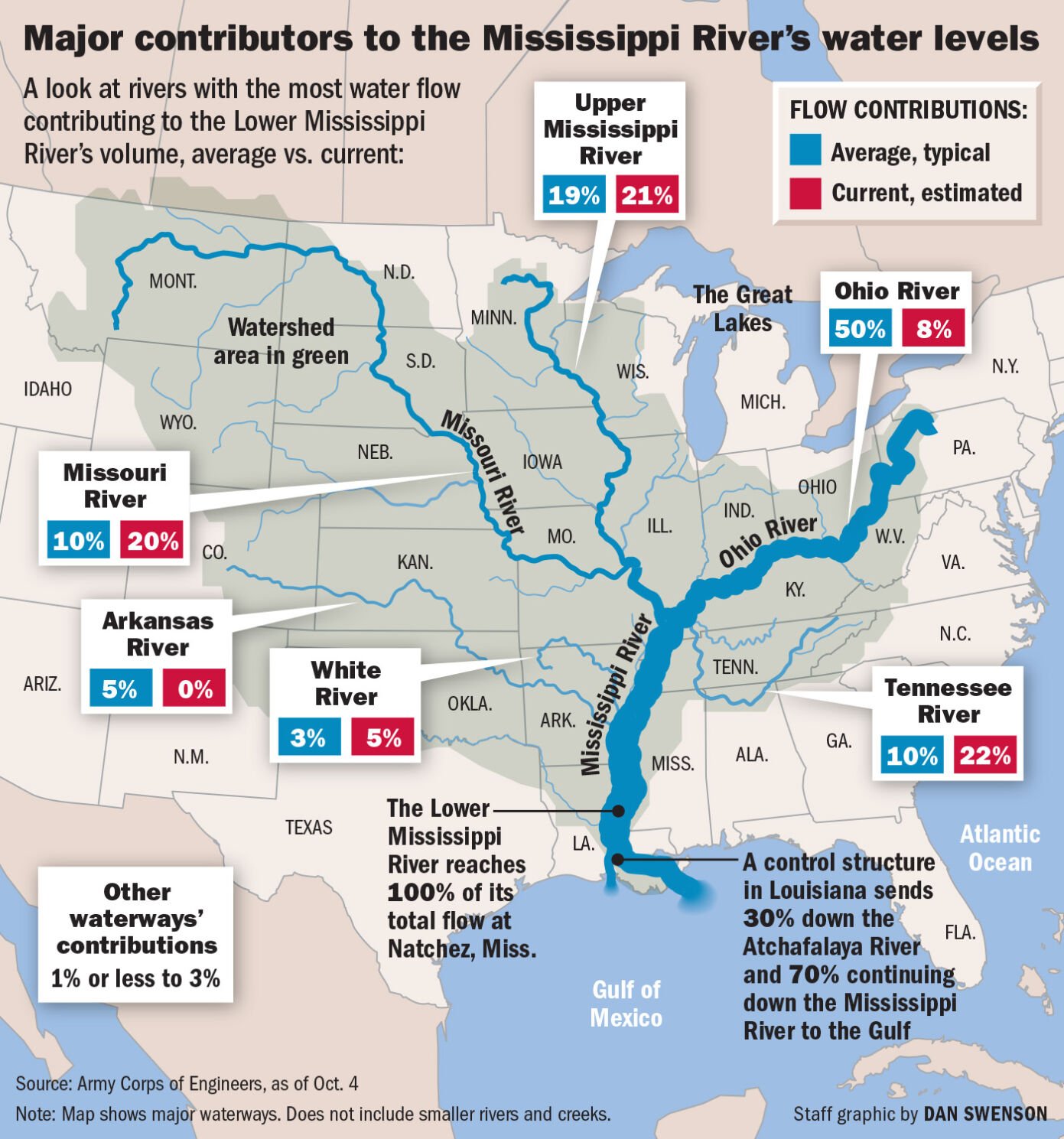
This mighty river, often referred to as America’s “Father of Waters,” snakes its way through the heartland of America, connecting a vast tapestry of landscapes, economies, and human stories. From its humble beginnings as a small stream in northern Minnesota to its grand delta emptying into the Gulf of Mexico, the Mississippi River has played an indispensable role in shaping the nation’s geography, its commerce, and its very identity. To truly appreciate its significance, we must delve into the etymology of its name, a journey that leads us back to the first peoples who lived along its banks.

The Echoes of Indigenous Tongues: Unraveling the Name
The name “Mississippi” is not a colonial imposition; it is a linguistic legacy inherited from the Anishinaabe people, an Indigenous group whose ancestral lands encompass a significant portion of the river’s upper reaches. The Anishinaabe are a confederation of Algonquian-speaking tribes, including the Ojibwe, Odawa, and Potawatomi. It was through their languages that the river first received a name, a name that has endured through centuries of change and transformation.
The most widely accepted origin of the name “Mississippi” comes from the Ojibwe word “Misi-ziibi” or “Messipi.” This phrase is a compound of two words: “misi,” meaning “great” or “big,” and “ziibi,” meaning “river.” Thus, “Misi-ziibi” translates directly to “Great River.” This descriptive moniker, bestowed by the people who intimately knew and relied upon the river, perfectly encapsulates its immense scale and importance.
“Misi-ziibi”: A Name Rooted in Observation and Respect
The Ojibwe people, renowned for their deep connection to the natural world, observed the Mississippi River not just as a physical entity but as a living, breathing force. They understood its power, its ability to sustain life, and its role as a vital artery for travel and trade. The designation “Great River” was not merely a label; it was a profound acknowledgment of the waterway’s majesty and its central place in their worldview.
Imagine the early Ojibwe travelers, paddling their birchbark canoes along the vast expanse of water. They would have seen the river’s immense width, its powerful currents, and the endless horizons it opened up. The name “Misi-ziibi” would have been spoken with reverence, a testament to the awe and respect the Anishinaabe held for this monumental natural wonder.
It is important to note that while “Misi-ziibi” is the most commonly cited origin, linguistic nuances and variations can exist among different Anishinaabe dialects. However, the core meaning of “great” or “big” river remains consistent, reflecting the universal recognition of the Mississippi River’s extraordinary size.
The Journey of a Name: From Indigenous Language to Global Recognition
The transition of “Misi-ziibi” to “Mississippi” is a fascinating example of linguistic evolution and cultural exchange. As European explorers and traders began to navigate the waterways of North America, they encountered the Indigenous peoples and their languages. Initial encounters often involved a process of transcription and adaptation, where Indigenous names were translated or transliterated into European languages, primarily French and English.
The French, who were among the first Europeans to extensively explore the upper Mississippi River region in the 17th century, likely heard variations of the Anishinaabe name. Early French maps and journals often recorded the river with spellings such as “Meschasipi” or “Misisipi.” Over time, these spellings were standardized and anglicized.
By the 18th century, the spelling “Mississippi” had become largely established in English. This adoption signifies not only the influence of English as a dominant colonial language but also the enduring power of the original Indigenous designation. The name “Mississippi” has, in essence, become a global ambassador for the river, recognized and understood far beyond the borders of North America.
This linguistic journey highlights a crucial aspect of the river’s identity: its deep-seated connection to the Indigenous heritage of the land. The name itself is a constant reminder of the Anishinaabe people and their foundational relationship with this magnificent waterway.
The Mississippi: More Than Just a Name, a Lifeline
The significance of the Mississippi River extends far beyond its etymology. The name “Great River” aptly describes its role as a vital artery for life, commerce, and culture throughout North America. For centuries, it has served as a primary route for transportation, a source of sustenance, and a canvas for human endeavors.
Navigating the Currents: Travel and Transportation
From the earliest Indigenous peoples to the modern-day tugboats and barges, the Mississippi River has been a highway of unparalleled importance. Its vast network of tributaries, reaching into the heart of the continent, allowed for the movement of goods, people, and ideas across immense distances.
Indigenous Pathways
Long before the arrival of Europeans, Indigenous tribes utilized the Mississippi River for trade, migration, and communication. Their intricate knowledge of its currents, its seasons, and its abundant resources enabled them to thrive along its banks. Canoes, crafted from natural materials, were the primary vessels, silently gliding through the waters, connecting communities and fostering a shared regional identity.
The Era of Steamboats
The advent of steamboats in the 19th century revolutionized travel and commerce on the Mississippi River. These powerful vessels transformed the river into a bustling thoroughfare, connecting the agricultural heartland with port cities like New Orleans. The romantic image of the paddlewheel steamboat, immortalized in literature and film, is intrinsically linked to the Mississippi River’s golden age of transportation. This era brought unprecedented economic growth and cultural exchange, solidifying the river’s status as a central pillar of the American economy.
Modern Waterways
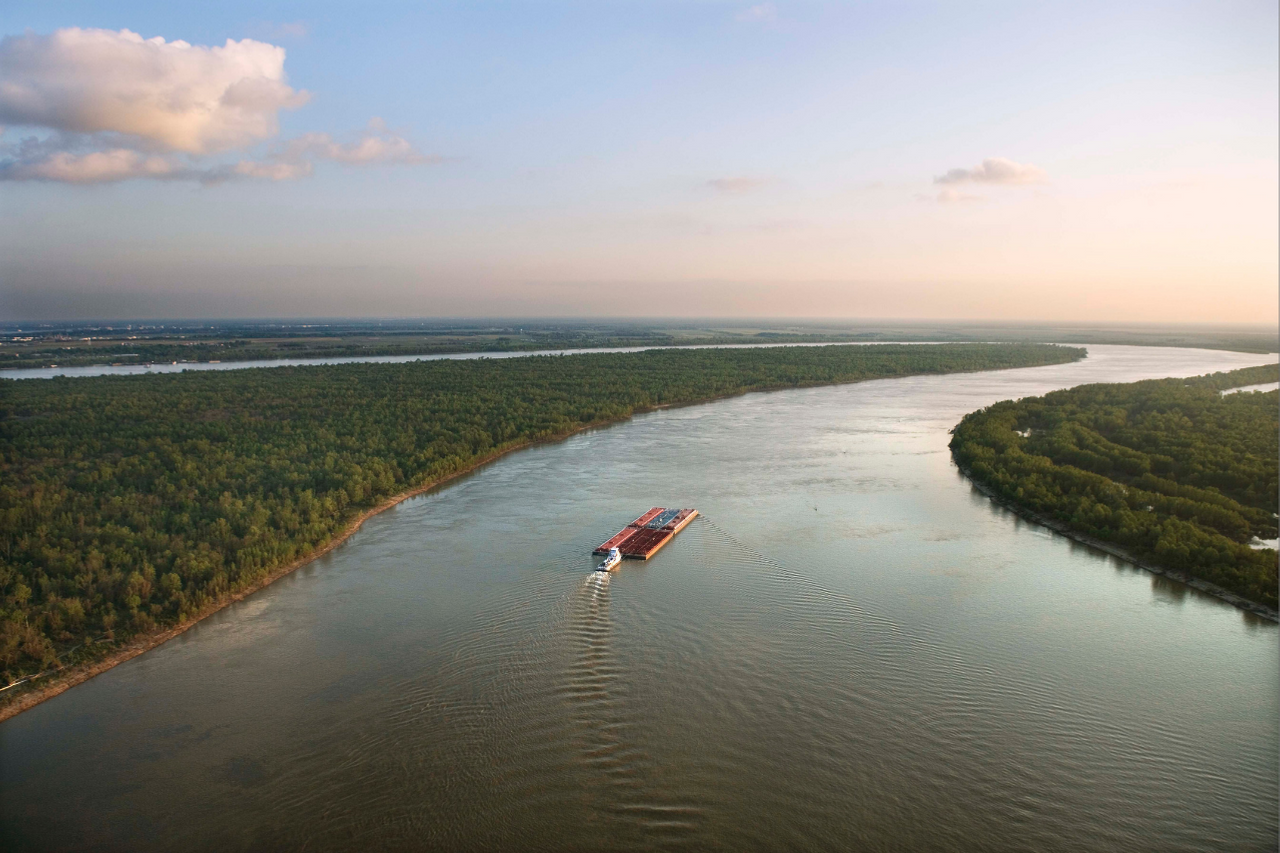
Today, the Mississippi River remains one of the world’s busiest inland waterways. Millions of tons of cargo, including grain, coal, and petroleum, are transported annually by barge. The river continues to be a critical component of America’s supply chain, facilitating trade and economic activity on a colossal scale. For travelers, cruising the Mississippi River on a modern riverboat offers a unique and immersive experience, allowing them to witness the diverse landscapes and historical sites that line its shores. Many luxury resorts and hotels offer packages catering to this very experience, providing a comfortable base from which to explore the river’s allure.
A Canvas for Culture and History
The Mississippi River is a waterway steeped in history, a silent witness to pivotal moments in American development. Its banks have been home to diverse cultures, from ancient Mississippian civilizations to the vibrant communities of the present day.
The Legacy of the Mississippian Culture
Evidence of advanced Indigenous societies, such as the Mississippian culture, can be found along the Mississippi River. These sophisticated civilizations, flourishing between approximately 800 and 1600 CE, were known for their monumental earthwork mounds, intricate pottery, and complex social structures. Sites like Cahokia near St. Louis stand as testaments to their ingenuity and influence, predating European settlement by centuries. The study of these landmarks offers invaluable insights into the pre-colonial history of North America.
The River and the Civil Rights Movement
The Mississippi River also flows through regions that were central to the Civil Rights Movement. Cities along its course, such as Memphis, Tennessee, and Jackson, Mississippi, were sites of significant struggle and progress in the fight for racial equality. The river, in its vastness, has often been seen as a symbol of both division and connection, a barrier and a path forward. Understanding the history of these places is crucial for comprehending the ongoing journey towards a more just society.
A Source of Artistic Inspiration
The Mississippi River has long captured the imagination of artists, writers, and musicians. Its evocative landscapes, its rich history, and its powerful presence have inspired countless works of art. From the blues music that emerged from the Mississippi Delta to the novels of Mark Twain, who masterfully captured the spirit of river life, the Mississippi River has profoundly influenced American culture and continues to be a wellspring of creative expression. Visiting the Delta region offers a chance to immerse oneself in this vibrant musical heritage, with local guides and cultural centers often available to share its stories.
Exploring the Mississippi: Travel and Accommodation
The allure of the Mississippi River draws visitors from around the globe, offering a diverse range of travel experiences, accommodations, and attractions. Whether one seeks a luxurious resort escape, an immersive cultural tour, or a budget-friendly adventure, the Mississippi River basin provides a wealth of opportunities.
Destinations and Attractions Along the River
The Mississippi River carves a path through numerous states, each offering unique attractions and a distinct flavor of American life. From the bustling metropolises to charming small towns, the river’s influence is palpable.
From Source to Sea: A Journey of Discovery
The journey along the Mississippi River can begin at its source, Lake Itasca, in northern Minnesota. This pristine wilderness offers opportunities for hiking and kayaking, setting the stage for the grand adventure ahead. As the river flows south, it passes through cities like Minneapolis, with its vibrant arts scene and urban parks, and St. Louis, famous for the iconic Gateway Arch. Further south, the river widens and slows, leading into the culturally rich Mississippi Delta region, an area renowned for its music, food, and history.
Iconic Landmarks and Natural Wonders
The Mississippi River basin is dotted with numerous landmarks, both natural and man-made. The Gateway Arch in St. Louis symbolizes the westward expansion of the United States. Further downstream, the Vicksburg National Military Park preserves the site of a pivotal Civil War battle. Nature lovers can explore the Mississippi National River and Recreation Area, a sprawling park protecting the river’s ecological and scenic beauty. The river’s delta itself is a unique ecosystem, teeming with wildlife and offering stunning vistas.
Accommodation for Every Traveler
The range of accommodations available along the Mississippi River caters to every taste and budget. Whether you’re looking for a lavish suite at a historic hotel, a cozy apartment for a longer stay, or a family-friendly resort, you’ll find options to suit your needs.
Luxury Stays and Unique Experiences
For those seeking a touch of luxury, numerous resorts and hotels offer exquisite amenities and breathtaking river views. Imagine waking up in a suite overlooking the Mississippi River in New Orleans, with the sounds of jazz drifting through the air. Many establishments provide access to fine dining, spa services, and curated local experiences, ensuring a memorable stay. For a more unique experience, consider a stay at a historic inn or a charming bed and breakfast, many of which are located in picturesque river towns.
Family-Friendly Resorts and Budget-Conscious Options
Families traveling with children will find a variety of resorts and hotels that cater to their needs, often featuring swimming pools, kid-friendly activities, and spacious rooms. For budget-conscious travelers, numerous hotels, motels, and even apartment rentals offer comfortable and affordable lodging. Long-term stays are also well-accommodated, with many properties offering extended-stay options that include kitchenettes and laundry facilities, making them ideal for business travelers or those planning an extended exploration of the region. Comparison websites and review platforms can be invaluable tools for finding the best deals and the perfect accommodation to suit your itinerary and preferences.
The Mississippi River is not just a geographical feature; it is a narrative thread woven through the fabric of American history, culture, and identity. Its name, “Great River,” is a fitting tribute to its enduring power and its profound influence, a name that resonates with the echoes of Indigenous wisdom and the ongoing story of a nation.