
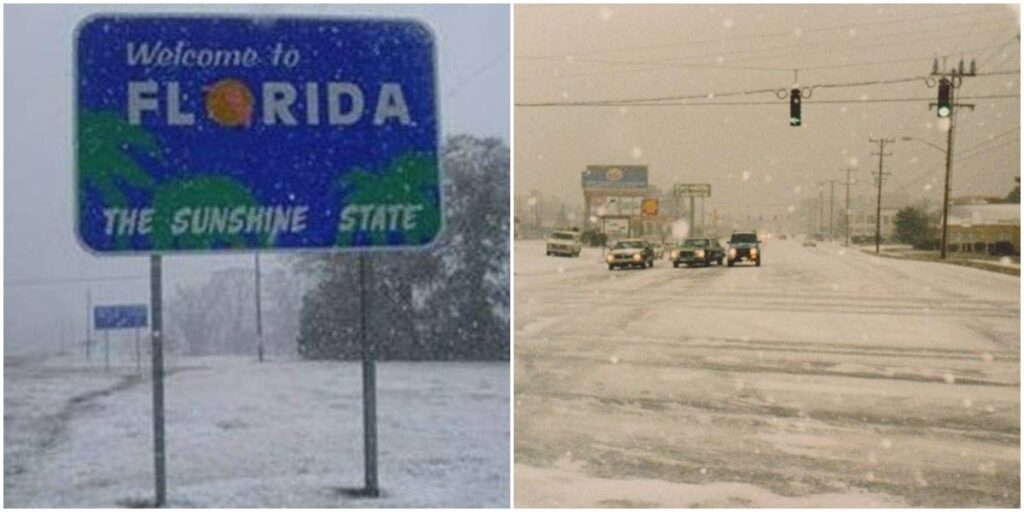
The mere suggestion of snow falling in Florida conjures images of the surreal, a meteorological anomaly that seems to defy the very essence of the Sunshine State. Typically associated with sun-drenched beaches, vibrant theme parks, and balmy weather, Florida is not a place one expects to see snowflakes gently drifting from the sky. Yet, history, though brief and fleeting, has recorded instances of this unusual phenomenon. So, why does it snow in Florida, and what are the atmospheric conditions that can precipitate such an event in a subtropical climate?
This exploration delves into the science behind rare winter weather in Florida, examining the specific atmospheric ingredients required for snow to form and fall, particularly in its northern regions. We will also touch upon the impact these rare occurrences have on local tourism and how residents and visitors alike react to such an unexpected spectacle. While it’s not a common occurrence, understanding the “why” behind it provides a fascinating glimpse into the complex workings of our planet’s climate.
The Science of a Winter Wonder in the Sunshine State
For snow to materialize, a precise combination of atmospheric conditions must align. It’s not simply about it being cold; it’s about the type of cold and the presence of moisture. The most crucial factor is temperature. Not just at ground level, but throughout the entire atmospheric column from the clouds down to the surface.
Temperature: The Crucial Cold Factor
Snow forms when the temperature within a cloud is below freezing (0°C or 32°F). Water vapor in the atmosphere coalesces around tiny dust or ice particles, forming ice crystals. These crystals grow by colliding and sticking to each other, eventually becoming heavy enough to fall. For these ice crystals to reach the ground as snow, the air temperature from the cloud base all the way to the surface must remain at or below freezing.
In Florida, this is where the challenge lies. Even during the coldest winter months, the air temperature in the lower atmosphere, especially near the coast, often hovers just above freezing. When snow begins its descent from higher, colder altitudes, it can melt in the warmer air layers closer to the ground. This is why Florida experiences frost and freezing temperatures more frequently than actual snowfall.
Moisture and Atmospheric Instability
Besides temperature, a sufficient supply of moisture is paramount. Clouds are essentially visible masses of water droplets or ice crystals. For snow, these must be ice crystals. Meteorologists look for areas of atmospheric instability, where warmer, moist air is forced to rise rapidly into colder air. This upward motion can create storm systems capable of producing precipitation.
In the context of Florida, this typically involves the interaction of cold air masses from the north with moisture originating from the Atlantic Ocean or the Gulf of Mexico. When a strong cold front pushes southward, it can bring down significantly colder air. If this cold air mass collides with a source of moisture and the conditions aloft are right for ice crystal formation and sustained below-freezing temperatures through the lower atmosphere, then snow becomes a possibility.
This scenario is more likely to occur in the northern parts of the state, such as the Florida Panhandle and northern inland areas, as they are the first to receive the brunt of southward-moving cold air. Cities like Tallahassee and the surrounding regions have historically seen light accumulations of snow.
Historical Snowfall Events in Florida
While a rare occurrence, Florida has indeed experienced snowfall. These events are often memorable, becoming topics of conversation for years and sometimes even disrupting daily life.
The Landmark Snow of January 1977
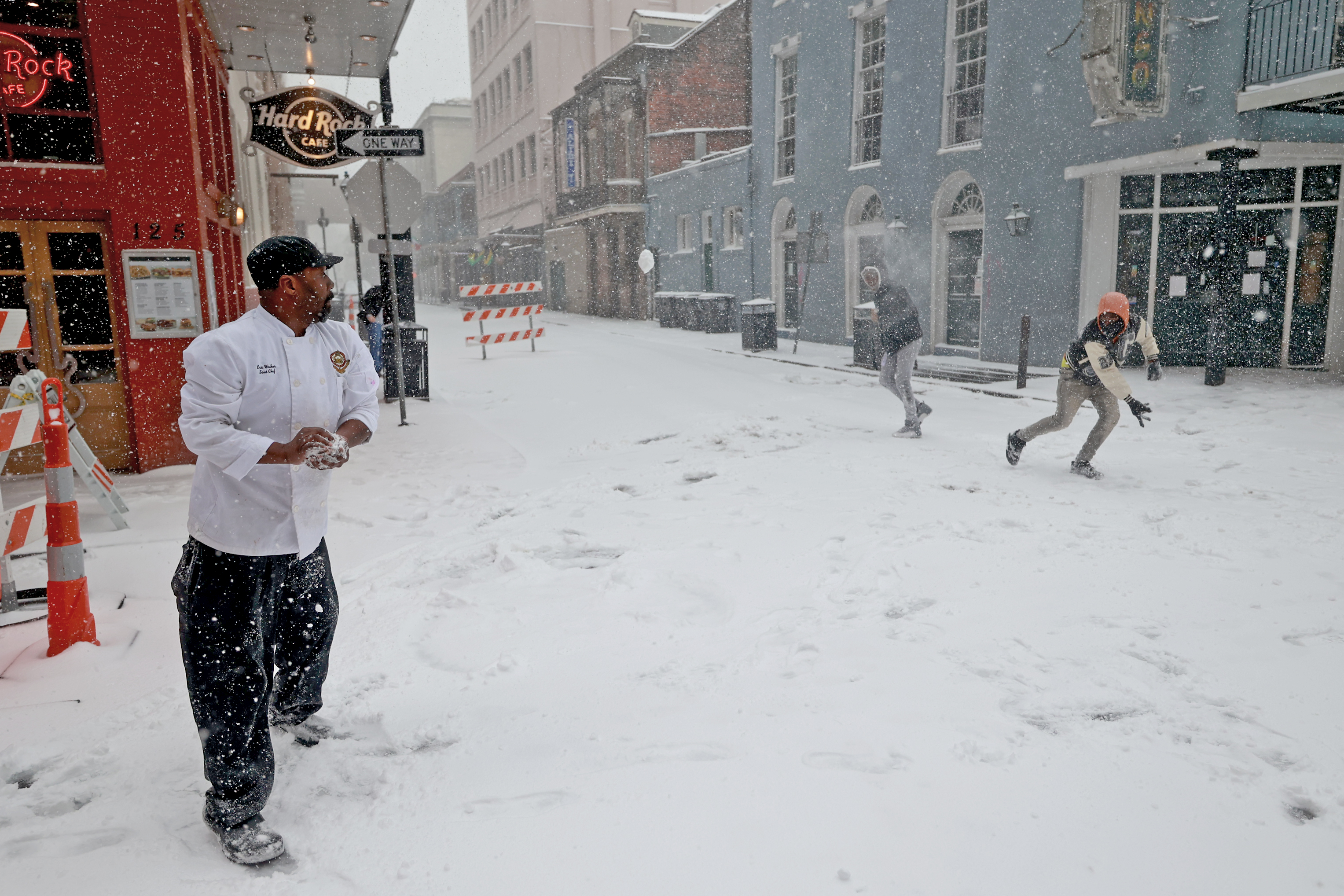
Perhaps the most significant and widely remembered snowfall in Florida occurred on January 19, 1977. This event brought snow, sleet, and freezing rain to much of the state, including areas as far south as Tampa and even parts of Miami-Dade County. This was a truly remarkable and unusual meteorological event, a testament to a particularly potent cold air outbreak combined with sufficient moisture. Residents, accustomed to palm trees and sunshine, were bewildered and delighted by the sight of snow. Many people took to the streets, marveling at the unusual landscape, with some even attempting to build rudimentary snowmen or have snowball fights. This event is etched in the collective memory of Floridians who experienced it. The impact on travel was significant, with roads becoming icy and hazardous, leading to school closures and travel disruptions.
Other Notable Occurrences
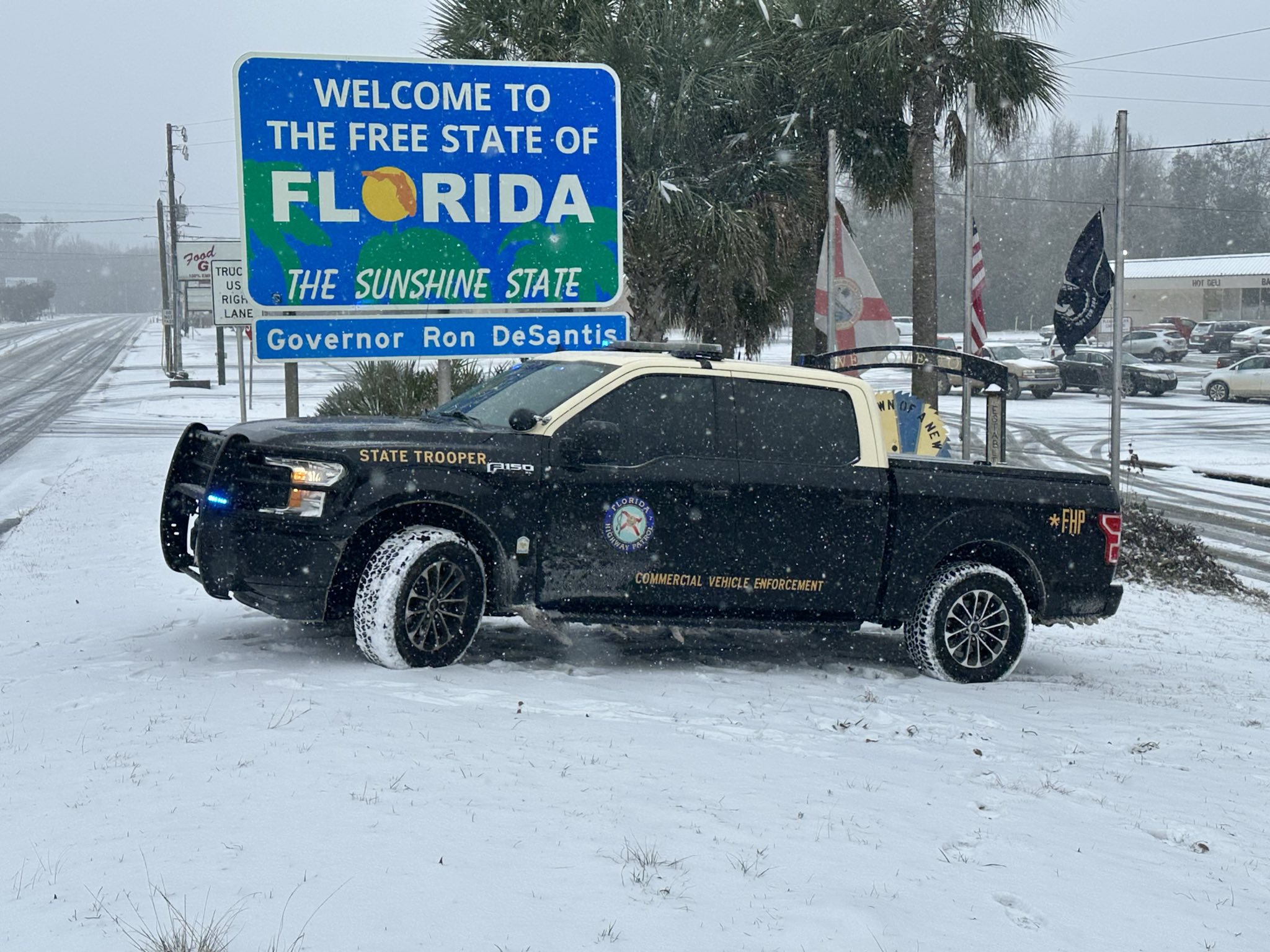
Beyond the 1977 event, there have been other instances of light snow or sleet in northern Florida. For example, in December 2017, a wintry mix of sleet and snow fell across parts of the Florida Panhandle, dusting areas around Pensacola and Tallahassee. While the accumulation was minimal, it was enough to cause excitement and a flurry of social media activity. These events, though less widespread and impactful than 1977, reinforce the idea that under the right (and rare) conditions, snow can indeed make its way to the Sunshine State.
Impact on Tourism and Lifestyle
When snow does fall in Florida, it creates a unique tourism opportunity and significantly alters the local lifestyle, albeit temporarily.
A Novel Tourist Attraction
For a state that thrives on its warm weather attractions, a snow event presents an entirely novel experience. Tourists who might have been seeking sun and warmth are suddenly presented with a chance to experience a phenomenon they might only associate with more northern destinations. This can lead to a surge in local tourism as people flock to witness the unusual sight.
Unique Travel Experiences
Imagine visiting Orlando and, instead of theme park rides, experiencing the novelty of seeing snowflakes against the backdrop of iconic attractions. While theme parks might not typically be equipped for snow activities, the surrounding areas often see an uptick in visitors eager to witness and document this rare event. Hotels and resorts, typically booked for beach vacations or convention attendance, might find themselves hosting a different kind of traveler – one seeking a unique winter experience in a place not known for it. The demand for accommodation often spikes, with travelers looking for last-minute bookings to catch a glimpse of snow.
Local Reactions and Lifestyle Shifts
For Floridians, a snow day is a cause for celebration and, often, a bit of delightful chaos. Businesses might close, schools have canceled classes, and the general pace of life slows down as people venture outside to experience the novelty. Families might gather, children experience the wonder of snow for the first time, and the usual routine is replaced by a sense of shared wonder. This transient shift in lifestyle, from the typical outdoor, sun-centric activities to indoor gatherings or brief forays into the cold, highlights the adaptability and appreciation for rare experiences within the state. It’s a reminder that even in the most predictable climates, nature can still surprise us.
Planning for the Unexpected
While it’s impossible to plan a vacation around a Florida snow event due to its rarity, understanding these possibilities adds another layer to the state’s diverse travel appeal. It underscores that Florida is not just about beaches and theme parks; it’s also a place where, under specific meteorological circumstances, the extraordinary can happen. This unpredictable element can make Florida even more intriguing for adventurers and those who appreciate the diverse expressions of nature.
In conclusion, while Florida may be synonymous with warmth and sunshine, the possibility of snow, however remote, is a fascinating meteorological reality. It hinges on the delicate balance of freezing temperatures throughout the atmospheric column and the presence of moisture, often brought by powerful cold fronts interacting with oceanic humidity. These rare events, like the memorable snowfall of 1977, not only create a unique spectacle for residents and tourists but also serve as a compelling reminder of the dynamic and sometimes surprising nature of our planet’s climate, even in the most seemingly unchanging environments.