
The moniker “The Twin Cities” immediately conjures an image of duality, of two distinct yet intertwined entities. When this phrase is applied to Minneapolis, it invites a deeper exploration into the geographical, historical, and cultural fabric that binds this vibrant region. Far from being a mere coincidence, the naming convention is deeply rooted in the area’s unique development and its relationship with its immediate neighbor, Saint Paul. This article delves into the origins of this famous nickname, exploring the distinct personalities of each city, their shared heritage, and the dynamic synergy that makes them a compelling destination for travelers, culture enthusiasts, and those seeking a unique lifestyle experience.
The Genesis of a Dual Identity: Minneapolis and Saint Paul
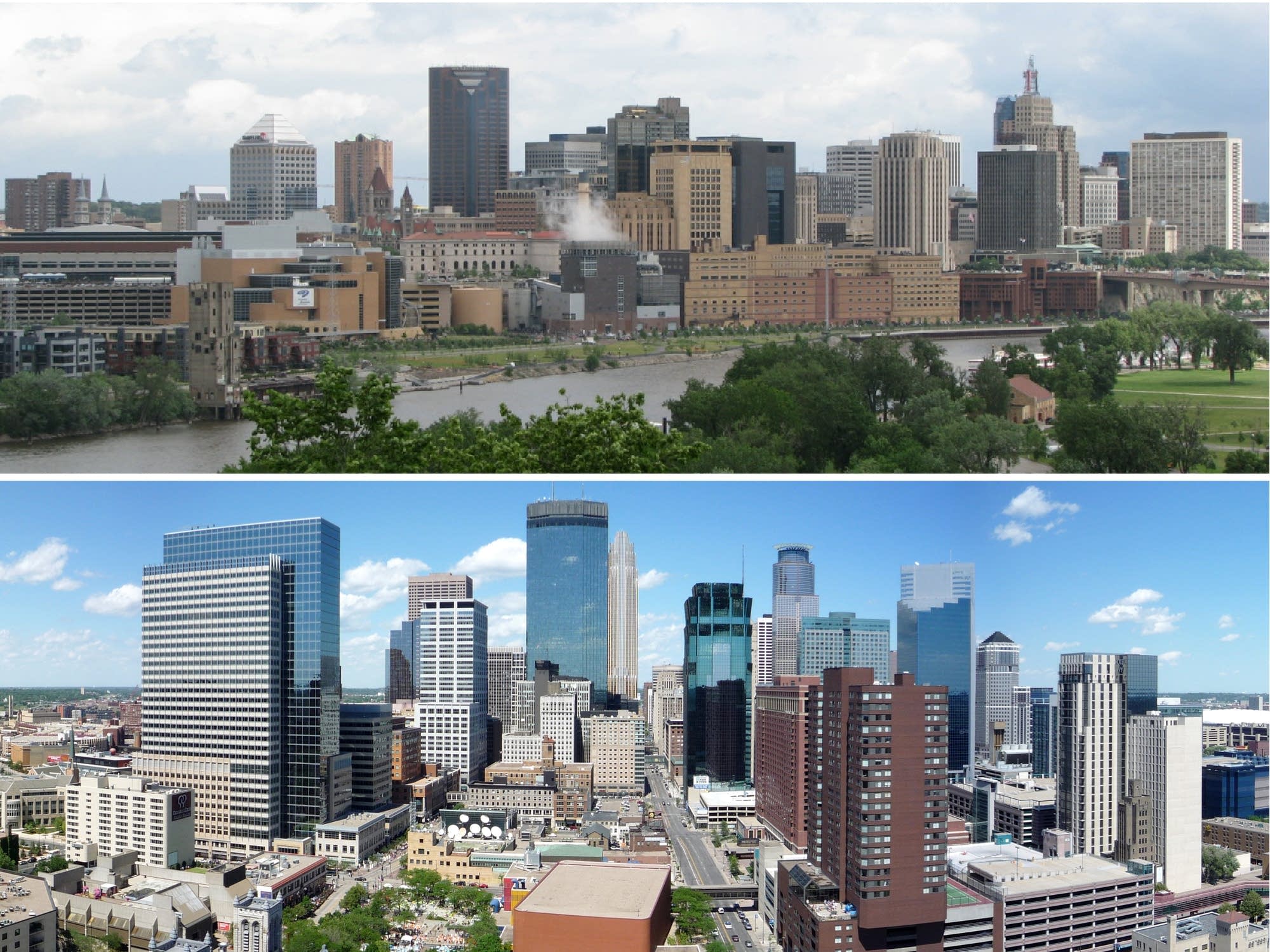
At its core, the “Twin Cities” appellation refers to the two major cities that anchor the Minneapolis–Saint Paul metropolitan area in the U.S. state of Minnesota. While often discussed as a single entity, Minneapolis and Saint Paul are distinct municipalities, each with its own government, identity, and historical trajectory. Their “twin” status arises not from their physical mirroring but from their close proximity, shared economic interests, and the historical development that saw them grow into major urban centers alongside each other.
Geographical Proximity and the Mississippi River
The most immediate factor contributing to the “Twin Cities” identity is their close geographical proximity. Minneapolis is situated on the west bank of the Mississippi River, while Saint Paul lies on the east bank, just a few miles upstream. This shared waterway, the mighty Mississippi River, has historically been a crucial artery for trade, transportation, and settlement. The river’s flow essentially connects the two cities, creating a natural geographical partnership.
The Mississippi River also features prominent natural landmarks that further distinguish and link the cities. Minneapolis is famously known for its cascading Minnehaha Falls, a picturesque waterfall that has inspired art and literature. Just upstream in Saint Paul, the river widens and flows past the historic Cathedral of Saint Paul, a magnificent architectural marvel that serves as a spiritual and visual anchor for the capital city. While these natural and architectural features are distinct, they are all part of the same river system, reinforcing the idea of a connected landscape.
Historical Development and Interdependence
The development of Minneapolis and Saint Paul as distinct but interdependent entities is key to understanding their dual identity. Saint Paul predates Minneapolis as a significant settlement. It emerged as a vital trading post and later became the territorial capital of Minnesota. Its strategic location on the river made it a hub for fur traders and steamboat traffic.
Minneapolis, on the other hand, grew rapidly due to its advantageous position along the St. Anthony Falls. These falls provided the power for lumber and grist mills, transforming Minneapolis into an industrial powerhouse. The arrival of railroads further fueled its growth, connecting it to national markets and solidifying its economic might.
Despite their different origins and initial economic drivers, the cities quickly became economically intertwined. Minneapolis thrived on industry and commerce, while Saint Paul served as the political and administrative center, as well as a major transportation hub. This symbiotic relationship meant that the prosperity of one city often depended on the success of the other. They shared a labor pool, a transportation network, and a broader regional economy, leading to a growing sense of shared destiny. The term “Twin Cities” began to gain traction as a way to describe this close, symbiotic relationship between two distinct but complementary urban centers.
Contrasting Personalities: The Heart of the Twin Cities
While united by their geographical proximity and shared history, Minneapolis and Saint Paul possess distinct personalities that contribute to the rich tapestry of the metropolitan area. These differences are evident in their urban landscapes, cultural offerings, and overall vibe, making exploration of each city a unique and rewarding experience for any visitor.
Minneapolis: The “City of Lakes” and Cultural Hub
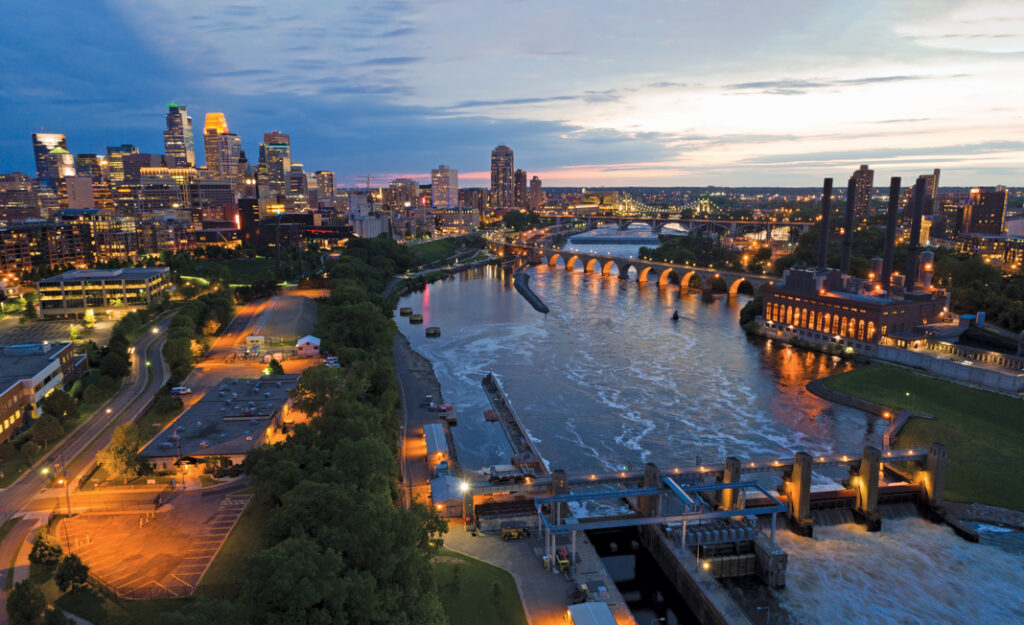
Minneapolis is often referred to as the “City of Lakes” for good reason. It boasts an impressive park system featuring over 50 lakes and numerous wetlands, offering residents and visitors ample opportunities for recreation, from swimming and boating to ice skating and cross-country skiing. This emphasis on natural beauty and outdoor activities is a defining characteristic of Minneapolis.
Culturally, Minneapolis is known for its vibrant arts scene. It is home to world-class institutions such as the Minneapolis Institute of Arts and the Walker Art Center, which hosts cutting-edge contemporary art and performances. The city also has a thriving live music scene, with iconic venues and a history of nurturing diverse musical talent. Furthermore, Minneapolis is a culinary hotspot, offering a wide array of dining experiences, from innovative farm-to-table restaurants to diverse international cuisines. The presence of major corporations like Target and General Mills further contributes to its dynamic economic landscape and a certain modern, forward-thinking energy. The downtown area is characterized by its modern architecture and bustling commercial activity, while neighborhoods like the Uptown area offer a more bohemian and eclectic feel. For accommodation, visitors can find a range of options from luxury hotels like the Four Seasons Hotel Minneapolis to boutique inns and serviced apartments catering to various travel styles.
Saint Paul: The Historic Capital and Cultural Mosaic
Saint Paul, as the capital of Minnesota, possesses a more distinctly historical and governmental character. Its architecture often reflects its earlier development, with grand, old buildings and a more traditional urban feel. The Minnesota State Capitol Building stands as a prominent landmark, a testament to its role as the seat of state government.
The cultural landscape of Saint Paul is rich and diverse, shaped by its history as a destination for immigrants. It boasts a vibrant arts scene, particularly known for its theater, including the renowned Guthrie Theater, although this is primarily associated with Minneapolis, Saint Paul also has its own significant theatrical offerings. The city is also a melting pot of cultures, with a strong Somali community, as well as heritage from Irish, German, and Scandinavian immigrants. This cultural diversity is reflected in its culinary scene, with numerous ethnic eateries and festivals celebrating its multicultural heritage. Science Museum of Minnesota is a key attraction, drawing families and curious minds. For travelers seeking accommodation, Saint Paul offers historic hotels and charming bed and breakfasts, providing a sense of timelessness. The area around Grand Avenue is known for its unique shops and restaurants, offering a more intimate and localized shopping experience compared to the larger commercial centers of Minneapolis. The city’s commitment to preserving its historical character while embracing its modern diversity makes it a compelling destination in its own right.
The Synergy of the Twin Cities: A Unified Metropolitan Experience
The true magic of the “Twin Cities” lies not just in the individual strengths of Minneapolis and Saint Paul, but in the seamless integration and synergistic relationship between them. The metropolitan area functions as a cohesive unit, offering a comprehensive range of experiences for residents and visitors alike, whether seeking luxury accommodations, budget-friendly adventures, family fun, or a taste of local culture.
Economic and Cultural Interconnection
Economically, the cities are deeply intertwined. While Minneapolis is often seen as the commercial and financial hub, Saint Paul contributes significantly with its government sector, healthcare institutions, and growing tech industry. Commuting between the two cities is common, and many businesses operate across both jurisdictions. This economic interdependence fosters a shared sense of purpose and development within the broader Minneapolis–Saint Paul area.
Culturally, the synergy is palpable. Major sporting events, concerts, and festivals often draw attendees from both cities. The region is home to professional sports teams like the Minnesota Vikings (NFL) and the Minnesota Twins (MLB), whose stadiums are easily accessible from both Minneapolis and Saint Paul, further solidifying the idea of a unified fan base. The proximity allows for easy transit between the diverse attractions each city offers, from the sprawling green spaces and renowned museums of Minneapolis to the historic charm and cultural institutions of Saint Paul.

Travel and Lifestyle Considerations
For travelers, the “Twin Cities” designation simplifies navigation and planning. When booking a hotel, whether a luxurious resort in downtown Minneapolis or a charming boutique hotel in Saint Paul, visitors benefit from the comprehensive range of accommodation options available across the entire metropolitan area. The ease of travel between the two cities, facilitated by an efficient public transportation system including light rail, means that exploring the distinct offerings of both is a practical and enjoyable endeavor.
From a lifestyle perspective, the Minneapolis–Saint Paul area offers a high quality of life, consistently ranking high in various national surveys for affordability, health, and education. Whether one prefers the urban energy and abundant green spaces of Minneapolis or the historic charm and community feel of Saint Paul, there is a distinct neighborhood or district to suit every preference. The region’s commitment to arts, culture, and outdoor recreation, combined with its strong economy and diverse population, makes it an attractive destination for long-term stays, business travel, and family trips. The “Twin Cities” are not merely two cities side-by-side; they are a dynamic, interconnected metropolitan entity that offers a rich and multifaceted experience for all who visit or call it home.