
New Orleans, a city renowned for its vibrant culture, soul-stirring music, and delectable cuisine, is a dream destination for travelers worldwide. When planning a trip to this iconic American city, one of the first practical considerations is navigating its air transportation. You’ll undoubtedly encounter the abbreviation “MSY” when searching for flights to New Orleans. But why MSY? This seemingly simple question unlocks a fascinating glimpse into the history of aviation, the naming conventions of airports, and the enduring spirit of the Big Easy.
MSY is the official International Air Transport Association (IATA) airport code for the Louis Armstrong New Orleans International Airport. While it might not immediately appear intuitive to those unfamiliar with aviation vernacular, the story behind MSY is rooted in the airport’s origins and its early connections. To understand why MSY, we need to delve into the airport’s past, explore the evolution of airport codes, and appreciate how these designations, though sometimes obscure, become indelibly linked to the places they represent.

The Historical Roots of MSY
The designation MSY for the New Orleans airport is not a random selection; it’s a historical echo of its early days and the entities that played a crucial role in its development. The airport, officially named after the legendary jazz musician Louis Armstrong, was not always known by this tribute. Its initial development and operational phases are intrinsically linked to the prefix “MSY.”
From Moisant International Airport to Louis Armstrong International Airport
The land that now hosts the Louis Armstrong New Orleans International Airport was first developed in the 1920s and 1930s as a private airfield. However, its significant transformation into a public airport began in the late 1940s. It was then that the New Orleans Aviation Board established a modern airport. Crucially, this airport was initially named Moisant International Airport.
The name “Moisant” itself has a historical pedigree. It was named in honor of John Moisant, a pioneering aviator who tragically died in an airplane crash in 1910. Moisant was an early advocate for aviation and had envisioned a prominent aviation hub in the region. His legacy, therefore, became intertwined with the airport’s identity.
During the era of Moisant International Airport, the airport code MSY was established. The “M” likely stood for Moisant, and the “SY” could have been derived from “New Orleans” or “Slidell,” a nearby town, though the exact reasoning for the “SY” is not definitively documented and remains a subject of historical discussion. Regardless of the precise etymology of “SY,” the “MSY” designation became firmly attached to the airport’s operations and its identity within the burgeoning aviation industry.
As the airport grew in importance and passenger traffic, it underwent a significant renaming in 1961. In a move to honor one of New Orleans’ most celebrated cultural ambassadors, the airport was officially renamed Louis Armstrong International Airport. This change reflected the city’s deep pride in its musical heritage and its desire to immortalize the iconic trumpeter. However, the existing IATA code, MSY, remained. Airport codes, once established, are rarely changed due to the extensive logistical and informational implications involved. Therefore, MSY continued to be the identifier for the Louis Armstrong New Orleans International Airport, even after its name change. This is a common occurrence in the aviation world; many airports retain their historical IATA codes despite name changes that honor different figures or reflect new identities.
Understanding Airport Codes: A Universal Language
The International Air Transport Association (IATA) airport codes are three-letter codes used by airlines, travel agencies, and air traffic control systems to identify airports worldwide. These codes are essential for streamlining operations, simplifying reservations, and ensuring efficient baggage handling. They serve as a universal shorthand, allowing for clear communication across different languages and geographical boundaries.
The Significance of IATA Codes
The IATA airport code system was developed to provide a consistent and unambiguous way to refer to airports globally. Before the widespread adoption of these codes, airports were often identified by local names or less standardized abbreviations, leading to potential confusion. The IATA codes, established in the 1930s, have since become the de facto standard for passenger travel.
There are generally three types of airport codes:
- IATA Airport Codes: These are the three-letter codes most commonly seen by the public, such as MSY for New Orleans, LAX for Los Angeles, and CDG for Paris Charles de Gaulle. These are the codes used for flight bookings, baggage tags, and airport signage.
- ICAO Airport Codes: These are four-letter codes assigned by the International Civil Aviation Organization. They are primarily used by air traffic control and for flight planning. For example, the ICAO code for Louis Armstrong New Orleans International Airport is KMSY.
- Local Airport Codes: These are typically three or four-letter codes used by local authorities or within a specific region. However, they are less universally recognized than IATA or ICAO codes.
The persistence of MSY, despite the airport’s name change to honor Louis Armstrong, highlights the practical considerations in the aviation industry. Changing an established IATA code would necessitate a massive overhaul of reservation systems, computer databases, and passenger recognition. Airlines and travel providers would need to update all their documentation and systems, a costly and complex undertaking. Therefore, once a code is assigned and widely adopted, it tends to stick.
How Codes Are Assigned (and Why They Don’t Always Make Sense)
The assignment of IATA codes historically followed various rationales. Initially, many codes were derived directly from the airport’s name. For instance, the “DEN” for Denver International Airport or “ATL” for Hartsfield-Jackson Atlanta International Airport are relatively straightforward. However, as airports and air travel evolved, and the need for unique codes increased, more obscure origins emerged.
Some codes might be derived from:
- Historical Names: As in the case of MSY, where the code predates the current airport name.
- Geographical Features or Nearby Towns: Codes might reference a significant geographical landmark or a nearby town that played a role in the airport’s establishment.
- Phonetic Derivations: Sometimes, the letters might represent a phonetic pronunciation or a part of the city’s name.
- Legacy Prefixes: Early aviation used alphabetical prefixes. For example, many airports in the United States that were once military bases or had specific federal designations might have codes starting with letters that reflect those origins.
The “SY” in MSY remains a point of historical curiosity. While the “M” clearly points to Moisant, the “SY” is less obvious. Some theories suggest it could be an abbreviation for “Seaway,” referencing the proximity to the Gulf of Mexico and its waterways, or perhaps a derivation from “New Orleans” itself that became simplified over time. Regardless of the precise historical intent, MSY has become synonymous with New Orleans for air travelers. It’s the code that appears on booking websites, boarding passes, and airport arrival/departure boards, deeply embedded in the travel experience to this vibrant Southern city.
Experiencing New Orleans Through MSY
The Louis Armstrong New Orleans International Airport (MSY) is the gateway to a city brimming with unique attractions, rich cultural experiences, and unparalleled culinary delights. While the airport code MSY might seem abstract, it’s the first step in an unforgettable journey into the heart of New Orleans.
Travel and Tourism Begin at MSY
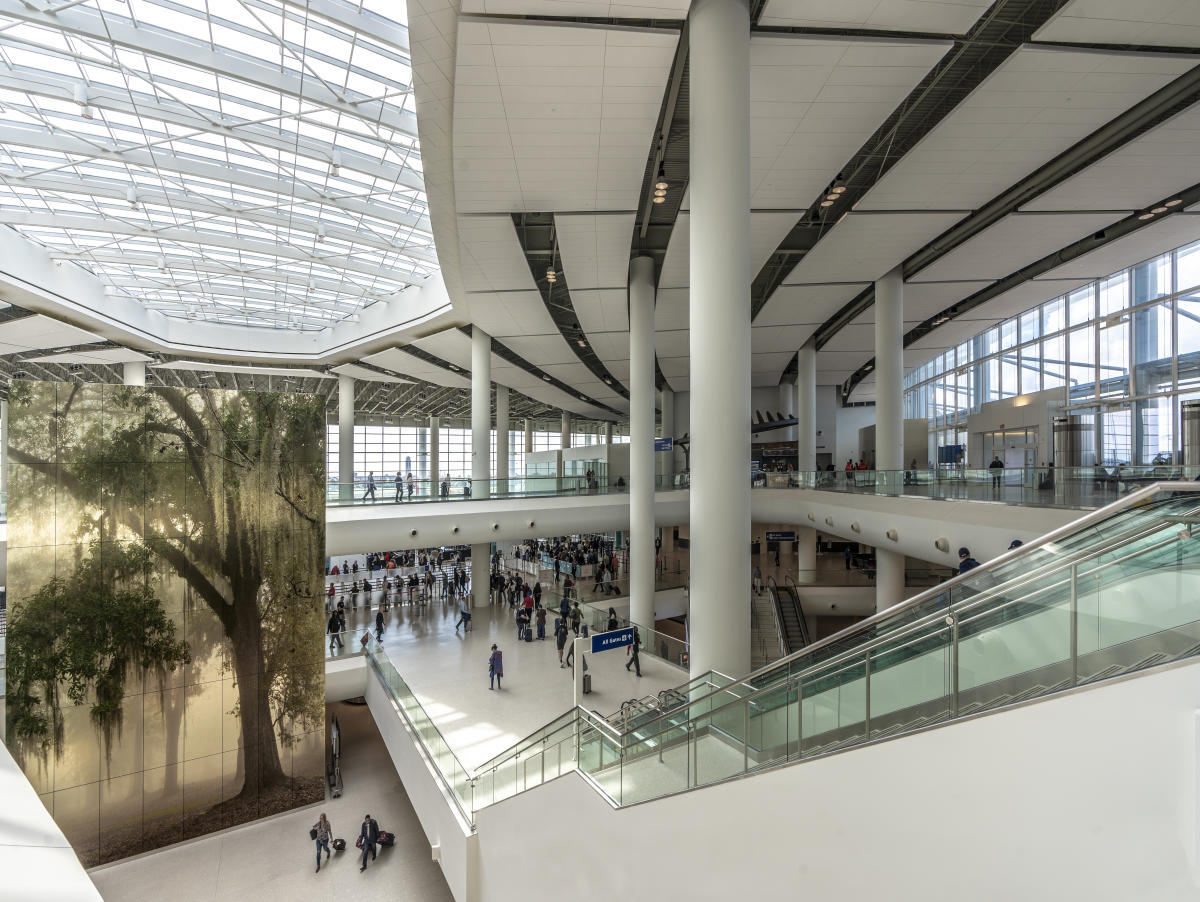
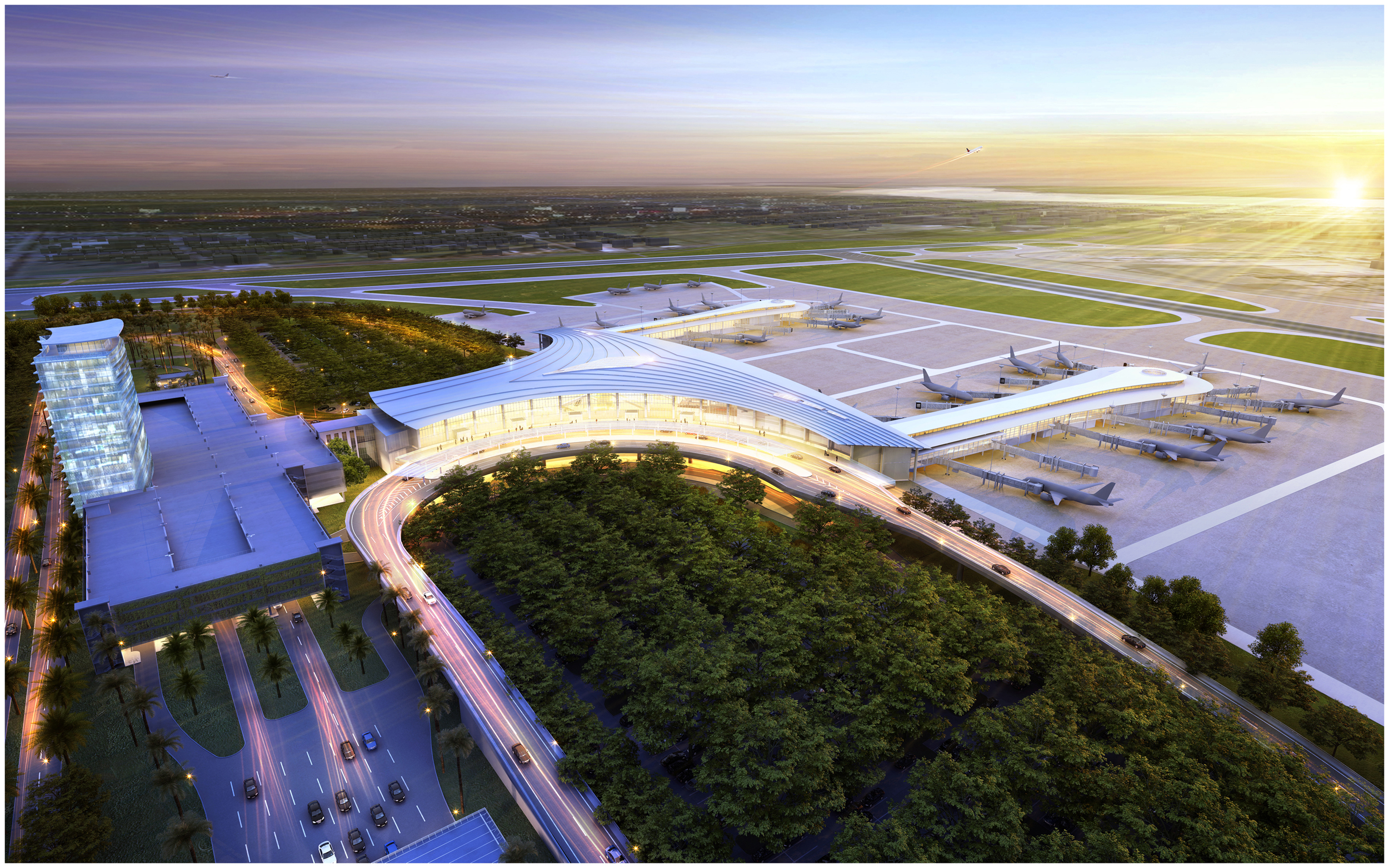
Upon arrival at MSY, travelers are immediately immersed in the distinctive atmosphere of New Orleans. The airport itself often reflects the city’s vibrant spirit through its art, music, and design elements. From MSY, visitors can easily access the various modes of transportation that will whisk them away to their accommodations and the city’s many wonders.
Whether you’re heading to a luxurious resort in the French Quarter, a charming boutique hotel in the Garden District, or a budget-friendly apartment near Uptown, MSY is your starting point. The airport’s efficient services and proximity to major roadways ensure a smooth transition from air travel to experiencing the local flavor.
Unlocking New Orleans’ Treasures
The primary purpose of flying into MSY is to explore all that New Orleans has to offer. The city is a UNESCO World Heritage site and a cultural melting pot, renowned for its:
- Music Scene: From the lively jazz clubs on Frenchmen Street to the street performers in the French Quarter, music is the heartbeat of New Orleans. Visitors can experience live performances daily, soaking in the authentic sounds of jazz, blues, and brass bands.
- Culinary Delights: New Orleans is a food lover’s paradise. Iconic dishes like gumbo, jambalaya, beignets, and po’boys are must-tries. From world-class fine dining restaurants to casual neighborhood eateries, the city’s culinary landscape is as diverse as its people. Popular culinary destinations include Commander’s Palace and Galatoire’s.
- Historic Landmarks: The French Quarter, with its stunning Creole architecture, wrought-iron balconies, and cobblestone streets, is a must-visit. Other significant landmarks include St. Louis Cathedral, Jackson Square, and the historic cemeteries, offering a glimpse into the city’s rich history and unique burial traditions.
- Local Culture and Activities: Beyond the well-trodden paths, New Orleans offers a wealth of unique experiences. Swamp tours, plantation visits, cooking classes, and carriage rides through the charming neighborhoods provide deeper insights into the local lifestyle and heritage. The city’s vibrant festivals, such as Mardi Gras and the New Orleans Jazz & Heritage Festival, are world-famous events that draw immense crowds.
- Accommodations: From opulent suites in historic hotels to cozy bed and breakfasts and modern apartment rentals, New Orleans offers a wide range of accommodation options to suit every traveler’s needs and budget. Whether seeking a luxurious escape or a long-term stay, the city has something to offer.
The convenience of MSY as an arrival point means that the magic of New Orleans is just a short journey away. It’s a city that captivates the senses and leaves a lasting impression, and the journey always begins with that familiar three-letter code: MSY. Understanding why MSY serves New Orleans is not just about deciphering an airport code; it’s about appreciating the layers of history and identity that are woven into the fabric of this extraordinary destination.