
Nestled along the banks of the mighty Mississippi River in Louisiana, New Orleans stands as a vibrant testament to American culture, history, and an utterly unique way of life. It’s a city of paradoxes: ancient yet ever-evolving, boisterous yet profoundly spiritual, a melting pot of influences that creates an unmistakable flavor. Among its many affectionate monikers, “The Big Easy” reigns supreme, encapsulating an elusive charm that captivates visitors and residents alike. But what is it about this extraordinary destination that earned it such a relaxed and inviting nickname? It’s a story woven through its history, its music, its food, and the very soul of its people – an invitation to slow down, savor the moment, and embrace a lifestyle where pleasure is paramount and worries often melt away like ice in a Sazerac.
This journey into the origins and meaning behind “The Big Easy” is more than just a historical account; it’s an exploration of the elements that make New Orleans a premier travel destination, a culinary haven, and a place where every visit feels like coming home. From its iconic landmarks and unique accommodation options to its vibrant tourism scene and distinctive lifestyle, New Orleans embodies a spirit of effortless charm that truly lives up to its name.
The Genesis of a Nickname: Tracing “The Big Easy”
The origin of “The Big Easy” is not shrouded in ancient mystery, nor is it the result of a single grand pronouncement. Instead, it’s a relatively modern nickname that organically captured the essence of New Orleans at a specific point in time, later evolving into the universally recognized identifier it is today. Understanding its genesis helps to illuminate the city’s character.
Early References and Journalistic Origins
The nickname “The Big Easy” is widely attributed to the 1970s. While the exact first usage is debated, one of the most significant popularizers was writer James Conaway, whose 1970 novel, The Big Easy, brought the phrase into public consciousness. However, before Conaway’s novel, the term had already begun to circulate, primarily among locals and those in the media. Crucially, the moniker gained substantial traction through the work of crime columnist Betty Guillaud for The Times-Picayune newspaper. In the early 1970s, Guillaud used “The Big Easy” to contrast New Orleans with New York City, which was then commonly known as “The Big Apple.” Her intent was to highlight the comparatively slower, more relaxed pace of life in New Orleans, despite the city’s then-rising crime rates, and also its relative affordability. Unlike the high-stakes, fast-paced grind of New York, life in New Orleans offered a certain “easiness” – a place where one could make a living without the relentless pressure of other major metropolises. This journalistic comparison resonated deeply, painting a picture of a city where the cost of living was more manageable and the rhythm of daily existence flowed at a gentler tempo.
A Nod to the Local Lifestyle
Even before its widespread media adoption, the underlying sentiment behind “The Big Easy” had long been a part of the local psyche. New Orleans has always been distinct from other American cities. Its unique blend of cultures – French, Spanish, African, and Caribbean – forged a community that prioritized celebration, communal gathering, and a certain joie de vivre. The nickname wasn’t just about affordability or a slower pace; it was also an acknowledgement of the city’s inherent friendliness and its less stringent social hierarchies compared to many other urban centers. In New Orleans, an “easy” attitude meant a welcoming spirit, an openness to strangers, and an environment where joy and entertainment were not just leisure activities but integral parts of the cultural fabric. This intrinsic quality made it easy to live, easy to visit, and easy to fall in love with. The city’s charm lies in its ability to offer a haven where the stresses of the modern world seem to dissipate, replaced by the intoxicating aroma of rich coffee, the distant sound of jazz, and the promise of another delicious meal shared with good company.
A City of Laid-Back Rhythms: Embracing the “Easy” Life
The true meaning of “The Big Easy” goes far beyond its journalistic origins. It speaks to the fundamental character of New Orleans, a city where life is lived with an undeniable sense of leisure and enjoyment. This easy-going rhythm is palpable in every aspect of the city, from its music-filled streets to its world-renowned culinary scene.
The Unhurried Pace of Life
Step into New Orleans, and you’ll immediately notice a distinct shift in tempo. Unlike the relentless hustle of cities like New York City, Los Angeles, or Chicago, New Orleans moves to its own, more languid beat. There’s no rush to get from point A to point B; instead, there’s an unspoken invitation to stroll, to linger, to absorb the vibrant surroundings. Mornings unfold slowly with chicory coffee and beignets, while afternoons might stretch into long, convivial lunches. The concept of “fomo” (fear of missing out) is almost antithetical here; the joy is in being present, in the moment, rather than constantly chasing the next big thing. This unhurried pace is a cornerstone of the New Orleans lifestyle, encouraging both residents and visitors to shed their anxieties and embrace a more mindful, pleasurable existence. It’s a city that teaches you to breathe, to look around, and to appreciate the simple luxuries of life, making it a perfect destination for those seeking a true escape and an experience focused on genuine relaxation.
Music as the Soul of the City
It’s impossible to talk about the “easy” nature of New Orleans without acknowledging the pervasive influence of music. Music isn’t just entertainment here; it’s the heartbeat of the city, a spontaneous, ever-present force that defines its atmosphere. As the birthplace of jazz, New Orleans practically hums with melodies. Walk through the historic French Quarter, and you’ll hear brass bands playing on street corners, blues musicians improvising in dimly lit clubs, and the distant, soulful strains of live performances spilling out of every doorway on Bourbon Street. This constant soundtrack contributes immensely to the city’s relaxed vibe. The improvisational nature of jazz itself mirrors the city’s laid-back attitude – an embrace of spontaneity and a celebration of collective joy. Whether you’re swaying to a second-line parade, tapping your feet in a lively bar, or simply enjoying the background ambiance of a street musician, the music of New Orleans has a way of easing tensions and lifting spirits, making it incredibly “easy” to lose yourself in the moment. It transforms every stroll into a performance and every evening into an unforgettable experience.
Culinary Delights and Gastronomic Indulgence
Another undeniable facet of New Orleans’ “easy” allure is its legendary culinary scene. Food in New Orleans is more than sustenance; it’s an art form, a cultural expression, and a communal experience. The city’s rich history, influenced by French, Spanish, African, and Caribbean traditions, has birthed unique Cajun and Creole cuisines that are celebrated worldwide. From the fiery kick of jambalaya and the comforting richness of gumbo to the indulgent perfection of oysters Rockefeller and the sweet simplicity of beignets, every meal is an event.
Dining in New Orleans is rarely a hurried affair. Restaurants, whether they are grand establishments with white tablecloths or humble hole-in-the-wall eateries, encourage patrons to linger, to savor each bite, and to enjoy the company of those around them. This relaxed approach to food contributes directly to the “Big Easy” ethos. It’s a place where chefs take immense pride in their craft, using fresh, local ingredients to create dishes that tell a story. For visitors, exploring the culinary landscape is a journey in itself, offering everything from luxurious fine dining experiences at historic restaurants to casual, budget-friendly eats at local diners. The sheer joy of eating, drinking, and socializing over incredible food makes New Orleans an effortlessly indulgent destination, solidifying its reputation as a place where life’s simple pleasures are celebrated with gusto.
Beyond the Nickname: What Makes New Orleans Uniquely Easy?
While the core elements of pace, music, and food certainly define the “Big Easy” experience, several other factors contribute to New Orleans’ unique charm and its ability to effortlessly draw people in. These aspects delve deeper into the social and economic fabric of the city, highlighting why it stands apart from other urban centers in the United States.
Affordability and Accessibility
Historically, one of the reasons New Orleans earned its “easy” moniker was its relative affordability compared to other major cities. While prices have fluctuated and certain areas have seen gentrification, the city has largely maintained a more accessible cost of living and travel experience than many of its counterparts. This extends not only to daily expenses but also to various aspects of tourism and accommodation. Visitors can find a wide range of hotel options, from luxurious resorts that offer every amenity imaginable, such as Hotel Monteleone or The Roosevelt Hotel New Orleans, to charming boutique inns and budget-friendly guesthouses. This accessibility makes it “easy” for a diverse range of travelers, from those seeking luxury travel experiences to those on a tight budget, to enjoy all that the city has to offer without feeling financially strained. The ability to enjoy world-class culture, cuisine, and entertainment without breaking the bank is a significant part of the “Big Easy” appeal, allowing visitors to extend their stays and delve deeper into the local culture.
Southern Hospitality and Welcoming Spirit
The concept of Southern hospitality finds one of its most genuine expressions in New Orleans. Locals are renowned for their warmth, friendliness, and willingness to share their city with visitors. There’s an inherent openness that makes it “easy” to strike up conversations, receive recommendations, and feel like a part of the community, even if just for a short visit. This welcoming spirit is not just a polite gesture; it’s deeply ingrained in the city’s culture, a reflection of its history as a port city that has long embraced people from all walks of life. Whether you’re navigating the bustling markets, dining in a local restaurant, or exploring the historic streets, you’ll often encounter genuine smiles and helpful advice. This authentic connection with the people of New Orleans profoundly enhances the travel experience, transforming a mere trip into a memorable encounter with a truly hospitable culture. It’s this human element that truly makes the city feel like a home away from home, fostering a sense of belonging that is rarely found elsewhere.

A Sanctuary from Stress
Ultimately, New Orleans functions as a sanctuary from the relentless pressures and stresses of modern life. The entire city seems to operate on a different frequency, one that prioritizes joy, creativity, and human connection over efficiency and productivity. For anyone feeling overwhelmed by the demands of their daily routine, a trip to “The Big Easy” offers a potent antidote. The unique blend of historical charm, vibrant music, exquisite food, and friendly faces creates an immersive experience where worries genuinely seem to dissipate. It’s easy to get lost in the intricate ironwork of the French Quarter, easy to dance to the rhythms of a spontaneous street band, and easy to find solace in the shared experience of a delicious meal. This ability to consistently deliver a sense of peace and pleasure, coupled with an undeniable cultural richness, firmly cements New Orleans’ reputation as the ultimate “easy” escape – a place where relaxation isn’t just a possibility, but a way of life.
Exploring the “Easy” Attractions: Must-See Landmarks and Experiences
The “Big Easy” nickname isn’t just about a feeling; it’s intrinsically linked to the tangible attractions and experiences that define New Orleans as a world-class destination. The city’s unique charm is reflected in its iconic landmarks and its vibrant calendar of events, all of which are effortlessly enjoyable.
Architectural Charms and Historic Districts
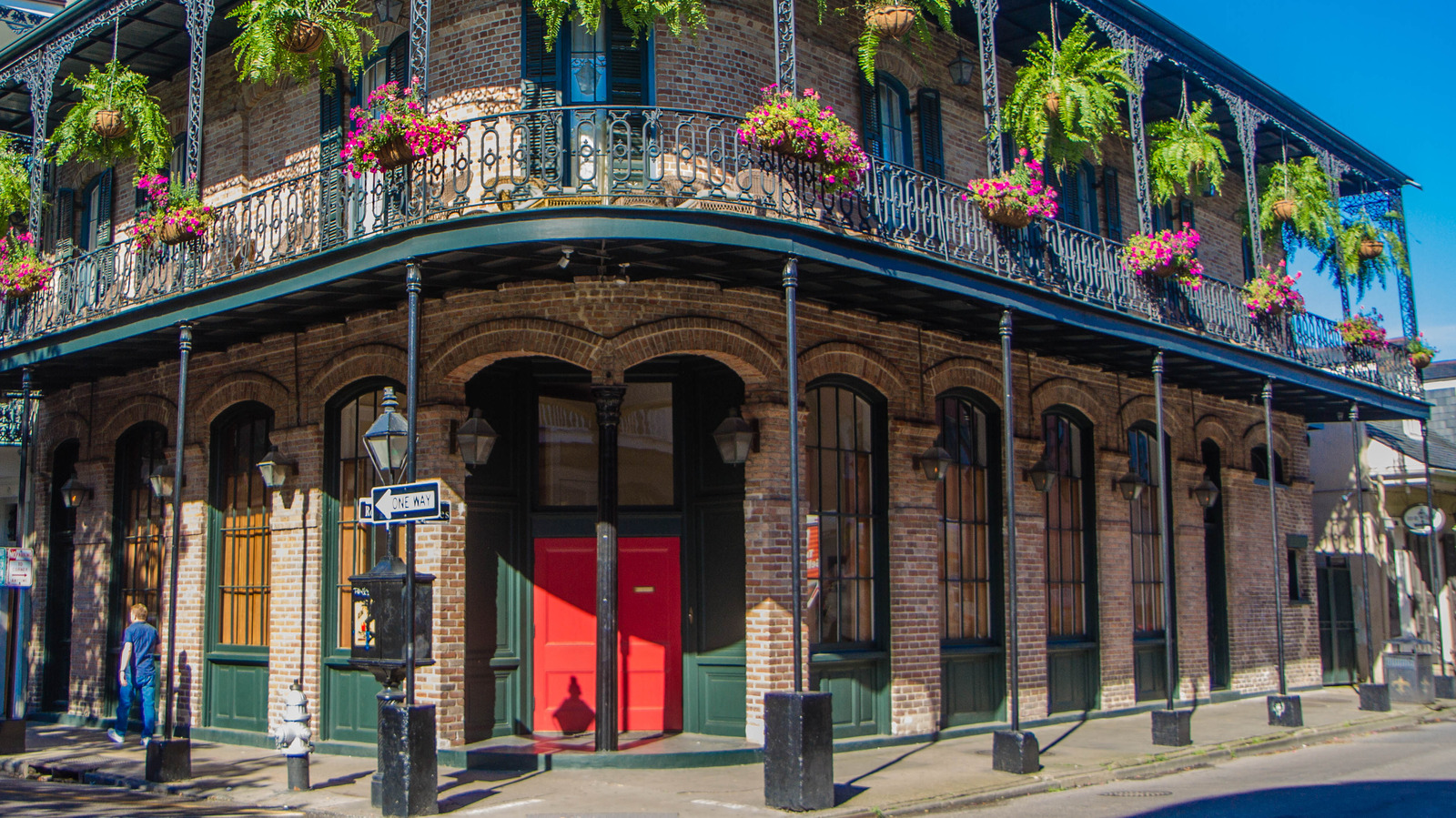
New Orleans boasts an architectural landscape unlike any other in the United States, a beautiful tapestry woven from its French, Spanish, and Creole heritage. The most famous example is the French Quarter, a designated National Historic Landmark, where centuries-old buildings feature intricate wrought-iron balconies, hidden courtyards, and vibrant pastel facades. Walking through its narrow streets feels like stepping back in time, with every building telling a story. Dominating Jackson Square is the majestic St. Louis Cathedral, the oldest continuously active cathedral in the United States, its spires reaching towards the sky as a beacon of history and faith. Beyond the French Quarter, the elegant Garden District offers a contrasting beauty with its grand antebellum mansions and lush, manicured gardens, providing a glimpse into the city’s aristocratic past. These architectural marvels are not just sights to behold; they are living museums that invite exploration and contemplation, making it “easy” to immerse oneself in the city’s rich history and aesthetic beauty. Each district offers a distinct vibe, encouraging leisurely strolls and countless photo opportunities.
Festivals and Celebrations
If there’s one thing New Orleans excels at, it’s celebration. The city’s calendar is perpetually dotted with festivals, parades, and events that embody its joyous, easy-going spirit. Foremost among these is Mardi Gras, a world-renowned carnival that transforms the entire city into a kaleidoscope of colors, music, and merriment. From elaborate parades featuring dazzling floats and costumed krewes to spontaneous street parties, Mardi Gras is the epitome of New Orleans’ festive lifestyle – a time when inhibitions are shed and the pursuit of pleasure reigns supreme. Beyond Mardi Gras, the city hosts the equally famous Jazz Fest (New Orleans Jazz & Heritage Festival), celebrating the city’s musical roots with a diverse lineup of local and international artists. Other events like the French Quarter Festival showcase local music and food, and countless smaller neighborhood festivals fill the gaps in between. These celebrations are an essential part of the tourism experience, offering an “easy” entry point into the city’s vibrant culture, where everyone is invited to participate in the fun. They demonstrate that New Orleans truly knows how to throw a party, reinforcing its reputation as a city where joy is always just around the corner.
Unique Accommodation Options
To truly embrace the “Big Easy” experience, the right accommodation can make all the difference. New Orleans offers a diverse array of lodging options that cater to every taste and budget, making it “easy” for travelers to find their perfect home away from home. For those seeking historical grandeur and luxury travel, iconic establishments like Hotel Monteleone in the French Quarter or The Roosevelt Hotel New Orleans offer opulent suites, exquisite amenities, and a taste of old-world charm. These hotels are often landmarks in themselves, steeped in history and offering a seamless blend of comfort and elegance.
Beyond the grand hotels, visitors can explore charming boutique hotels housed in renovated historic buildings, offering a more intimate and personalized stay. Many of these are found within the French Quarter or the picturesque Garden District, providing easy access to attractions while immersing guests in the local ambiance. For those on a budget or seeking a more authentic local experience, numerous guesthouses, bed & breakfasts, and even vacation rentals offer unique apartments and villas that provide a glimpse into the everyday life of a New Orleanian. Whether you prefer a resort with all the bells and whistles, a quaint historic inn, or a long-term stay in a charming apartment, the accommodation options in New Orleans effortlessly complement its easy-going lifestyle, ensuring that every visitor finds a comfortable and memorable base from which to explore the city’s magic.
In conclusion, “The Big Easy” is far more than just a catchy nickname; it’s a profound descriptor for a city that, despite its complex history and challenges, consistently offers a gentle pace, an open heart, and an unparalleled celebration of life. From its soulful music and tantalizing cuisine to its rich history and welcoming locals, every facet of New Orleans contributes to an atmosphere where relaxation comes naturally and enjoyment is guaranteed. For travelers seeking a destination that invites them to unwind, indulge, and truly live in the moment, New Orleans remains, unequivocally, The Big Easy.
LifeOutOfTheBox is a participant in the Amazon Services LLC Associates Program, an affiliate advertising program designed to provide a means for sites to earn advertising fees by advertising and linking to Amazon.com. Amazon, the Amazon logo, AmazonSupply, and the AmazonSupply logo are trademarks of Amazon.com, Inc. or its affiliates. As an Amazon Associate we earn affiliate commissions from qualifying purchases.