
New Orleans, a city synonymous with vibrant culture, pulsating jazz music, and a culinary scene that tantalizes the senses, holds a charming moniker that hints at its unique geography: The Crescent City. This poetic nickname is not merely a marketing flourish but a direct reflection of the city’s distinctive physical relationship with the mighty Mississippi River, a relationship that has profoundly shaped its history, development, and enduring appeal as a global travel destination.
For centuries, before the advent of modern cartography, the original settlers and inhabitants observed the natural bend of the Mississippi River as it meandered toward the Gulf of Mexico. The city was established and grew around a significant curve in the river, creating a landmass that distinctly resembles a crescent moon. This geographical embrace by one of the world’s most powerful waterways is not just a geological curiosity; it is the fundamental reason behind the city’s beloved nickname and a cornerstone of its identity, influencing everything from urban planning to cultural development.
Understanding why New Orleans is called the Crescent City is to delve into its very soul, exploring the interplay of natural forces, colonial ambitions, and the resilient spirit of its people. It’s a journey into how a specific topographical feature can inspire a moniker that encapsulates the essence of a place, drawing travelers from across the globe to experience its unparalleled charm. From a travel perspective, this unique shape also offers a fascinating way to navigate and explore its diverse neighborhoods and historic landmarks, each telling a piece of the Crescent City story.
The Geographical Genesis of the Crescent City
The tale of New Orleans’ nickname begins with geology and hydrology. The Mississippi River, a colossal artery of North America, carves a serpentine path through the landscape of Louisiana. As it approaches the Gulf of Mexico, it performs a dramatic U-turn, creating a significant arc. It was on the inner curve of this grand bend that the city of New Orleans was strategically founded in 1718 by the French colonist Jean-Baptiste Le Moyne de Bienville.
The river’s curve provided several advantages for a burgeoning settlement. The naturally higher ground along the levee offered some protection from flooding, a constant concern in this low-lying region. More importantly, the bend created a natural harbor and an ideal location for a port, allowing ships to easily dock and turn. This strategic positioning made New Orleans a vital hub for trade and commerce, connecting the vast interior of the United States to the global maritime routes via the Gulf of Mexico.
As the city expanded from its original footprint, primarily the French Quarter, it naturally followed the contours of the river. The earliest neighborhoods fanned out along this crescent-shaped bend, and maps from the 18th and 19th centuries clearly illustrate this distinctive curvature. Even today, a glance at an aerial view or a detailed city map immediately reveals the prominent crescent formed by the Mississippi River and the urban fabric that hugs its banks. This geographical reality ingrained the “crescent” imagery deeply into the city’s identity, becoming an integral part of its self-description and a point of pride for its residents.
From French Colony to American Gem
The foundation of New Orleans by the French was a pivotal moment in the history of North America. Established during the era of intense colonial rivalry, the city was named after Philippe II, Duke of Orléans, then regent of France. Its strategic location at the mouth of the Mississippi River was paramount, offering control over the immense river system that drained much of the continent. This initial colonial phase laid the groundwork for the city’s unique cultural blend, as French influences permeated its language, laws, and architecture.
After a period of Spanish rule from 1763 to 1803, during which many of the iconic buildings in the French Quarter were constructed after devastating fires, the city returned briefly to French control before being sold to the United States as part of the Louisiana Purchase in 1803. This acquisition by the young American republic dramatically altered its trajectory, yet its distinct European charm and Creole heritage remained profoundly intact. The influx of diverse populations—including African slaves, free people of color, Germans, Irish, and Italians—further enriched its cultural tapestry, creating a vibrant society unlike any other in the United States.
The Crescent City’s strategic position made it a melting pot, a place where different cultures converged, clashed, and ultimately coalesced into something entirely new and captivating. This rich historical narrative, intrinsically linked to its geographical layout, continues to draw history buffs and culture enthusiasts. For those planning a trip, exploring the historical evolution of its neighborhoods, from the French Quarter’s Creole roots to the Garden District’s opulent American mansions, offers a profound understanding of New Orleans’ enduring allure.

A Tapestry of Culture and History Woven Along the Bend
The distinctive shape of the Crescent City is not just a geographical marker; it’s a canvas upon which a rich and diverse culture has been painted. This unique urban layout fostered a sense of community and influenced the development of its iconic music, food, and festival traditions, all of which contribute to its status as a premier tourist destination.
Music, Food, and Festivals: The Soul of the Crescent City
New Orleans is globally renowned as the birthplace of jazz, a musical form that encapsulates the city’s fusion of African, European, and American influences. The city’s intimate neighborhoods, nestled along the river’s bend, provided fertile ground for this vibrant music to evolve in the late 19th and early 20th centuries. From the street corners of the French Quarter to the lively clubs on Bourbon Street, the sounds of jazz fill the air, inviting visitors to immerse themselves in a truly unique auditory experience. Beyond jazz, the city’s musical landscape thrives with blues, R&B, and a unique New Orleans funk sound.
The culinary scene of the Crescent City is equally legendary, a delicious blend of Creole and Cajun traditions that reflect its diverse heritage. From hearty gumbos and jambalayas to spicy Creole dishes and delectable beignets, the food is an attraction in itself. Many historic restaurants, some dating back over a century, line the streets of the older districts, offering a taste of history alongside exceptional flavors. Food tours are a popular way for travelers to sample the best of what New Orleans has to offer, from upscale dining to humble but iconic street food.
No discussion of New Orleans culture is complete without mentioning its festivals. Mardi Gras, of course, is the most famous, transforming the entire city into a spectacular celebration of parades, costumes, and music. But throughout the year, numerous other festivals – like the New Orleans Jazz & Heritage Festival, French Quarter Festival, and Voodoo Music + Arts Experience – showcase the city’s irrepressible spirit. These events are not just parties; they are deep expressions of local culture, offering visitors an authentic glimpse into the New Orleans way of life.
Iconic Neighborhoods and Landmarks
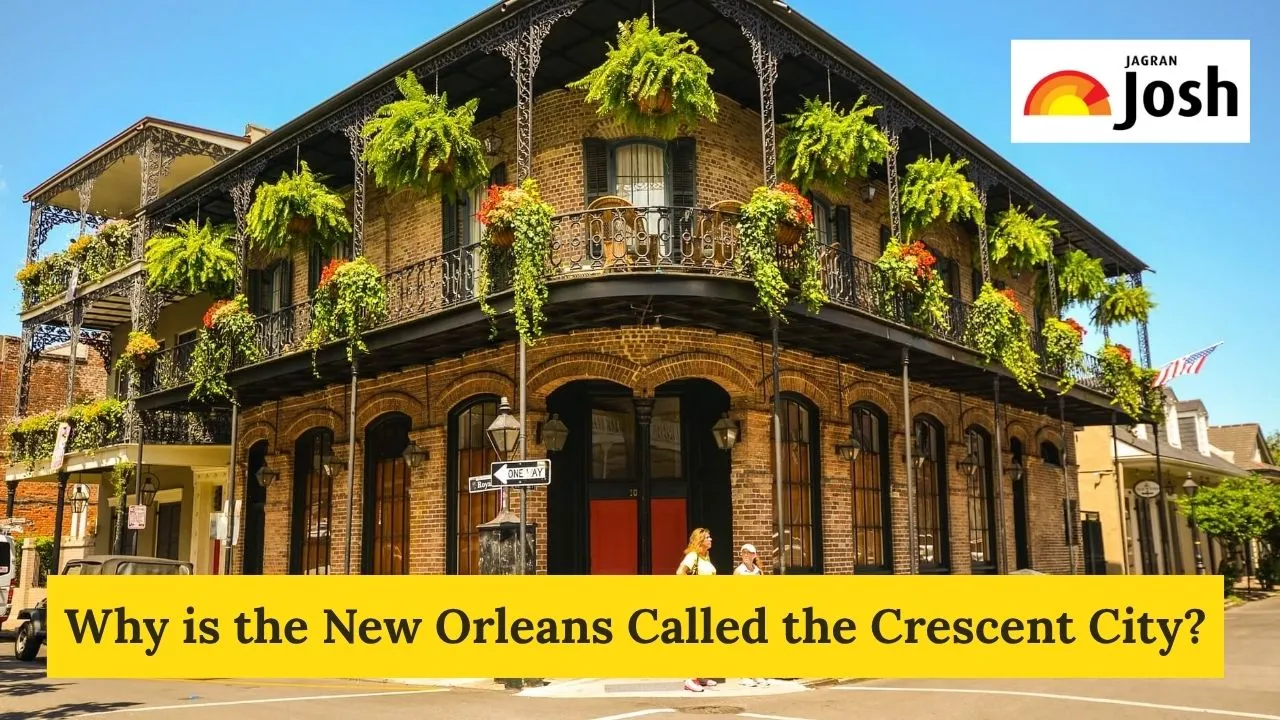
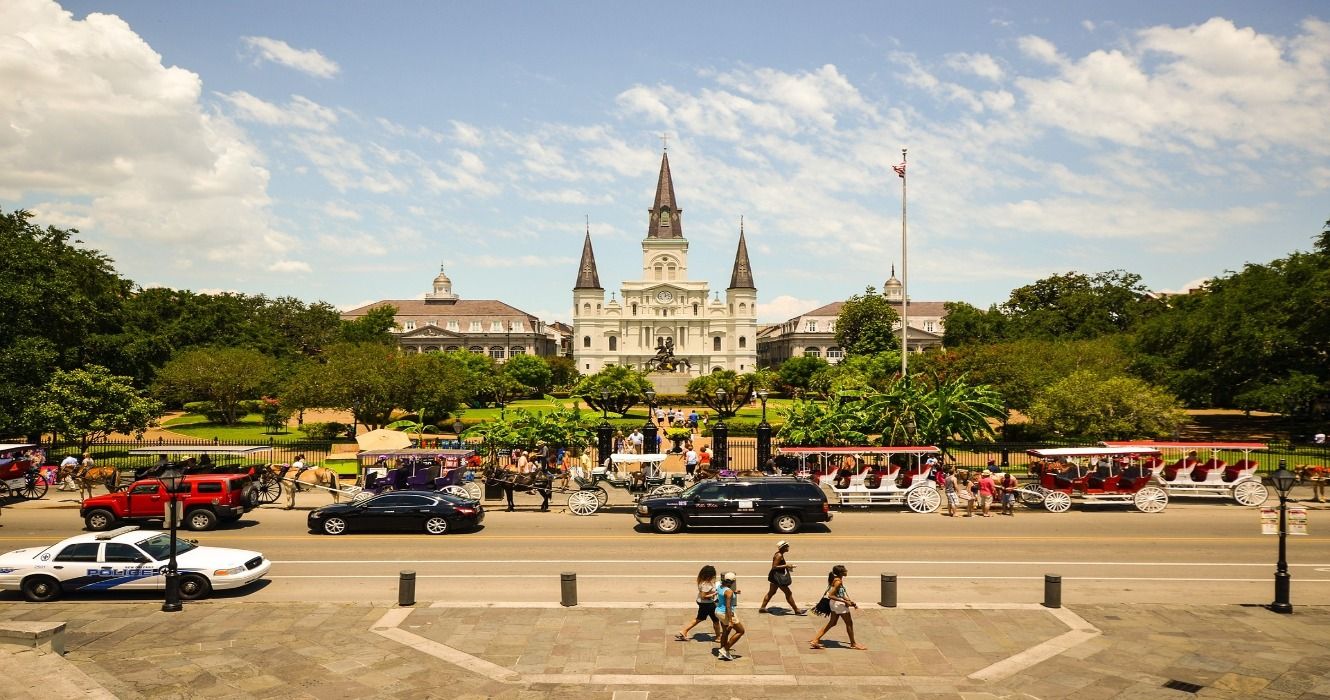
The geographical crescent has given rise to distinct neighborhoods, each with its own character and historical significance. The French Quarter, the oldest and most famous district, sits squarely within the heart of the original bend. Its narrow streets, iron-lace balconies, and historic buildings like St. Louis Cathedral overlooking Jackson Square, are iconic landmarks that immediately transport visitors back in time. This area is a prime example of the unique architecture and urban planning that evolved in response to the river’s curve and the challenges of the terrain.
Beyond the French Quarter, the curve of the river also embraces areas like the elegant Garden District, known for its stately mansions and lush gardens. The juxtaposition of these distinct areas, from the bustling energy of Bourbon Street to the serene beauty of Audubon Park and City Park, contributes to the city’s multifaceted appeal. Exploring these landmarks, often connected by historic streetcar lines that themselves follow the contours of early development, is a vital part of the New Orleans experience.
The riverfront itself is a landmark, with attractions such as the Audubon Aquarium of the Americas and the Woldenberg Park, offering stunning views of the working river and demonstrating the city’s ongoing connection to the waterway that shaped it. A cruise on a steamboat along the Mississippi River provides perhaps the most visceral understanding of why New Orleans is truly the Crescent City, allowing passengers to witness the dramatic bend from the water itself.
Navigating the Crescent City: Travel and Accommodation Insights
For travelers planning a visit, understanding New Orleans’ “Crescent” identity is not just a point of historical interest but a practical guide to exploring its vibrant landscape. The city’s shape influences everything from its unique public transportation systems to the location and style of its accommodations.
Finding Your Perfect Stay
New Orleans offers a diverse range of accommodation options, catering to every budget and travel style. From luxurious hotels in the Central Business District that offer modern amenities and breathtaking skyline views, to charming boutique hotels tucked away in the historic buildings of the French Quarter, the choice is abundant. Many travelers opt for the unique experience of staying in a guesthouse or a bed and breakfast in areas like the Garden District or Faubourg Marigny, where the architecture itself tells a story.
For those seeking a more opulent lifestyle experience, several luxury resorts offer high-end suites, exquisite dining, and spa services, providing a pampered retreat after a day of exploration. Budget-conscious travelers can find excellent value in guesthouses outside the most tourist-heavy areas or consider vacation rentals for a longer-term stay. When booking, it’s wise to consider the proximity to the attractions on your itinerary and the ambiance you desire. Do you want to be in the heart of the action, or prefer a quieter residential feel? The Crescent City’s layout means that many areas are easily accessible, often just a scenic streetcar ride away. Reviews and comparisons across booking platforms are invaluable tools for finding the perfect temporary home in this captivating city.
Experiencing New Orleans Like a Local
To truly experience the Crescent City, it’s often about venturing beyond the most famous tourist attractions. Taking a ride on the iconic streetcars (the St. Charles Avenue Streetcar line is particularly scenic) is not just a mode of transport but an attraction in itself, offering a glimpse into local life while showcasing the city’s architectural grandeur. These lines follow routes established centuries ago, often tracing the very curves that give the city its name.
Embracing local culture means exploring beyond Bourbon Street. Wander through the vibrant shops and cafes of Magazine Street, discover hidden courtyards in the French Quarter, or catch live music at lesser-known venues in the Marigny or Bywater neighborhoods. Joining a local cooking class to learn the secrets of Creole and Cajun cuisine, or taking a swamp tour to explore the bayous just outside the city, are authentic experiences that reveal the depth of New Orleans’ unique environment and traditions. For families, attractions like the Audubon Zoo and the Louisiana Children’s Museum offer engaging activities.
When it comes to tourism tips, always be open to spontaneity. New Orleans is a city that thrives on impromptu celebrations and chance encounters. Engage with locals, sample food from various street vendors, and allow yourself to get lost in the enchantment of its streets. Whether you’re seeking a luxury travel experience or exploring on a budget, the Crescent City’s diverse offerings ensure a memorable trip for every kind of traveler. Its unique geographical shape remains a constant, silent guide to its history, its character, and its irresistible charm.
The nickname “Crescent City” for New Orleans is more than just a label; it is a profound descriptor that encapsulates the very essence of this extraordinary destination. It speaks to the geographical reality of the Mississippi River’s grand bend, which cradled its birth and guided its growth. It evokes the rich layers of history that have unfolded along its curved banks, from French colonial dreams to a vibrant American metropolis. And it hints at the unique cultural tapestry—of music, food, and festivals—that has blossomed in this distinctive urban embrace. For any traveler, the allure of New Orleans lies not just in its famous landmarks or its lively celebrations, but in the deeper understanding that all these elements are intertwined with, and defined by, its identity as the one and only Crescent City.
LifeOutOfTheBox is a participant in the Amazon Services LLC Associates Program, an affiliate advertising program designed to provide a means for sites to earn advertising fees by advertising and linking to Amazon.com. Amazon, the Amazon logo, AmazonSupply, and the AmazonSupply logo are trademarks of Amazon.com, Inc. or its affiliates. As an Amazon Associate we earn affiliate commissions from qualifying purchases.