
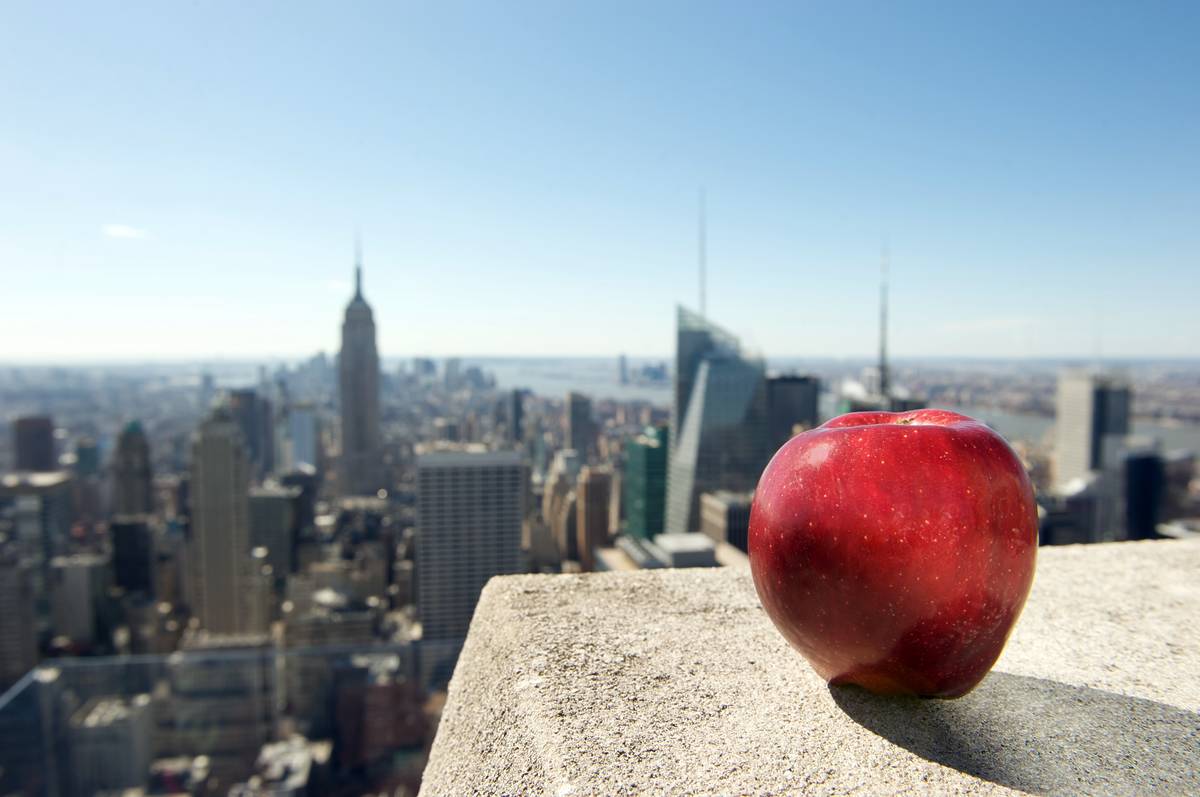
The moniker “Big Apple” is arguably one of the most iconic nicknames in the world, synonymous with the vibrant energy and ceaseless allure of New York City. While it evokes images of towering skyscrapers, bustling streets, and a cultural melting pot, the origin of this famous nickname is far less obvious and has a fascinating history rooted in the city’s early development and its emergence as a major hub. The story of how New York City became the “Big Apple” is a testament to how language, culture, and even economic forces can shape the identity of a place.
The Early Seeds of a Nickname
The term “apple” itself has long held symbolic meanings, representing abundance, temptation, and knowledge. However, its specific application to New York City began to take root in the early 20th century, gaining momentum through various channels that amplified its usage until it became indelibly linked to the metropolis.
The Racing Connection
One of the earliest and most significant proponents of the “Big Apple” nickname was John J. Fitz Gerald, a sports writer for the New York Morning Telegraph. Fitz Gerald covered horse racing, and it is believed that he first heard the term used by African-American stable hands in New Orleans. They referred to the racetracks in and around New York City as “the big apple,” implying it was the ultimate prize, the most lucrative and prestigious place to race.
Fitz Gerald began using the term in his columns, often prefacing it with phrases like “the big apple” or “up in the big apple,” thereby popularizing it within the racing community and beyond. He explained his usage in a 1924 column: “The Big Apple. The dream of every lad that ever threw a leg over a thoroughbred and dreams of making a clean getaway in the home stretch. New York City – that’s where the big dough is and all reporters on the racing forms know that all the racing forms are turned out in New York. The boys out on the roading circuits call New York City the ‘Big Apple’.” This direct explanation from the man who popularized the term solidified its connection to the city’s racing scene as a place of great opportunity and high stakes.
The Jazz Era Embrace
As the 1920s progressed, the “Big Apple” nickname began to transcend the world of horse racing and found a new life within the vibrant New York City jazz scene. Jazz musicians, known for their innovative slang and cultural expressions, adopted the term to describe New York City as the premier destination for performers. Playing in New York City was considered the pinnacle of a musician’s career, the place where they could achieve fame and fortune.
The renowned jazz musician and bandleader Duke Ellington, in particular, played a role in further popularizing the term through his 1930s song “The Big Apple.” This song, along with its widespread performance in jazz clubs across the country, cemented the nickname in the public consciousness as a symbol of the exciting and glamorous nightlife of New York City. The term resonated with the idea of a city that offered the sweetest rewards, a place where dreams could indeed ripen and be plucked.
The Revival and Official Recognition
Despite its growing popularity in the early to mid-20th century, the “Big Apple” nickname began to fade somewhat from common usage by the 1960s. However, a concerted effort by tourism officials in the 1970s would resurrect the term and elevate it to its current iconic status.

The Tourism Campaign
In the early 1970s, New York City was facing significant challenges, including rising crime rates and a perception of urban decay. To combat this negative image and attract more tourists, the New York Convention and Visitors Bureau launched a major promotional campaign. Charles Gillett, the president of the bureau at the time, recognized the potential of the “Big Apple” nickname as a positive and appealing image for the city.
The campaign, which featured bright red apples as its logo, aimed to rebrand New York City as an exciting, vibrant, and desirable destination. The strategy was to associate the city with freshness, vitality, and the sweet rewards of a visit. The campaign was remarkably successful, effectively reviving the “Big Apple” nickname and imbuing it with a new sense of optimism and appeal for a new generation of travelers. The visual imagery of the red apple became instantly recognizable and synonymous with the promise of a fantastic New York City experience.
Symbolic Meanings and Enduring Appeal
The enduring appeal of the “Big Apple” nickname lies in its multifaceted symbolism. Beyond its historical roots, the term evokes a sense of abundance and opportunity, reflecting the city’s status as a global center for finance, culture, fashion, and innovation. It suggests a place where one can find the “biggest and best” of everything, from world-class dining to unparalleled entertainment.
Furthermore, the simplicity and memorability of “Big Apple” make it an instantly recognizable and endearing identifier for New York City. It’s a nickname that is both playful and powerful, capturing the essence of a city that is constantly reinventing itself while remaining true to its core spirit. The phrase has become more than just a nickname; it’s a brand, a sentiment, and an integral part of the global identity of New York City.
The Legacy of a Nickname
The journey of the “Big Apple” from a niche term in the racing world to a globally recognized symbol of New York City is a fascinating case study in how language and culture intertwine to create lasting legacies. The nickname’s evolution reflects the changing landscape of the city itself, from its early days as a burgeoning metropolis to its present status as a world-leading urban center.
From Sports Pages to Global Icon
The transformation of “Big Apple” illustrates the power of repeated association and the influence of cultural movements. John J. Fitz Gerald’s journalistic efforts, coupled with the embrace of the term by jazz musicians, laid the groundwork for its widespread adoption. The 1970s tourism campaign then masterfully leveraged this existing, albeit somewhat dormant, association, breathing new life into the nickname and cementing it as the official and universally understood moniker for New York City. This deliberate rebranding effort demonstrates how a catchy and evocative phrase can significantly shape public perception and bolster a city’s image on an international stage.
Modern Day “Big Apple” Experiences
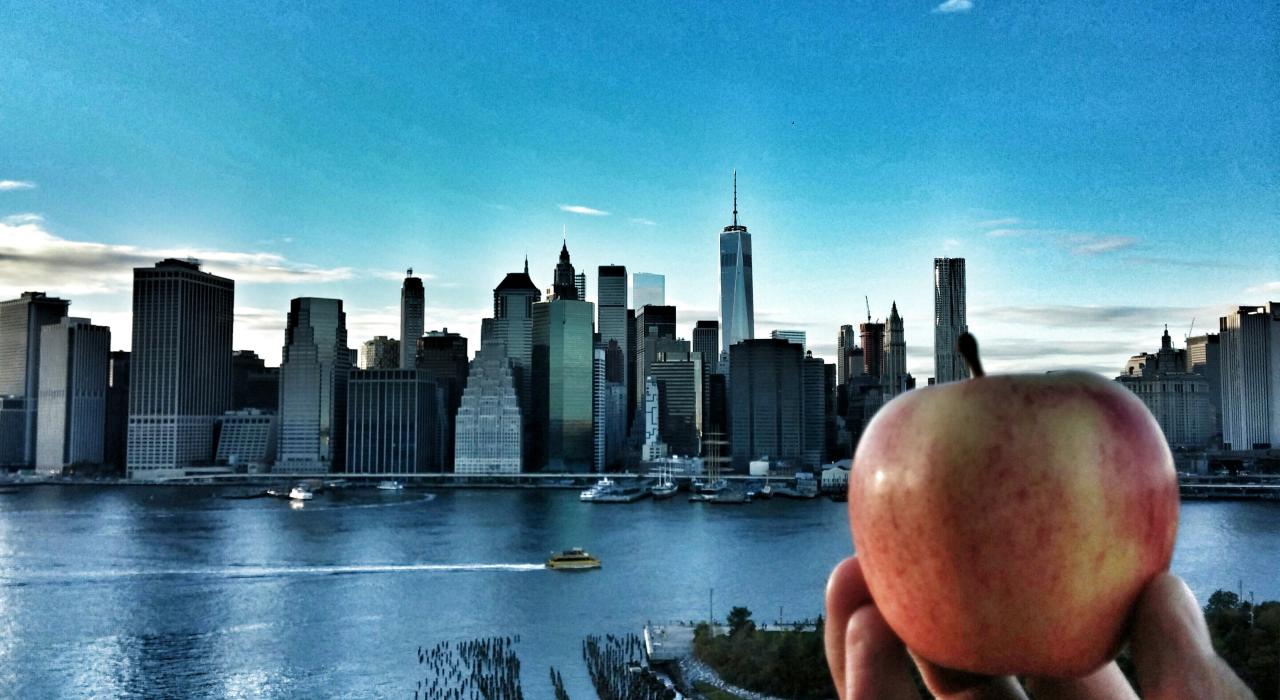
Today, the “Big Apple” is not just a name; it’s an invitation to experience the vibrant tapestry of New York City. Visitors from around the globe are drawn to its iconic landmarks like the Empire State Building and Times Square, its world-class museums such as the Metropolitan Museum of Art, and its diverse neighborhoods, each offering a unique slice of life. From catching a show on Broadway to exploring the tranquil expanse of Central Park, the city lives up to its promise of offering abundant and diverse experiences.
The nickname continues to inspire and resonate, encouraging exploration and discovery within the city’s five boroughs: Manhattan, Brooklyn, Queens, the Bronx, and Staten Island. Whether one is seeking a luxurious stay at a prominent hotel like the Plaza Hotel, a budget-friendly adventure, or a deep dive into local culture and cuisine, New York City truly offers a “big apple” of opportunities for every visitor. The legacy of the “Big Apple” is a testament to the power of a simple, yet profound, nickname to capture the spirit and essence of one of the world’s most dynamic cities.
LifeOutOfTheBox is a participant in the Amazon Services LLC Associates Program, an affiliate advertising program designed to provide a means for sites to earn advertising fees by advertising and linking to Amazon.com. Amazon, the Amazon logo, AmazonSupply, and the AmazonSupply logo are trademarks of Amazon.com, Inc. or its affiliates. As an Amazon Associate we earn affiliate commissions from qualifying purchases.