
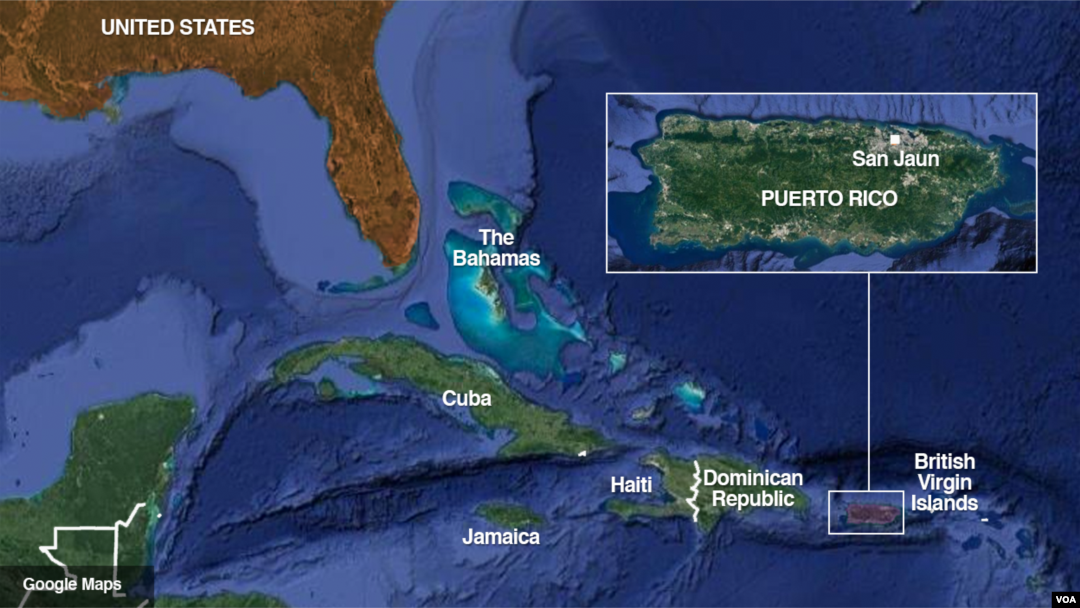
Nestled in the heart of the Caribbean, the vibrant island of Puerto Rico captivates visitors with its sun-drenched beaches, lush rainforests, and a rich tapestry of culture. For many travelers from the United States, a journey to this tropical paradise feels uniquely familiar yet wonderfully exotic. There’s no need for a passport, the currency is the U.S. Dollar, and English is widely spoken alongside Spanish. Yet, Puerto Rico is not a state, nor is it an independent nation. It exists in a distinctive political limbo, officially designated as an unincorporated territory of the United States. This unique status profoundly shapes its identity, its economy, and indeed, the very experience of traveling to and within this captivating destination. Understanding “why” Puerto Rico is a territory unravels centuries of history, political evolution, and cultural fusion, offering a deeper appreciation for this island jewel. From the perspective of travel and tourism, this status brings a blend of seamless convenience and intriguing cultural divergence, making it an unparalleled destination for those seeking both familiarity and adventure. Whether you’re planning a luxurious resort getaway, an immersive cultural experience, or an adventurous exploration of its natural wonders, delving into Puerto Rico’s territorial story adds a rich layer to your travel guide.

A Journey Through History: How Puerto Rico Became a U.S. Territory
The story of Puerto Rico’s territorial status is a complex narrative rooted in global power shifts and colonial legacies. Its current relationship with the United States is not a recent development but the culmination of centuries of historical events, beginning long before the American flag first flew over its shores. This historical backdrop is crucial for anyone looking to truly understand the island’s unique blend of cultures, its political landscape, and the resilient spirit of its people, which in turn enriches any tourist’s experience.
From Spanish Colonial Rule to American Acquisition
The island now known as Puerto Rico was originally inhabited by the Taíno people, who called it Borikén. Its modern history began in 1493 when Christopher Columbus claimed it for Spain during his second voyage to the Americas. For over 400 years, Puerto Rico remained a Spanish colony, developing a vibrant Hispanic culture, language, and traditions that endure to this day. During this lengthy period, the island served as a strategic military outpost for the Spanish Empire, protecting its trade routes and territorial claims in the Caribbean. This colonial heritage is still vividly present in the architecture of Old San Juan, with its cobblestone streets, colorful colonial buildings, and formidable fortifications like El Morro and San Cristobal Castle, which are now major tourist attractions.
However, the tides of global power began to shift dramatically towards the end of the 19th century. Spain’s once-mighty empire was in decline, and the United States was emerging as a new global force. This clash of empires culminated in the Spanish-American War of 1898. Though brief, the war had profound and lasting consequences for Puerto Rico. Following the decisive defeat of Spain, the Treaty of Paris, signed in Paris, France, officially transferred sovereignty over Puerto Rico, Cuba, and Guam from Spain to the United States. Cuba gained its independence shortly after, but Puerto Rico and Guam became unincorporated territories, subject to the authority of the U.S. Congress. This acquisition marked the beginning of Puerto Rico’s enduring relationship with the United States, transforming its political destiny and intertwining its future with that of the American mainland. For travelers, understanding this historical pivot point helps explain the blend of Spanish colonial charm and subtle American influences found across the island, from its legal system to its infrastructure.
Evolving Relationship: The Jones-Shafroth Act and Commonwealth Status
The transition from a Spanish colony to a U.S. territory was not a simple, static event; it was a dynamic process characterized by evolving legislation and a continuous debate over Puerto Rico’s ultimate status. Immediately after the acquisition, the Foraker Act of 1900 established a civilian government in Puerto Rico, but crucially defined it as an unincorporated territory, meaning that the full protections of the U.S. Constitution did not automatically apply to its residents. This early period was marked by significant Americanization efforts, particularly in education and governance, which laid some foundational elements for future integration.
A pivotal moment arrived in 1917 with the passage of the Jones-Shafroth Act. This landmark legislation granted U.S. citizenship to all Puerto Ricans, allowing them to travel freely to the mainland, serve in the U.S. armed forces, and enjoy some federal protections. However, it did not grant them full voting representation in the U.S. Congress, nor did it allow them to vote in presidential elections while residing on the island. This act solidified Puerto Rico’s unique position: its residents are U.S. citizens, yet they lack the full political rights of state residents. This dichotomy is a core aspect of its territorial status.
Further political evolution occurred in 1952 when Puerto Rico adopted its own constitution and established itself as the Commonwealth of Puerto Rico (Estado Libre Asociado in Spanish). This change granted the island significant self-governing authority over its internal affairs, including its own executive, legislative, and judicial branches. While its relationship with the United States remains subject to the ultimate authority of the U.S. Congress, the commonwealth status provided Puerto Ricans with a greater degree of autonomy than other U.S. territories like the U.S. Virgin Islands or American Samoa. This framework means that while federal laws apply, Puerto Rico can also develop its own laws and policies, especially concerning taxation and certain social services, which directly impacts its economic landscape and lifestyle offerings. For tourists, this translates to a destination that feels both American and distinctly Puerto Rican, offering a unique blend of infrastructural reliability and vibrant local character.
The Unique Implications of Territorial Status for Travelers and Tourists
For those planning a trip, the political status of Puerto Rico is far from a mere historical footnote. It has tangible and often beneficial implications for the travel experience, seamlessly blending convenience with an exotic getaway. This blend makes Puerto Rico an incredibly appealing destination for a wide range of travelers, from families seeking accessible adventure to luxury travelers looking for a unique Caribbean escape without the usual international travel hurdles.
Seamless Travel and Familiar Conveniences
One of the most significant advantages of Puerto Rico’s territorial status for U.S. citizens is the unparalleled ease of travel. Unlike most international destinations, a passport is not required for U.S. citizens traveling to Puerto Rico directly from the mainland. A valid government-issued ID, such as a driver’s license, is all that’s needed, simplifying the travel process and making it as straightforward as domestic air travel. This eliminates the often-stressful requirements of international customs and immigration, allowing visitors to start their vacation almost immediately upon arrival. This convenience is a major draw for many, particularly those new to international travel or families looking for a hassle-free trip.
Beyond immigration, the use of the U.S. Dollar as the official currency further streamlines transactions and budgeting. There’s no need to exchange currency, calculate conversion rates, or worry about fluctuating foreign exchange markets. Credit and debit cards are widely accepted, just as they are on the mainland, and ATMs are readily available. Federal protections for consumers and businesses also apply, providing a familiar sense of security and reliability for everything from hotel bookings to tour operators. The infrastructure, while having its own unique Puerto Rican flair, benefits from U.S. standards, particularly in areas like telecommunications, road networks, and air travel, with major U.S. airlines offering frequent flights to Luis Muñoz Marín International Airport in San Juan. This combination of simplified travel logistics, familiar currency, and reliable infrastructure makes Puerto Rico an exceptionally accessible and comfortable Caribbean destination.
A Blend of Cultures: American Efficiency Meets Caribbean Charm
The territorial status has fostered a captivating cultural blend that is unique to Puerto Rico. While the island proudly retains its rich Spanish and Taíno heritage, centuries of American influence have added distinct layers to its identity. This cultural fusion is evident everywhere, from the bilingual nature of its society – where Spanish is the dominant language, but English is widely understood and spoken, especially in tourist areas – to its culinary traditions, music, and social customs. Visitors can experience the vibrant, passionate spirit of Latin America alongside the organizational efficiency and familiar brand names of the United States.
This unique blend offers a truly enriched travel experience. You can savor traditional mofongo or lechón asado at a local fonda while simultaneously having access to world-class hotels and resorts that adhere to international standards of service and luxury. The vibrant nightlife of San Juan echoes both Caribbean rhythms and American pop culture. Landmarks like the historic fortifications of Old San Juan stand as a testament to Spanish colonial power, while modern shopping malls and entertainment venues reflect contemporary American consumerism. This cultural dynamism is not merely superficial; it permeates the local lifestyle, creating a welcoming and intriguing environment for visitors who can delve into deep cultural traditions without feeling completely out of their element. Whether it’s attending a vibrant fiesta or enjoying the amenities of a five-star hotel, the fusion of influences ensures that every aspect of your trip to Puerto Rico will be both exotic and comfortably familiar.

Navigating Puerto Rico’s Diverse Offerings: Beyond the Political Status
While its political status provides a framework for understanding Puerto Rico, the island’s true allure lies in its incredible diversity of attractions, accommodations, and lifestyle experiences. The “why” of its territorial status merely enhances the accessibility and familiarity, allowing travelers to focus on the myriad of adventures that await. From ancient forts to modern art, bustling cityscapes to serene beaches, Puerto Rico promises an unforgettable journey tailored to every type of explorer.
Iconic Landmarks and Natural Wonders
Puerto Rico is a treasure trove of landmarks and natural beauty, each offering a distinct experience. The cobblestone streets and colorful colonial architecture of Old San Juan are a UNESCO World Heritage site and an absolute must-visit. Here, history comes alive as you explore centuries-old fortresses like El Morro, a testament to Spanish engineering, and stroll along the historic city walls. The city’s charm extends to its vibrant plazas, boutique shops, and delicious eateries, making it a perfect destination for cultural tourism and leisurely exploration.
Beyond the urban charm, Puerto Rico boasts incredible natural wonders. El Yunque National Forest, the only tropical rainforest in the U.S. National Forest System, invites adventurers to hike its verdant trails, discover hidden waterfalls, and marvel at its unique biodiversity. The calls of the coquí frog provide a constant, enchanting soundtrack. For an experience unlike any other, the island is home to three of the world’s five bioluminescent bays – Mosquito Bay in Vieques being the brightest. Kayaking through these glowing waters at night is a magical, unforgettable activity that connects visitors directly with the island’s ecological marvels. Surfing enthusiasts flock to the western coast, particularly Rincón, renowned for its world-class waves and stunning sunsets. For those seeking relaxation, pristine beaches like Flamenco Beach on Culebra consistently rank among the world’s best, offering soft white sands and crystal-clear turquoise waters perfect for swimming, snorkeling, and sunbathing.
Accommodation and Lifestyle Choices
The accommodation landscape in Puerto Rico is as diverse as its geography, catering to every budget and travel style. In San Juan and its upscale neighborhoods like Condado and Isla Verde, luxury resorts offer world-class amenities, including casinos, spas, and gourmet dining. Properties like El San Juan Hotel or the Caribe Hilton provide an opulent stay with direct beach access and sophisticated service, ideal for those seeking a pampered experience. Boutique hotels in Old San Juan, housed in beautifully restored colonial buildings, offer a more intimate and culturally immersive experience, often combining historical charm with modern comforts.
For budget-conscious travelers or those seeking a more local vibe, there are numerous guesthouses, vacation rentals, and smaller hotels scattered across the island. Websites for booking accommodation make it easy to compare options, read reviews, and find the perfect spot, whether it’s a cozy apartment in Cabo Rojo or a quaint villa in the mountains. The island also caters to various lifestyles: families can enjoy kid-friendly resorts with pools and supervised activities, while adventure seekers might opt for eco-lodges near El Yunque or surf camps in Rincón. The ease of booking and the range of options ensure that every traveler can find their ideal home away from home, enhancing the overall travel experience.
Culinary Adventures and Vibrant Culture
Puerto Rican cuisine is a delicious fusion of Spanish, African, and Taíno influences, making it a highlight for any visitor. Staple dishes like mofongo (fried plantains mashed with garlic and pork cracklings), lechón asado (slow-roasted pork), and arroz con gandules (rice with pigeon peas) are flavorful and deeply satisfying. Food tours in Old San Juan offer an excellent way to sample local delicacies and learn about the island’s culinary history. Fresh seafood is abundant, particularly in coastal towns, and the island’s rum distilleries, such as Casa Bacardi, provide fascinating tours and tastings.
The culture of Puerto Rico is incredibly vibrant and welcoming, filled with music, dance, and festive celebrations. Salsa music is the heartbeat of the island, and visitors can find opportunities to learn or dance at local clubs and plazas. Numerous festivals throughout the year, such as the San Sebastián Street Festival in San Juan or the Coffee and Plantain Festival in Las Marías, offer authentic glimpses into Puerto Rican traditions and provide lively entertainment. From the art galleries of Santurce to the traditional artisan markets, there’s always an opportunity to engage with the local culture and bring home a piece of its artistic spirit. The warmth and hospitality of the Puerto Rican people further enhance these experiences, making visitors feel less like tourists and more like cherished guests.
The Future of Puerto Rico’s Status: Debates and Aspirations
The question of Puerto Rico’s political future is a constant and passionate topic of discussion on the island, deeply intertwined with its identity and economic aspirations. While visitors primarily experience the convenience and cultural richness that current status offers, understanding the ongoing debate provides deeper context to the island’s dynamics and the resilience of its people. The three main options for Puerto Rico’s future are statehood, independence, or an enhanced commonwealth status, each with its own set of arguments and implications.
Statehood, Independence, or Enhanced Commonwealth
Statehood: Proponents of statehood argue that full integration into the United States would grant Puerto Ricans equal rights and representation, including voting rights in presidential elections and full voting members in the U.S. Congress. They believe it would bring greater economic stability through increased federal funding, access to more federal programs, and the removal of the uncertainty that deters some investors. For tourism, statehood might further streamline travel logistics and could potentially attract even more investment in hospitality infrastructure, though some fear it could dilute the island’s distinct cultural identity.
Independence: Advocates for independence envision Puerto Rico as a sovereign nation, free to forge its own path on the global stage, control its own foreign policy, and develop an economy entirely tailored to its unique needs. This option appeals to those who prioritize national self-determination and cultural preservation, arguing that the island’s identity is best nurtured outside of the U.S. framework. While independence would introduce new complexities for U.S. travelers (such as passport requirements and currency exchange), it could also open doors for Puerto Rico to cultivate distinct international tourism markets and cultural exchange programs.
Enhanced Commonwealth: A third group supports maintaining a commonwealth status but with significant enhancements to grant Puerto Rico greater autonomy and a more equitable relationship with the United States. This could involve greater control over trade, a fairer distribution of federal funds, and a resolution to the democratic deficit. The appeal of an enhanced commonwealth lies in preserving the cultural ties to Latin America while retaining the benefits of U.S. citizenship and economic connections. For tourism, this path would likely maintain the current ease of travel for U.S. citizens while potentially fostering policies that further support the local tourism industry and cultural preservation efforts.
Referendums on status have been held periodically, reflecting the ongoing debate and the deeply held convictions of the Puerto Rican people. The outcome of this debate will undoubtedly shape the island’s future, influencing everything from its economic development to its cultural expression. Regardless of the political outcome, Puerto Rico’s inherent charm, natural beauty, and vibrant spirit are sure to endure, continuing to make it a magnetic destination for travelers worldwide.
In conclusion, Puerto Rico’s status as an unincorporated territory of the United States is a deeply historical and politically charged reality that defines much of its modern existence. For the eager traveler, this status translates into a unique blend of effortless access and a profoundly enriching cultural experience. It allows U.S. citizens to explore a foreign-feeling paradise without a passport, using familiar currency, and benefiting from reliable infrastructure, while simultaneously immersing themselves in a distinctly Caribbean and Latin American heritage. From the historic fortifications of Old San Juan to the bioluminescent wonders of its bays, from its vibrant culinary scene to its diverse accommodation options, Puerto Rico offers an unparalleled travel adventure. Understanding “why” it holds this unique position not only enriches your journey but also deepens your appreciation for the resilience, beauty, and complex identity of this extraordinary island. So pack your bags, leave your passport at home, and prepare to discover the enchanting layers of Puerto Rico, a territory that offers the best of many worlds.