
Puerto Rico, often called the “Island of Enchantment,” beckons travelers with its sun-drenched beaches, vibrant culture, and rich history. From the bustling streets of Old San Juan to the lush rainforests of El Yunque National Forest and the magical glow of its Bioluminescent Bays, it offers a diverse range of travel experiences for every kind of adventurer. Yet, beneath its postcard-perfect surface lies a complex political reality that sets it apart from other United States destinations: Puerto Rico is not a state.
This question—why Puerto Rico remains a U.S. territory rather than the 51st state—is a pivotal one, not just for its residents but also for anyone seeking to understand the island’s unique identity and its relationship with the mainland. For prospective visitors planning their accommodation and exploring tourism options, understanding this status provides crucial context to the island’s infrastructure, economy, and the daily lives of its people. The debate over statehood, independence, or an enhanced commonwealth status has been ongoing for decades, touching upon intricate historical, economic, and cultural dimensions that make Puerto Rico’s situation truly distinctive.

A Legacy of History and Political Evolution
To grasp why Puerto Rico is not a state today, we must journey back through its storied past. Its political status is deeply rooted in events that unfolded centuries ago, shaping an identity that is both American and distinctly Puerto Rican.
From Colony to Commonwealth: A Shifting Allegiance
The island, originally inhabited by the Taíno people, was claimed by Christopher Columbus for Spain in 1493, beginning over 400 years of Spanish colonial rule. This era profoundly influenced the island’s language, religion, and local culture, creating a vibrant Hispanic heritage that endures to this day. Spanish influence is palpable in its historic architecture, traditional food, and lively music, all contributing to Puerto Rico’s allure as a travel destination.
The most significant shift in Puerto Rico’s political trajectory occurred in 1898 with the Spanish-American War. As a result of this conflict, Spain ceded Puerto Rico to the United States under the Treaty of Paris. This transition marked the end of one colonial chapter and the beginning of another, albeit under a different sovereign. Initially governed militarily, Puerto Rico gradually gained more civilian control. The Foraker Act of 1900 established a civilian government and classified Puerto Rico as an unincorporated territory. Later, the Jones-Shafroth Act of 1917 granted U.S. citizenship to Puerto Ricans, allowing them to serve in the U.S. military but without full voting rights in federal elections if residing on the island.
In 1952, Puerto Rico adopted its own constitution, establishing itself as a Commonwealth of the United States. This status grants the island a significant degree of self-governance, including its own elected governor and legislative assembly. However, crucial federal matters like defense, foreign policy, and interstate trade remain under the purview of the U.S. federal government. This “commonwealth” designation, while providing autonomy, also means Puerto Rico lacks full representation in the U.S. Congress and its residents cannot vote in presidential elections, even though they are U.S. citizens. This intricate arrangement forms the bedrock of the ongoing debate about its ultimate political destiny.
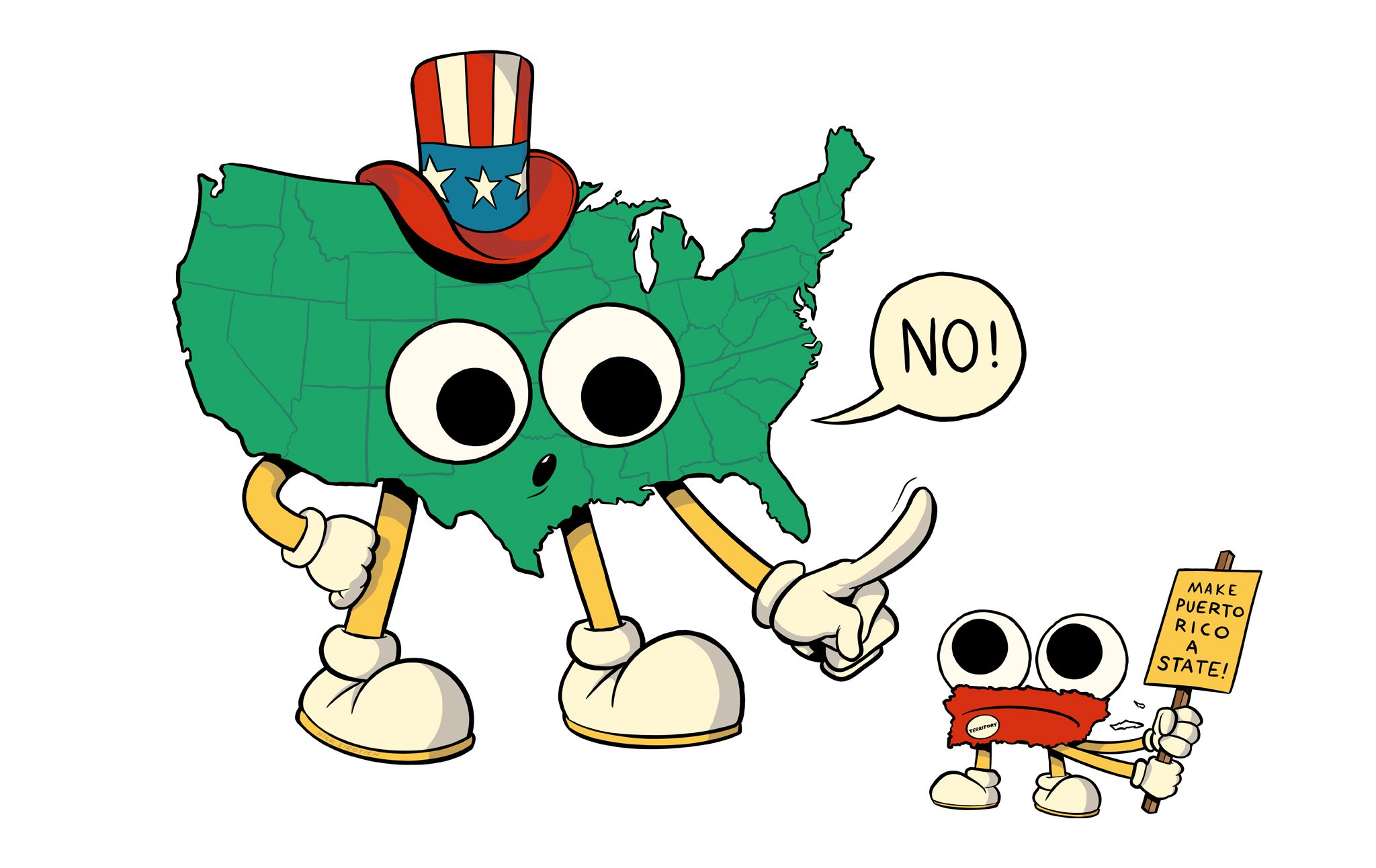
The Statehood Debate: Arguments for and Against
The question of statehood is not new; it has been a central theme in Puerto Rico’s political discourse for decades, resulting in multiple referendums where citizens have voiced their preferences. The debate is multifaceted, involving passionate arguments from all sides.
The Case for Statehood: Equality and Stability
Advocates for statehood argue that it would grant Puerto Ricans full equality as U.S. citizens. This would mean full voting representation in the U.S. Congress (two senators and several representatives), the right to vote for president, and equal access to federal funding and programs. Proponents believe statehood would bring much-needed economic stability by attracting more investment, stimulating job growth, and improving infrastructure, particularly crucial for a destination reliant on tourism and modern accommodation options. For example, consistent federal funding could enhance roads leading to popular landmarks like El Morro or support the development of sustainable tourism activities in areas like Vieques or Culebra.
Furthermore, statehood would provide a clearer path for disaster relief and recovery, a critical concern given Puerto Rico’s vulnerability to hurricanes. The experience following Hurricanes Irma and Maria highlighted the challenges faced by a territory without the full political clout of a state. Many also argue that statehood would resolve the current “second-class citizenship” status, affirming the democratic principle that those governed should have full representation.
The Concerns Against Statehood: Identity and Economic Burden
Opponents of statehood voice concerns rooted in cultural identity, economic impact, and political implications. A significant fear is the potential erosion of Puerto Rico’s distinct cultural identity, particularly the Spanish language, which is widely spoken. While statehood proponents argue that states like Hawaii have maintained their unique cultures, many Puerto Ricans fear assimilation into the broader American mainstream, potentially diminishing their vibrant heritage that draws so many international travelers. The island’s unique blend of Taino, Spanish, and African influences is a major component of its appeal for those seeking authentic local culture.
Economically, some worry that statehood would strip Puerto Rico of certain tax exemptions and incentives it currently enjoys, potentially harming its already fragile economy. The transition could lead to higher federal taxes without immediate, corresponding economic benefits, a burden that some believe the island cannot currently bear. Moreover, the existing economic disparities between Puerto Rico and the mainland U.S. mean that incorporating a relatively poorer territory could pose financial challenges for the federal government.
Politically, there’s apprehension about how two new senators and several representatives would impact the balance of power in the U.S. Congress. This factor, while less about Puerto Rico’s internal desires, plays a significant role in the federal government’s willingness to grant statehood.
Other Options: Independence and Enhanced Commonwealth
Beyond statehood, other options are frequently discussed. Independence would mean Puerto Rico becomes a fully sovereign nation, responsible for its own defense, foreign policy, and economy. While appealing to those who champion complete self-determination and the preservation of national identity, concerns exist about economic viability without U.S. support and the potential loss of U.S. citizenship for residents. This option would undoubtedly redefine the island’s relationship with global tourism and its capacity to attract major hotel brands.
An enhanced commonwealth status, sometimes referred to as “free association,” seeks to expand Puerto Rico’s autonomy while maintaining a voluntary association with the United States. The specifics of such an arrangement are often debated but generally aim to grant more powers to the island while retaining certain benefits of the U.S. relationship. Each of these options carries its own set of advantages and disadvantages, making the path forward incredibly complex and highly contentious.
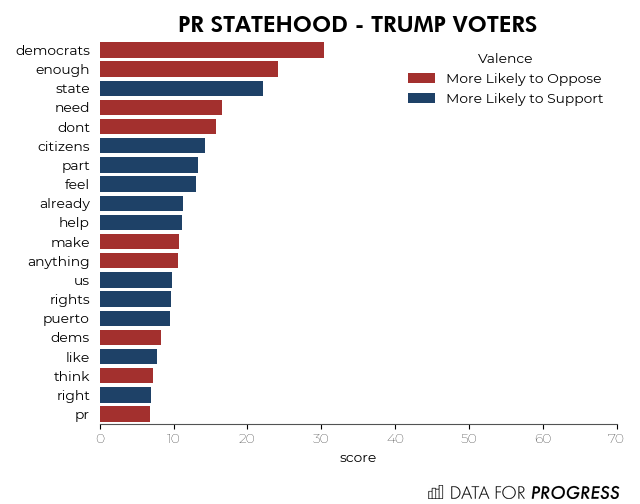
The Economic and Tourism Landscape Under Commonwealth Status
Puerto Rico’s current political status directly influences its economy, which in turn shapes its tourism industry and overall lifestyle. Understanding this connection is vital for any visitor.
A Unique Economic Environment
As a commonwealth, Puerto Rico operates under a unique economic structure. While it participates in some federal programs, it also faces limitations. For instance, businesses operating on the island are subject to U.S. federal laws, but Puerto Rico has its own tax system, separate from the U.S. federal income tax, which can be advantageous for local residents and some businesses. However, the island has grappled with significant economic challenges, including high debt, unemployment, and a declining population. This economic instability can impact investment in new resorts, the maintenance of existing hotels, and the development of tourism infrastructure.
Despite these challenges, Puerto Rico’s unique status also presents opportunities. Its position allows for free trade with the United States and access to the U.S. market, crucial for its economy. The U.S. dollar is the official currency, simplifying travel and commerce. For U.S. citizens, visiting Puerto Rico is considered domestic travel, requiring no passport, which significantly boosts its appeal as a convenient Caribbean destination.
Tourism as a Cornerstone of the Economy
Tourism is undeniably a cornerstone of Puerto Rico’s economy, and its political status indirectly shapes this sector. The island offers a wide array of attractions, from the historic forts of San Juan like El Morro and La Fortaleza, which are UNESCO World Heritage Sites, to natural wonders like El Yunque National Forest, the only tropical rainforest in the U.S. National Forest System. The pristine beaches of the Caribbean Sea and the Atlantic Ocean attract millions, seeking everything from luxury travel experiences at five-star resorts to budget-friendly stays in charming boutique hotels or local apartments.
The availability of diverse accommodation options, from expansive resorts with lavish amenities to cozy villas and family-friendly hotels, caters to the various lifestyles and preferences of travelers. Investment in hotels and tourism infrastructure is crucial, and the political stability (or instability) surrounding its status can influence external investment. A clear resolution to Puerto Rico’s status could provide the long-term certainty needed to drive sustained economic growth and further enhance its appeal as a premier global destination.
Moreover, its unique political bridge between the U.S. and Latin America allows Puerto Rico to offer a distinct blend of experiences. Visitors can enjoy American conveniences while immersing themselves in a rich, non-English speaking culture, savoring mofongo and dancing to salsa, making for an unforgettable travel experience. This cultural authenticity is a significant draw, and any future political change would need to carefully consider its impact on this invaluable asset.
The Path Forward: A Continuous Dialogue
The question of why Puerto Rico is not a state is a deeply entrenched and emotionally charged issue that reflects centuries of history, identity, and political evolution. It is not merely a matter of administrative change but a decision with profound implications for the lives of millions of U.S. citizens and the future trajectory of a vibrant island.
Numerous referendums have been held over the years, with varying results and often disputed legitimacy due to low turnout or conflicting interpretations. While some votes have shown a preference for statehood, the lack of a clear, consistent, and federally recognized mandate, coupled with the political complexities in the U.S. Congress, means the debate continues. The decision ultimately rests on the will of the Puerto Rican people and the willingness of the U.S. federal government to act on that will.
For now, Puerto Rico remains a fascinating and dynamic U.S. territory, a crossroads of cultures and a testament to resilience. Its unique status contributes to its distinctive charm, creating a travel landscape where Spanish colonial landmarks stand proudly next to modern resorts, and ancient traditions blend seamlessly with contemporary American influences. Whether you’re seeking adventure in its natural parks, cultural immersion in its cities, or simply relaxation on its beautiful shores, Puerto Rico offers an unparalleled experience. As the dialogue about its future continues, the island’s appeal as a world-class travel destination endures, inviting visitors to discover its magic and understand its complex narrative firsthand.
LifeOutOfTheBox is a participant in the Amazon Services LLC Associates Program, an affiliate advertising program designed to provide a means for sites to earn advertising fees by advertising and linking to Amazon.com. Amazon, the Amazon logo, AmazonSupply, and the AmazonSupply logo are trademarks of Amazon.com, Inc. or its affiliates. As an Amazon Associate we earn affiliate commissions from qualifying purchases.