
San Francisco, a city synonymous with innovation, breathtaking views, and a vibrant cultural scene, consistently ranks among the most expensive cities in the world. For travelers and those considering a stay, understanding the factors driving these high costs is crucial for planning trips, budgeting, and managing expectations. From the iconic Golden Gate Bridge to the charming streets of North Beach, the allure of San Francisco is undeniable, but its price tag can be a significant consideration. This article delves into the multifaceted reasons behind San Francisco’s premium cost of living and visiting, exploring the interplay of its unique geography, thriving economy, and desirable lifestyle.

The Unseen Forces Driving Up Costs
Several underlying economic and geographical realities contribute to San Francisco’s elevated prices. These aren’t simply random occurrences; they are deeply embedded in the city’s DNA and its position on the global stage.
Supply and Demand on a Peninsula
San Francisco’s most significant constraint is its geography. The city is famously situated on a peninsula, surrounded by the Pacific Ocean and the San Francisco Bay. This natural boundary severely limits the amount of land available for development. Unlike sprawling metropolises that can expand outwards, San Francisco has nowhere to go but up, or to reclaim land from the bay – a process that is both complex and expensive. This scarcity of real estate is a fundamental driver of high housing and accommodation costs.
The demand for living and working in San Francisco, however, is immense. Fueled by its status as a global hub for technology, finance, and a burgeoning startup ecosystem, the city attracts a highly skilled workforce and ambitious entrepreneurs. This influx of people, coupled with a limited housing supply, creates a fiercely competitive market. Prices for apartments, condos, and hotels are driven skyward as demand consistently outstrips availability. This is not just an issue for long-term residents; it directly impacts the cost of booking a hotel room or a short-term rental when visiting.
A Thriving Economy and High Incomes
San Francisco’s economic engine is a major contributor to its expense. The presence of industry giants like Apple, Google, and numerous venture capital firms has created a landscape of high-paying jobs. This concentration of wealth means that many residents and professionals can afford to pay premium prices for goods and services, including accommodation, dining, and entertainment. Businesses, in turn, can charge higher prices because there is a customer base willing and able to pay them.
The technology sector, in particular, has a significant ripple effect. The demand for office space in areas like SoMa drives up commercial real estate prices, which then translates into higher operating costs for businesses. These costs are often passed on to consumers. Furthermore, the highly educated and well-compensated workforce has a taste for quality and unique experiences, contributing to the demand for high-end restaurants, luxury hotels, and specialized tours. This creates a lifestyle that is inherently more expensive to maintain and to experience as a visitor.
Strict Zoning and Building Regulations
Adding to the supply-side challenges are San Francisco’s stringent zoning laws and building regulations. The city prioritizes preserving its unique character, historical architecture, and open spaces. While these regulations contribute to its charm and livability, they also make it more difficult and expensive to construct new housing and commercial spaces. Obtaining permits, adhering to complex building codes, and navigating the approval processes can be time-consuming and costly for developers. This further restricts the pace at which supply can respond to demand, exacerbating price pressures.
The emphasis on preserving neighborhoods and preventing overdevelopment means that the pace of new construction is often slow, even when demand is high. This deliberate approach to urban planning, while preserving the city’s aesthetic, has the unintended consequence of limiting the supply of available accommodation options, driving up prices for both residents and tourists.
The Tourist’s Perspective: What You’ll Pay For
For travelers, San Francisco’s expense manifests in several key areas, impacting everything from where you stay to what you eat. Understanding these specific cost drivers can help in budgeting for your San Francisco adventure.
Accommodation Costs: Hotels, Apartments, and Beyond
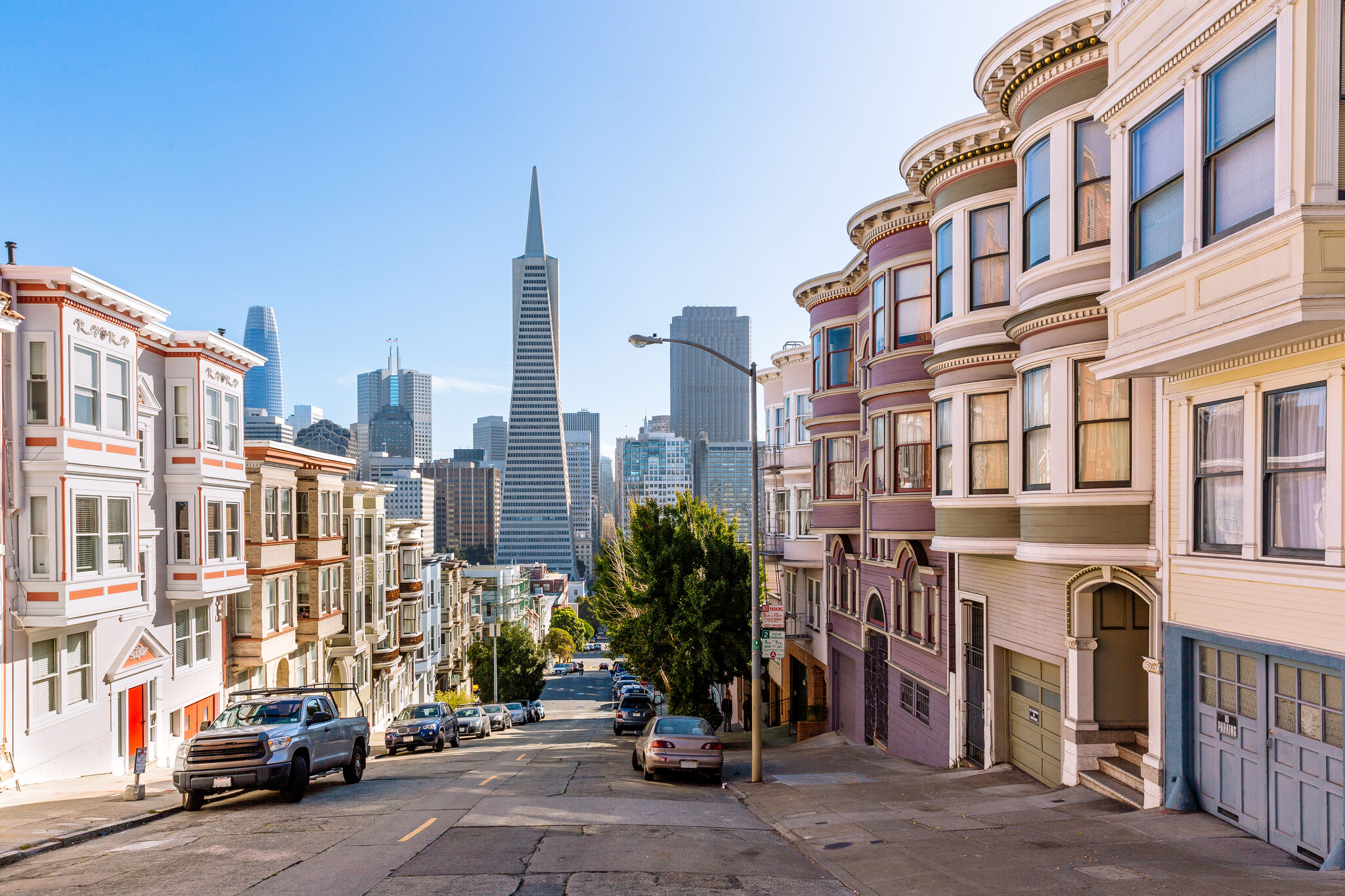
Accommodation is often the largest single expense for tourists in San Francisco. The limited supply of hotels, coupled with high demand, especially during major events and conferences, means that hotel rates can be exceptionally high. Prices can fluctuate dramatically, with rooms in well-located areas or renowned establishments like the Fairmont San Francisco or the St. Regis San Francisco commanding premium prices. Even more budget-friendly options can seem steep compared to other major cities.
Beyond traditional hotels, the cost of short-term rentals, such as apartments or villas, also reflects the city’s overall real estate market. While these might offer more space or a local feel, their prices are still influenced by the high demand for housing in desirable neighborhoods. For those considering a longer stay, the concept of “long-term stay” accommodation in San Francisco also comes with a significant price tag, reflecting the sustained demand in the rental market.
Dining and Experiences: A Taste of the City
San Francisco is a renowned culinary destination, boasting a diverse array of restaurants, from Michelin-starred establishments to vibrant ethnic eateries. However, this culinary excellence comes at a price. The cost of ingredients, labor, and the prime real estate occupied by many restaurants all contribute to higher menu prices. Even a casual meal in popular areas like Fisherman’s Wharf can be more expensive than in many other cities.
Beyond food, the cost of experiences and attractions also adds up. Entry fees to museums like the de Young Museum or the California Academy of Sciences, tours of landmarks like Alcatraz Island, and enjoying performances or sporting events all contribute to the overall expense of a trip. While the value and quality of these experiences are often high, visitors need to be prepared for the cost associated with them.
Transportation within the City
While San Francisco has a public transportation system, including the iconic cable cars, the cost of getting around can still be a factor. Ride-sharing services are prevalent but can be expensive, especially during peak hours or surge pricing. Parking, if you choose to drive, is notoriously difficult and costly, with garages and street parking rates being among the highest in the nation. This pushes many visitors to rely on public transit or walking, but even those options have associated costs, whether through fares or the time investment.
Strategies for Experiencing San Francisco on a Budget (or Less Expensively)
While San Francisco’s high costs are undeniable, it doesn’t mean that experiencing its magic is solely for the affluent. With strategic planning and a willingness to explore beyond the most obvious tourist traps, travelers can significantly manage their expenses.
Smart Accommodation Choices
- Book in Advance: The earlier you book your hotel or accommodation, the better your chances of securing a reasonable rate, especially if you’re traveling during peak season or for a major event.
- Consider Location Wisely: While staying in the heart of Union Square or near Lombard Street might be convenient, looking at neighborhoods slightly further out but still well-connected by public transport can offer significant savings. Areas like the Richmond District or parts of the East Bay (like Oakland, accessible via BART) can provide more affordable options.
- Explore Alternative Stays: Consider boutique hotels, guesthouses, or even hostels if you’re a solo traveler. For longer stays, exploring apartment rentals or serviced apartments might offer better value, especially if you plan to cook some of your meals.
Embracing Budget-Friendly Activities and Dining
- Free Attractions: San Francisco offers a wealth of free activities. Enjoy a stroll through Golden Gate Park, hike across the Golden Gate Bridge, explore neighborhoods like Chinatown or the Mission District, and enjoy the stunning views from Twin Peaks.
- Picnics and Markets: Instead of dining out for every meal, stock up on delicious local produce and artisanal goods from farmers’ markets like the Ferry Building Marketplace and enjoy picnics in scenic spots.
- Ethnic Neighborhoods: Explore the diverse culinary offerings in neighborhoods like the Mission District for authentic and affordable Mexican food, or Chinatown for delicious dim sum. These areas often offer better value than tourist-centric restaurants.
- Happy Hour and Lunch Specials: Many restaurants offer more affordable menus during happy hour or for lunch. This can be a great way to experience some of the city’s renowned dining scene without the full dinner price tag.
Strategic Transportation
- Utilize Public Transit: San Francisco’s MUNI system, including buses and streetcars, is extensive and a cost-effective way to get around. Consider purchasing a Muni Passport for unlimited rides. The BART (Bay Area Rapid Transit) system is excellent for longer distances, including travel to and from the airport and to other Bay Area cities.
- Walk and Bike: San Francisco is a surprisingly walkable city, especially within neighborhoods. Renting a bike can be a fantastic way to explore areas like the Embarcadero or Golden Gate Park.
By understanding the economic forces at play and adopting smart travel strategies, visitors can still enjoy the unique charm, vibrant culture, and iconic sights of San Francisco without breaking the bank. The city’s expense is a reflection of its desirability and its unique position in the world, but with a little planning, its wonders are accessible to a wide range of travelers.
LifeOutOfTheBox is a participant in the Amazon Services LLC Associates Program, an affiliate advertising program designed to provide a means for sites to earn advertising fees by advertising and linking to Amazon.com. Amazon, the Amazon logo, AmazonSupply, and the AmazonSupply logo are trademarks of Amazon.com, Inc. or its affiliates. As an Amazon Associate we earn affiliate commissions from qualifying purchases.