
The nickname “The Lone Star State” is intrinsically woven into the fabric of Texas’s identity, a testament to its dramatic journey from a frontier territory to one of the most distinctive and influential states in the United States. More than just a catchy phrase, the Lone Star symbolizes the fiercely independent spirit, the hard-fought battles, and the unique historical path that forged modern Texas. For visitors exploring the vast landscapes, vibrant cities, and rich cultural tapestry of this remarkable destination, understanding the origin of this powerful emblem unlocks a deeper appreciation for the state’s enduring allure. From the bustling streets of Houston to the historic charm of San Antonio, the Lone Star is a constant, subtle reminder of a pivotal moment in North American history.

The Spark of Independence: A Colony’s Growing Pains
To truly grasp why Texas proudly bears the Lone Star, we must journey back to the early 19th century, a period marked by significant geopolitical shifts and burgeoning national identities. Prior to its independence, Texas was a sparsely populated northern province of Mexico. Following Mexico’s own independence from Spain in 1821, the new government sought to develop its frontier territories, particularly Texas, to create a buffer against potential foreign incursions and native tribes. This led to a policy of encouraging immigration, particularly from the United States.
One of the most instrumental figures in this early colonization effort was Stephen F. Austin, often revered as the “Father of Texas.” He brought hundreds of American families to settle along the Brazos River, establishing communities and cultivating the land. These Anglo-American settlers, along with a significant population of Tejanos (Mexicans of Texas descent), developed a unique culture and economy, often feeling a growing disconnect from the central government in Mexico City.
The relationship between the Texan colonists and the Mexican government became increasingly strained. Cultural differences, disagreements over slavery (which Mexico had abolished), and concerns about land grants and political representation fueled simmering discontent. When Antonio López de Santa Anna rose to power in Mexico, centralizing authority and overturning the liberal Constitution of 1824, the Texan colonists feared their rights and autonomy were under threat. This was the powder keg that ignited the Texas Revolution.
The Birth of a Republic and a Symbol
The year 1835 marked the beginning of open hostilities. Skirmishes like the Battle of Gonzales, where Texans defiantly raised a flag proclaiming “Come and Take It,” signaled their refusal to submit to Mexican rule. These early confrontations quickly escalated, drawing more settlers into the fight for self-determination.
Key Figures and Battles
The early stages of the revolution saw both triumphs and tragedies for the Texan forces. Iconic figures emerged, their names now synonymous with Texan valor and sacrifice. William B. Travis, James Bowie, and the legendary frontiersman Davy Crockett became immortalized during the Siege of the Alamo in February-March 1836. This small, determined garrison, outnumbered by thousands of Santa Anna’s troops, held out for 13 days in San Antonio, buying crucial time for the nascent Texan government to organize. Though all defenders perished, the Battle of the Alamo became a rallying cry: “Remember the Alamo!”
Simultaneously, political leaders convened to formally declare independence. On March 2, 1836, at Washington-on-the-Brazos, delegates adopted the Texas Declaration of Independence and drafted a constitution, officially establishing the Republic of Texas. This audacious act of sovereignty, born amidst military struggle, called for a symbol that would encapsulate their aspirations for freedom and unity.
The pivotal moment arrived on April 21, 1836, at the Battle of San Jacinto. Under the command of General Sam Houston, the Texan army, fueled by the memory of the Alamo and the Goliad Massacre, launched a surprise attack on Santa Anna’s forces. In a stunning victory that lasted less than 20 minutes, Santa Anna was captured, effectively ending the Texas Revolution and securing the independence of the Republic of Texas. This monumental triumph ushered in a new era for the region, one that demanded a powerful visual representation of its hard-won freedom.
A Flag Forged in Revolution
With independence secured, the new Republic of Texas needed a national identity, a flag that would represent its sovereignty and aspirations. Several flags were used during the revolution, but none captured the essence of the new nation quite like the one adopted in 1839.
Symbolism of the Lone Star Flag
The current Texas state flag is the second official flag of the Republic of Texas. The first, adopted in 1836 by the Texan Congress, was a banner designed by Lorenzo de Zavala featuring a single gold star on a blue field. While this “Burnet Flag” (named after interim president David G. Burnet) was the first to officially incorporate the single star, it was the “Lone Star Flag,” designed by Senator Charles B. Stewart, that would become the enduring symbol.
The design of the Lone Star Flag is simple yet profound, imbued with deep meaning:
- The Single White Star: This is the heart of the symbol. It represents Texas as an independent republic, an undivided unit standing alone. It spoke to the singular identity of the new nation, distinct from Mexico and the United States. It conveyed a message of unity, purity, and the promise of a bright future. It also subtly suggested the potential future of Texas joining the United States as a single state, a “lone star” within the constellation of American states.
- The Blue Vertical Stripe: This stripe represents loyalty, devotion, and truth. It signifies the steadfast commitment of the Texan people to their principles and their new nation.
- The White Horizontal Stripe: Symbolizing purity and liberty, the white band speaks to the ideals of freedom and the sacrifices made to achieve it. It embodies the aspiration for a just and equitable society.
- The Red Horizontal Stripe: The color red stands for bravery, courage, and sacrifice. It honors the blood shed by Texan patriots who fought and died for independence, particularly those at the Alamo and Goliad.
Adoption and Design
The Lone Star Flag was officially adopted on January 25, 1839, by the Congress of the Republic of Texas. It quickly became a powerful emblem, easily recognizable and deeply cherished by the citizens of the young republic. The distinctive single star made it unique among national flags, boldly declaring Texas’s singular identity and its solitary stance against overwhelming odds to achieve freedom.
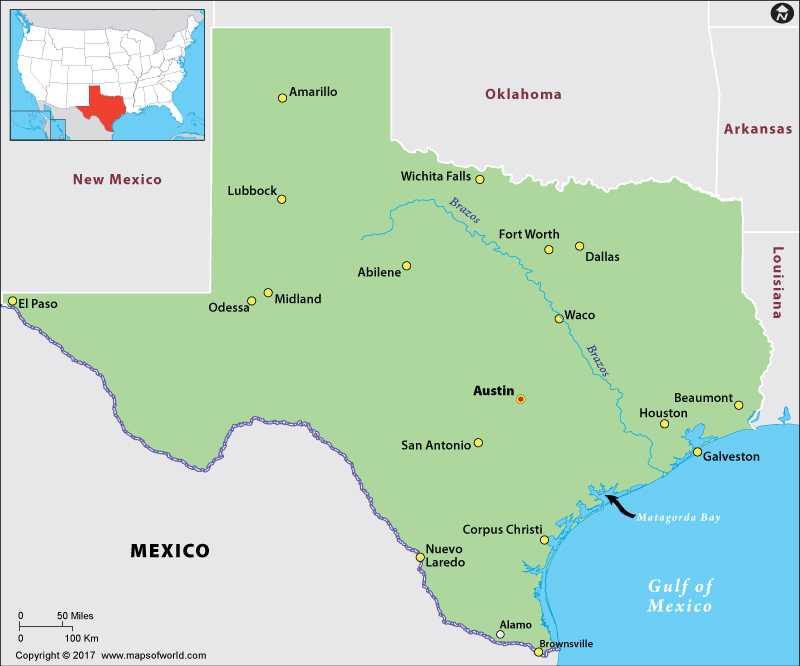
The nickname “The Lone Star State” naturally followed, becoming an unofficial descriptor of the Republic of Texas. It was a name born out of revolution, a symbol of a nation carved out of struggle and resilience, representing both independence and unity.
From Independent Nation to American State
For nearly a decade, from 1836 to 1845, Texas existed as an independent nation. This period, though relatively brief, cemented the Lone Star as its primary identifier. The challenges of nation-building were immense, including economic instability, continued threats from Mexico, and conflicts with native tribes. The leaders of the republic, including presidents Sam Houston and Mirabeau B. Lamar, grappled with these issues, often looking towards eventual annexation by the United States as a viable solution.
The Path to Annexation
The idea of Texas joining the United States was a complex and contentious one. While many Texans and Americans favored annexation, the issue was highly divisive in the U.S. due to concerns over slavery and the potential for war with Mexico. However, by the mid-1840s, a confluence of political and economic factors, along with growing American expansionist sentiment (Manifest Destiny), shifted the balance.
On December 29, 1845, Texas officially became the 28th state of the United States. This momentous event saw the “lone star” from the flag of the independent republic transform into a star within the greater constellation of the American flag. Despite becoming part of a larger union, Texas retained a unique status and a profound sense of its history.
Preserving the Identity
Crucially, upon annexation, the existing Lone Star Flag was adopted as the official state flag of Texas. This decision was not merely a matter of convenience; it was a powerful affirmation of the state’s distinct past and its proud identity. Unlike other states that adopted variations of their territorial flags or new designs, Texas carried forward the very symbol that had flown over an independent nation.
This continuity solidified the nickname “The Lone Star State” in the national consciousness. It served as a constant reminder that Texas was the only state in the union to have been an internationally recognized independent republic prior to joining. This history imbues Texans with a strong sense of pride and a unique cultural heritage that sets the state apart.
The Lone Star’s Enduring Legacy
Today, the Lone Star is far more than just a historical relic; it is a vibrant, living symbol that permeates every aspect of Texan life. It speaks to a pioneering spirit, resilience, and a deep-seated pride that defines the state and its people. For those who travel to Texas, the Lone Star is an ever-present motif, inviting exploration into the rich stories behind its enduring appeal.
Modern Manifestations of the Lone Star
The Lone Star is ubiquitous across Texas. It appears on:
- State Emblems and Seals: The Seal of Texas prominently features the star, reaffirming its central role in the state’s official identity.
- Architecture: From the dome of the magnificent Texas State Capitol in Austin to countless public buildings and private residences, the Lone Star is a common architectural flourish.
- Sports Teams and Organizations: Professional sports teams like the Texas Rangers (baseball) and cultural icons like the University of Texas Longhorns (whose logo is a steer head, but the university itself is deeply associated with the state’s symbols) proudly incorporate the Lone Star in their branding, evoking a sense of regional loyalty and pride.
- Businesses and Products: Countless Texan companies, from restaurants to real estate firms, adopt the Lone Star in their logos, branding, and marketing, connecting their identity to the state’s powerful legacy.
- Local Culture and Art: Art installations, murals, clothing, and souvenirs throughout Texas frequently feature the Lone Star, allowing visitors to take a piece of Texan identity home with them.
The continued use of the Lone Star reflects a collective memory and a shared narrative. It’s a symbol that transcends political divisions, uniting Texans under a banner of common history and a unique heritage.

Travel and Tourism in the Lone Star State
For tourists, the Lone Star State offers an incredibly diverse array of experiences, each subtly or overtly connected to its storied past. When planning a trip to Texas, understanding the significance of the Lone Star enhances the entire journey.
- Historic Landmarks: A visit to San Antonio to see The Alamo is essential for anyone interested in the revolution, where the memory of the “lone star” struggle comes alive. The nearby San Jacinto Monument near Houston commemorates the final battle for independence, standing tall as a testament to the birth of the republic. Exploring the Washington-on-the-Brazos State Historic Site provides a tangible link to where independence was declared, allowing visitors to walk the grounds where the “lone star” ideal was formalized.
- Cultural Experiences: Dive into the vibrant local culture in cities like Austin, the “Live Music Capital of the World,” where the independent spirit of Texas thrives in its artistic and culinary scenes. Experience authentic Tex-Mex cuisine, a fusion born from the state’s unique history.
- Diverse Landscapes: From the vast deserts of West Texas to the piney woods of East Texas, the rolling hills of the Texas Hill Country, and the beautiful Gulf Coast, the diverse geography of the Lone Star State offers endless opportunities for adventure and relaxation. Many resorts and unique accommodation options across the state cleverly incorporate local history and the Lone Star motif into their design and branding, offering guests a true Texan experience.
- Lifestyle and Luxury: Whether seeking luxury hotels in Dallas or boutique suites in Galveston, the Lone Star symbol often signifies quality and a distinct regional identity, connecting travelers to the state’s proud heritage. Even budget-friendly hotels and apartments often feature the emblem as a nod to local pride.
In essence, the Lone Star is a constant, shimmering beacon, guiding visitors through the rich historical layers of Texas. It’s a call to explore the state’s dramatic past, celebrate its vibrant present, and appreciate the resilient spirit that has shaped it.
The nickname “The Lone Star State” is far more than a simple moniker; it is a powerful encapsulation of Texas’s extraordinary history. It reflects the struggle for independence from Mexico, the formation of an independent republic, and its eventual, unique entry into the United States. The single star on its flag represents unity, sovereignty, and the unparalleled journey of a land and its people who dared to stand alone. For anyone traveling through this magnificent state, from its bustling metropolises to its serene natural wonders, the Lone Star serves as a constant, proud reminder of the resilience, courage, and unique identity that define Texas. It’s an invitation to delve deeper into a history that continues to shape its landscape, culture, and the unforgettable experiences it offers every visitor.
LifeOutOfTheBox is a participant in the Amazon Services LLC Associates Program, an affiliate advertising program designed to provide a means for sites to earn advertising fees by advertising and linking to Amazon.com. Amazon, the Amazon logo, AmazonSupply, and the AmazonSupply logo are trademarks of Amazon.com, Inc. or its affiliates. As an Amazon Associate we earn affiliate commissions from qualifying purchases.