The vast expanse of Texas, a land of diverse landscapes stretching from the piney woods of the east to the rugged deserts of the west, and from the northern plains to the sunny Gulf Coast, holds a singular distinction. Known universally as “The Lone Star State,” this iconic moniker isn’t merely a quaint nickname; it’s a profound encapsulation of the state’s tumultuous history, its fiercely independent spirit, and a symbol deeply woven into the fabric of its identity. For travelers and history enthusiasts alike, understanding the origins of this name unlocks a deeper appreciation for the unique culture, resilient people, and captivating landmarks that define Texas today.
The “Lone Star” stands proudly on the Texas state flag, a beacon of defiance and triumph that recalls a pivotal moment when the region carved its own path, establishing itself as an independent republic before eventually joining the United States. This journey from a frontier territory of Mexico to a sovereign nation, and then to the second-largest state in the United States, is a saga filled with legendary figures, decisive battles, and an unwavering commitment to self-determination. Exploring the historical context behind the “Lone Star” allows visitors to connect with the very soul of Texas, enriching their travel experiences from the vibrant streets of Austin to the historic battlegrounds of San Antonio.
A Legacy Forged in Revolution: The Birth of a Republic
The story of the Lone Star begins in the early 19th century, when Texas was a sparsely populated northern province of Mexico. American settlers, lured by promises of cheap land, began to immigrate in significant numbers, most notably under the empresario system championed by figures like Stephen F. Austin, often referred to as the “Father of Texas.” These settlers, accustomed to American legal and political traditions, soon found themselves at odds with the centralized government in Mexico City. Disagreements over land rights, slavery, and religious freedom festered, eventually escalating into outright conflict.
From Mexican Rule to Independence
The mounting tensions culminated in the Texas Revolution of 1835–1836. This period saw a series of dramatic events that would forever shape the region’s destiny. Iconic battles such as the siege of the Alamo in San Antonio, where a small band of Texas defenders made a valiant stand against overwhelming Mexican forces, and the massacre at Goliad, served as rallying cries for independence. These tragic yet inspiring events fueled the resolve of the Texan forces.
On March 2, 1836, delegates gathered at Washington-on-the-Brazos declared Texas an independent republic. The declaration asserted the grievances against Mexico and laid the groundwork for a new sovereign nation. Just weeks later, on April 21, 1836, under the leadership of General Sam Houston, Texan forces achieved a decisive victory at the Battle of San Jacinto, capturing Mexican General Santa Anna and securing independence. This victory led to the establishment of the Republic of Texas, a sovereign nation that existed for nearly a decade before its annexation by the United States in 1845.
The Birth of the Lone Star Flag
It was during the brief but impactful existence of the Republic of Texas that the enduring symbol of the Lone Star truly came into prominence. While various flags were used during the Texas Revolution, including the famous “Come and Take It” flag from Gonzales, the design that would become iconic was officially adopted by the Texan Congress in 1839. This flag, designed by Senator Charles B. Stewart (though some attribute it to Lorenzo de Zavala), featured a single, prominent white star against a blue vertical stripe, flanked by horizontal white and red stripes.
This design was not chosen arbitrarily. The solitary star immediately conveyed the idea of Texas as an independent nation, standing alone amidst larger powers. It symbolized the unity of purpose among its citizens in their struggle for freedom. When Texas joined the United States as the 28th state, the flag’s design was retained, with the “Lone Star” proudly asserting the state’s unique history and identity within the Union. This historical context makes a visit to sites like Washington-on-the-Brazos State Historic Site not just a trip to a landmark, but an immersive journey into the birthplace of Texan independence.
Symbolism Etched in History: What the Lone Star Represents
The “Lone Star” is more than just an emblem on a flag; it’s a powerful symbol steeped in layers of meaning, reflecting the very essence of the Texan character. Its design, colors, and the star itself all contribute to a narrative of courage, purity, and sacrifice. Understanding this symbolism deepens a traveler’s appreciation for the culture and values they encounter across the state.
The Meanings Behind the Colors and Star
The Texas state flag, with its distinctive Lone Star, shares a color scheme with the flag of the United States and the flag of Mexico, yet its arrangement and specific symbolism are uniquely Texan. The official interpretation of the colors and star are as follows:
- Red: Symbolizes bravery and the blood shed by those who fought for Texan independence. It represents the courage and sacrifice of the countless individuals who gave their lives at places like the Alamo and Goliad. For visitors exploring battle sites and historical markers, this color serves as a poignant reminder of the profound cost of freedom.
- White: Represents purity and liberty. It signifies the aspirations of the Texan people for a free and self-governing society, unburdened by external control. This resonates with the state’s enduring spirit of independence and freedom, a quality often experienced in the wide-open spaces and frontier ethos of West Texas.
- Blue: Stands for loyalty and truth. This blue vertical stripe, on the hoist side of the flag, represents the unwavering allegiance of Texans to their ideals and their commitment to principles of justice and freedom. It’s a testament to the steadfast character often associated with the state’s inhabitants.
- The Lone Star: This single, five-pointed white star is the heart of the symbol. It embodies unity, representing Texas as a unified and independent nation, standing proudly on its own. It also speaks to the singular, unyielding spirit of the Texan people. After statehood, the star continued to symbolize the state’s proud history as a Republic of Texas and its unique identity within the American Union.
This rich tapestry of meaning makes the Lone Star far more than just a design; it is a narrative of resilience, a testament to the sacrifices made, and a promise of enduring identity. From souvenir shops brimming with Texan memorabilia to official government buildings, the Lone Star is omnipresent, a constant reminder of the state’s extraordinary journey.
The Lone Star’s Enduring Spirit: Identity, Culture, and Tourism
The nickname “The Lone Star State” has transcended its historical origins to become a powerful cultural identifier, shaping the very image and lifestyle of Texas. It embodies a sense of rugged individualism, pride, and an undeniable spirit of independence that permeates every aspect of Texan life, making it a compelling destination for tourism.
Identity, Culture, and Modern Texas
The Lone Star moniker is deeply ingrained in the psyche of Texans. It fosters a sense of collective identity, connecting residents across vast geographic and demographic divides. This shared history and symbolism manifest in various cultural expressions:
- Pride and Patriotism: Texans are known for their fierce state pride, often expressed through sporting events, local festivals, and everyday conversations. The Lone Star is a constant visual cue for this unwavering loyalty.
- Independent Spirit: The historical fight for independence instilled in Texans a strong sense of self-reliance and a desire for minimal government interference. This frontier spirit influences everything from business ventures to local governance and is a defining characteristic of the Texan ethos.
- Cultural Celebrations: From chili cook-offs to rodeo championships, many Texan cultural events subtly or overtly celebrate the state’s unique heritage. Visiting a local fair or festival offers an authentic glimpse into this vibrant culture, often showcasing the Lone Star prominently.
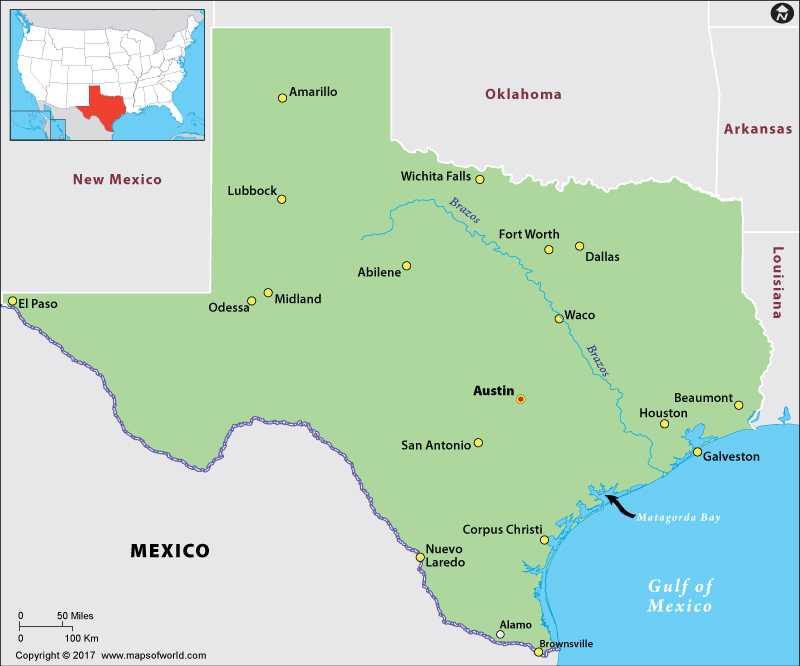
For those planning to experience the heart of Texas, understanding this cultural bedrock is key to appreciating the authenticity of its people and places. Whether you’re seeking luxury travel experiences in Dallas or a budget travel adventure exploring the small towns of the Texas Hill Country, the Lone Star spirit is never far away.
Experiencing the Lone Star State Today: Iconic Landmarks and Vibrant Cities
Today, the legacy of the Lone Star State is palpable across its diverse landscapes, offering an unparalleled range of travel destinations and attractions. From historic sites that tell the tale of revolution to booming modern cities brimming with culture and commerce, Texas invites visitors to explore its past and present.
Iconic Landmarks and Vibrant Cities
Many of Texas’s most cherished landmarks directly echo its Lone Star heritage.
- The Alamo in San Antonio: A pilgrimage to the Alamo is essential for anyone seeking to understand the Texan spirit. This historic mission-turned-fortress is a poignant reminder of the sacrifices made during the Texas Revolution. Beyond the Alamo, San Antonio’s vibrant Riverwalk offers a charming backdrop for relaxation and dining, providing a blend of history and modern tourism appeal.
- Washington-on-the-Brazos State Historic Site: Often called the “Birthplace of Texas,” this site allows visitors to step back in time to where the Declaration of Independence was signed. It’s a crucial stop for history buffs.
- State Capitol in Austin: The majestic Texas State Capitol building, taller than the United States Capitol, stands as a testament to the state’s pride and historical sovereignty. In Austin, the “Live Music Capital of the World,” visitors can explore Sixth Street for lively entertainment and world-class dining experiences, finding accommodation ranging from charming boutique hotels like the Four Seasons Hotel Austin to budget-friendly options.
Travel and Tourism in Texas
Beyond historical sites, Texas offers a kaleidoscope of experiences that cater to every type of traveler.
- Urban Adventures: Cities like Houston, home to the Space Center Houston and a thriving Museum District, and Dallas, known for its upscale shopping, vibrant arts scene, and the JFK Assassination Site, offer world-class amenities and cultural immersion. Hotels such as the Hyatt Regency Dallas provide luxurious suites with stunning views, perfect for business or luxury travel. Meanwhile, Fort Worth embraces its Western heritage with the historic Stockyards National Historic District.
- Natural Wonders: The vastness of Texas also means breathtaking natural beauty. Big Bend National Park and Big Bend Ranch State Park in West Texas offer unparalleled opportunities for hiking, stargazing, and exploring dramatic desert landscapes. Along the Gulf Coast, Padre Island National Seashore provides miles of pristine beaches, attracting nature lovers and families seeking coastal experiences. Destinations like Galveston blend historic architecture with seaside charm, featuring resorts and attractions like Moody Gardens.
- Charming Towns and Scenic Drives: The Texas Hill Country, with its rolling hills, vineyards, and picturesque towns like Fredericksburg, offers a different kind of Texan charm. These regions are perfect for road trips and discovering local cuisine and culture.

From El Paso in the far west, blending American and Mexican cultures, to the historic plantations and bayous of East Texas, the “Lone Star State” promises a journey rich in history, natural beauty, and vibrant contemporary life. The diverse options for accommodation, from luxurious resorts to cozy vacation rentals, ensure every traveler can find their ideal stay while exploring the wonders of Texas.
The “Lone Star State” is far more than a catchy phrase; it is a living testament to a remarkable past and a defining characteristic of a vibrant present. It encapsulates the spirit of independence, the bravery of its pioneers, and the enduring pride of its people. For anyone looking to understand the unique heart of Texas, delving into the history and symbolism of the Lone Star is an essential step, transforming a mere visit into an enriching exploration of one of America’s most distinctive and beloved states.