
Texas, a state synonymous with vast landscapes, rich history, and a vibrant culture, is also notoriously famous for its scorching temperatures, particularly during the summer months. For travelers planning a visit or anyone considering a move, understanding the underlying reasons behind Texas’s intense heat is crucial. It’s a complex interplay of geographical positioning, prevailing weather patterns, and unique regional characteristics that conspire to make the Lone Star State one of the hottest places in the United States. This extreme heat significantly influences everything from travel itineraries and accommodation choices to local lifestyle and tourism activities.
1. The Geographic and Climatic Crucible of Texas Heat
The relentless heat experienced across much of Texas is not merely a seasonal anomaly but a deeply ingrained characteristic shaped by several powerful environmental factors. Its expansive size means that while one region might be sweltering, another could be experiencing a slightly different climatic profile, but the overarching theme remains high temperatures.
1.1. Latitude and Solar Intensity
One of the most fundamental reasons for Texas’s heat lies in its latitude. A significant portion of the state, especially South Texas, sits at a relatively low latitude, placing it closer to the equator than many other U.S. states. This proximity means that Texas receives a more direct and intense angle of the sun’s rays throughout the year, especially during the summer solstice when the sun is directly overhead or very near the Tropic of Cancer. This direct solar radiation translates into more heat absorbed by the land and atmosphere, setting a high baseline for temperatures even before other factors come into play. For travelers, this implies that even in the shoulder seasons, the sun’s intensity can be surprisingly strong, demanding careful packing and sun protection.
1.2. The Influence of the Gulf of Mexico
The Gulf of Mexico plays a dual role in Texas’s climate, contributing significantly to both heat and humidity. While the Gulf waters might offer a refreshing dip for tourists visiting coastal destinations like Galveston Island or South Padre Island, they are also a primary source of the state’s oppressive humidity. Warm, moist air from the Gulf constantly flows inland, especially during the summer, creating a thick, heavy atmosphere. This humidity traps heat, making the air feel much hotter than the actual temperature reading. It also inhibits the body’s natural cooling mechanism – the evaporation of sweat – making outdoor activities more challenging and less comfortable. This “feels like” temperature, often significantly higher than the ambient temperature, is a critical consideration for those planning excursions, particularly in cities like Houston and San Antonio, which are heavily influenced by Gulf moisture.
1.3. Proximity to Desert Climates
To the west, Texas borders the Chihuahuan Desert, extending into Mexico and parts of New Mexico. This arid environment contributes to high daytime temperatures, particularly in West Texas cities like El Paso and regions around Big Bend National Park. While desert heat is often characterized by lower humidity, making it feel less stifling than the humid heat of East Texas, the sheer intensity of the sun and lack of moisture can still lead to dangerously high temperatures. The absence of significant cloud cover allows for maximum solar radiation absorption during the day, heating the ground and the air above it to extreme levels. Travelers exploring desert landscapes must be acutely aware of dehydration risks and plan their activities for early mornings or late evenings.
1.4. High-Pressure Systems and Heat Domes
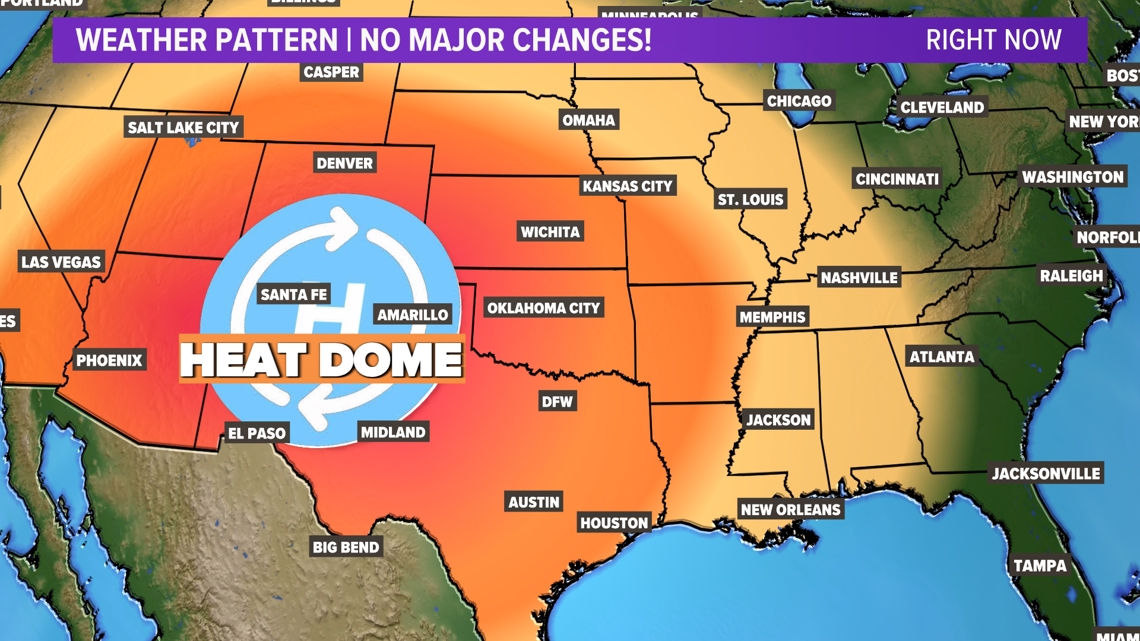
During summer, Texas is frequently subjected to persistent high-pressure systems, often referred to as “heat domes.” These atmospheric phenomena trap hot air near the surface, preventing it from rising and cooling. As the air sinks under the high pressure, it compresses and heats up further, intensifying the already high temperatures. These heat domes can linger for weeks, leading to prolonged periods of extreme heat, drought conditions, and increased energy consumption as everyone cranks up their air conditioning. For the tourism and hospitality industry, heat domes can be a significant challenge, driving guests indoors and necessitating robust cooling systems in hotels, resorts, and attractions.
2. Navigating Texas’s Heat: Travel, Tourism, and Accommodation
The omnipresent heat in Texas is not merely a weather statistic; it’s a defining characteristic that profoundly impacts how travelers plan their trips, what activities tourists engage in, and the specific amenities accommodation providers prioritize. Understanding these implications is key to enjoying a visit to the Lone Star State.
2.1. Adapting Travel Itineraries and Tourist Activities
For many, summer travel to Texas requires a strategic approach. Traditional outdoor activities like hiking in Big Bend National Park or exploring the vast ranches of North Texas are often best reserved for the cooler months of spring or fall. When visiting during peak summer, a shift towards indoor attractions or water-centric experiences becomes essential.
Cities like Houston boast world-class museums, including the Museum District and the NASA Johnson Space Center, offering hours of air-conditioned enjoyment. Dallas provides numerous shopping destinations, art galleries, and the Dallas World Aquarium. In San Antonio, while the historic Alamo is outdoors, much of the famous River Walk offers shaded pathways and numerous riverside restaurants, making evening strolls particularly pleasant. For daytime heat relief, water parks like Schlitterbahn Waterpark in New Braunfels or natural swimming holes such as Barton Springs Pool in Austin become prime destinations. Tubing down the San Marcos River, Comal River, or Guadalupe River is a quintessential Texas summer experience, offering a refreshing escape from the heat while enjoying the state’s beautiful natural scenery. Underground caverns such as Natural Bridge Caverns also provide a surprisingly cool retreat.
For those interested in local culture and food, indoor markets, diverse culinary scenes, and vibrant entertainment venues keep the spirit of Texas alive even during the hottest hours. Evening activities, when temperatures dip slightly, become paramount, from live music on Austin’s Sixth Street to stargazing in West Texas’s dark skies.
2.2. Accommodation Choices and Amenities for Comfort
The heat directly impacts the choices travelers make regarding their accommodation. Air conditioning is not just a luxury; it’s an absolute necessity. Hotels, resorts, and even short-term rental apartments without reliable, powerful AC are simply unviable during much of the year.
Beyond basic cooling, properties in Texas often go above and beyond to cater to guests seeking relief from the heat. Swimming pools are a non-negotiable amenity, with many upscale resorts featuring elaborate pool complexes, lazy rivers, and splash pads. For example, the JW Marriott San Antonio Hill Country Resort & Spa is renowned for its expansive water park-like pool area. Shaded outdoor spaces, cabanas, and misting systems are also common in hotel courtyards and dining areas, allowing guests to enjoy the outdoors without direct sun exposure.

Many Texas hotels also prioritize amenities like well-equipped fitness centers (often indoors), relaxing spas, and diverse on-site dining options, encouraging guests to stay within the cool confines of the property during the hottest parts of the day. Indoor activities and entertainment are frequently scheduled by resorts to keep guests engaged. When booking accommodation in Texas, particularly from May to September, checking for robust air conditioning, pool access, and shaded outdoor areas should be at the top of any traveler’s list. Properties like The Houstonian Hotel, Club & Spa or Hotel ZaZa Dallas Arts District excel at providing luxurious, cool havens.
3. Regional Heat Variations and Local Lifestyles
While Texas as a whole is known for its heat, the intensity and character of this heat can vary significantly from one region to another. These variations dictate not only the micro-climates but also the lifestyle and coping mechanisms of residents and how travelers experience different parts of the state.
3.1. The Humid Heat of East and South Texas
The eastern and southern portions of Texas, including major metropolitan areas like Houston, San Antonio, and the Gulf Coast cities, are characterized by a humid subtropical climate. Here, the warm, moist air from the Gulf of Mexico is a constant presence. Summers are long, hot, and incredibly muggy. While actual air temperatures might hover in the 90s°F (30s°C), the high humidity often pushes the heat index (what it “feels like”) well into the triple digits.
Residents and visitors in these areas have developed a lifestyle centered around beating the humidity. Homes and businesses are heavily reliant on air conditioning. Outdoor activities often shift to early mornings or late evenings, particularly along the coast where gentle breezes can offer some relief. Water sports, trips to beaches, or visits to indoor attractions like Moody Gardens in Galveston are popular. The lush, green landscape of East Texas, including areas like Big Thicket National Preserve, thrives on this humidity, but it comes at the cost of stifling summer days.
3.2. The Arid Heat of West Texas
In stark contrast to the east, West Texas experiences a semi-arid to desert climate. Cities like El Paso and regions bordering the Chihuahuan Desert face incredibly hot daytime temperatures, often exceeding 100°F (38°C). However, the critical difference here is the much lower humidity. While the sun’s intensity is punishing, the dry air allows sweat to evaporate more efficiently, making the heat feel less oppressive than in Houston or Dallas.
This arid climate also means that temperatures drop more significantly after sunset, offering a more comfortable respite during the night. The lifestyle in West Texas adapts to this intense daytime sun with an emphasis on shade, hydration, and capitalizing on cooler evenings. Outdoor activities, such as exploring Big Bend National Park or traversing the vast plains, are best undertaken during the early morning hours. Hotels and resorts in this region often emphasize shaded patios and outdoor amenities that come alive once the sun begins to set.
3.3. The Central Texas and Hill Country Blend
Central Texas, encompassing cities like Austin and the picturesque Texas Hill Country, offers a blend of both humid and arid influences. While still receiving some moisture from the Gulf, it is far enough inland that the humidity is generally less suffocating than on the immediate coast. Summers are hot, with temperatures frequently reaching the high 90s°F (30s°C) to low 100s°F (38°C+).
The Hill Country is famous for its spring-fed rivers and swimming holes, which become vital havens during the summer. Blue Hole Regional Park in Wimberley, Hamilton Pool Preserve near Dripping Springs, and the aforementioned Barton Springs Pool in Austin are incredibly popular for their cool, refreshing waters. The lifestyle here revolves around outdoor recreation that incorporates water, shaded trails, and evenings spent on restaurant patios or at live music venues. Fredericksburg, known for its wineries, sees many visitors combining wine tasting with indoor tours and shaded outdoor seating to escape the midday sun. Hotels like The Driskill in Austin combine historic charm with modern cooling technologies.
4. Preparing for a Hot Texas Experience
For travelers venturing into Texas, particularly between late spring and early fall, preparation is paramount. The extreme heat requires thoughtful planning to ensure both comfort and safety, influencing everything from daily schedules to packing lists.
4.1. Essential Travel Tips for Hot Climates
Successfully navigating the Texas heat means being proactive. Hydration is key: always carry water, and drink more than you think you need, especially if engaging in any outdoor activities. Sports drinks with electrolytes can also be beneficial. Dress appropriately: lightweight, loose-fitting clothing made from breathable fabrics like cotton or linen is ideal. Light colors reflect sunlight and heat more effectively. A wide-brimmed hat and sunglasses are essential for protecting yourself from direct sun exposure. Sunscreen is a must: apply it liberally and reapply frequently, even on cloudy days, as UV radiation remains high.
Plan your activities strategically: schedule outdoor excursions for the cooler parts of the day, typically before 10 AM and after 5 PM. Utilize the midday hours for indoor attractions, leisurely meals in air-conditioned restaurants, or relaxing by a pool. Many Texas cities have excellent public transportation or ride-sharing services that can minimize time spent walking in the direct sun. Consider purchasing tickets for popular indoor landmarks or museums online in advance to reduce wait times outside.

4.2. Embracing the Texas Lifestyle Despite the Heat
Despite the formidable temperatures, Texans have cultivated a vibrant lifestyle that embraces their unique climate. It’s a culture of adaptability and resilience. Cool, refreshing beverages, from iced tea to local craft beers, are staples. Many homes and businesses feature sprawling covered patios and outdoor living spaces, often equipped with fans and misters, allowing for evening gatherings al fresco.
The food scene also adapts, with lighter, fresher fare gaining popularity alongside the state’s traditional hearty comfort foods. Think crisp salads, ceviche, and cool fruit desserts. The energy and enthusiasm of Texans remain undimmed, with communities finding creative ways to stay active and social. From morning yoga classes to late-night festivals and concerts, life doesn’t stop just because it’s hot. For visitors, diving into this adapted lifestyle offers a genuine glimpse into the state’s spirit and provides excellent ways to enjoy the tourism offerings. Seek out shaded beer gardens, discover underground music venues, or enjoy a sunset cruise on one of the many lakes or rivers.
The intense heat of Texas is an undeniable aspect of its character, shaped by its geographic location, prevailing weather patterns, and regional variations. Far from being a deterrent, understanding and preparing for this heat can transform a potential challenge into an opportunity for a unique and memorable travel experience. By adapting itineraries, choosing appropriate accommodation, and embracing the ingenious ways Texans manage their climate, visitors can fully immerse themselves in the rich culture, diverse landscapes, and warm hospitality that define the Lone Star State. So pack smart, stay hydrated, and prepare to discover why, even with its heat, Texas remains a captivating destination.
LifeOutOfTheBox is a participant in the Amazon Services LLC Associates Program, an affiliate advertising program designed to provide a means for sites to earn advertising fees by advertising and linking to Amazon.com. Amazon, the Amazon logo, AmazonSupply, and the AmazonSupply logo are trademarks of Amazon.com, Inc. or its affiliates. As an Amazon Associate we earn affiliate commissions from qualifying purchases.