
The vibrant world of college football is replete with iconic traditions, spirited rivalries, and mascots that often embody the ferocity or history of their respective teams. From tigers and eagles to wildcats and gators, these symbols are typically predatory, powerful creatures, chosen to instill fear in opponents and pride in fans. Yet, for one of the most storied programs in the sport, the University of Alabama‘s Crimson Tide, their beloved mascot is an elephant. This seemingly incongruous choice for a team known for its explosive offense and bruising defense often sparks curiosity, especially among those visiting Tuscaloosa for the first time, eager to immerse themselves in the rich tapestry of Alabama tourism. Far from being a random selection, the elephant mascot, affectionately known as Big Al, carries a history as weighty and enduring as the team’s championship legacy, a tale deeply woven into the fabric of the institution and now a major draw for travelers seeking unique destinations and experiences.

Understanding the origins of Big Al is to delve into a piece of sporting folklore that began not in an official capacity, but in the vivid imagination of a sportswriter. It’s a journey that reveals how a spontaneous description can evolve into an indelible part of a team’s identity, eventually attracting visitors from across the globe to witness the spectacle of Alabama game day, a travel experience unlike any other. For fans and travelers alike, the story of the elephant is not just about football; it’s about heritage, community, and the unique local culture that defines the Heart of Dixie.
Unraveling the Legend: The Origins of the Crimson Tide Elephant
The tale of Alabama’s elephant mascot traces back to the golden age of sports journalism and a particular gridiron clash that took place almost a century ago. It wasn’t the coaches or the athletic department who chose the elephant; it was born from the colorful prose of a reporter trying to capture the sheer might of a dominant football team. This historical anecdote is a prime example of how cultural narratives can emerge and solidify, transforming into attractions that draw tourists seeking authentic local stories and landmarks.
The “Red Elephant” Game of 1930
The pivotal moment occurred on October 4, 1930, when the University of Alabama football team, coached by the legendary Wallace Wade, traveled to Atlanta, Georgia, to face the formidable Ole Miss Rebels. This was a period of immense growth for college football, and Alabama was already establishing itself as a national powerhouse. As the team charged onto the field that day, their crimson jerseys gleaming, they presented an imposing sight.
Everett Strupper, a sportswriter for the Atlanta Journal, was on hand to cover the game. He was known for his vivid descriptions and ability to paint a picture with words. As Alabama’s massive offensive line and powerful backs thundered across the turf, Strupper famously wrote that the team was like “red elephants.” His exact words were: “At the end of the quarter, the earth started to tremble, there was a distant rumble that grew with every play. Some yelled ‘Hold your horses,’ while others cried ‘Look out, the elephants are coming!’ and like a stampede, the Crimson Tide rolled over the Ole Miss
men.” He went on to describe the team as a group of “Red Elephants,” highlighting their size, strength, and unstoppable momentum. This colorful comparison immediately resonated with readers and captured the essence of Alabama’s dominance on the field.
The image of a herd of powerful, crimson-clad elephants charging down the field was not only memorable but also incredibly apt for a team that played with such ferocity. This particular game, a resounding 64-0 victory for Alabama, further cemented the “Red Elephants” nickname in the minds of fans and sports enthusiasts across the Southeastern Conference (SEC). For many visitors to Alabama today, especially those interested in sports history, this origin story is a captivating part of their journey, often sought out in local museums and historical markers that chronicle the state’s sporting achievements.
The Roar of the Crowd and the Rise of a Symbol
Following Strupper’s famous article, the “Red Elephants” nickname quickly gained traction. Fans and fellow sportswriters alike adopted it, and it became an informal yet powerful identifier for the University of Alabama football team. It was a nickname born organically from a moment of journalistic brilliance and a team’s undeniable prowess, rather than a contrived marketing effort. Over time, the “red” part of the nickname eventually faded, leaving simply “The Elephants” or, more commonly, the iconic “Crimson Tide” which had been the team’s official moniker since the early 20th century, referring to a muddy game against Auburn where the field turned crimson with red mud. However, the elephant symbolism endured, solidifying its place in the team’s identity.
This informal adoption meant that for several decades, the elephant was a cherished symbol without a physical embodiment. It was a mental image, a shared understanding among fans of the immense power and resilience of their team. This period is a fascinating chapter in sports history, showcasing how a metaphor can become a mascot, ingrained in the local culture and drawing people into the narrative. Today, exploring this history is part of the unique tourism experience in Tuscaloosa, where visitors can trace the evolution of this beloved symbol and understand its deep roots within the community.
Big Al: From Nickname to Iconic Mascot
While the “Red Elephant” nickname had been a part of Alabama lore since 1930, it wasn’t until much later that a physical mascot officially took the field. The journey from a descriptive phrase to a tangible, beloved figure like Big Al is another fascinating aspect of the Crimson Tide story, one that adds to the vibrancy of game day and the overall visitor experience in Tuscaloosa.
The Birth of Big Al
The idea of a physical elephant mascot began to take shape in the mid-20th century. By the 1960s, with the legendary coach Bear Bryant at the helm and the team reaching new heights of national prominence, the need for a tangible symbol to represent the team’s spirit became more apparent. In 1961, a real elephant named “Alamite” was brought to games, but this proved impractical and short-lived due to logistical challenges and ethical considerations. The first costumed elephant mascot made its debut in 1959, and in 1963, the iconic name “Big Al” was officially adopted after a campus-wide contest.
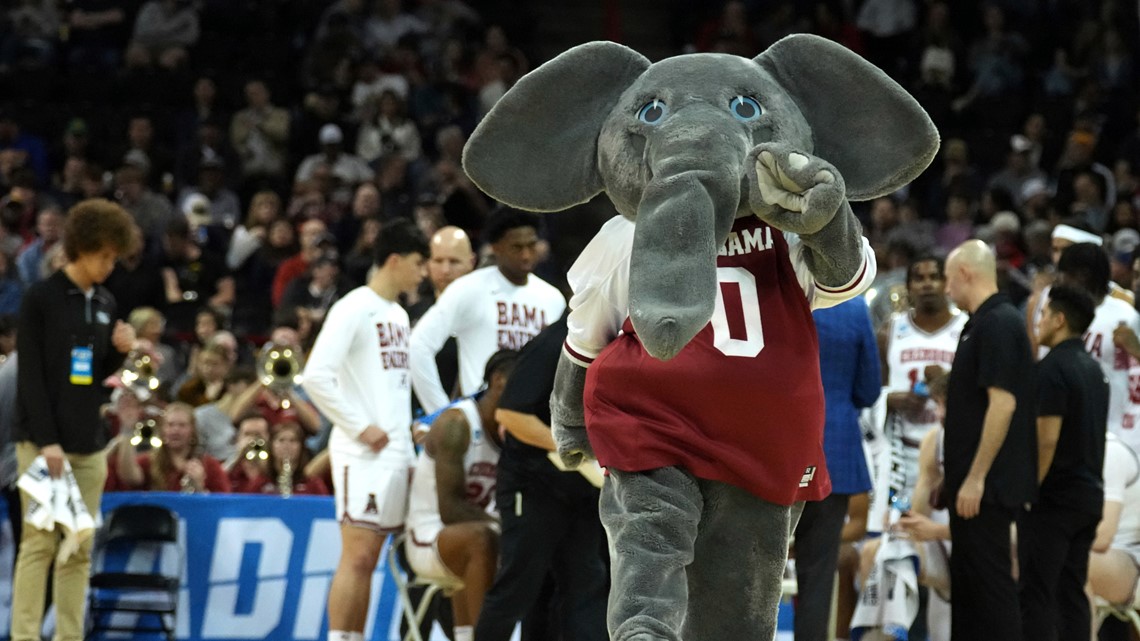
Big Al quickly became an integral part of the Alabama game-day experience. His presence at Bryant-Denny Stadium, leading cheers, interacting with fans, and performing skits, brought the abstract power of the “Red Elephants” to life. For many, seeing Big Al is synonymous with experiencing Alabama football, making him a major attraction for families and travelers planning their college sports-themed trips. His jovial yet strong demeanor perfectly encapsulates the team’s spirit, representing both the playful excitement of college sports and the serious pursuit of victory.
The Enduring Legacy and Cultural Impact

Today, Big Al is more than just a mascot; he is a cultural icon for the state of Alabama. His image is ubiquitous, appearing on merchandise, promotional materials, and in the hearts of millions of fans worldwide. He represents not just the football team, but the entire university, its traditions, and the strong community spirit that binds Crimson Tide supporters. For visitors, encountering Big Al – whether in person at a game or through the myriad of souvenirs – is a quintessential part of the Tuscaloosa experience, a testament to the enduring power of a symbol that started as a sportswriter’s metaphor.
The cultural impact of Big Al extends beyond game days. He is featured in university events, community outreach programs, and even serves as an ambassador for the state. This deep integration into the local lifestyle makes the mascot an invaluable part of the tourism landscape, encouraging visitors to explore not just the stadium but also the surrounding areas that celebrate this unique heritage. From families planning a fun-filled trip to avid sports fans on a pilgrimage, Big Al stands as a beacon for the spirit of Alabama.
Experiencing Alabama Football: A Tourist’s Perspective
For many, the draw of Alabama Crimson Tide football extends far beyond the game itself; it’s about the entire experience. Visiting Tuscaloosa for a game is a full immersion into a unique lifestyle and a vibrant local culture, making it a prime destination for sports tourism. Whether you’re a first-time visitor or a seasoned fan, the atmosphere is electric, offering a truly unforgettable travel experience.
Game Day in Tuscaloosa
A game day in Tuscaloosa is an event unto itself, a spectacle that transforms the entire city. The air crackles with anticipation hours before kickoff. Tailgating is a sacred tradition, with thousands of fans setting up elaborate camps, grilling traditional Southern food, playing lawn games, and listening to live music. The smell of barbecue permeates the air, mingling with the sounds of cheering, laughter, and the distinctive “Roll Tide!” chant. This communal celebration is a core part of the experience, offering visitors a taste of genuine Southern hospitality and an insight into the passionate local culture. The “Walk of Champions,” where the team parades into Bryant-Denny Stadium amidst a sea of cheering fans, is a highlight, creating an overwhelming sense of excitement and unity.
Inside the stadium, the energy is palpable. The roar of the crowd, the iconic Million Dollar Band performing, and the sight of Big Al entertaining the stands all contribute to an electrifying atmosphere. For travelers seeking unique attractions and experiences, an Alabama game day offers unparalleled excitement and a glimpse into a deeply cherished American tradition. It’s an immersion into a community united by a shared passion, making it a must-do for anyone interested in sports, culture, and memorable travel destinations.
Planning Your Visit: Accommodation and Beyond
For those planning a trip to Tuscaloosa for a game, accommodation is a key consideration. The city offers a range of options, from luxury hotels to budget-friendly stays, all of which tend to book up quickly on game weekends. Resorts and boutique hotels like the Hotel Indigo Tuscaloosa Downtown or the Embassy Suites by Hilton Tuscaloosa Downtown provide upscale amenities and convenient access to downtown attractions and the University of Alabama campus. For a unique experience, consider The Graduate Tuscaloosa, which offers a collegiate-themed atmosphere. Booking in advance, especially for high-profile games, is highly recommended, and comparing reviews can help ensure a comfortable and enjoyable stay.
Beyond hotels, vacation rentals and apartments offer options for families or groups seeking more space and a home-away-from-home feel. Many visitors opt for long-term stays to fully explore the city and its surrounding areas. Guides to local restaurants, from casual eateries serving classic Southern comfort food to upscale dining establishments, are also essential for planning your trip. Remember to factor in transportation, as game day traffic can be significant. Many hotels offer shuttle services, or you can utilize ride-sharing options to navigate the bustling city. A well-planned trip ensures you can fully soak in the game-day excitement without any logistical worries, making your travel experience seamless and enjoyable.
Beyond the Field: Exploring Alabama’s Charms
While football may be the initial draw for many visitors to Tuscaloosa, the city and the wider state of Alabama offer a wealth of attractions and experiences that extend far beyond the gridiron. For travelers looking to enrich their trip, exploring these landmarks, engaging with local culture, and discovering hidden gems can transform a sports-focused visit into a comprehensive travel adventure.
Landmarks and Local Culture
Tuscaloosa itself is rich in history and natural beauty. The University of Alabama campus is a landmark in its own right, boasting beautiful architecture, historic buildings, and museums. A must-visit is the Paul W. Bryant Museum, dedicated to the legendary coach Bear Bryant and the history of Alabama football. It’s a shrine for any fan and an intriguing piece of Americana for history buffs. Nearby, the Alabama Museum of Natural History offers insights into the state’s natural heritage.
For those interested in a deeper dive into local history and archeology, a short drive south will take you to Moundville Archaeological Park, one of the best-preserved Native American archaeological sites in North America. This national historic landmark offers a glimpse into the sophisticated culture of the Mississippian people, providing a stark contrast to the modern-day football frenzy. Another interesting stop is the Mercedes-Benz U.S. International Visitor Center, showcasing the auto industry’s presence in Alabama. The scenic Black Warrior River, which borders Tuscaloosa, offers opportunities for kayaking, paddleboarding, and riverside strolls. Downtown Tuscaloosa also boasts vibrant nightlife, diverse culinary options, and charming boutiques. Exploring Capitol Park, the site of Alabama’s former capitol building, offers a peaceful retreat and a touch of historical reflection. These attractions cater to a variety of interests, from history and nature to modern industry, ensuring that every traveler finds something to enjoy.
The Lifestyle of a Crimson Tide Fan
The lifestyle of a Crimson Tide fan often revolves around more than just the games themselves. It’s a year-round passion that influences travel decisions, leisure activities, and even home decor. Many fans plan their vacations around away games, turning them into opportunities for family trips or group adventures to new cities and countries. The camaraderie among fans often leads to shared travel experiences, whether it’s caravanning to an opponent’s stadium or booking luxury travel packages to championship games.
This fanaticism also fosters a sense of community, connecting people through a shared love of the team. Budget travel options are often explored for regular season games, while major events like the SEC Championship or national playoffs might call for more elaborate arrangements, including stays in top-tier resorts and guided tours of the host city. For these fans, travel isn’t just about reaching a destination; it’s about being part of a larger narrative, supporting their team, and connecting with fellow enthusiasts. It’s a lifestyle that blends sports, travel, and deep-seated loyalty, creating a vibrant subculture that welcomes all who want to experience the thrill of being part of the Crimson Tide family. This makes Alabama a unique travel destination not just for its physical attractions, but for the intangible spirit it offers.
In conclusion, the story of why the Alabama Crimson Tide mascot is an elephant is a delightful blend of journalistic flair, athletic prowess, and evolving tradition. What began as a vivid description in a newspaper article nearly a century ago has blossomed into Big Al, an iconic and beloved symbol that represents the strength, spirit, and enduring legacy of the University of Alabama football program. For travelers, whether they are ardent football fans or curious adventurers, a visit to Tuscaloosa offers a profound immersion into this unique cultural phenomenon. From the roaring excitement of game day to the historical landmarks and warm Southern hospitality, experiencing Alabama means engaging with a story that’s as rich and complex as the elephant mascot itself. So, the next time you hear a “Roll Tide!” and see the majestic Big Al on the field, remember the fascinating journey that transformed a powerful metaphor into one of college football’s most distinctive and cherished mascots, beckoning you to explore this remarkable travel destination.
LifeOutOfTheBox is a participant in the Amazon Services LLC Associates Program, an affiliate advertising program designed to provide a means for sites to earn advertising fees by advertising and linking to Amazon.com. Amazon, the Amazon logo, AmazonSupply, and the AmazonSupply logo are trademarks of Amazon.com, Inc. or its affiliates. As an Amazon Associate we earn affiliate commissions from qualifying purchases.