
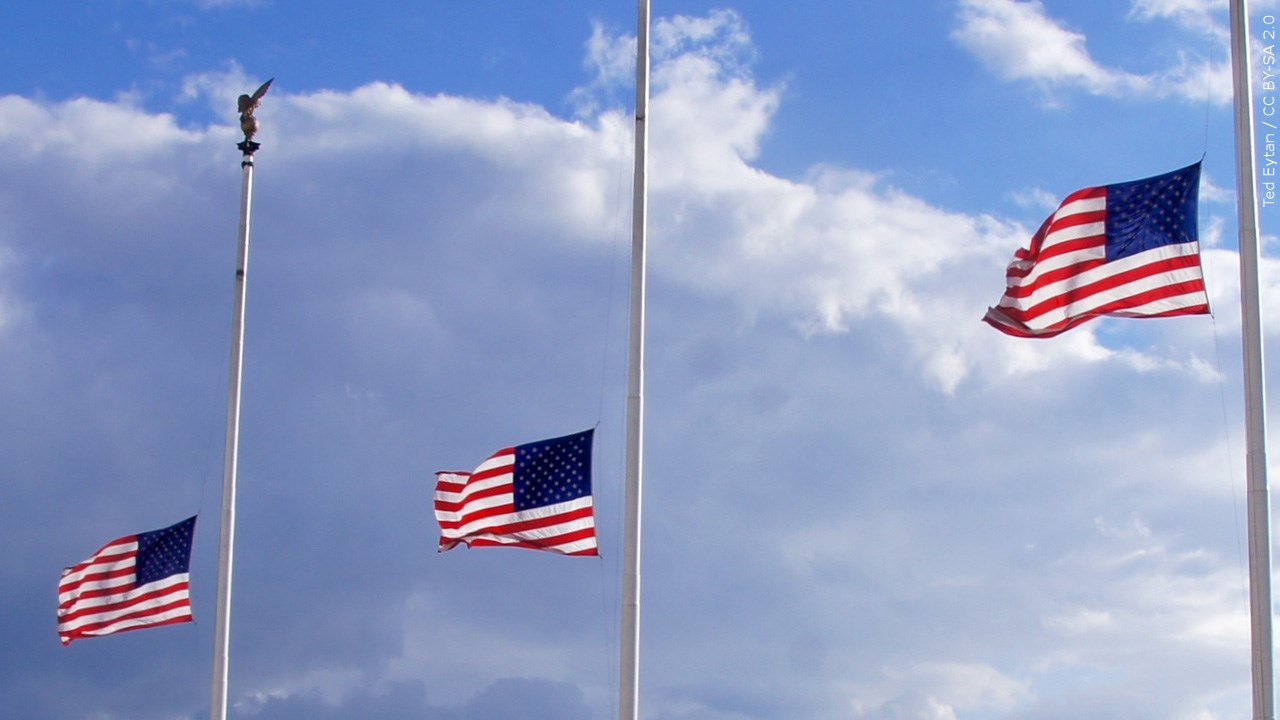
The sight of a flag flying at half-staff is a universally recognized symbol of mourning and respect. When this occurs, particularly in a specific state like Colorado, it often prompts questions about the reasons behind this somber display. While the immediate cause can vary, it is typically tied to the passing of a significant individual or a moment of collective remembrance for a tragic event. Understanding the protocol and the common triggers for such an observance in the Centennial State offers insight into how Colorado honors its fallen and acknowledges moments of national or state-wide grief.

Understanding the Protocol of Half-Staff Observances
The practice of lowering a flag to half-staff is a formal and deliberate act, governed by specific protocols to ensure consistency and respect. This tradition is rooted in maritime customs, where lowering the flag signified a ship in mourning, unable to fly its colors at full mast due to the loss of a captain or crew member. Today, these protocols are codified at federal and state levels, dictating when and by whom a flag should be flown at half-staff.
Federal Guidelines and Presidential Proclamations
At the federal level, the U.S. Flag Code outlines the circumstances under which the Stars and Stripes should be flown at half-staff. The President of the United States has the authority to order flags flown at half-staff nationwide or over federal property to honor deceased national figures, including former presidents, vice presidents, Supreme Court justices, members of Congress, and distinguished military leaders. Additionally, presidential proclamations can call for flags to be lowered in remembrance of significant national tragedies, such as the September 11th attacks, or in honor of fallen service members. These proclamations are widely disseminated and expected to be followed by all federal agencies and facilities.
State-Level Authority and Custom
Individual states also have their own protocols for flying the state flag at half-staff. The Governor of Colorado, like governors in other states, has the authority to order the state flag, and often the U.S. flag on state property, to be flown at half-staff. These gubernatorial orders are typically issued in response to the passing of prominent state figures, such as former governors, legislators, or distinguished state residents. They can also be a means for the state to express collective grief or respect for significant events impacting the people of Colorado. While federal guidelines often take precedence, state-level observances ensure that local sentiments and honorees are also recognized.
Common Reasons for Half-Staff Observances in Colorado
The specific reasons for a flag flying at half-staff on any given day in Colorado are usually tied to recent events or commemorations. These can range from honoring fallen heroes to marking solemn anniversaries.
Honoring Fallen Military Personnel and First Responders

A frequent and deeply felt reason for flags being at half-staff is in remembrance of military personnel and first responders who have made the ultimate sacrifice. This includes soldiers, sailors, airmen, and Marines lost in the line of duty, as well as police officers, firefighters, and emergency medical technicians who have died while serving their communities. Colorado has a strong tradition of supporting its military and first responder families, and flying flags at half-staff is a visible way to acknowledge their bravery and mourn their loss. These observances can be initiated by presidential proclamations for national heroes or by gubernatorial orders for state-specific losses. For instance, following a tragic incident involving local law enforcement, the Governor might order flags lowered across the state to honor the fallen officers and their families.
Commemoration of Tragic Events and National Days of Mourning
Beyond individual acts of heroism, flags are also lowered to commemorate significant tragic events in national or state history. These can include anniversaries of devastating natural disasters, acts of terrorism, or other profound losses that have deeply impacted the nation or the state. For example, the anniversary of the Columbine High School massacre, a deeply tragic event that profoundly affected Colorado, would likely see flags lowered at state facilities and schools to mark the solemn occasion. Similarly, national days of mourning, such as those declared after major terrorist attacks or the passing of influential national leaders, would also prompt flags to be flown at half-staff across Colorado.
Where to Find Information on Current Half-Staff Observances
For residents and visitors of Colorado, staying informed about why flags are at half-staff is important for understanding local and national sentiments. Several reliable sources can provide this information.
Official State and Federal Announcements
The most authoritative sources for information on half-staff flag observances are official government announcements. The Governor’s office in Colorado will typically issue press releases or post information on its official website regarding any state-initiated half-staff orders. Similarly, the White House website and federal news outlets will disseminate information about presidential proclamations. Keeping an eye on the official websites of the Governor of Colorado and federal agencies is the most direct way to ascertain the reason behind a flag being at half-staff.
Local News and Media Outlets
Local news organizations in Colorado are also excellent resources for up-to-date information. Upon receiving official directives, news stations and newspapers will typically report on the reasons for flags being flown at half-staff, often providing context and background information. Monitoring local news broadcasts, their websites, or social media feeds can offer a quick and accessible way to learn about current observances. These outlets often play a crucial role in disseminating official pronouncements to the wider public and explaining their significance.
Flag Etiquette Resources and Memorial Organizations
Various organizations dedicated to flag etiquette and military/veteran affairs also provide information on half-staff alerts. Websites of organizations like the American Legion or Veterans of Foreign Wars often have sections dedicated to current flag status. While these may not always be the primary source, they can serve as supplementary resources and offer a broader understanding of flag protocol and its historical significance. These groups often highlight the importance of respecting the flag and understanding the solemnity it represents when flown at half-staff.
In conclusion, a flag flying at half-staff in Colorado is a powerful visual cue that signifies a moment of collective reflection, respect, and mourning. Whether prompted by federal directives or state-level decisions, these observances are rooted in a desire to honor the fallen, commemorate significant events, and express solidarity in times of sorrow. By understanding the protocols and staying informed through official announcements and local media, one can appreciate the deeper meaning behind this solemn tradition and the ways Colorado chooses to remember and honor its most significant figures and moments.
LifeOutOfTheBox is a participant in the Amazon Services LLC Associates Program, an affiliate advertising program designed to provide a means for sites to earn advertising fees by advertising and linking to Amazon.com. Amazon, the Amazon logo, AmazonSupply, and the AmazonSupply logo are trademarks of Amazon.com, Inc. or its affiliates. As an Amazon Associate we earn affiliate commissions from qualifying purchases.