
The vast expanse of Texas, a land synonymous with rugged independence, boundless skies, and a distinct cultural identity, is perhaps best known by its enduring moniker: the Lone Star State. This evocative nickname is not merely a poetic flourish but a profound historical emblem, deeply woven into the very fabric of Texas’s journey from a frontier territory to a powerhouse within the United States. From its dramatic struggle for independence to its unique cultural expressions, the lone star symbolizes an unyielding spirit of sovereignty, pride, and resilience that continues to define Texans and captivate visitors worldwide.
Understanding why Texas proudly flies a single star on its flag and embraces this title requires a journey back to a pivotal period of revolution and nation-building. It’s a story of courage, sacrifice, and the unwavering pursuit of self-determination that forged a distinct identity now celebrated in every corner of the state, from its bustling metropolises to its serene natural landscapes. This emblem serves as a constant reminder of a time when Texas stood as an independent nation, a testament to the aspirations and sacrifices of its early settlers and revolutionaries. For travelers, understanding this history enhances any visit, providing a deeper appreciation for the landmarks, culture, and spirited people they encounter.
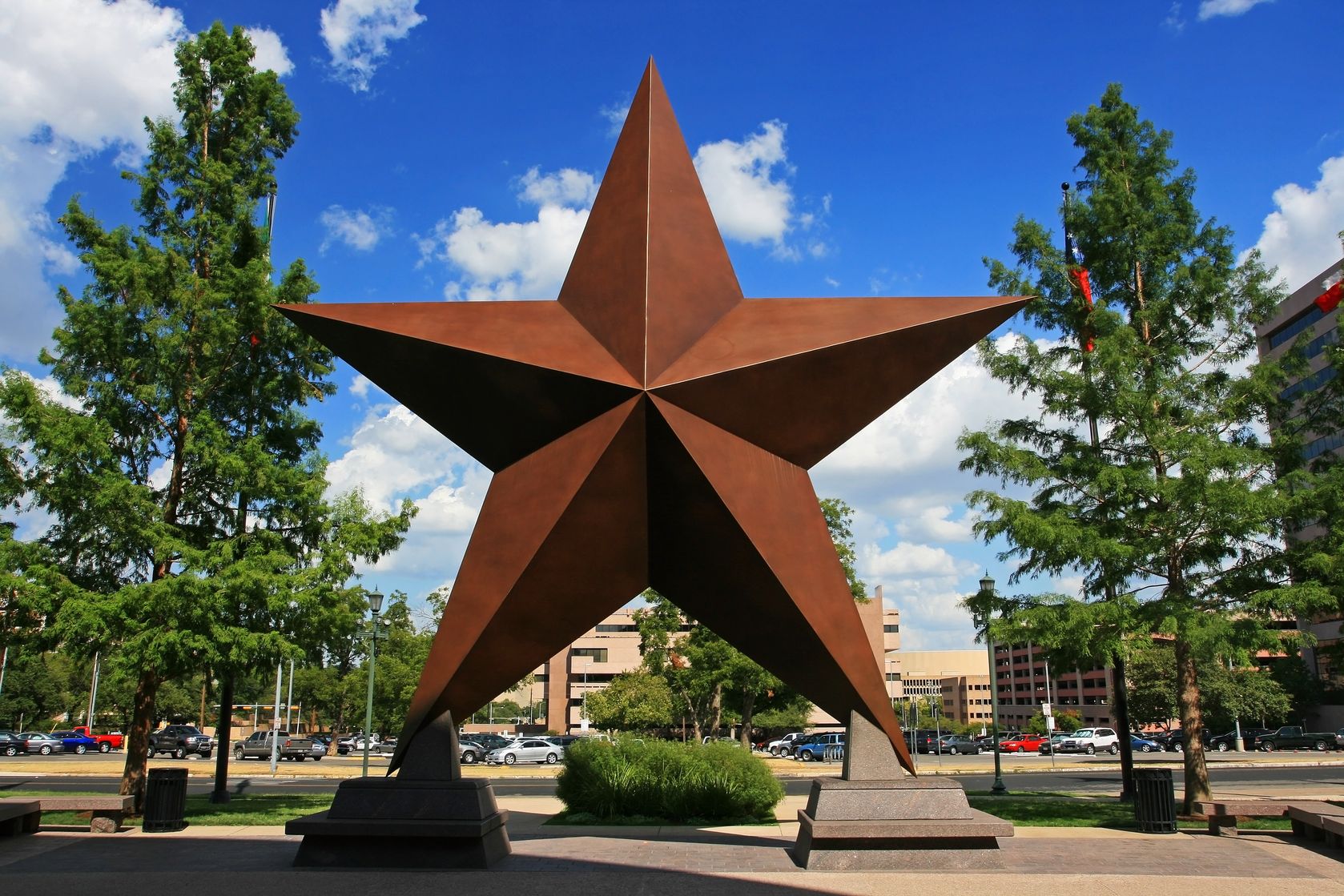
The Genesis of the Lone Star: A Historical Journey
The origin of the “Lone Star” dates back to the tumultuous years of the Texas Revolution in the 1830s. Before this period, Texas was a sparsely populated northern province of Mexico, attracting Anglo-American settlers with promises of land and opportunity. Figures like Stephen F. Austin, known as the “Father of Texas,” led the initial colonization efforts, bringing thousands of families from the United States to settle the fertile lands. However, growing tensions between the Texan colonists and the Mexican government, primarily over issues of central governance, slavery, and religious freedom, eventually erupted into open conflict.
The spark of rebellion ignited in 1835, leading to a series of battles that would forever alter the course of North American history. The iconic siege of the Alamo in San Antonio in March 1836, where a small band of Texan defenders bravely held out against overwhelming Mexican forces, became a powerful symbol of resistance and sacrifice. Though ultimately a defeat, the rallying cry “Remember the Alamo!” galvanized the Texan cause. Just weeks later, on April 21, 1836, General Sam Houston led the Texan army to a decisive victory at the Battle of San Jacinto, securing independence from Mexico.

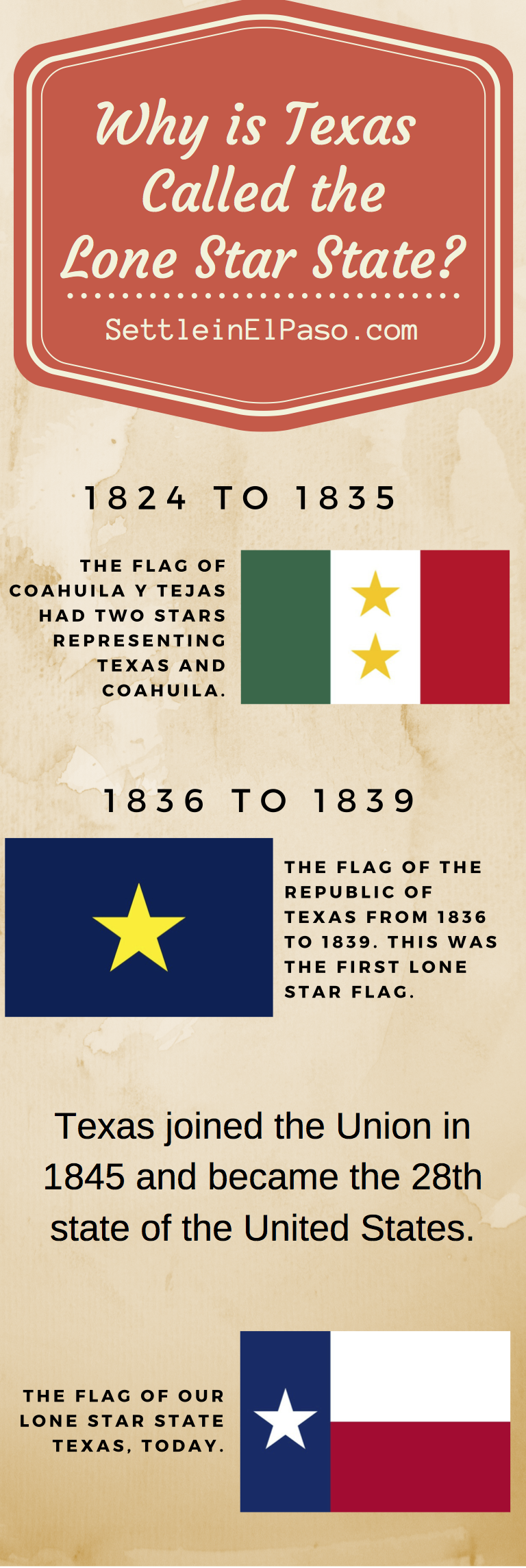
With independence achieved, the newly formed Republic of Texas needed its own distinct national symbols. Various flags were flown during the revolution, but one, in particular, began to gain prominence. The first flag to feature a lone star was likely the 1836 “Burnet Flag,” named after interim president David G. Burnet. This flag featured a single golden star on an azure field, intended to symbolize Texas standing alone in its fight for independence.
The official adoption of the Lone Star Flag, as we know it today, came on January 25, 1839. Designed by Senator Charles B. Stewart, this flag proudly displayed a broad vertical blue stripe at the hoist, containing a single white five-pointed star. To the right, two horizontal stripes of equal width – white above red – completed the design. The colors themselves held significant meaning: red for courage, white for purity, and blue for loyalty. The single star, prominently positioned, represented the unity of the new republic and its unwavering belief in its independent destiny. This flag flew proudly over the Republic of Texas for nearly a decade, a period of remarkable growth and diplomatic challenges. When Texas was annexed by the United States in 1845, becoming the 28th state, it remarkably retained its iconic flag as the official state flag, a testament to the profound significance of its independent past. The lone star, therefore, stands not just as a symbol of statehood but as a powerful historical marker of a nation that once was.
Symbolism Beyond the Banner: The Lone Star’s Enduring Legacy
The lone star is far more than just an element on the Texas flag; it is a profound and pervasive symbol that encapsulates the very spirit and identity of the state and its people. For Texans, the star represents a mosaic of virtues:
- Independence: It harkens back to the hard-won freedom from Mexico and the period as an independent republic, fostering a deep-seated sense of self-reliance and distinctiveness.
- Unity: Despite its vast geographical and cultural diversity, the single star symbolizes the unified spirit of all Texans, bound by a common heritage and pride in their state.
- Courage and Sacrifice: It serves as a permanent memorial to the brave men and women who fought and died for Texas’s liberty, embedding a legacy of valor into the state’s collective consciousness.
- Pride and Patriotism: The star instills an undeniable sense of fierce loyalty and pride among residents, often expressed through the saying “I wasn’t born in Texas, but I got here as fast as I could!”
This powerful symbolism permeates every aspect of Texan life. It appears on the Texas State Seal, adorns government buildings, and is a ubiquitous motif in state branding, from tourism campaigns to local businesses. Sports teams proudly incorporate the star into their logos, such as the instantly recognizable star on the helmets of the Dallas Cowboys or the emblem of the Houston Astros. Even in everyday life, the lone star is a fixture on license plates, clothing, jewelry, and countless local products, reinforcing a shared identity and a collective story.
Beyond its visual representation, the “Lone Star” embodies a distinct cultural ethos. It speaks to a pioneering spirit, a willingness to tackle challenges head-on, and a robust sense of hospitality. It evokes images of sprawling ranches, vast open spaces, and a strong connection to both Western heritage and modern innovation. The independent streak symbolized by the star is reflected in Texas’s conservative political leanings, its unique legal framework, and its often outspoken approach to national issues. This enduring legacy ensures that the “Lone Star State” is not just a name but a living, breathing testament to a remarkable past and an unwavering sense of self.
Experiencing the Lone Star State Today: Travel and Culture
For visitors, understanding the profound historical and cultural weight of the “Lone Star” transforms a trip to Texas from a mere vacation into an immersive journey through a land rich with stories. The state’s dedication to preserving its history and celebrating its unique identity makes it an unparalleled destination for travelers interested in history, culture, and authentic experiences. From majestic landmarks to vibrant cityscapes and mouth-watering cuisine, the spirit of the lone star is palpable everywhere.
Historical Landmarks and Monuments
No visit to Texas is complete without a pilgrimage to the sites that witnessed its fight for independence. These landmarks serve as tangible connections to the events that forged the Lone Star State and are meticulously preserved for future generations.
- The Alamo, San Antonio: This 18th-century Spanish mission and fortress compound is arguably the most iconic symbol of Texan courage. Visitors can walk the grounds where the legendary battle took place, explore the chapel, and reflect on the sacrifices made by its defenders. It’s a somber yet inspiring site that truly brings the “Remember the Alamo!” cry to life.
- San Jacinto Battleground State Historic Site and the San Jacinto Monument, near Houston: Standing taller than the Washington Monument, the San Jacinto Monument commemorates the decisive battle that secured Texas’s independence. Visitors can take an elevator to the observation deck for panoramic views of the battlefield and the surrounding area, including the Houston Ship Channel. The adjacent museum offers detailed exhibits on the revolution.
- Texas State Capitol, Austin: This magnificent pink granite building, completed in 1888, is the largest state capitol building in terms of gross floor area in the United States. Its grandeur reflects the pride and ambition of the Lone Star State. Free tours are available, offering insights into Texas government and history, with the lone star proudly displayed throughout its architecture.
- Washington-on-the-Brazos State Historic Site: Known as the “Birthplace of Texas,” this site is where the Declaration of Independence was signed and the constitution of the Republic of Texas was adopted in 1836. It offers a reconstructed town and interpretive centers that transport visitors back to the foundational moments of the state.
Iconic Texas Cities and Their Unique Flavors
Beyond historical sites, Texas’s major cities offer a diverse range of cultural experiences, each retaining a distinct Texan flavor while embracing modernity.
- San Antonio: Steeped in history, San Antonio is a vibrant blend of Spanish colonial heritage and modern charm. In addition to the Alamo, the city boasts the picturesque Riverwalk, a network of riverside pathways lined with shops, restaurants, and entertainment. The city is also home to four other Spanish colonial missions, collectively designated a UNESCO World Heritage Site.
- Austin: The state capital, Austin, is renowned as the “Live Music Capital of the World” and a hub for technology and innovation. It offers a progressive, eclectic vibe with a thriving arts scene, numerous outdoor activities along Lady Bird Lake, and an incredible culinary landscape, blending classic Texan traditions with modern gastronomic trends.
- Houston: As Texas’s largest city and the fourth-largest in the United States, Houston is a global city, famous for its contributions to space exploration at Space Center Houston, its diverse cultural institutions (including a world-class Museum District), and a dynamic food scene influenced by its multicultural population.
- Dallas & Fort Worth: These twin cities represent the dynamic contrast of Texas. Dallas is a sleek, modern metropolis known for its upscale shopping, vibrant arts scene, and business prowess. Fort Worth, meanwhile, embraces its “Cowboy Culture” heritage, famously seen in the Stockyards National Historic District, where visitors can witness daily cattle drives and experience authentic Western entertainment.
Culinary Delights of the Lone Star State
The cuisine of Texas is as diverse and flavorful as its history, offering unique culinary experiences that reflect its rich heritage. The lone star spirit is found in the bold flavors and generous portions typical of Texan fare.
- Texas BBQ: A national treasure, Texas BBQ is legendary. Brisket, slow-smoked over hardwoods like post oak, is king, but ribs, sausage, and turkey also feature prominently. Iconic BBQ joints like Franklin Barbecue in Austin or The Salt Lick BBQ near Driftwood attract enthusiasts from around the globe.
- Tex-Mex Cuisine: A delicious fusion of Texas and Mexican culinary traditions, Tex-Mex is a staple. From sizzling fajitas and cheesy enchiladas to hearty chili con carne and crispy tacos, Tex-Mex restaurants are ubiquitous and beloved across the state.
- Southern Comfort Food: Influence from the Deep South brings dishes like chicken-fried steak, fried okra, and pecan pie to tables across Texas, providing hearty and satisfying meals that reflect the state’s hospitality.
- Emerging Food Scenes: Beyond the classics, cities like Austin and Houston boast innovative fine dining restaurants and a burgeoning food truck culture, pushing culinary boundaries while respecting traditional flavors.
Planning Your Lone Star Adventure: Practical Tips for Visitors
Embarking on a journey through the Lone Star State offers an unparalleled variety of experiences, from historical deep dives to modern urban explorations and breathtaking natural escapes. To maximize your visit, consider these practical tips, aligning with the website’s focus on travel, accommodation, and lifestyle.
Accommodation Insights
Texas offers a vast spectrum of accommodation options to suit every preference and budget, ensuring a comfortable base for your adventures.
- Luxury Resorts: For those seeking opulent experiences, cities like Austin, Dallas, and Houston feature world-class hotels and resorts. Consider the sophisticated elegance of the Four Seasons Hotel Austin with its lakeside views, or the vibrant, art-filled ambiance of Hotel ZaZa Dallas. Many offer spa services, gourmet dining, and concierge services for a truly pampered stay.
- Boutique Hotels: For unique charm and personalized service, explore Texas’s growing collection of boutique hotels, often located in historic districts. These offer a local flavor and distinctive design, providing an intimate travel experience.
- Budget-Friendly Options: Travelers on a budget will find numerous chain hotels, motels, and vacation rentals across the state, particularly in larger cities and along major highways. State parks also offer cabins and camping facilities for an affordable, nature-immersed experience.
- Unique Stays: Embrace the Texan spirit with a stay at a dude ranch, offering horseback riding, cattle drives, and authentic cowboy experiences. Glamping sites are also becoming popular, providing a luxurious twist on outdoor adventures, especially in areas closer to national parks.
- Booking Essentials: Due to the popularity of events like South by Southwest (SXSW) in Austin or the Houston Livestock Show and Rodeo, it is highly recommended to book accommodation well in advance, especially during peak seasons or major festivals. Utilize comparison websites and read reviews to find the perfect fit for your needs.
Diverse Travel Experiences
The sheer size of Texas means that varied travel experiences are readily available, catering to every type of lifestyle.
- Road Trips: Texas is built for road trips. Its vast landscapes include arid deserts in the west, piney woods in the east, rolling hills in the center, and Gulf Coast beaches. Driving between major cities is an experience in itself, revealing the true diversity of the state. Plan for long distances and ensure your vehicle is well-maintained.
- Nature and Outdoors: Beyond its urban centers, Texas offers stunning natural beauty. Explore the rugged mountains and desert vastness of Big Bend National Park on the border with Mexico, hike the highest peaks in Guadalupe Mountains National Park, or enjoy birdwatching and fishing along the Gulf Coast. State parks like Palo Duro Canyon State Park, the “Grand Canyon of Texas,” provide ample opportunities for hiking, biking, and camping.
- Family-Friendly Trips: Texas is an excellent destination for family vacations, with attractions ranging from theme parks like Six Flags Over Texas and SeaWorld San Antonio to interactive museums and outdoor adventures.
- Business Stays: With major convention centers in Houston, Dallas, and Austin, Texas is a significant hub for business travel. Hotels are well-equipped with amenities for corporate guests, and cities offer excellent networking opportunities and entertainment.
- Local Culture and Etiquette: Texans are known for their warm hospitality. Expect friendly greetings and an eagerness to share their state’s unique heritage. Embrace the local pace, enjoy the regional dialects, and don’t be afraid to strike up a conversation.
In conclusion, the question “Why Texas is called the Lone Star State?” leads to a profound historical narrative of courage, independence, and the enduring spirit of a people determined to forge their own path. From the battlefields of the revolution to the bustling streets of its modern cities, the lone star remains a powerful emblem. It invites every visitor to explore its rich past, savor its vibrant present, and experience firsthand the unique blend of tradition and innovation that makes Texas an unforgettable destination. Whether you’re drawn by the history, the culture, the cuisine, or the wide-open spaces, the Lone Star State promises an adventure as big and bold as Texas itself.
LifeOutOfTheBox is a participant in the Amazon Services LLC Associates Program, an affiliate advertising program designed to provide a means for sites to earn advertising fees by advertising and linking to Amazon.com. Amazon, the Amazon logo, AmazonSupply, and the AmazonSupply logo are trademarks of Amazon.com, Inc. or its affiliates. As an Amazon Associate we earn affiliate commissions from qualifying purchases.