
The vast and diverse landscape of Texas has captivated travelers for centuries, a land where grand deserts meet lush forests, and bustling metropolises rise from historic plains. Yet, beyond its geographical marvels and vibrant culture, Texas holds a distinctive identity, proudly emblazoned with a single, potent symbol: the Lone Star. This iconic moniker, and the star it represents, isn’t merely a decorative element; it’s a profound emblem rooted deeply in the state’s tumultuous fight for independence and its enduring spirit of self-reliance. Understanding why Texas is called the Lone Star State means embarking on a journey through its remarkable history, a narrative of defiance, courage, and the birth of a nation within a nation.

For those planning to explore the diverse destinations and attractions of Texas, appreciating this historical context enriches every experience, from visiting hallowed landmarks to immersing oneself in the unique local culture. It’s a story that resonates in the architecture of its cities, the warmth of its hospitality, and the expansive, independent spirit that defines the Texan lifestyle.
Historical Roots of the Lone Star
The story of the Lone Star begins not with the United States, but with Mexico and the aspirations of American settlers. In the early 19th century, Texas was a sparsely populated frontier region of Mexico, itself newly independent from the Spanish Empire. To bolster its population and develop the territory, Mexico invited Anglo-American colonists to settle in Texas, granting them large tracts of land under the condition that they become Mexican citizens, convert to Catholicism, and abide by Mexican law. Thousands, drawn by the promise of fertile land and new opportunities, flocked to the region.
However, cultural differences and political tensions soon mounted. The predominantly Protestant, English-speaking settlers found themselves increasingly at odds with the Mexican government, particularly concerning issues like slavery (which Mexico had abolished) and centralist rule. As Mexico shifted towards a more centralized government under General Antonio López de Santa Anna, the Texans’ desire for greater autonomy and self-governance intensified, ultimately sparking the Texas Revolution.
From Mexican Province to Independent Republic
The flames of rebellion ignited in 1835. Skirmishes like the Battle of Gonzales marked the initial clashes, but it was the tragic sieges of the Alamo in San Antonio and the massacre at Goliad that truly galvanized the Texan resolve for complete independence. These events, though military defeats, became powerful symbols of sacrifice and courage, uniting the disparate factions of Texans against Mexican rule.
On March 2, 1836, while the Alamo was still under siege, delegates gathered at Washington-on-the-Brazos to declare independence, establishing the Republic of Texas. This bold declaration, drawing inspiration from the American Declaration of Independence, set the stage for a dramatic and decisive conflict. Led by General Sam Houston, the Texan army, though often outnumbered and poorly equipped, surprised and decisively defeated General Santa Anna’s forces at the Battle of San Jacinto on April 21, 1836. This swift victory secured Texan independence, enshrined in the subsequent Treaty of Velasco.
The Birth of the Lone Star Flag
With independence secured, the fledgling Republic of Texas needed a national identity, a symbol to rally its citizens and represent its unique status. Several flags were adopted during the early days of the revolution, but the one that ultimately captured the essence of the new republic was the “Lone Star Flag,” designed by Charles B. Stewart (though its exact designer is sometimes debated, Dr. Charles B. Stewart is most commonly credited). This flag was officially adopted by the Republic of Texas Congress on January 25, 1839.
The flag features a broad vertical blue stripe on the hoist side, containing a single white five-pointed star. The fly side is composed of two horizontal stripes: a white one above a red one. The colors themselves are symbolic: the blue represents loyalty, the white stands for purity, and the red signifies bravery. But it is the single white star that truly defines the flag and the state. It embodies Texas’s unity as one, undivided republic, and its solitary declaration of independence from Mexico. It was a testament to the fact that Texas stood alone, a sovereign nation charting its own course, an aspiration championed by figures like Stephen F. Austin, often called the “Father of Texas,” and presidents of the republic such as Sam Houston and Mirabeau B. Lamar.
For nine years, Texas existed as an independent nation, recognized by several major world powers, before voluntarily joining the United States in 1845. Upon annexation, the Lone Star Flag became the state flag of Texas, solidifying the “Lone Star State” as its official and beloved nickname, a constant reminder of its brief but proud era as an independent republic.
Symbolism and Enduring Legacy
The Lone Star is more than just a historical relic; it is a living symbol that continues to shape the identity and perception of Texas. Its legacy is woven into the fabric of Texan culture, influencing everything from state pride to its unique approach to governance and lifestyle.
A Star of Independence and Unity
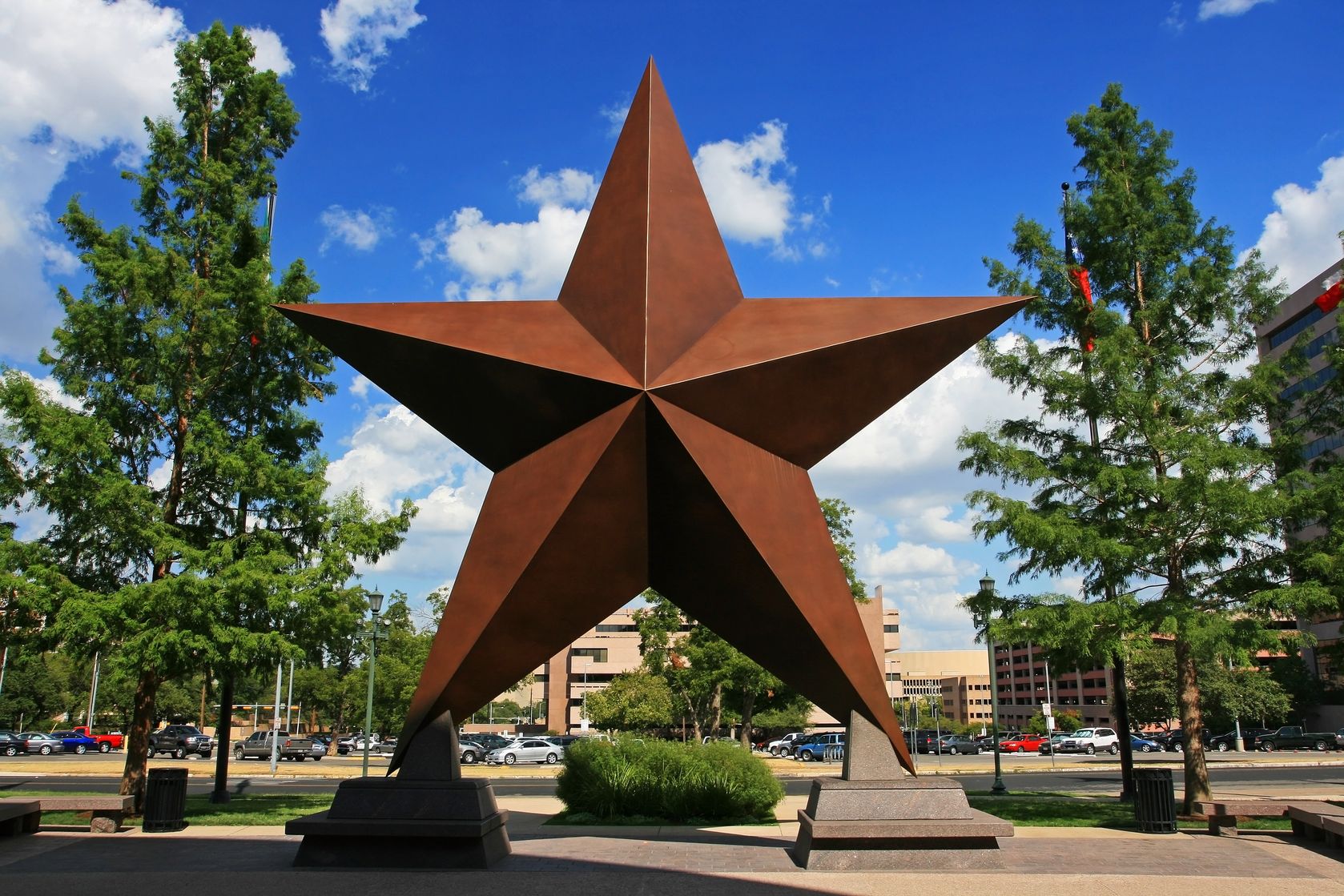
The singular star on the flag profoundly symbolizes Texas’s independent spirit and its unity as a state. During its time as a republic, the star represented its singular status among nations. Upon joining the United States, the star seamlessly transitioned to symbolize Texas’s unique place within the Union — a state that was once its own country. This historical distinction fosters a strong sense of pride and a fiercely independent streak among Texans, a character trait often observed by visitors.
The star also stands for the unity of the people of Texas, regardless of their diverse backgrounds. From the early Anglo settlers to the Hispanic population who predated them, and the myriad cultures that have since made Texas their home, the Lone Star serves as a unifying emblem, transcending demographics to represent a shared Texan identity. This unity is especially visible during challenging times, when Texans come together under the banner of the Lone Star to support one another.
The Lone Star in Texas Culture Today
Today, the Lone Star is ubiquitous across Texas. It adorns the Texas State Capitol building in Austin, appears on state highway markers, and is a prominent feature in countless business logos, sports team emblems, and souvenir shops throughout the state. From the Dallas Cowboys to the Texas Rangers baseball team, the star is a powerful brand identifier, instantly recognizable worldwide.
Beyond official symbols, the Lone Star permeates daily life and local culture. It’s on clothing, jewelry, and even food products. The phrase “Lone Star State” is a point of pride, evoking images of vast open spaces, rugged individualism, and a welcoming spirit. For many, it’s a reminder of a rich heritage and a symbol of resilience. This cultural embrace ensures that visitors exploring Texas will encounter the Lone Star’s influence at every turn, deepening their understanding of this unique destination. It’s a testament to how deeply history can brand a place, turning a simple geometric shape into a profound statement of identity and belonging.
Experiencing the Lone Star State
For travelers, the nickname “Lone Star State” serves as an invitation to discover a destination unlike any other. It promises a journey through a land shaped by both its groundbreaking history and its forward-looking ambition, offering a wealth of experiences from vibrant city life to awe-inspiring natural wonders.
Texas’s Iconic Landmarks and Attractions
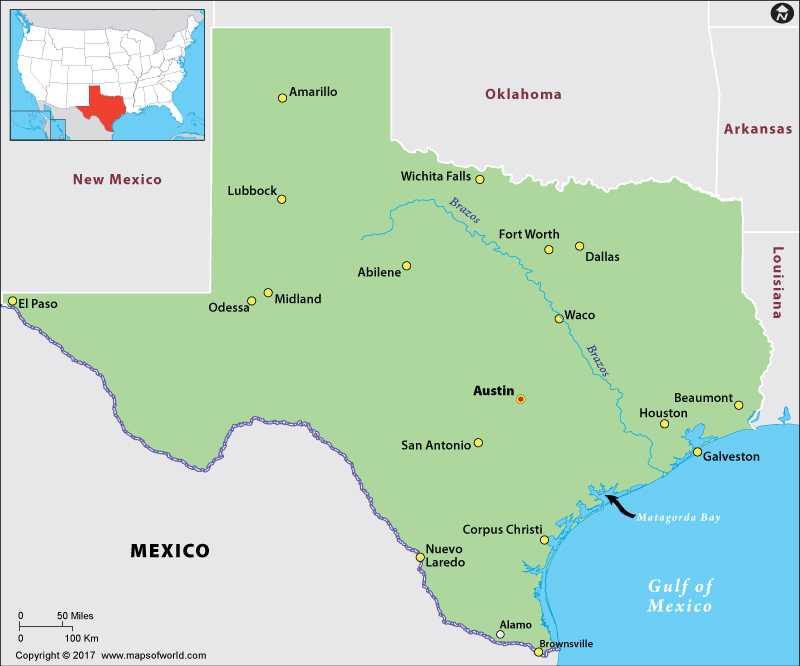
Exploring the landmarks of Texas often means stepping back into the very history that gave rise to its Lone Star identity. In San Antonio, the venerable Alamo stands as a poignant reminder of the fight for independence, a must-visit for anyone interested in American history. Nearby, the famous Riverwalk offers a charming blend of historical ambiance and modern leisure, with hotels and restaurants lining the scenic waterway.
In Houston, the NASA Johnson Space Center (home to the public visitor complex Space Center Houston) showcases Texas’s contributions to space exploration, a testament to its pioneering spirit. Dallas boasts a thriving Dallas Arts District and historical sites, while neighboring Fort Worth preserves its Western heritage in the Fort Worth Stockyards National Historic District, offering daily cattle drives and authentic rodeo experiences.
Beyond the major cities, the natural landmarks are equally compelling. Big Bend National Park in West Texas offers dramatic desert landscapes, mountainous terrain, and unique biodiversity along the Rio Grande border with Mexico. The Guadalupe Mountains National Park features the highest peak in Texas, while the Padre Island National Seashore on the Gulf Coast provides miles of pristine undeveloped coastline, ideal for wildlife viewing and relaxation. For family-friendly entertainment, destinations like Six Flags Over Texas and Schlitterbahn waterparks offer thrilling adventures.
Lifestyle and Travel in the Heart of Texas
The Texan lifestyle is as diverse as its geography, ranging from the sophisticated urban culture of Dallas and Houston to the laid-back charm of its small towns and the rugged authenticity of its ranches. Luxury travel experiences can be found in high-end resorts in Austin’s Hill Country, offering spa treatments and fine dining amidst picturesque vineyards, particularly around Fredericksburg, a town with rich German heritage. For those interested in a more opulent peek into Texan lore, a visit to Southfork Ranch, famous from the TV show “Dallas,” offers a unique attraction.
Budget-conscious travelers will find plenty of affordable accommodation options and free attractions, from exploring vast state parks to enjoying vibrant street art scenes in cities. Family trips are well-catered with numerous amusement parks, museums, and educational sites like the Space Center Houston. Business stays are facilitated by world-class convention centers and hotels in major cities, which are also hubs for innovation and industry.
Local culture is deeply ingrained in the Texan lifestyle. Visitors can savor legendary Texas barbecue, experience the lively music scene of Austin (the “Live Music Capital of the World”), or witness a thrilling rodeo at the Houston Livestock Show and Rodeo. Festivals abound, from the interactive tech and music festival South by Southwest to the Austin City Limits Music Festival and the grand State Fair of Texas in Dallas.
Whether travelers are seeking historical immersion, outdoor adventure, cultural exploration, or simply a taste of that legendary Texan hospitality, the Lone Star State offers an expansive canvas of possibilities. Its nickname is not just a historical footnote but a living testament to a spirit of independence, unity, and grandeur that continues to define this magnificent part of North America. When you visit Texas, you’re not just seeing a state; you’re experiencing a legacy, all under the enduring gaze of that single, proud star.
LifeOutOfTheBox is a participant in the Amazon Services LLC Associates Program, an affiliate advertising program designed to provide a means for sites to earn advertising fees by advertising and linking to Amazon.com. Amazon, the Amazon logo, AmazonSupply, and the AmazonSupply logo are trademarks of Amazon.com, Inc. or its affiliates. As an Amazon Associate we earn affiliate commissions from qualifying purchases.