
The moniker “The Windy City” for Chicago is one of the most enduring and widely recognized nicknames for any American metropolis. Yet, despite its ubiquitous use, the origin of this descriptive title is often misunderstood. While many assume it’s a straightforward reference to the city’s famously brisk breezes sweeping off Lake Michigan, the truth is a bit more nuanced, involving a blend of meteorological conditions, spirited local debate, and even a touch of journalistic rivalry. Understanding why Chicago earned this nickname requires a dive into its history, its geography, and the very essence of its energetic spirit.
The Meteorological Reality: More Than Just Breezes
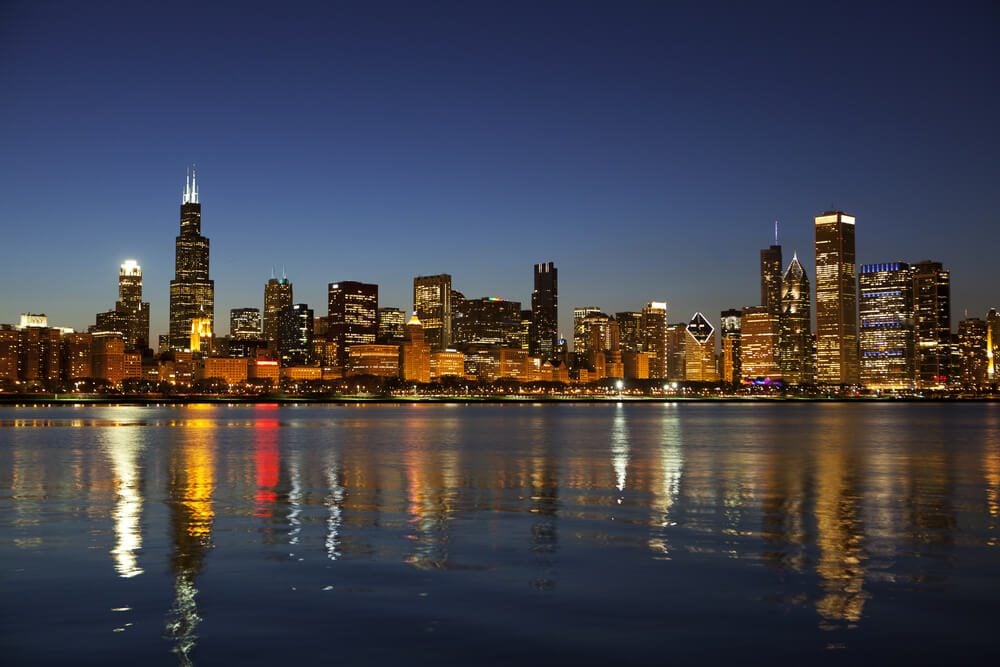
It’s undeniable that Chicago is a windy city. Its location on the southwestern shore of Lake Michigan plays a significant role in this. The vast, open expanse of the lake acts as a natural conduit, funneling air currents directly into the city. In the summer, this can provide a welcome, cooling breeze, a respite from the often-oppressive humidity. In the winter, however, these winds can be relentless, biting, and bone-chilling, adding to the already harsh conditions.
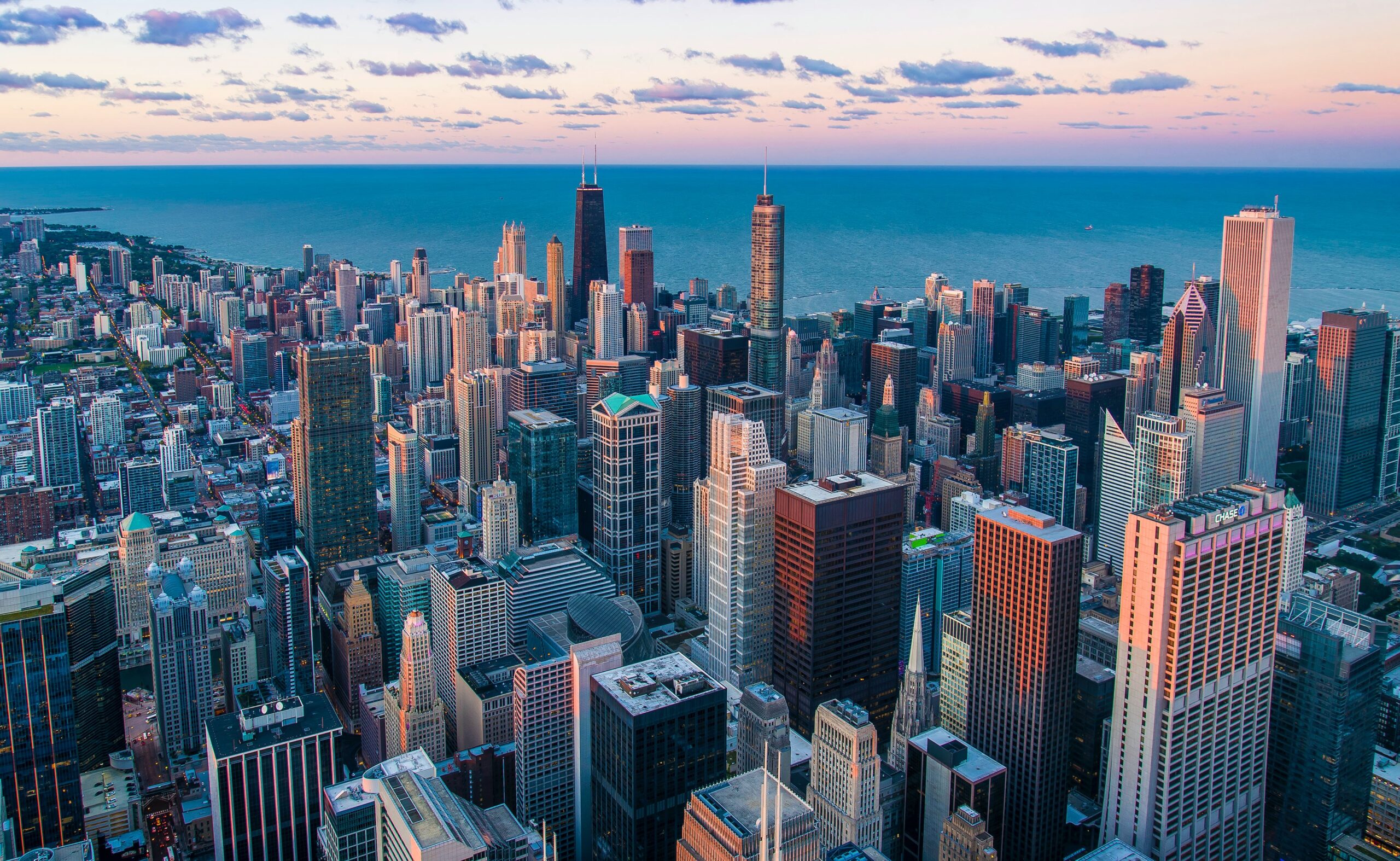
The city’s topography, or lack thereof, also contributes. Unlike cities nestled in valleys or surrounded by mountains, Chicago is built on a relatively flat plain. This lack of natural windbreaks allows gusts to travel unimpeded across the landscape. Furthermore, the urban environment itself, with its tall buildings, can create unique wind patterns known as the “urban canyon effect.” While this can sometimes shelter pedestrians from direct wind, it can also channel and accelerate breezes between skyscrapers, leading to surprisingly strong gusts at street level.
However, while the wind is a genuine and constant factor in the Chicago experience, simply attributing the nickname to this meteorological reality is an incomplete picture. Many other cities are also known for their windy conditions, yet none have captured the public imagination with a nickname quite like “The Windy City.” This suggests that other forces were at play in solidifying the moniker.
The Rise of the Nickname: Journalism and Civic Pride
The widespread adoption of “The Windy City” as Chicago‘s nickname is largely credited to the late 19th and early 20th centuries, a period of intense growth and civic pride for the city. It was during this era that newspapers began to play a more prominent role in shaping public perception, and the nickname became a tool for both commentary and, sometimes, playful ribbing.
One of the most frequently cited origins points to Charles Dana, the editor of the New York Sun. In the 1890s, he is said to have derisively called Chicago “the windy city” in reference to the boastful and often exaggerated claims made by its residents and promoters. Chicago was undergoing a massive boom, driven by its central role in transportation, industry, and commerce. Its citizens were proud and eager to showcase their city’s achievements, and Dana may have perceived this enthusiasm as mere hot air.
Another prominent theory links the nickname to the fierce rivalry between Chicago and Cincinnati, particularly surrounding the bid for the 1893 World’s Columbian Exposition. Cincinnati, a more established city at the time, was also vying for the prestigious event. Chicago‘s boosters were particularly vocal and passionate in their campaign, leading some to label them as overly verbose and, therefore, “windy.” The story goes that a Cincinnati sportswriter, frustrated by Chicago‘s persistent lobbying, used the term “windy” to describe its politicians and residents, and the term stuck.
Regardless of which specific journalistic encounter first popularized the term, it’s clear that the press played a crucial role. Once the nickname appeared in print, it gained traction, resonating with both Chicago residents and outsiders. For those within the city, it evolved from a potentially negative descriptor to a badge of honor, reflecting their city’s ambitious spirit and undeniable energy.
The “Windy City” in Print: Early Mentions and Evolution
The earliest recorded uses of “Windy City” in relation to Chicago are indeed found in journalistic contexts. For instance, an article in The New York Times in 1889 referred to Chicago as the “windy city,” in the context of a discussion about its rapid growth and the ambitious nature of its citizens. However, it wasn’t until the 1890s that the term truly began to gain widespread recognition.
The popularity of the nickname coincided with a period of significant urban development and the rise of iconic Chicago landmarks. The construction of early skyscrapers, like the Home Insurance Building, and the burgeoning cultural scene, with institutions like the Art Institute of Chicago, were all part of Chicago‘s self-promotion. The “windy” label, in this context, could be interpreted not just as boastfulness, but as a reflection of the city’s dynamic and forward-looking attitude.
Over time, the negative connotations associated with “windy” began to fade. The nickname became shorthand for a city that was full of life, ambition, and a certain unpretentious swagger. Tourists visiting Chicago would hear the nickname and experience the actual winds, often drawing a direct and satisfying connection. The nickname became deeply ingrained in the city’s identity, a testament to its resilience and its vibrant character.

Beyond the Breeze: The Spirit of The Windy City
While the literal winds and journalistic origins are important pieces of the puzzle, the enduring appeal of “The Windy City” lies in its ability to encapsulate the spirit of Chicago itself. The nickname suggests more than just atmospheric conditions; it speaks to the character of the city and its people.
Chicago is a city built on ambition and resilience. It rose from humble beginnings to become a global hub, overcoming immense challenges, including the Great Chicago Fire of 1871. The spirit of rebuilding, of innovation, and of pushing boundaries is deeply embedded in its DNA. This relentless drive, this constant striving for more, can be seen as a form of “windiness” – a boundless energy and a refusal to be stagnant.
The city is also known for its directness and its no-nonsense attitude. Chicago residents are often perceived as being down-to-earth, practical, and unpretentious. This frankness, this willingness to speak one’s mind, can also be associated with being “windy” in the sense of being forthright. It’s a spirit that embraces action and achievement, a city that doesn’t shy away from expressing its bold vision.
Furthermore, the nickname has become a point of civic pride. Chicagoans embrace “The Windy City” and wear it as a badge of honor. It differentiates them, setting them apart from other cities. It’s a name that evokes images of towering skyscrapers, bustling streets, passionate sports fans, and a rich cultural tapestry. It’s a nickname that, while perhaps originating in a bit of jest, has come to represent the very essence of Chicago’s unique character and enduring allure.
When visitors arrive in Chicago, whether they are staying in a luxury suite at the Ritz-Carlton Chicago, exploring world-class museums like the Field Museum, or marveling at the architecture along the Chicago River, they often find themselves experiencing both the literal winds and the intangible spirit that the nickname so perfectly captures. It’s a city that blows you away, not just with its weather, but with its energy, its ambition, and its undeniable charm. The “windy” nature of Chicago is a multifaceted descriptor, a testament to its geography, its history, and the indomitable spirit of its people. From the vastness of Lake Michigan to the bustling streets of the Loop, the nickname remains a fitting and beloved identifier for this iconic American metropolis.