
New York City, a global epicenter of finance, fashion, art, and culture, is known by many names, but none are as iconic and universally recognized as “The Big Apple.” This intriguing nickname evokes a sense of grandeur, opportunity, and irresistible allure, much like a prized apple among a basket of fruit. But how did this bustling metropolis, a beacon of human endeavor on the eastern coast of the United States, come to acquire such a distinctive and delicious moniker? The story is not merely a curious linguistic quirk; it’s a fascinating journey through the city’s vibrant history, deeply intertwined with its evolution into a premier destination for travel, tourism, and a myriad of unforgettable lifestyle experiences. For anyone planning a trip, seeking accommodation, or simply exploring the world’s most famous landmarks, understanding the essence of “The Big Apple” offers a deeper appreciation of what makes New York so captivating.
The nickname itself has transcended its origins, becoming synonymous with the city’s larger-than-life persona, attracting millions of visitors who come to taste a slice of its unparalleled energy. From the soaring skyscrapers to the bustling streets, the vibrant arts scene to the culinary melting pot, New York truly embodies the idea of being the “biggest and best” – an apple too grand to ignore. This comprehensive exploration delves into the historical roots of the nickname, unpacks its popularization, and connects it to the modern-day appeal of New York as a leading global destination, examining how its unique identity shapes travel, hotels, tourism, accommodation, landmarks, and lifestyle.

Unearthing the Origins of the Iconic Moniker
The phrase “The Big Apple” wasn’t simply coined overnight or by a city marketing campaign. Its roots are organically embedded in the lexicon of a specific subculture, far removed from the city’s glossy image of today. The journey to its widespread adoption is a testament to the power of language, media, and cultural influence, culminating in a nickname that perfectly encapsulates the city’s magnetic pull.
A Horse Racing Tale in the Early 20th Century
The most widely accepted and historically supported origin story of “The Big Apple” traces back to the vibrant world of horse racing in the early 20th century. The credit for popularizing the term largely goes to a sports writer named John J. Fitz Gerald. In the 1920s, Fitz Gerald covered horse racing for the New York Morning Telegraph, a prominent newspaper of its time.
Fitz Gerald first encountered the term during a chance conversation with stable hands in New Orleans. These stable hands were referring to the racecourses in New York City as “the Big Apple.” For them, participating in horse races in New York represented the pinnacle of their profession – the ultimate prize, the biggest and most desirable “apple” from the tree of racing. It was the dream, the destination where the richest purses and the highest prestige awaited.
Intrigued by the metaphor, Fitz Gerald began using the term in his daily horse racing column, which he aptly titled “Around the Big Apple.” He first explicitly mentioned its origin in a column on February 18, 1924, writing: “The Big Apple. The dream of every lad that ever threw a leg over a thoroughbred and the goal of all horsemen. There’s only one Big Apple. That’s New York.” Through his influential writing, the term started to seep into the public consciousness, initially within the horse racing community, but gradually expanding its reach. This early adoption highlights the city’s long-standing status as a place of ambition and high stakes, themes that continue to resonate with visitors and residents today, whether they are seeking business opportunities, cultural enrichment, or simply an extraordinary travel experience.
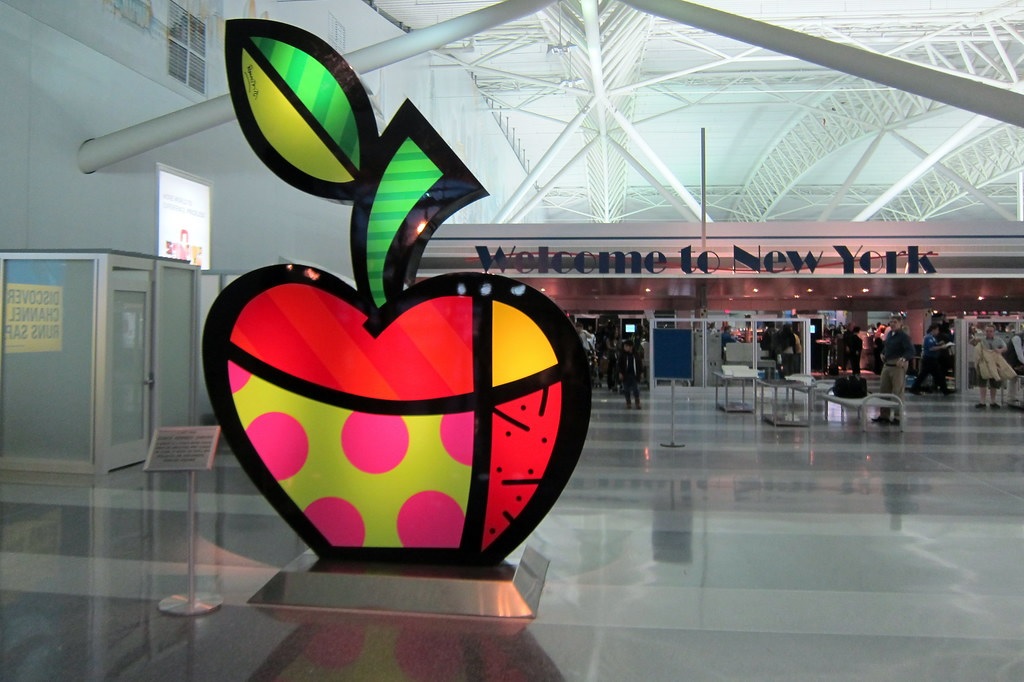
Jazz Age Resonance and Beyond
While John J. Fitz Gerald introduced “The Big Apple” to a wider audience, it was during the effervescent Jazz Age of the 1930s that the nickname truly began to gain widespread cultural traction, particularly within the vibrant jazz music scene. Jazz musicians and performers adopted the term to refer to New York City as the ultimate gig, the premier place to play and make it big. For ambitious artists, performing in New York meant they had reached the top; they were playing in “the Big Apple,” a place where careers were made and dreams realized.
This association with success and prestige was further cemented by a popular dance of the era, also called “The Big Apple,” which originated in the South but quickly found its way to New York’s ballrooms and clubs. The dance’s popularity contributed to the informal spread of the nickname, making it recognizable beyond the realms of horse racing and jazz.
Despite its growing popularity, “The Big Apple” saw a decline in use in the mid-20th century, becoming somewhat quaint. However, its resurgence came in the 1970s, largely due to a highly successful tourism campaign spearheaded by Charles Gillett, the president of the New York Convention and Visitors Bureau. At a time when New York City was struggling with a negative public image, Gillett launched a campaign featuring bright red apples, aimed at rebranding the city as a fun, exciting, and inviting destination. The campaign was a resounding success, firmly re-establishing “The Big Apple” as the city’s official and beloved nickname. This strategic use of the historical moniker highlights the powerful connection between a city’s identity and its appeal as a global hub for travel and tourism, transforming perception and drawing visitors back to its incredible array of attractions.
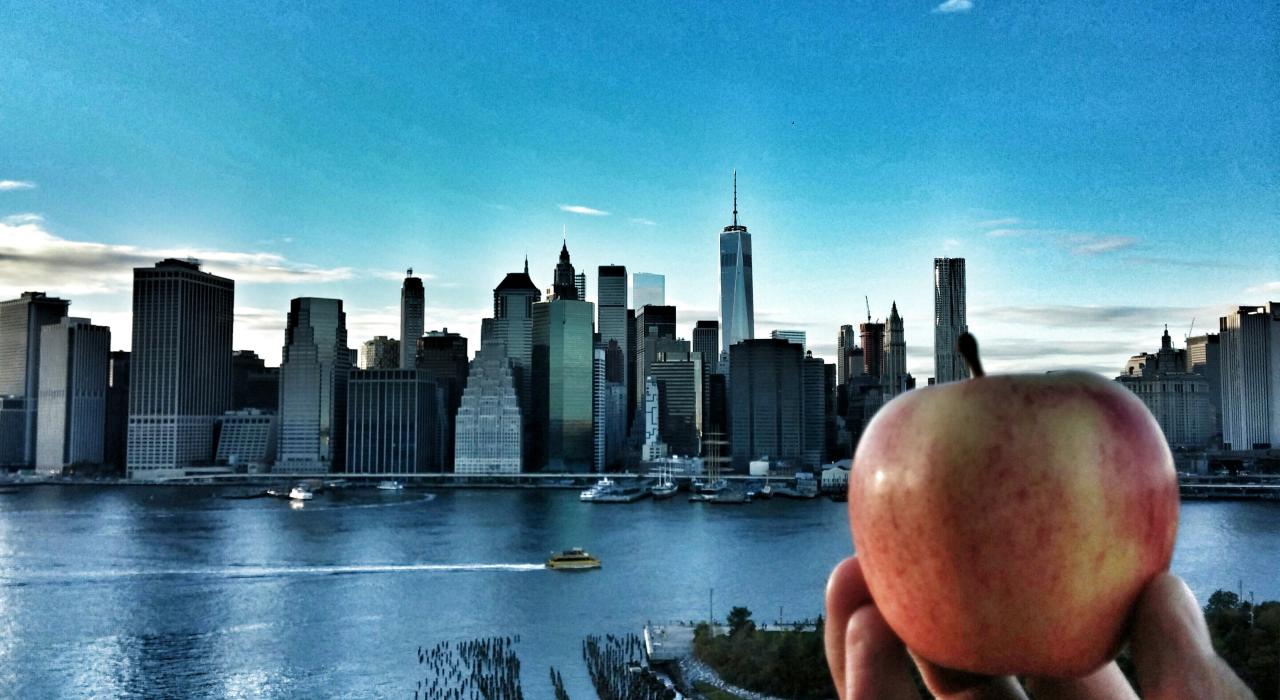
The Big Apple’s Enduring Appeal: A Travel and Tourism Magnet
The nickname “The Big Apple” doesn’t just tell a story of origin; it encapsulates the very essence of New York City as a premier travel destination. It signifies ambition, grandeur, and an unmatched array of experiences that cater to every type of traveler. From its iconic skyline to its diverse neighborhoods, New York offers a smorgasbord of attractions that draw millions annually, eager to bite into its unique flavor of urban adventure. This intrinsic appeal is what makes it a cornerstone for global tourism, driving demand for travel guides, hotel bookings, and a deep dive into local culture.
Landmarks and Attractions That Define the Metropolis
When one thinks of “The Big Apple,” images of world-renowned landmarks immediately spring to mind, each a testament to human ingenuity and cultural significance. These attractions form the backbone of the city’s tourism industry, guiding visitors through a landscape of history, art, and vibrant modern life.
The Statue of Liberty, a colossal neoclassical sculpture on Liberty Island in New York Harbor, stands as a universal symbol of freedom and democracy, welcoming immigrants and visitors alike to America’s shores. A ferry trip to visit Lady Liberty and the Ellis Island National Museum of Immigration is a poignant experience for many, embodying the dream of opportunity that “The Big Apple” represents.
Soaring above the urban sprawl, the Empire State Building offers breathtaking panoramic views of the city, especially from its observation decks. This architectural marvel, once the world’s tallest building, remains an iconic beacon of New York’s ambition and engineering prowess. Similarly, the contemporary One World Trade Center provides another stunning vantage point, symbolizing resilience and rebirth.
Times Square, the “Crossroads of the World,” is an electrifying hub of dazzling billboards, street performers, and non-stop energy. It’s a must-see for its sheer spectacle, often serving as the vibrant heart of the city’s New Year’s Eve celebrations. Just a few blocks away, the historic Broadway theater district beckons with world-class musicals and plays, offering unparalleled live entertainment that defines a quintessential New York experience. Exploring these attractions, visitors often seek detailed guides and travel tips to navigate the vast offerings, making the most of their journey through this iconic urban landscape.
For those seeking tranquility amidst the urban hustle, Central Park provides a sprawling green oasis. This meticulously designed urban park is a landmark in itself, offering everything from leisurely strolls and boat rides to ice skating and open-air concerts. It’s a testament to urban planning and a beloved retreat for both residents and tourists.
Cultural institutions abound, with the Metropolitan Museum of Art, often called “The Met,” standing as one of the world’s largest and finest art museums, boasting collections spanning 5,000 years of human creativity. The Museum of Modern Art (MoMA), the Guggenheim Museum, and the American Museum of Natural History further solidify New York’s reputation as a cultural capital, drawing art enthusiasts and history buffs from across the globe. These landmarks collectively showcase why New York truly is “The Big Apple” – offering the grandest and most diverse array of experiences on a single plate.
Culinary Delights and Cultural Immersions
Beyond its iconic landmarks, “The Big Apple” offers an unparalleled journey into local culture and culinary excellence, making it a dream destination for foodies and culture seekers. The city’s immense diversity is perhaps best sampled through its gastronomy, reflecting centuries of immigration and innovation. This aspect of tourism allows visitors to truly immerse themselves in the lifestyle of New York.
From gourmet Michelin-starred restaurants to humble street food vendors, New York City’s food scene is a vibrant tapestry of global flavors. Visitors can savor authentic Italian pasta in Little Italy, explore the vast array of Asian cuisines in Chinatown or Flushing, Queens, or indulge in traditional Jewish delis for a classic pastrami on rye. The city is also famous for its iconic street foods – from hot dogs and pretzels sold from carts on almost every corner to the countless pizza slices that represent a quick, delicious, and affordable meal. No visit to “The Big Apple” would be complete without trying a genuine New York bagel with schmear, an institution unto itself.
The cultural immersion extends beyond food. New York is a city of neighborhoods, each with its distinct character and charm. Exploring areas like the bohemian Greenwich Village, the artistic SoHo, the trendy Williamsburg in Brooklyn, or the historic streets of Harlem offers a deeper insight into the varied lifestyles and communities that make up the city. These explorations provide rich opportunities for unique experiences, whether it’s catching a live jazz performance, discovering independent art galleries, or simply people-watching in a bustling café. Tourism in New York is not just about seeing; it’s about experiencing, tasting, and living the vibrant pulse of a city that constantly reinvents itself, much like the ever-evolving cultural landscape that makes it “the biggest and best apple” for every palate.
Experiencing The Big Apple: Accommodation and Lifestyle Choices
To truly savor “The Big Apple” experience, choosing the right accommodation and tailoring your visit to your preferred lifestyle are paramount. New York City offers a spectrum of lodging options, from opulent luxury hotels to charming boutique stays and practical long-term apartments, catering to every budget and preference. Similarly, the city itself embraces a multitude of lifestyles, making it an ideal destination for luxury travelers, budget-conscious adventurers, family vacationers, and business professionals alike.
From Luxury Suites to Boutique Stays
The accommodation landscape in New York is as diverse as its population, promising a comfortable and convenient base for exploring the city. For those seeking the epitome of luxury, Manhattan boasts an impressive collection of world-renowned hotels. The iconic Plaza Hotel, overlooking Central Park, offers a timeless blend of grandeur and sophisticated service, providing an experience synonymous with old-world New York elegance. The St. Regis New York, known for its impeccable butler service and exquisite interiors, caters to a discerning clientele. Other luxury options include the Ritz-Carlton Central Park and the Mandarin Oriental New York, both offering unparalleled amenities and stunning city views. These establishments embody the “Big Apple” in terms of lavishness and top-tier hospitality, often featuring grand suites, fine dining, and spas.
For travelers who prefer a more intimate and unique lodging experience, New York also excels in its boutique hotel offerings. Hotels like the Greenwich Hotel in TriBeCa, co-owned by Robert De Niro, offer bespoke design, personalized service, and a distinct character. These smaller, often stylish properties provide a more curated stay, focusing on local charm and individual flair, appealing to guests looking for something beyond the conventional hotel experience.
Beyond traditional hotels, the city offers an extensive range of apartments, villas, and serviced residences, ideal for longer stays, family trips, or those seeking a more residential feel. Platforms for booking and comparison sites are essential tools for navigating the vast options, enabling travelers to find everything from budget-friendly rooms in trendy neighborhoods like Brooklyn to spacious, amenity-rich apartments perfect for business stays or extended vacations. Reviews play a crucial role in decision-making, helping visitors select the perfect accommodation that aligns with their travel goals and budget, ensuring their “Big Apple” adventure is as comfortable as it is exciting.
Crafting Your Ideal New York Lifestyle Experience
“The Big Apple” isn’t just a place to visit; it’s a lifestyle to be experienced, tailored to individual preferences. Whether you’re a luxury seeker, a budget-conscious explorer, or traveling with family or for business, New York offers a plethora of activities and amenities to create your ideal trip.
Luxury Travel: For the affluent traveler, New York promises an extravagant lifestyle experience. This could involve exclusive shopping sprees on Fifth Avenue, dining at Michelin-starred restaurants, attending private art gallery viewings, or enjoying VIP access to Broadway shows. Luxury accommodation, private tours, and high-end services ensure a seamless and indulgent journey through the city’s opulent offerings.
Budget Travel: Despite its reputation for expense, “The Big Apple” can also be enjoyed on a budget. There are countless free attractions, such as walking across the Brooklyn Bridge, exploring Central Park, or taking a free ferry ride past the Statue of Liberty to Staten Island. Street food, affordable ethnic eateries, and hostels or budget hotels in areas like Queens or downtown Manhattan make the city accessible to all. Utilizing city passes and public transport can also significantly reduce costs, allowing travelers to experience the vibrant pulse of New York without breaking the bank.
Family Trips: New York is a fantastic destination for families, offering attractions that appeal to all ages. The American Museum of Natural History, the Intrepid Sea, Air & Space Museum, and the famous toy store FAO Schwarz provide engaging experiences for children. Family-friendly hotels often offer suites and amenities like pools or kids’ clubs, ensuring a comfortable stay for everyone.
Business Stays: For professionals, New York is a hub of commerce and innovation. Business travel often involves stays in hotels with excellent connectivity, conference facilities, and prime locations near financial districts or convention centers. Serviced apartments offer flexibility for longer assignments, combining comfort with practical amenities, supporting productivity while allowing professionals to experience the city’s dynamic business environment.
No matter the chosen lifestyle, New York offers an endless tapestry of experiences. From exploring vibrant neighborhoods and enjoying world-class entertainment to savoring diverse cuisines and engaging with the city’s rich history, “The Big Apple” truly provides an unmatched stage for any kind of traveler. Its iconic nickname perfectly captures its role as the ultimate destination, promising grandeur, opportunity, and an unforgettable journey for all who visit.
In conclusion, the story of “Why was New York called The Big Apple?” is more than a historical footnote; it’s a narrative deeply woven into the fabric of the city’s identity. From the ambition of horse racing stable hands to the aspirations of jazz musicians and the strategic branding efforts of tourism bureaus, the moniker has evolved to symbolize the city’s status as a premier global destination. It stands as a powerful metaphor for the unparalleled opportunities, grand experiences, and vibrant cultural tapestry that await every visitor. Whether drawn by its iconic landmarks, diverse culinary scene, world-class hotels, or simply the allure of its dynamic lifestyle, millions flock to taste the irresistible flavor of “The Big Apple,” a city that truly is the biggest and best of its kind.
LifeOutOfTheBox is a participant in the Amazon Services LLC Associates Program, an affiliate advertising program designed to provide a means for sites to earn advertising fees by advertising and linking to Amazon.com. Amazon, the Amazon logo, AmazonSupply, and the AmazonSupply logo are trademarks of Amazon.com, Inc. or its affiliates. As an Amazon Associate we earn affiliate commissions from qualifying purchases.